
Now Reading: Trump signs sweeping executive order aimed at ‘ensuring American space superiority’
-
01
Trump signs sweeping executive order aimed at ‘ensuring American space superiority’


The United States has some new marching orders in the final frontier.
On Thursday (Dec. 18), President Donald Trump issued an executive order entitled “Ensuring American Space Superiority.” Dominance off Earth is vital to the nation’s security and prosperity, according to the document.
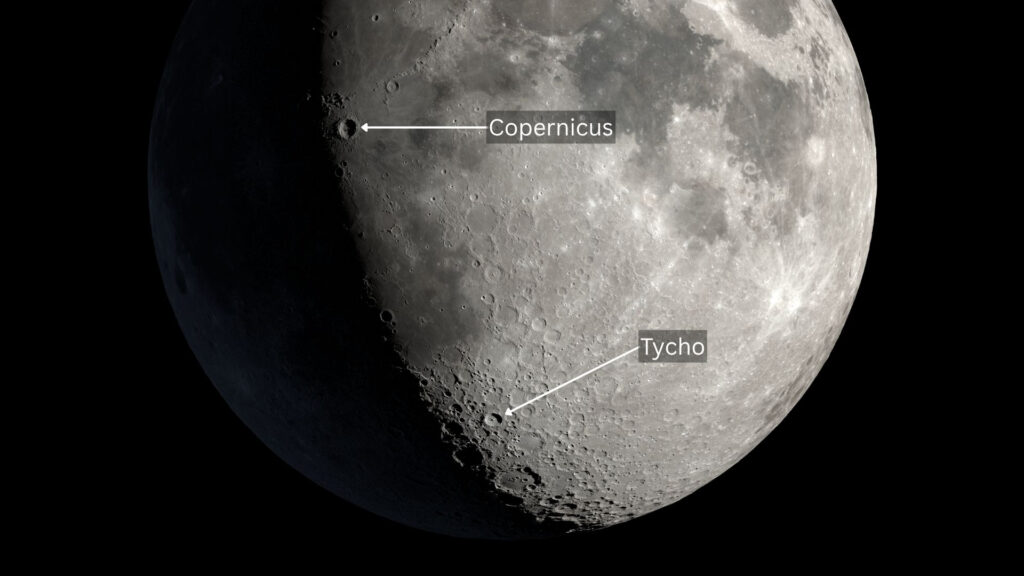
The document gets into some specifics about how to make this happen. For example, it calls for the nation to return astronauts to the moon by 2028, and to start construction of a permanent lunar base by 2030 “to ensure a sustained American presence in space and enable the next steps in Mars exploration.”
Nuclear power in space is part of this vision. “Ensuring American Space Superiority” lists as a priority the deployment of nuclear reactors in Earth orbit and on the moon, and states that one such facility should be ready to launch toward the lunar surface by 2030.
These goals aren’t terribly surprising. For example, NASA is already working toward a 2028 crewed moon landing via its Artemis program, which also aims to set up one or more bases near the lunar south pole over the ensuing years.
The agency has also been developing a potential fission reactor for use on the moon for several years now, with the goal of deploying it in the early 2030s. And a few months ago, we got wind of the more aggressive 2030 timeline for this power source, via a directive from then-NASA Acting Administrator Sean Duffy.
Duffy no longer leads NASA, by the way: Billionaire entrepreneur and private astronaut Jared Isaacman officially took the reins, in a full rather than acting capacity, on Thursday.
The executive order also stresses the need to strengthen the United States’ defensive capabilities in space.
For example, it calls for the development and testing of “prototype next-generation missile defense technologies by 2028 to progressively and materially enhance America’s air and missile defenses pursuant to Executive Order 14186 of January 27, 2025 (The Iron Dome for America).” Trump has billed his vision for such a missile defense shield as a Golden Dome for the country.
Growing the space economy is a priority as well. Trump calls for the attraction of “at least $50 billion of additional investment in American space markets by 2028,” and he wants to boost the cadence of rocket launches and landings, which are already at an all-time high (thanks in large part to SpaceX‘s incredible productivity).
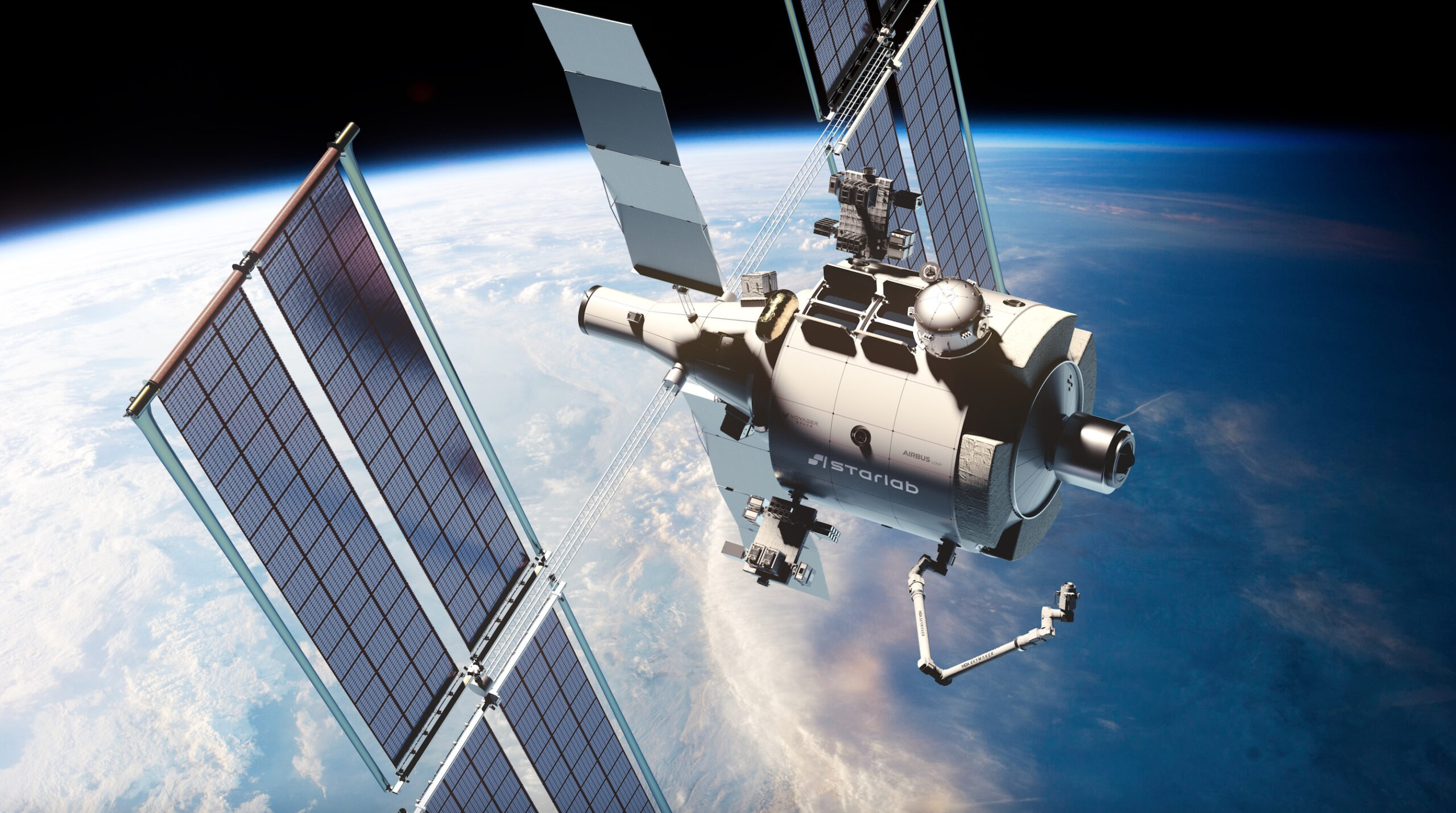
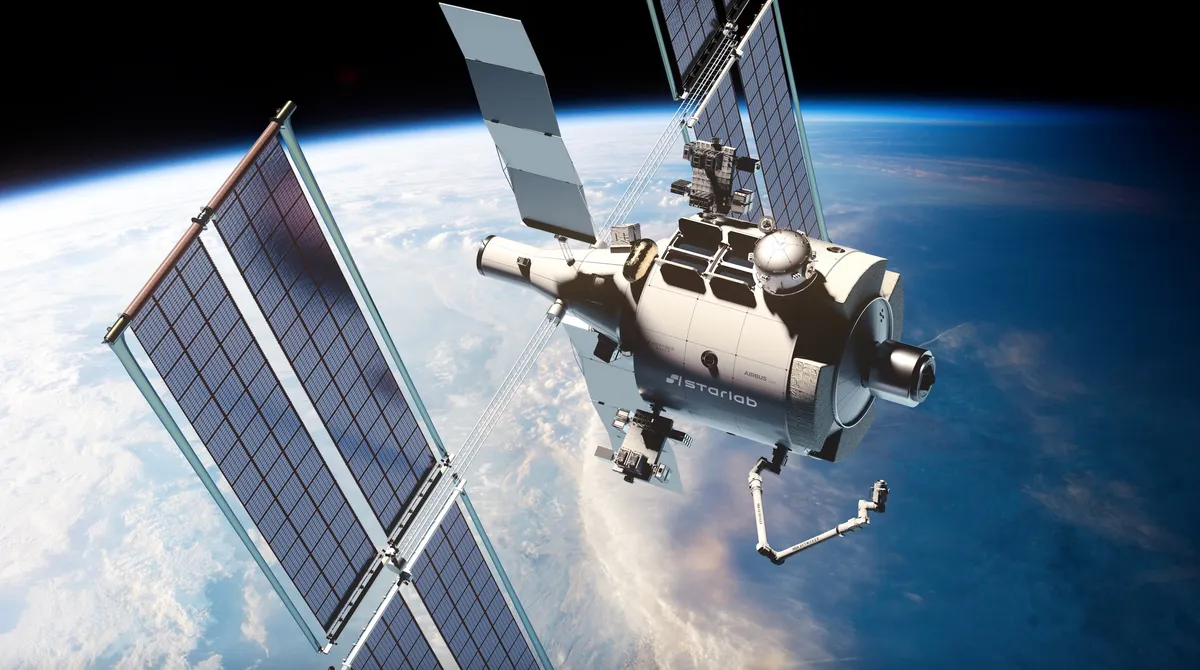
The document also reinforces the plan to have one or more private outposts up and running in Earth orbit by the time the International Space Station retires in 2030.
The executive order gets the ball rolling on implementation as well. For instance, it directs NASA to submit within 90 days a plan explaining how it will achieve the “the policy objectives in this order regarding leading the world in space exploration and expanding human reach and American presence in space.”
Also within 90 days, Isaacman (along with the Secretary of Commerce) must identify any “acquisition programs” that are 30% behind schedule, 30% over budget, underperforming and/or “unaligned with the priorities in this order, along with a description of their planned mitigation or remediation efforts.”
“Ensuring American Space Superiority” also revokes Executive Order 14056, which was issued by then-President Joe Biden on Dec. 1, 2021. Biden’s order officially renewed the National Space Council (NSC), which Trump revived from a nearly quarter-century hiatus in 2017, during his first term as president. The new order may spell the end for the NSC, which is chaired by the vice president and helps steer the nation’s space policy.










Related Posts

Stay Informed With the Latest & Most Important News
Previous Post
Next Post


Advertisement
-
 01Two Black Holes Observed Circling Each Other for the First Time
 -
 02From Polymerization-Enabled Folding and Assembly to Chemical Evolution: Key Processes for Emergence of Functional Polymers in the Origin of Life
 -
 03Astronomy 101: From the Sun and Moon to Wormholes and Warp Drive, Key Theories, Discoveries, and Facts about the Universe (The Adams 101 Series)
 -
 04True Anomaly hires former York Space executive as chief operating officer
 -
 05Φsat-2 begins science phase for AI Earth images
 -
 06Hurricane forecasters are losing 3 key satellites ahead of peak storm season − a meteorologist explains why it matters
 -
 07Binary star systems are complex astronomical objects − a new AI approach could pin down their properties quickly