
Now Reading: US Space Force awards 1st-of-its-kind $52 million contract to deorbit its satellites
-
01
US Space Force awards 1st-of-its-kind $52 million contract to deorbit its satellites


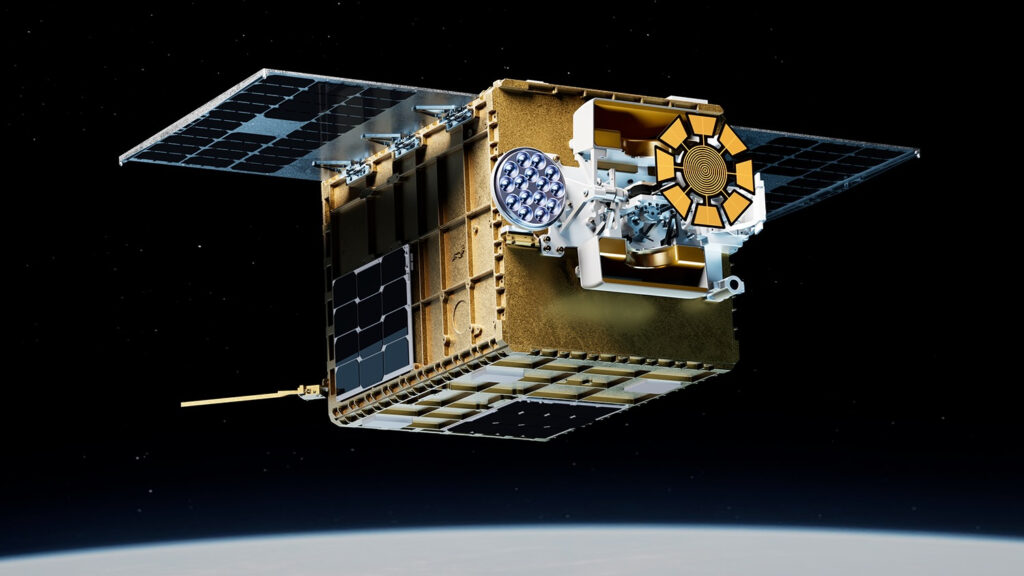
Starfish Space will make history next year, if all goes according to plan.
The Washington-based company just scored a $52.5 million contract to deorbit satellites for the U.S. Space Force, the first deal ever signed for such end-of-life disposal services for a constellation in low Earth orbit (LEO).
“This contract and mission are proof that end-of-life satellite disposal provided by Otter can provide real value to LEO constellation operators,” Austin Link, co-founder of Starfish Space, said in a statement today.
“With Otter, we’ve dramatically reduced the cost and complexity of satellite servicing across orbits,” Link added. “This contract reflects both the value of affordable servicing missions and the technical readiness of the Otter.”
The Space Force is currently building out the PWSA constellation, which will eventually consist of hundreds of satellites that conduct reconnaissance, navigation and communications work for the U.S. military.
This architecture reflects a philosophical shift for the military, which has traditionally relied on a small number of highly capable but expensive spacecraft that take a long time to develop and deploy. Having a large number of satellites is also better for resilience, military officials say, as it means a potential adversary has many more spacecraft to attempt to disable in order to degrade the constellation’s capabilities.
Having so many satellites aloft presents issues, however. For example, should managers of large constellations bring their satellites down relatively early, to ensure that they don’t add to the space debris problem? Or should they try to squeeze as much life as possible out of each spacecraft, to maximize return on investment and the achievement of mission goals?

Starfish Space thinks Otter can help bridge the gap between those two options. “With Deorbit-as-a-Service provided by Otter, Starfish gives constellation operators a better alternative: maximize the operational life and value of their constellations and rely on Otters to dispose of any satellites which cannot dispose of themselves at end of life,” the company wrote in the same statement.
Though Otter has yet to fly, Starfish Space has successfully demonstrated some of the technology the satellite will use in orbit. For example, the company’s Otter Pup 1 trailblazer launched in June 2023 and maneuvered to within 0.6 miles (1 kilometers) of a target space tug 10 months later.
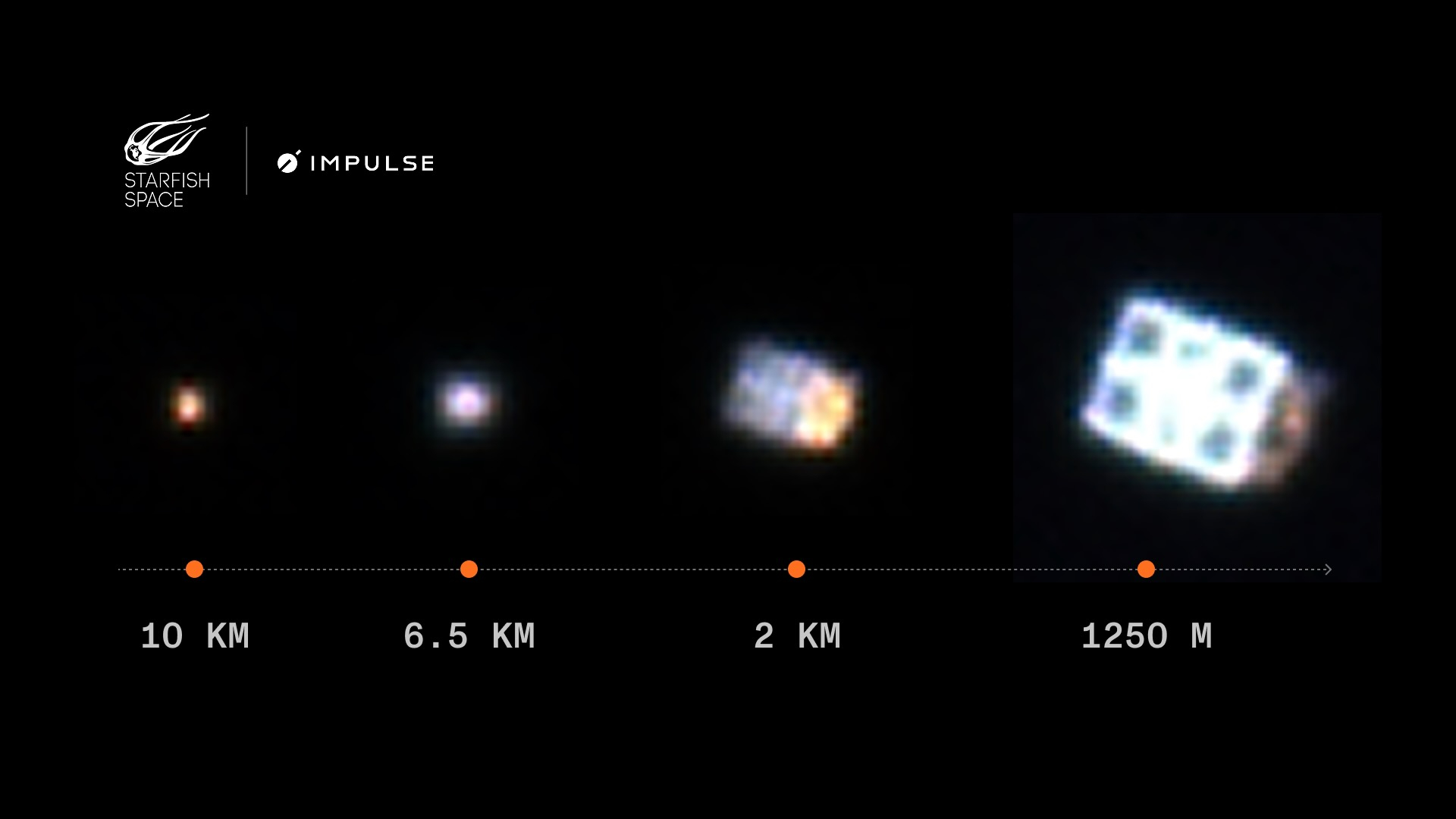
This past October, one of Impulse Space’s Mira orbital transfer vehicles used Starfish software to get within 4,100 feet (1,250 meters) of another Mira. And we’re waiting to hear about the milestones notched by Otter Pup 2, which launched in June 2025 to conduct the first-ever commercial satellite docking in LEO.
The first Otter missions are scheduled to launch this year, giving the company operational experience with the vehicle before it embarks on its debut disposal mission for the Space Force.










Related Posts

Stay Informed With the Latest & Most Important News
Previous Post
Next Post



Advertisement
-
 01Two Black Holes Observed Circling Each Other for the First Time
 -
 02From Polymerization-Enabled Folding and Assembly to Chemical Evolution: Key Processes for Emergence of Functional Polymers in the Origin of Life
 -
 03Astronomy 101: From the Sun and Moon to Wormholes and Warp Drive, Key Theories, Discoveries, and Facts about the Universe (The Adams 101 Series)
 -
 04True Anomaly hires former York Space executive as chief operating officer
 -
 05Φsat-2 begins science phase for AI Earth images
 -
 06Hurricane forecasters are losing 3 key satellites ahead of peak storm season − a meteorologist explains why it matters
 -
 07Binary star systems are complex astronomical objects − a new AI approach could pin down their properties quickly