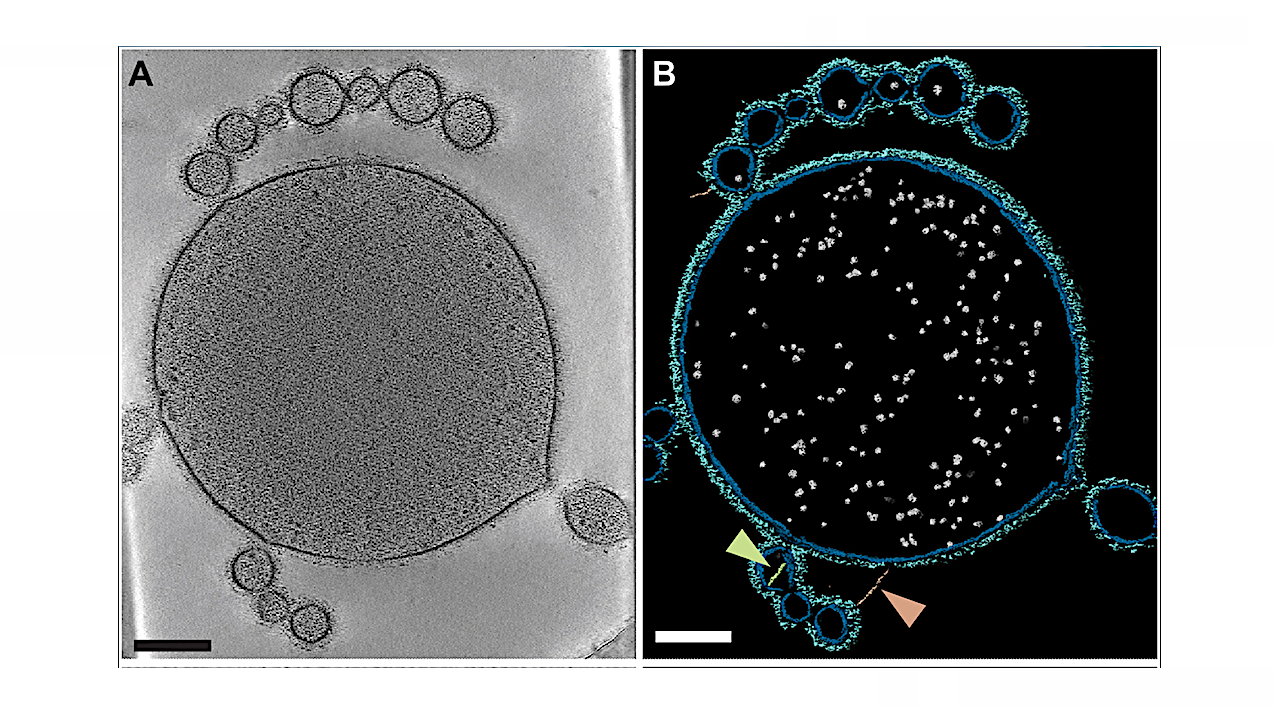
Structural features of Nerearchaeum marumarumayae cell — Current Biology Stromatolites – and their close relatives, microbial mats – could be mistaken for what seems like a bunch of old dark

Structural features of Nerearchaeum marumarumayae cell — Current Biology Stromatolites – and their close relatives, microbial mats – could be mistaken for what seems like a bunch of old dark
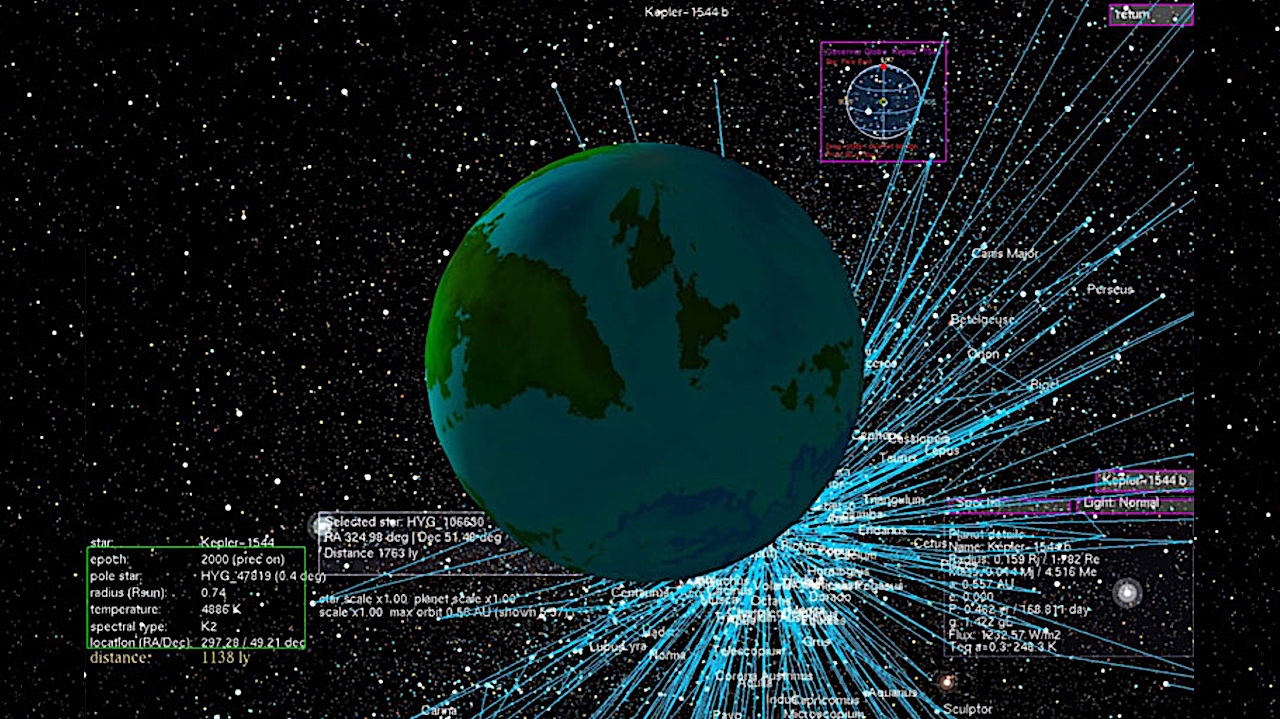
EXOKYOTO4D — Kyoto University A research group led by Professor Yosuke Alexandre Yamashiki (Graduate School of Advanced Integrated Studies in Human Survivability, Kyoto University), Assistant Professor Takanori Sasaki (Graduate School
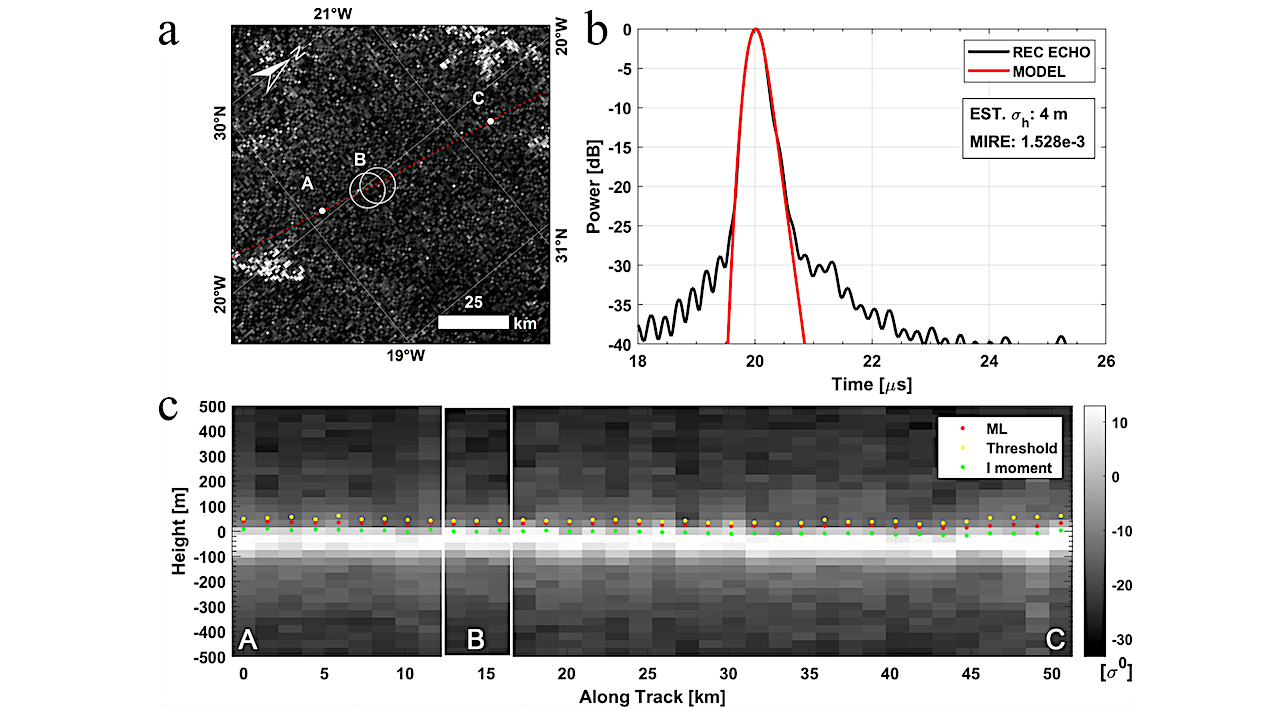
Example of altimeter echo received from plains. This waveform was recorded during flyby T30 from an altitude of 1964.9 km at an incidence angle 0.0137°. Panel (a) shows a context
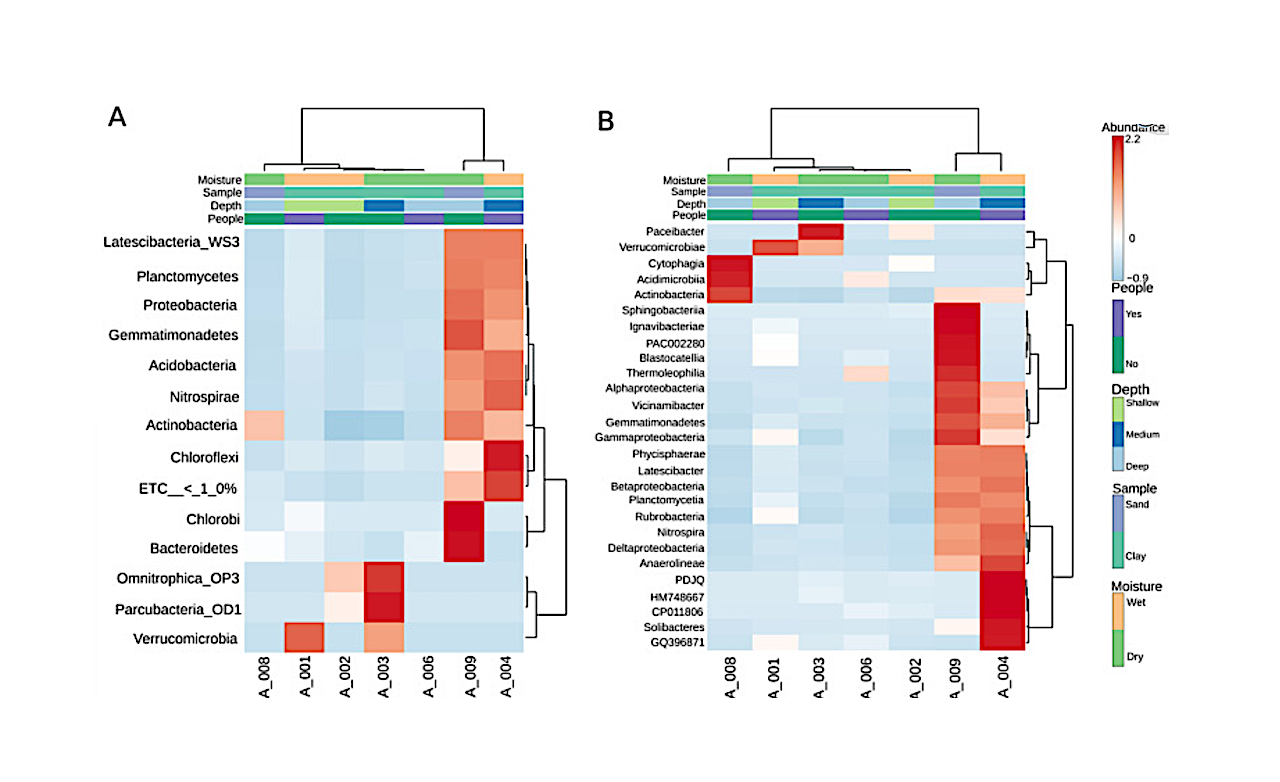
Heatmap analysis of bacterial community composition across cave samples at phylum (A) and class (B) levels. A Euclidean dendrogram visualizes the hierarchical clustering of both samples and taxa. — Microorganisms
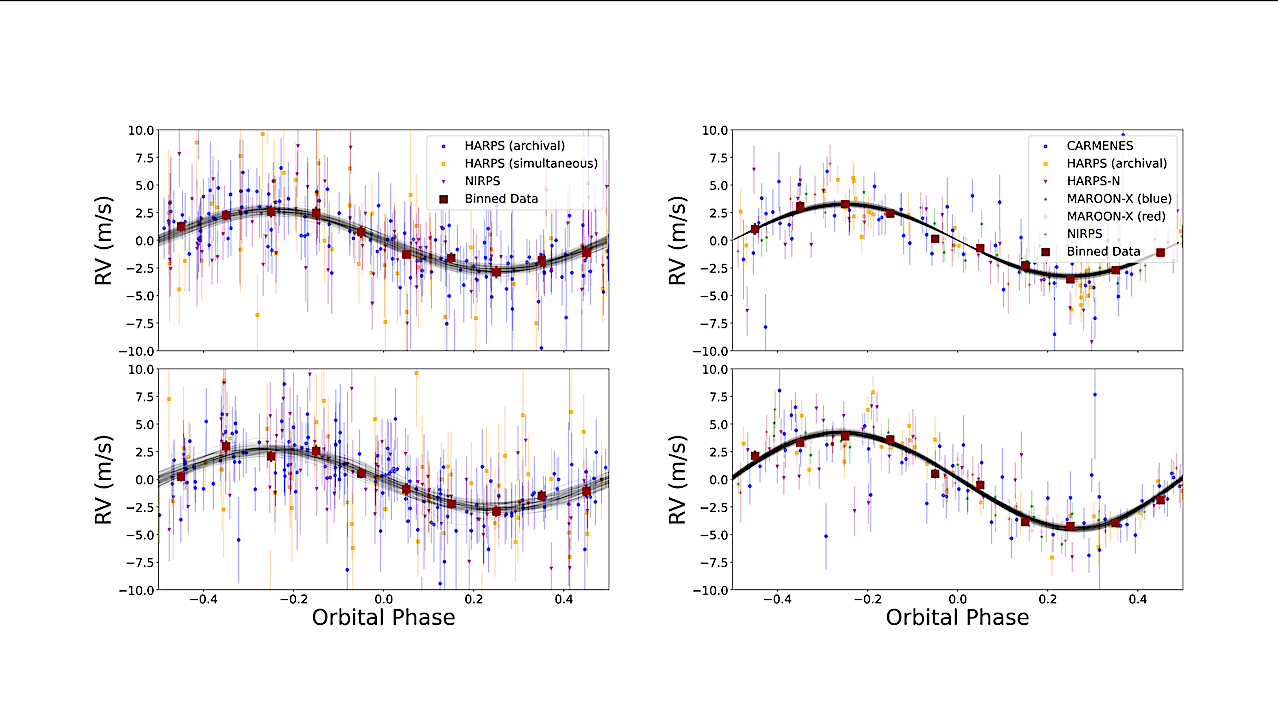
The detrended and phase-folded RV time series of GJ 1132 b (top) and GJ 1132 c (bottom). Different draws of the Keplerian models from our posterior are superimposed in
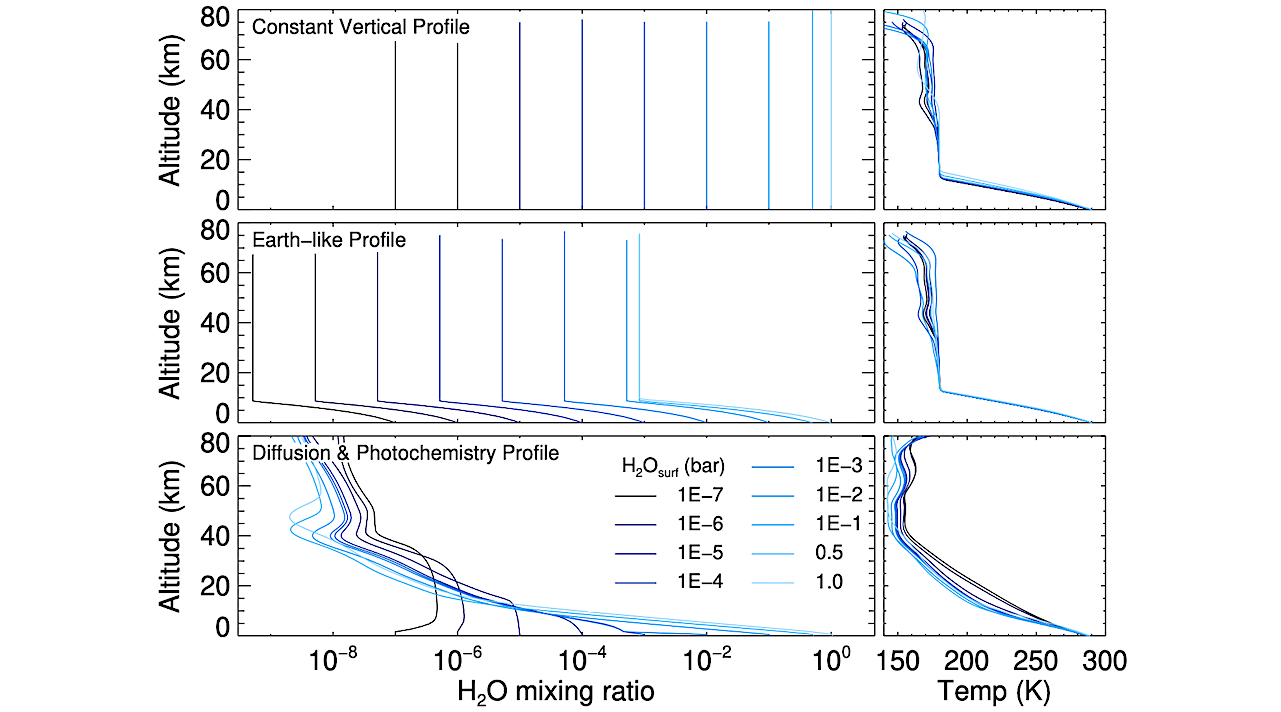
Water mixing ratios vs. altitude for each of our three profile assumptions (left) and the temperature vs altitude profile (right). The surface mixing ratio of water is fixed, spanning concentrations
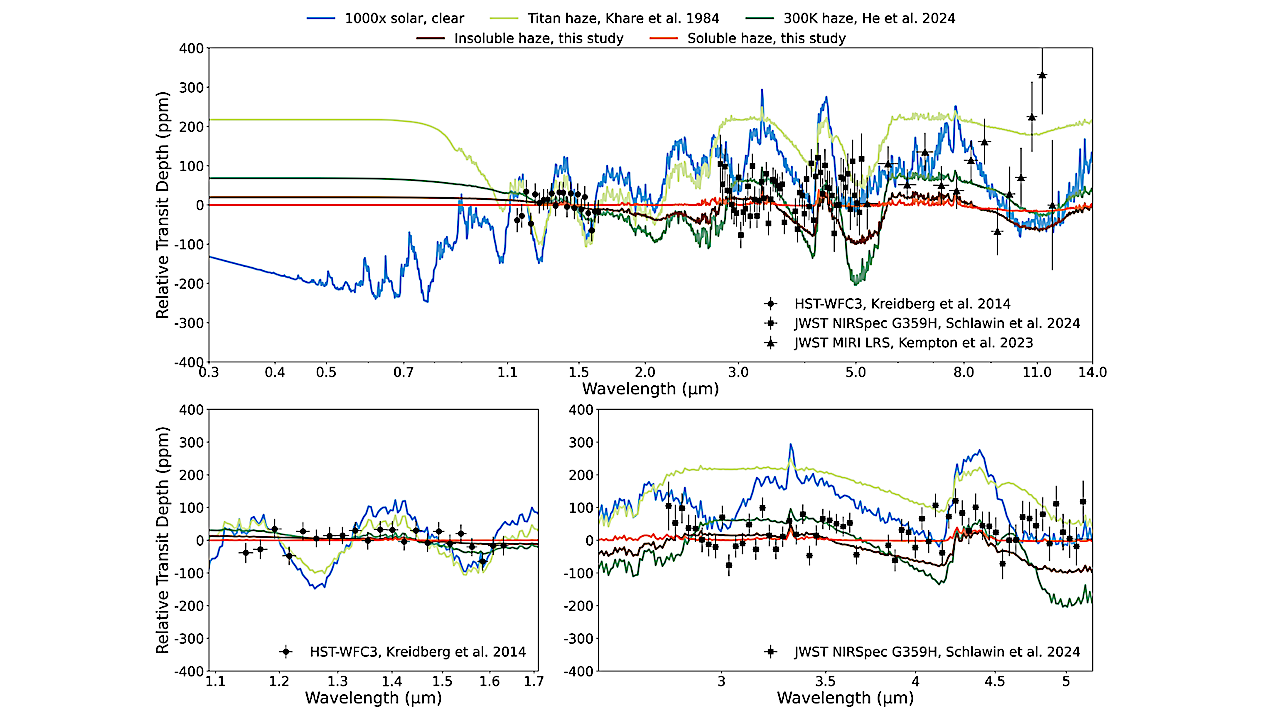
Model transmission spectra comparing several haze compositions on a GJ 1214b-like planet with a temperate waterrich atmosphere. We model a clear atmosphere as well as atmospheres with Titan-like hazes, water-rich
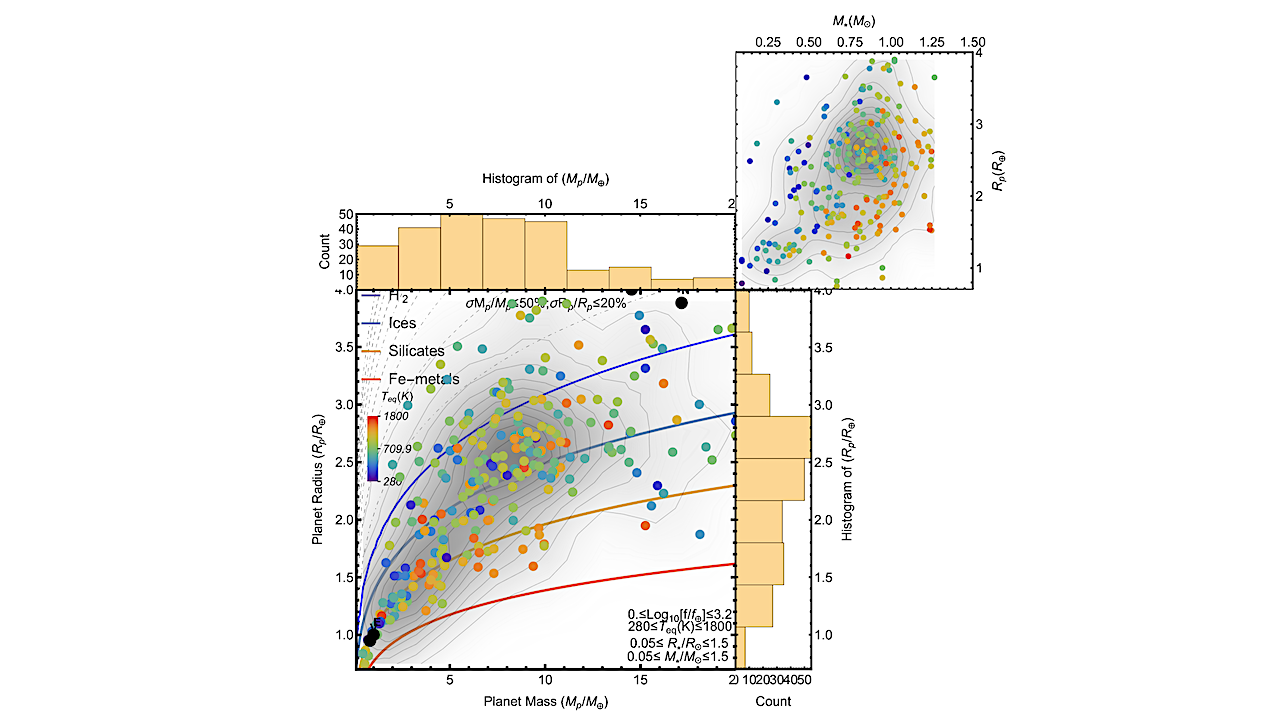
Main plot: mass-radius plot of well-studied exoplanets from TepCat in between 1-20 Earth masses and 1-4 Earth radii. Some theoretical mass-radius curves are shown for comparison. Although a subset of
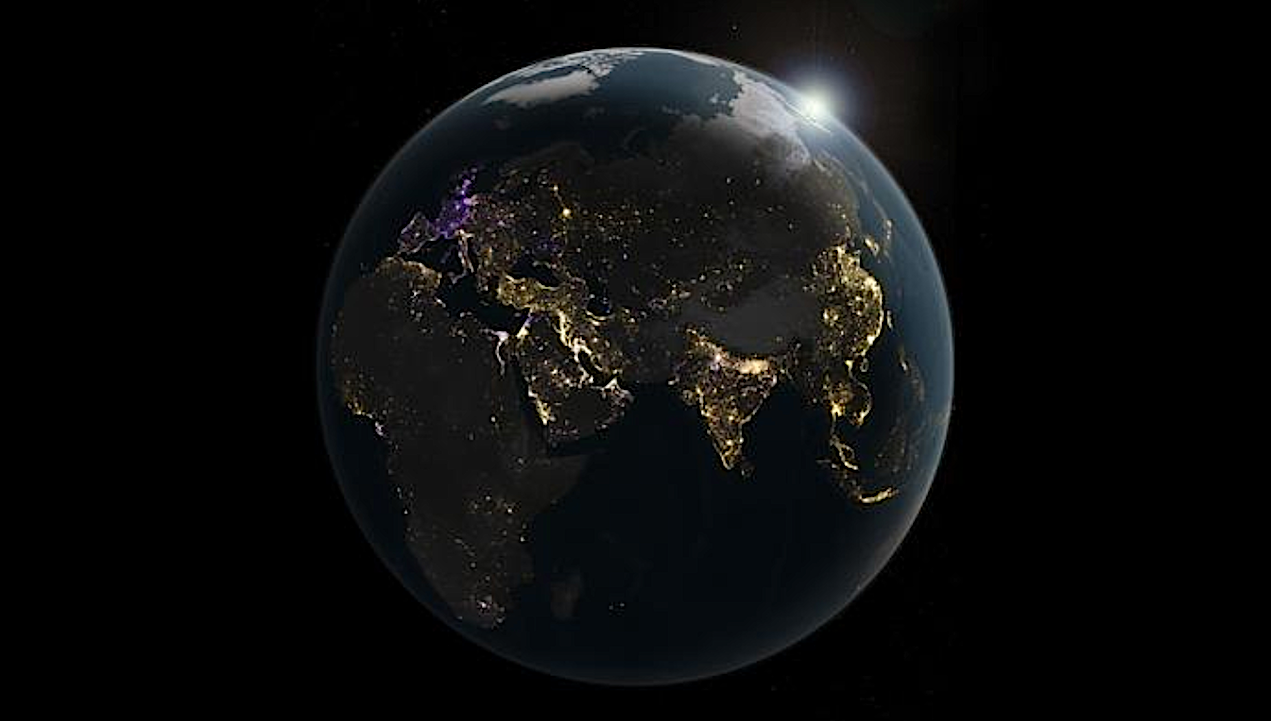
The final accumulated nighttime light change area: A night-time view of Earth, capturing human activity across the eastern hemisphere of the planet through the emissions of artificial light. Derived from
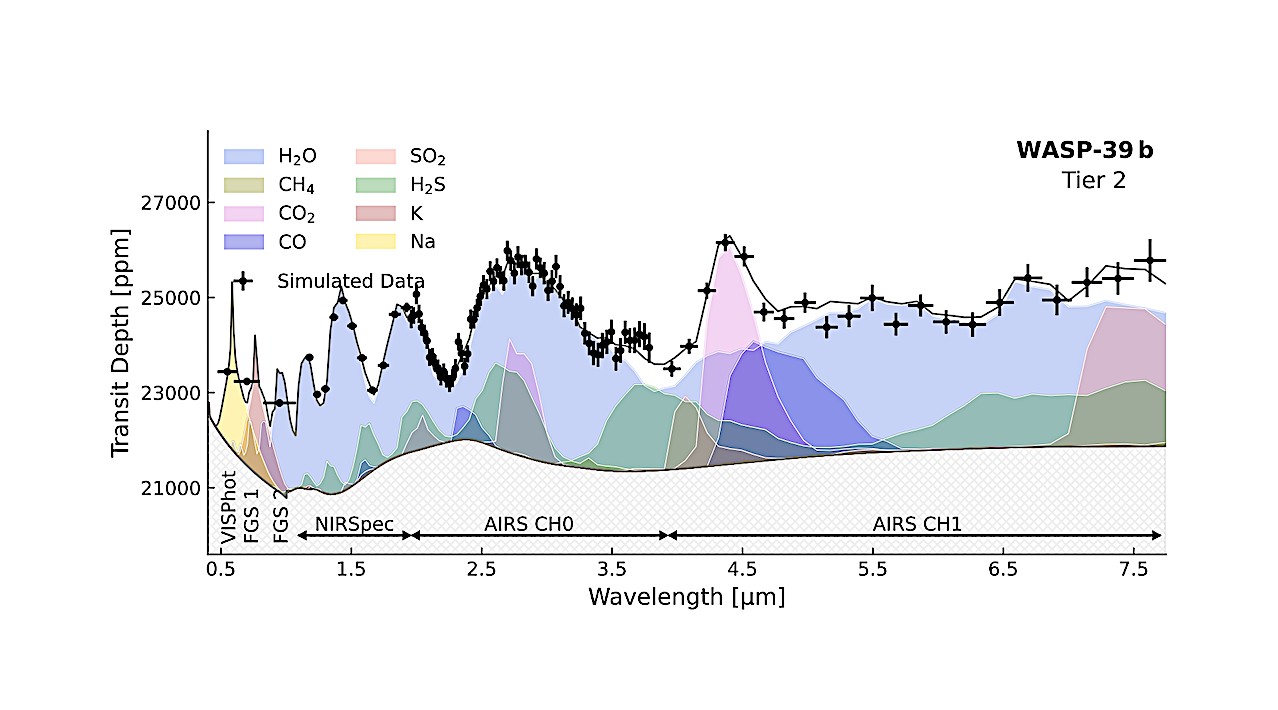
Example full-resolution Ariel transmission spectrum of the hot-Saturn WASP-39 b simulated at Tier 2 precision (black error bars). The underlying atmosphere model assumes chemical equilibrium with a solar C/O ratio