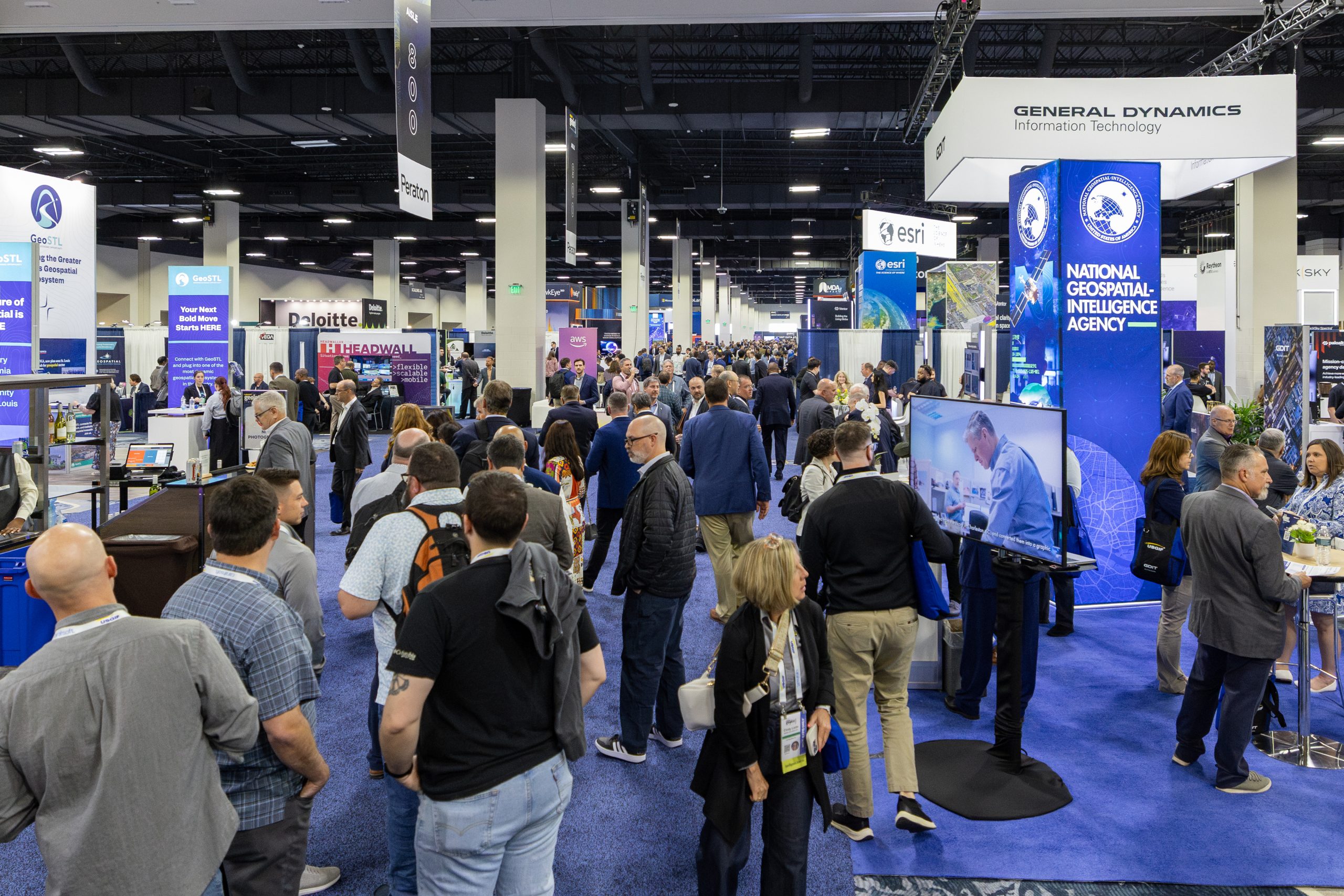
Each year, the GEOINT Symposium brings together the people who make geospatial intelligence possible — the analysts, engineers, mission commanders, innovators and policy leaders who collectively ensure that decision-makers have

Each year, the GEOINT Symposium brings together the people who make geospatial intelligence possible — the analysts, engineers, mission commanders, innovators and policy leaders who collectively ensure that decision-makers have
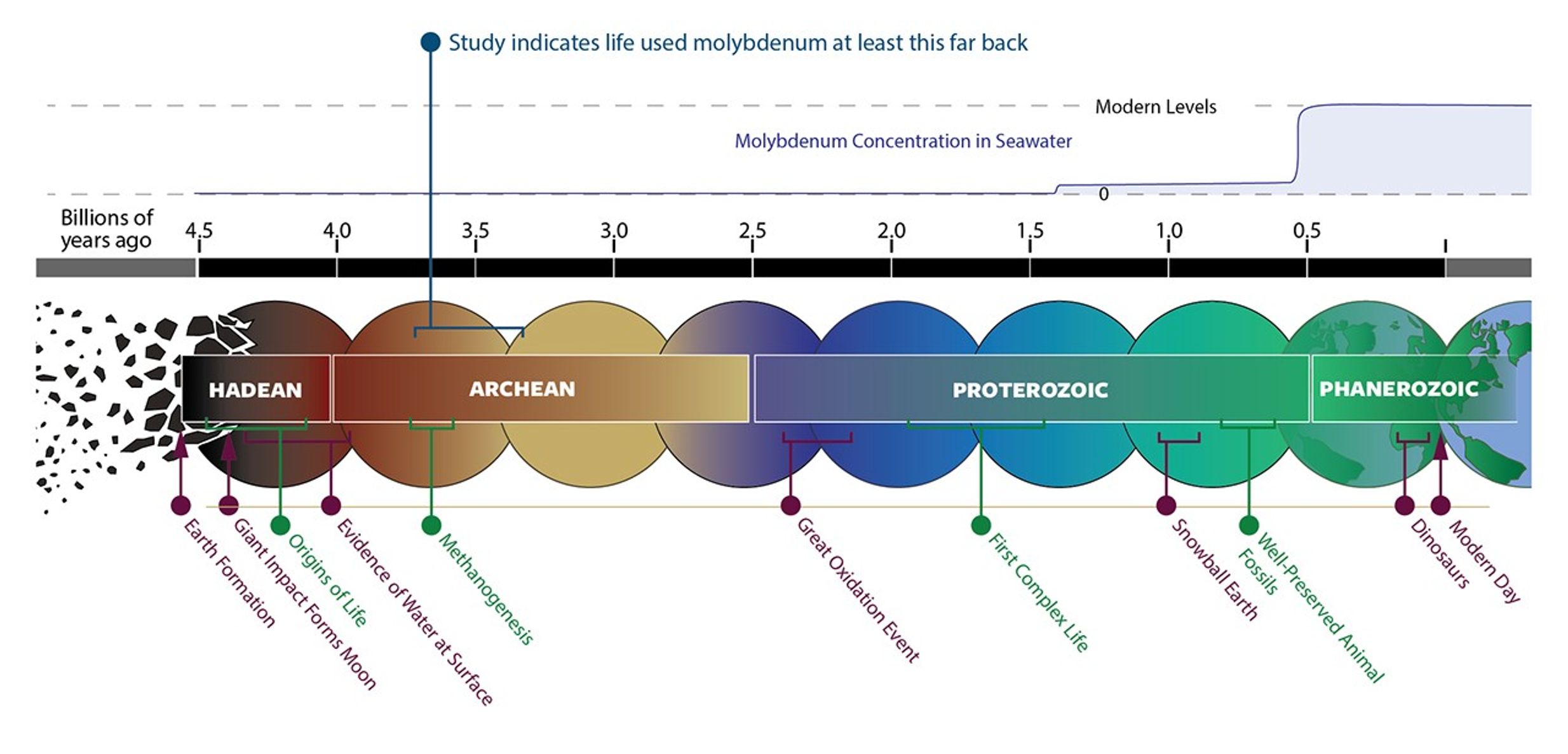
5 min read NASA Research Shows Early Life Relied on Rare Metal Timeline of Earth’s history in billions of years. The new study indicates that life used molybdenum as far
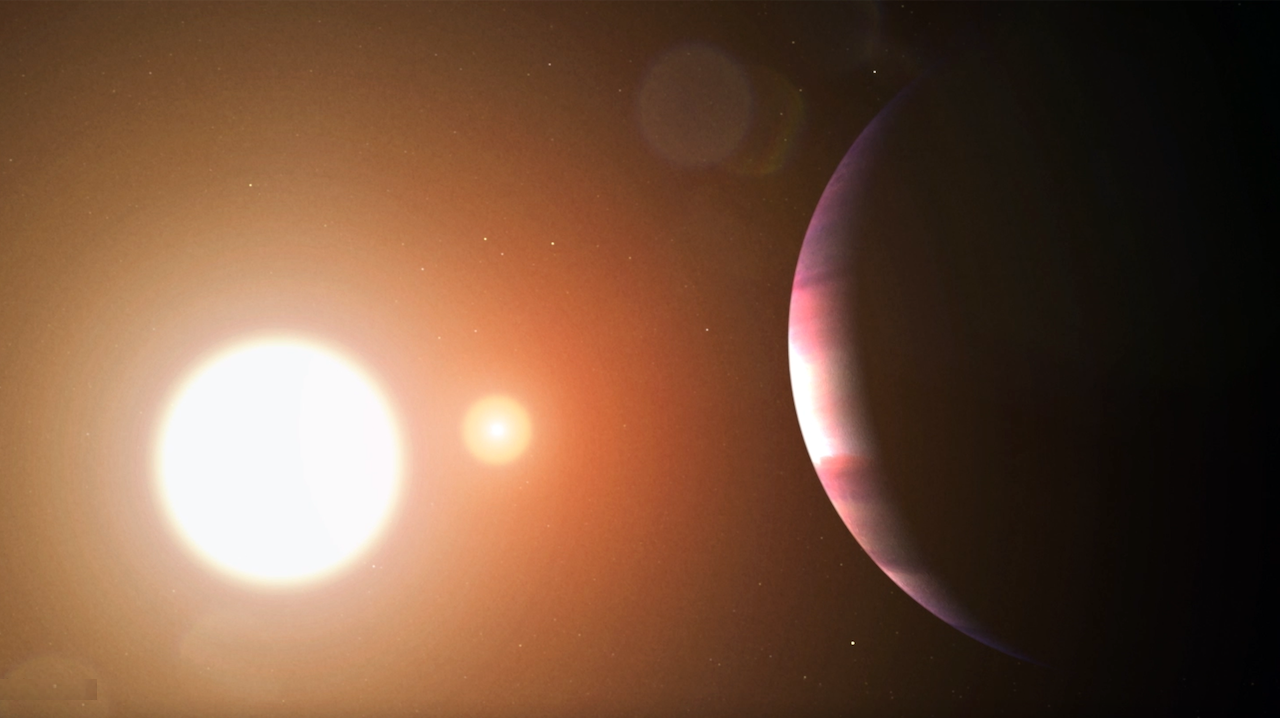
A gas giant planet looms in the foreground at right, illuminated by a pair of stars, in this artist’s concept of a world in a binary system. NASA’s TESS (Transiting
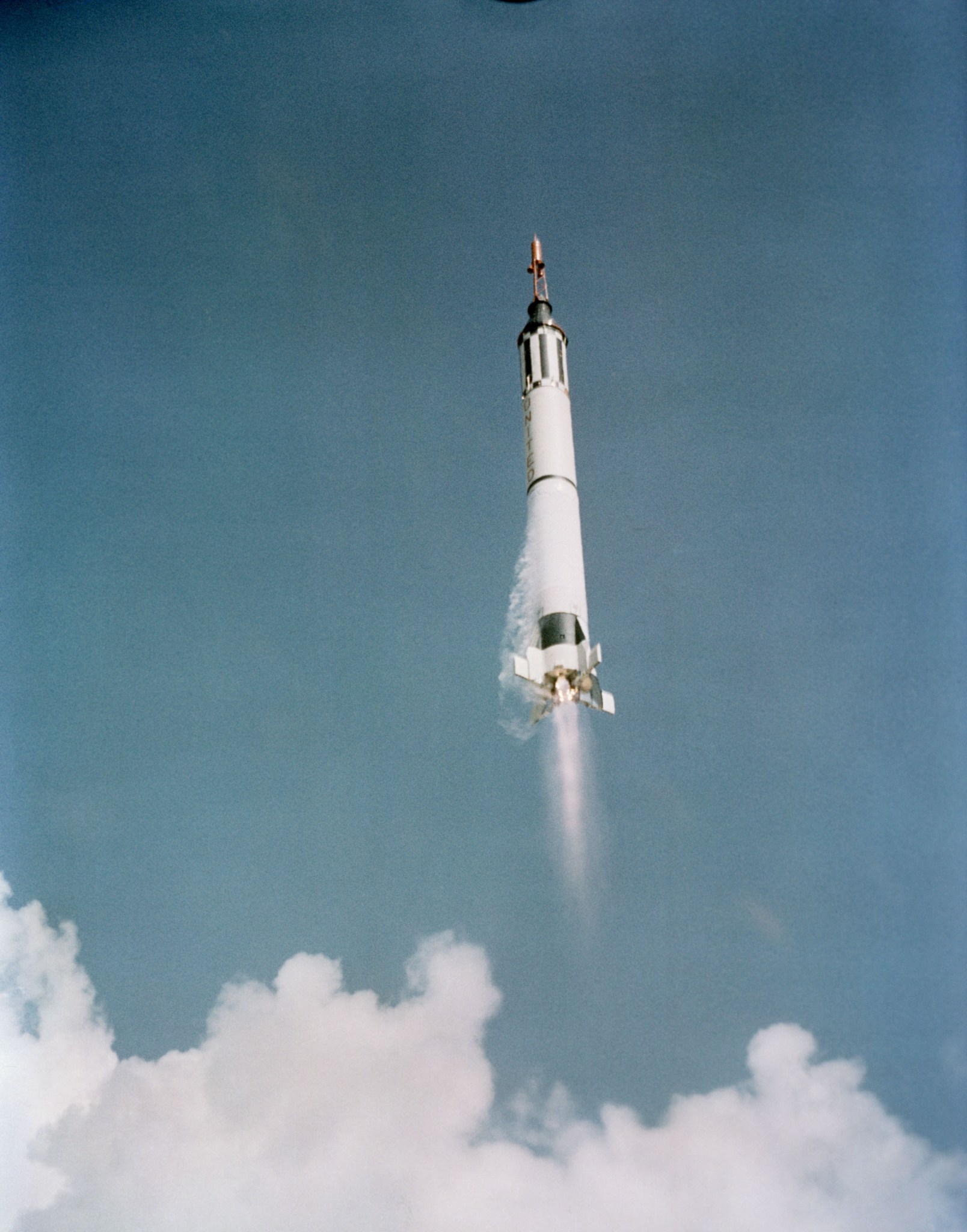
America’s first human spaceflight begins as the Mercury-Redstone 3 (MR-3) space vehicle, with astronaut Alan B. Shepard Jr. aboard, launches from Cape Canaveral, Florida on May 5, 1961. NASA On
Two private companies are partnering up to establish a repeatable debris removal service for low Earth orbit. The U.S. firm Portal Space Systems and Australian startup Paladin Space are working
1 Min Read NASA’S Juno Misson Captures Jupiter Moon Thebe PIA26751 Credits: NASA/JPL-Caltech Photojournal Navigation Science Photojournal NASA’S Juno Misson Captures… Photojournal Home Photojournal Search Latest Content Galleries Feedback RSS
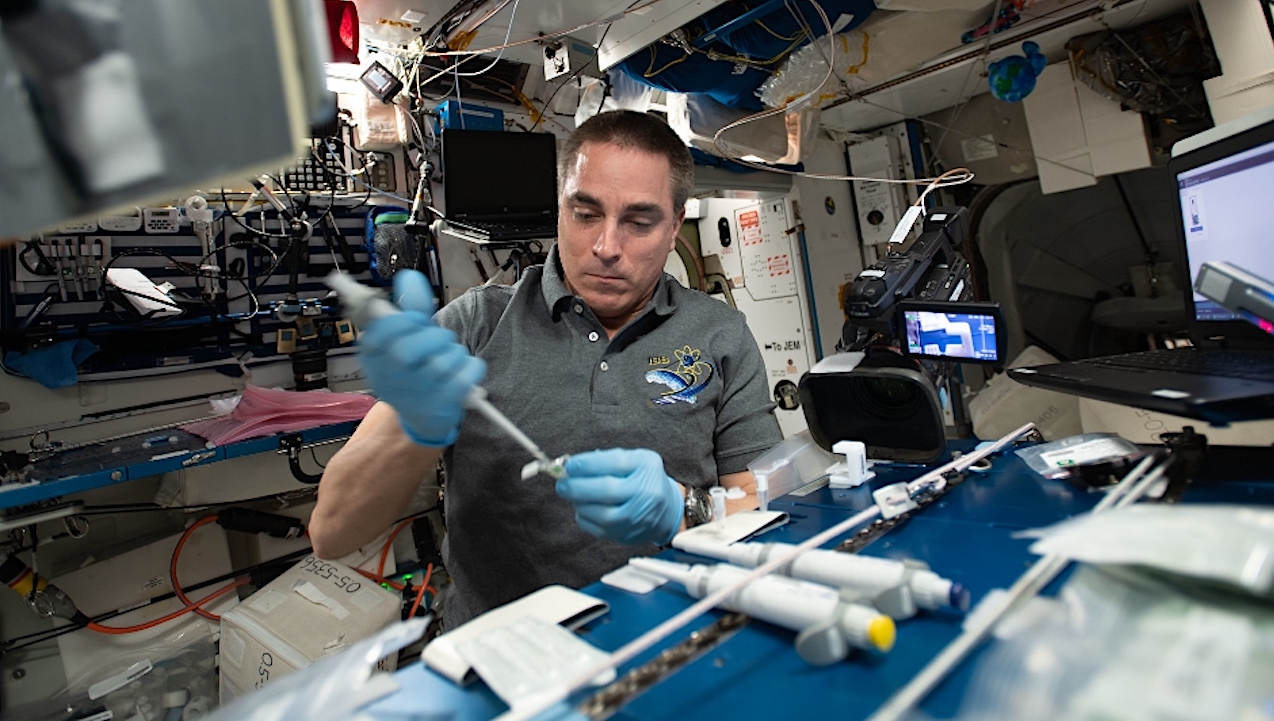
Keith Cowing Biologist, Explorers Club Fellow, ex-NASA Space Biologist and Payload integrator, Editor of NASAWatch.com and Astrobiology.com, Lapsed climber, Explorer, Synaesthete, Former Challenger Center board member 🖖🏻 Follow on Twitter
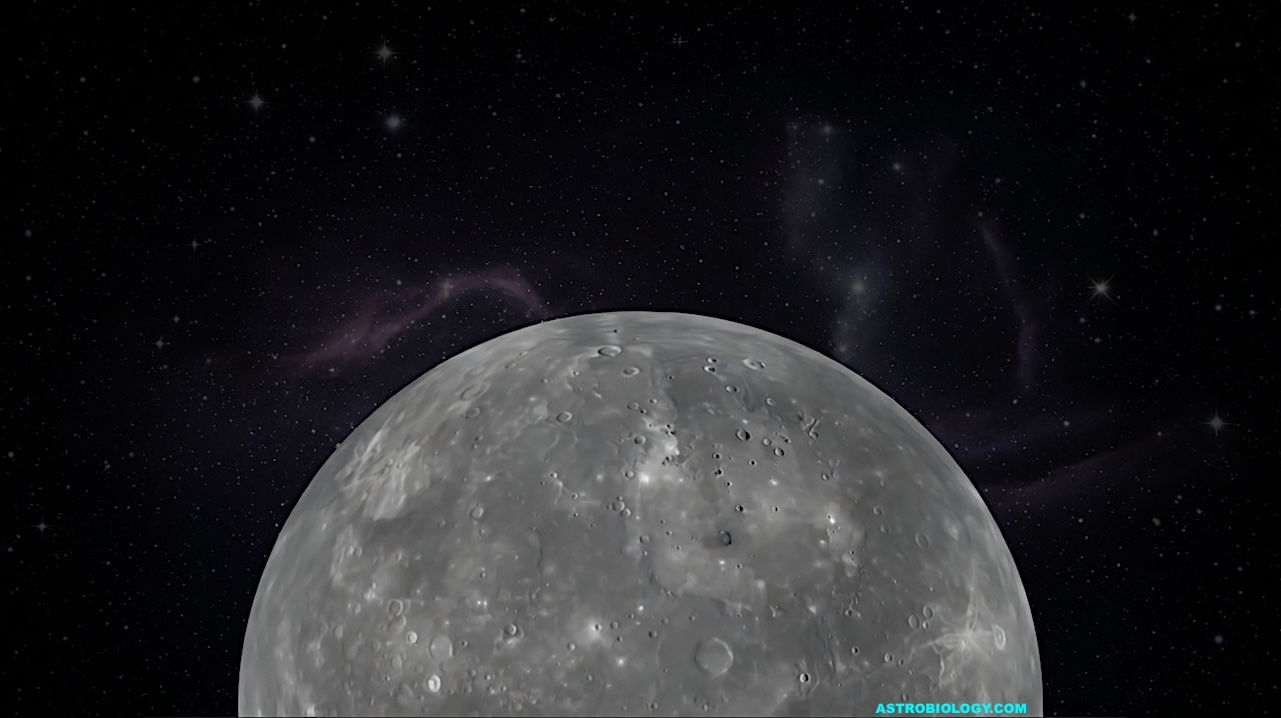
IMAGE – modified image of Mercury using Grok via Astrobiology.com Using MIRI (Mid Infrared Instrument) on board the James Webb Space Telescope (JWST), a team of researchers led by former
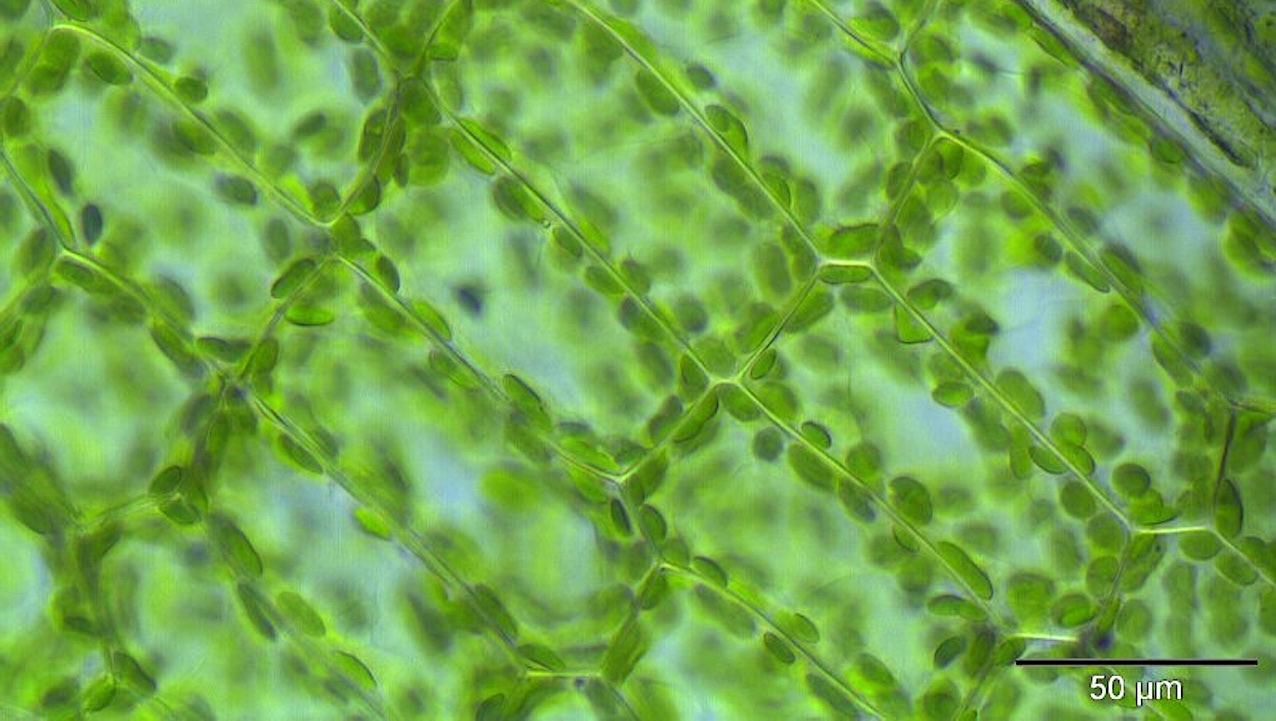
Light micrograph of a moss’s leaf cells at 400X magnification photographed by Kristian Peters CC BY-SA 3.0 Source Cell walls are a crucial structure of plant life, protecting cells from
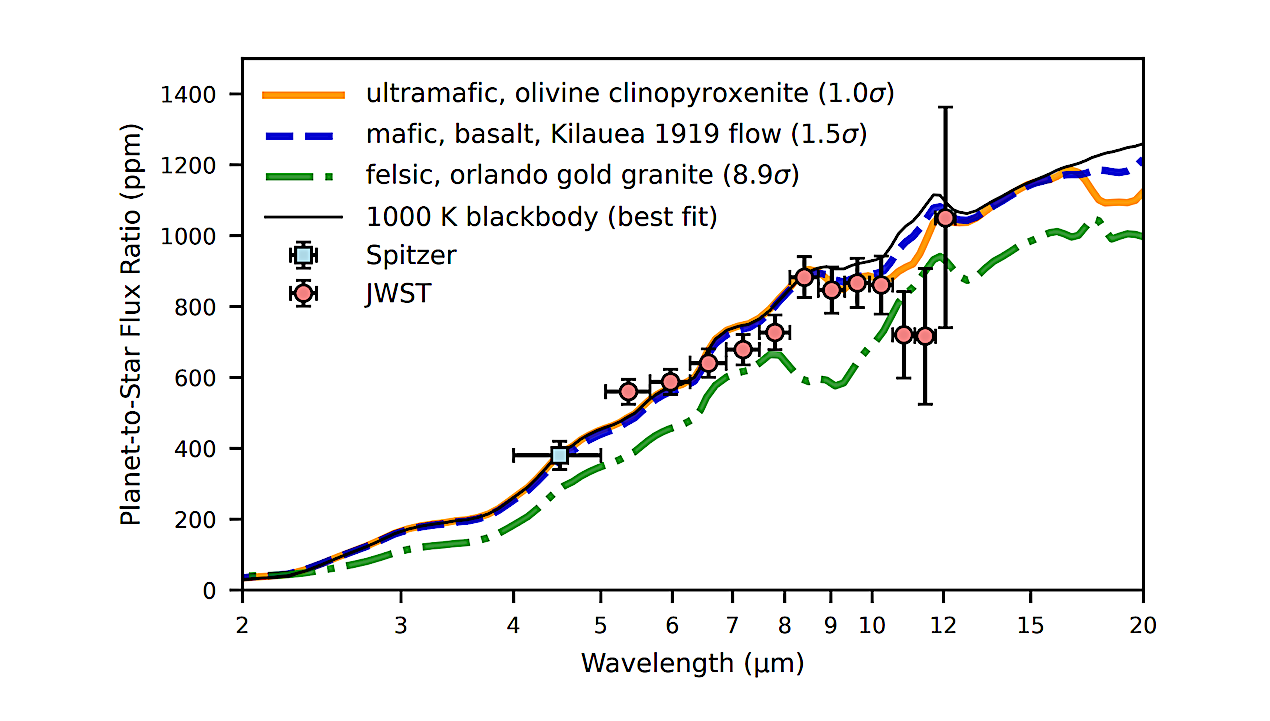
The measured planet-to-star flux ratio as a function of wavelength compared to a range of solid slab surfaces. The observations were taken using Spitzer (blue square-shaped marker) and JWST (red