
Now Reading: Ultraviolet Observations Of Atmospheric Escape In Exoplanets With The Habitable Worlds Observatory
-
01
Ultraviolet Observations Of Atmospheric Escape In Exoplanets With The Habitable Worlds Observatory

Ultraviolet Observations Of Atmospheric Escape In Exoplanets With The Habitable Worlds Observatory

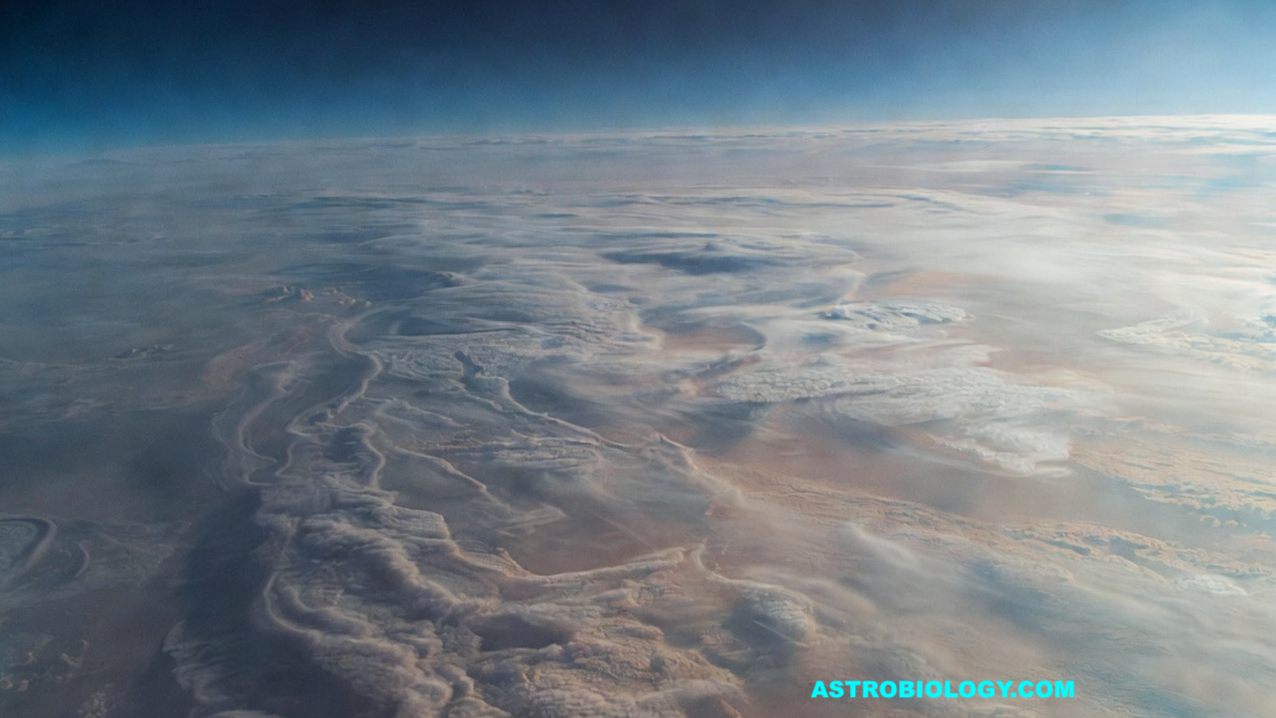
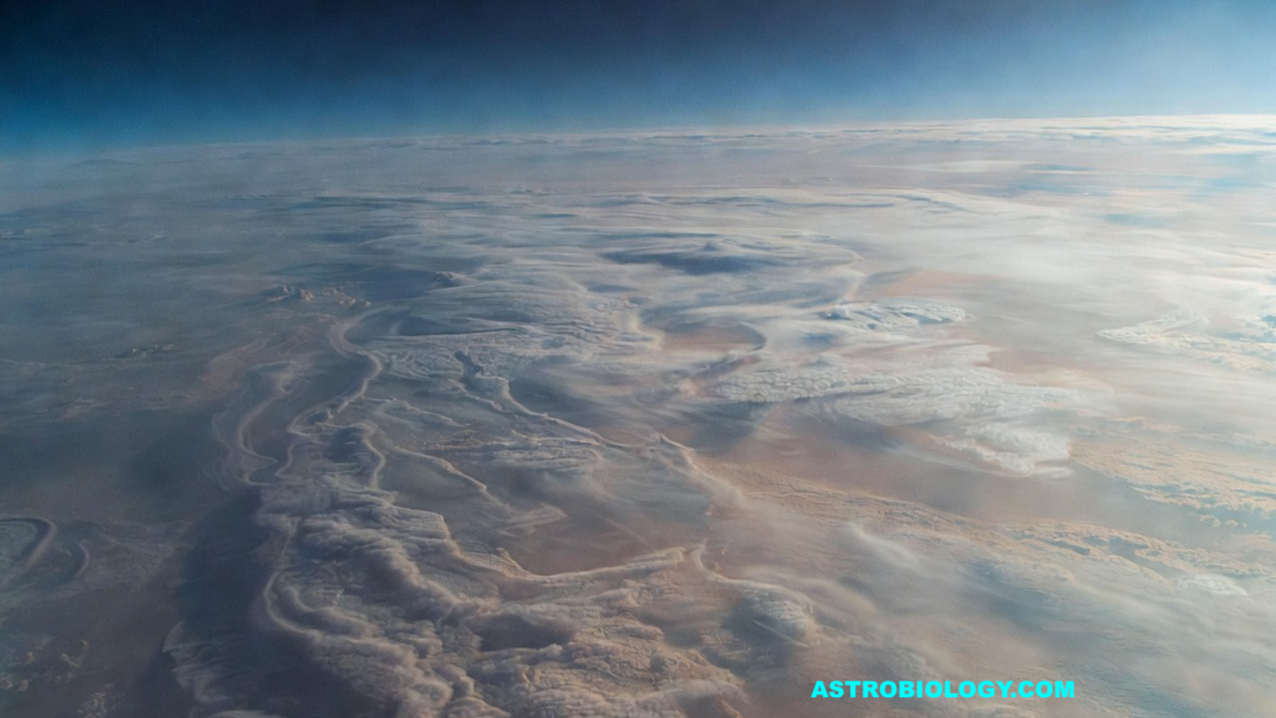
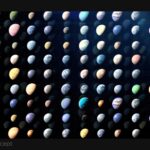
The atmosphere of an exoplanet – Grok via Astrobiology.com
Among the many recommendations of the Decadal Survey on Astronomy and Astrophysics 2020, we found that a priority area of research is to pave the pathways towards finding and characterizing habitable worlds.
In this context, we aim to understand how planetary systems evolve through atmospheric escape and develop techniques to identify potentially Earth-like worlds. Using the ultraviolet (UV) capabilities of the Habitable Worlds Observatory, we can use transit spectroscopy observations to determine what processes drive the evolution of exoplanets, how well small exoplanets can retain atmospheres, and search for Earth-like atmospheres.
We advocate the development of a UV spectrograph that is capable of moderate- to high-resolution spectroscopy of point sources, access to key spectral features between 1000 and 3000 Å, and UV detectors that are resilient to high count rates.
Ultraviolet observations of atmospheric escape in exoplanets with the Habitable Worlds Observatory, SPIE
Astrobiology











Related Posts


Stay Informed With the Latest & Most Important News
Previous Post
Next Post



Advertisement
-
 01Two Black Holes Observed Circling Each Other for the First Time
 -
 02From Polymerization-Enabled Folding and Assembly to Chemical Evolution: Key Processes for Emergence of Functional Polymers in the Origin of Life
 -
 03Astronomy 101: From the Sun and Moon to Wormholes and Warp Drive, Key Theories, Discoveries, and Facts about the Universe (The Adams 101 Series)
 -
 04True Anomaly hires former York Space executive as chief operating officer
 -
 05Φsat-2 begins science phase for AI Earth images
 -
 06Hurricane forecasters are losing 3 key satellites ahead of peak storm season − a meteorologist explains why it matters
 -
 07Binary star systems are complex astronomical objects − a new AI approach could pin down their properties quickly