
Now Reading: Stargazing into the future of SSA
-
01
Stargazing into the future of SSA


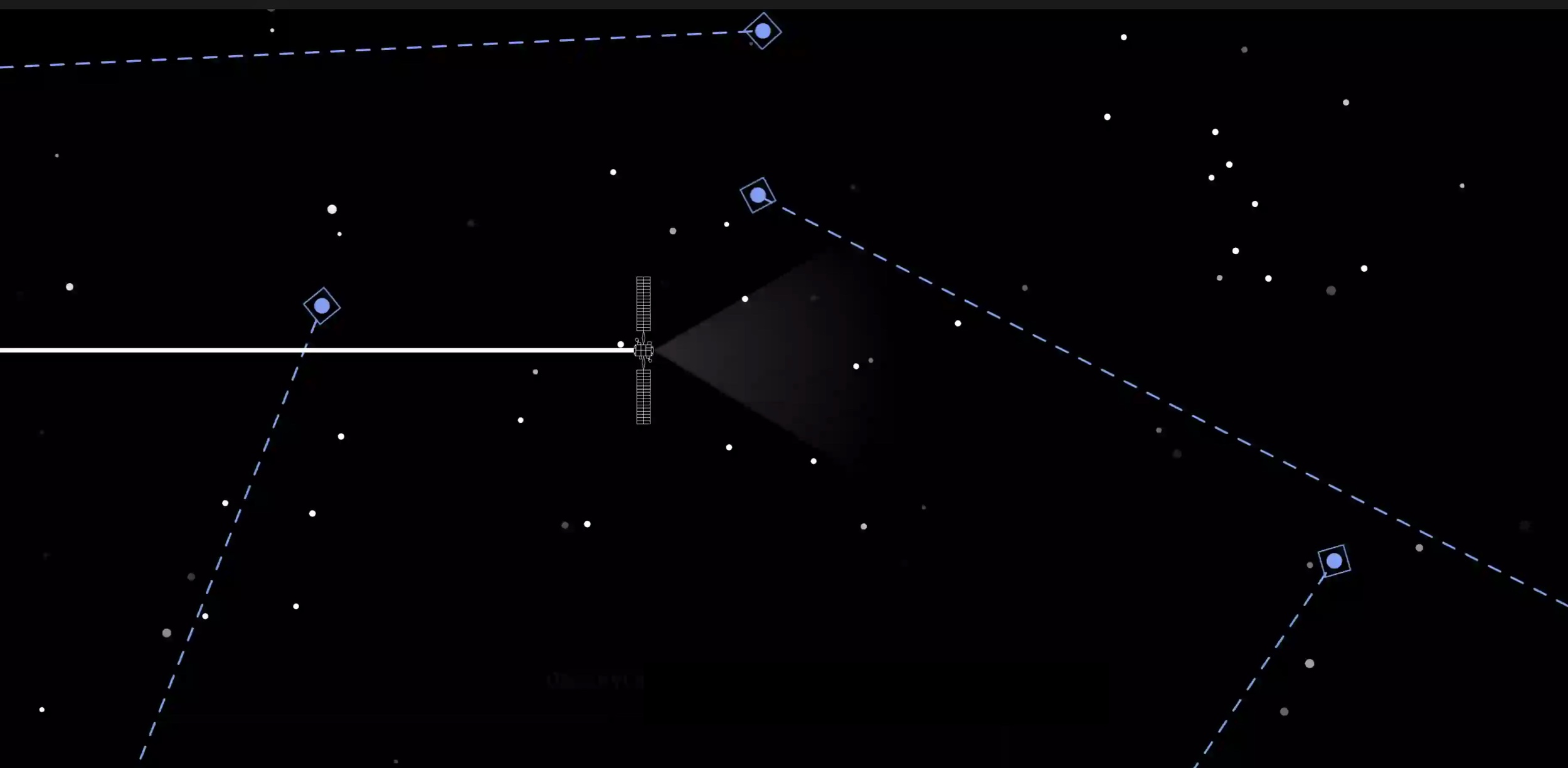

SpaceX has disrupted the launch business with the Falcon 9 and the satellite communications business with Starlink. Now it may be taking aim at the emerging space situational awareness (SSA) field.
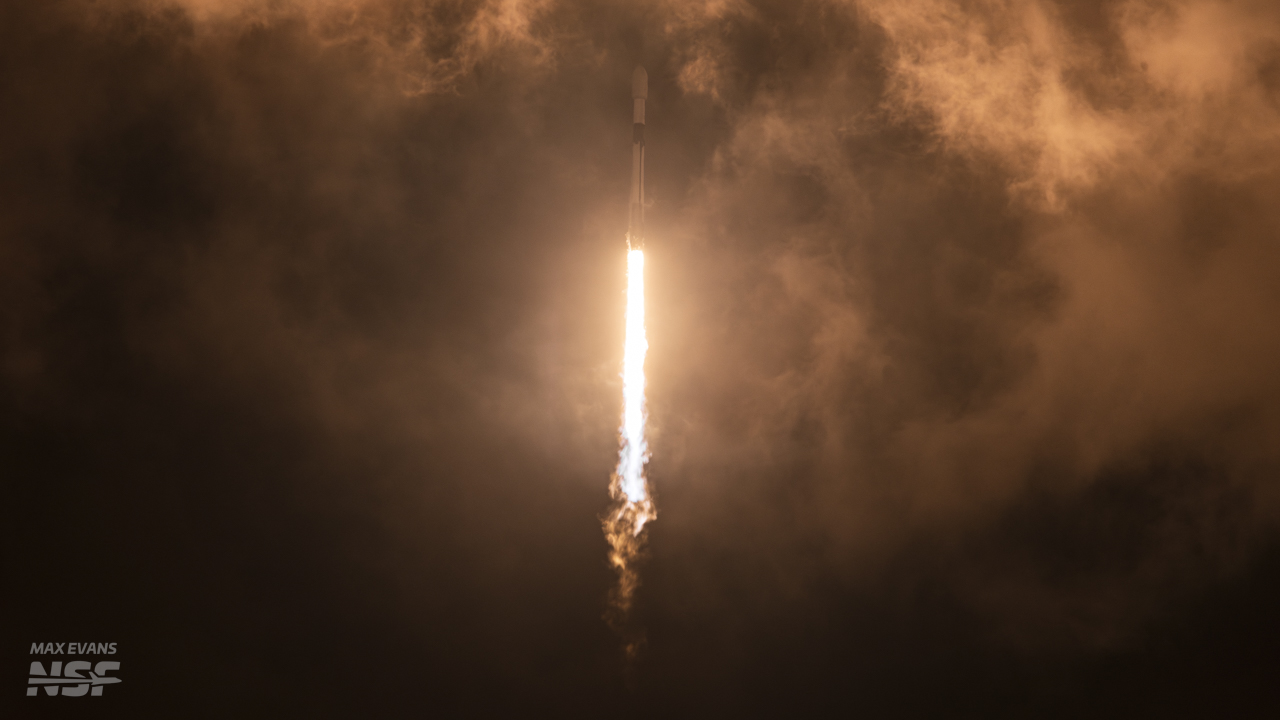
In late January, SpaceX announced Stargaze, a new SSA service. Stargaze uses data from star tracker cameras on its Starlink satellites to track satellites and debris in low Earth orbit (LEO). The company says the nearly 10,000 Starlink satellites in orbit can provide 30 million observations of objects each day.
Since the number of objects in LEO currently number in the tens of thousands, that means each object could be detected hundreds of times a day, a quantum leap over the far less frequent detections made by ground-based telescopes and radars.
“If you know anything about SSA, that’s extraordinary,” said Marco Concha, flight dynamics engineering manager at Amazon Leo, just after the announcement. “If that’s true, this is a game changer.”
Stargaze could also be a threat to other SSA companies, though. SpaceX said it will offer Stargaze to other satellite operators for free, provided those operators are willing to share their ephemeris, or maneuver plans, for their satellites.
“I will be keeping my eye on the impacts this and similar free services will have on smaller companies that have paid-data models,” said Gabriel Swiney of the Office of Space Commerce, which is developing the Traffic Coordination System for Space, or TraCSS, a civil space traffic coordination system.
TraCSS will use data from commercial SSA providers, and Swiney noted at the SpaceCom Expo conference that his office has a mandate to help the SSA industry grow.
There is one element missing from the discussion about the benefits and impacts of Stargaze: Are the data from it any good?
A month after the SpaceX announcement, it’s still not clear. SpaceX said it has performed a closed beta test of Stargaze with more than a dozen other operators, but has not disclosed those companies. SpaceX said it will open Stargaze to other operators in the spring.
“When [Stargaze] came out, I thought it was really amazing, but at the same time I take pause,” Moriba Jah, professor of aerospace engineering at the University of Texas at Austin, said of Stargaze during the 12th Annual Space Traffic Conference at the university in mid-February.
The pause, he said, came from the lack of information about the service. “Where’s the independent assessment of the stuff that SpaceX is putting out there?” he asked.
He added his concern that the scale of Stargaze might make it the default SSA service. “Anyone who refutes that will be challenged to provide the burden of evidence. That’s a bad position for the space community.”
Others at the conference said it was incumbent on all SSA providers, not just SpaceX, to share information about the quality of their data.
“We have to show our work to get confidence in commercial SSA,” said Darren McKnight, senior technical fellow at LeoLabs.
More SSA data is better, but there has to be a way to validate it, noted Kevin O’Connell, a former director of the Office of Space Commerce. Simply combining data from various sources results in an answer “no better than the worst piece of information in the chain,” he warned.
Instead, he advocated for deeper integration of the data, understanding when some sensors or systems provide more accurate results and only using them at those times.
“The validation piece is a government piece,” he said.
“Validation and curation is an important role,” agreed Stewart Bain, chief executive of
NorthStar Earth & Space, a Canadian SSA company. He acknowledged that he had not thought much about who should do it, but “there’s always a role for government.”
SpaceX is motivated to make Stargaze as accurate as possible since it is also a customer of the service. But more data, and more insight into the data, is needed, Jah said.
“I ask my students, how do you know you have the world’s most accurate clock? The answer is you have hundreds of them,” he said. “Independent observation is what lends itself to credibility.”
This article first appeared in the March 2026 issue of SpaceNews Magazine










Related Posts
Stay Informed With the Latest & Most Important News
Previous Post
Next Post

Advertisement
-
 01Two Black Holes Observed Circling Each Other for the First Time
 -
 02From Polymerization-Enabled Folding and Assembly to Chemical Evolution: Key Processes for Emergence of Functional Polymers in the Origin of Life
 -
 03Astronomy 101: From the Sun and Moon to Wormholes and Warp Drive, Key Theories, Discoveries, and Facts about the Universe (The Adams 101 Series)
 -
 04True Anomaly hires former York Space executive as chief operating officer
 -
 05Φsat-2 begins science phase for AI Earth images
 -
 06Hurricane forecasters are losing 3 key satellites ahead of peak storm season − a meteorologist explains why it matters
 -
 07Binary star systems are complex astronomical objects − a new AI approach could pin down their properties quickly