
Now Reading: NASA Revamps Artemis Program to improve Lunar Exploration and Expedite Missions
-
01
NASA Revamps Artemis Program to improve Lunar Exploration and Expedite Missions

NASA Revamps Artemis Program to improve Lunar Exploration and Expedite Missions

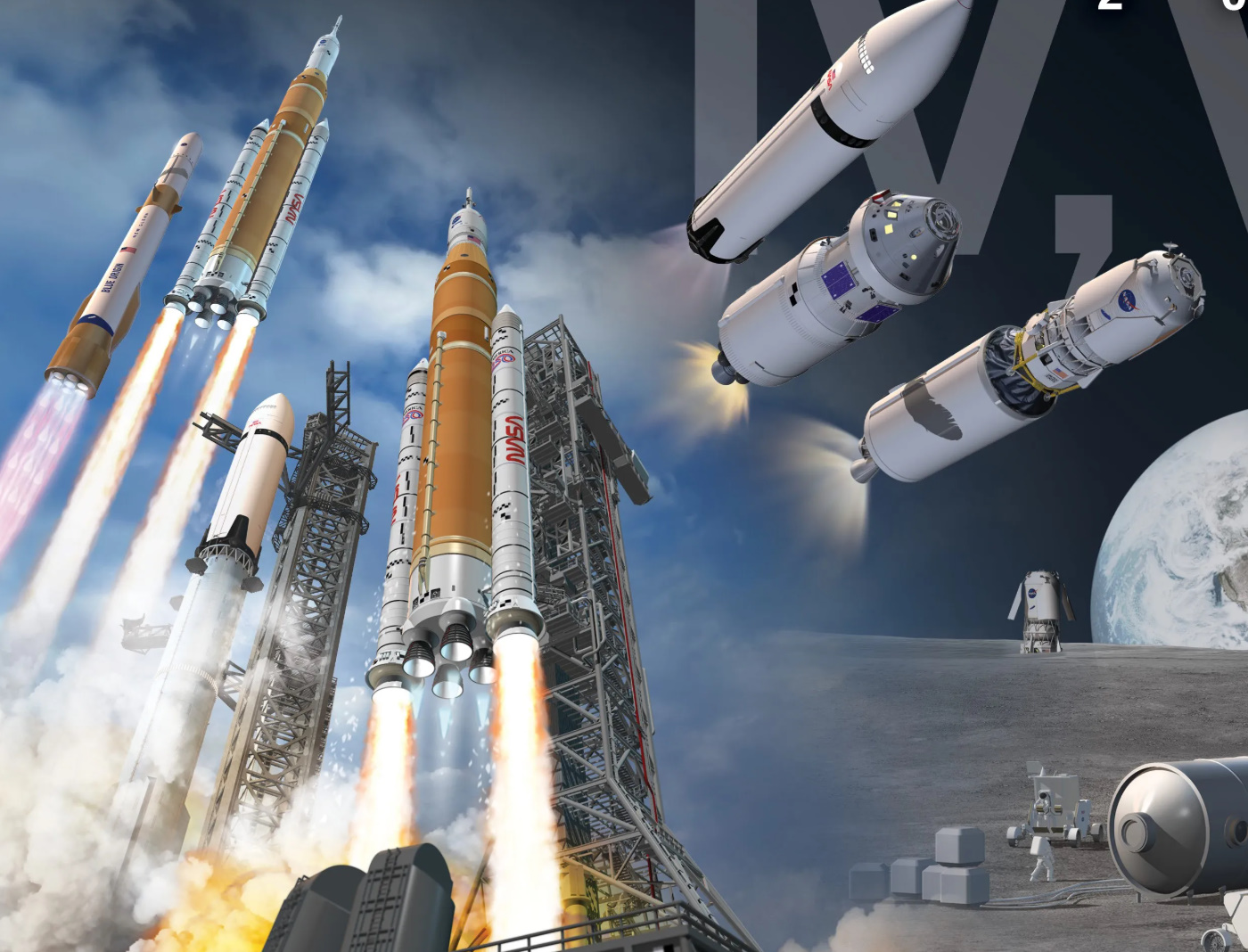

NASA Administrator Jared Isaacman has announced significant revisions to the Artemis program, with a focus on reinvigorating progress, minimizing technical risks, and creating a sustainable model for lunar exploration. Highlighting ongoing delays and technical challenges, which have led to an unsustainable three-year gap between Space Launch System (SLS) launches, Isaacman criticized the previous approach as “not a path to success.”
Industry partners have generally welcomed the updated strategy; however, synchronizing the vast SLS supply chain and workforce with the new framework could pose logistical hurdles. The amended plan aims to standardize hardware configurations, introduce a vital integrated systems test flight, and ramp up the launch frequency to approximately one SLS mission every ten months while maintaining the target for the first crewed lunar landing in 2028, potentially allowing for two landings that year.
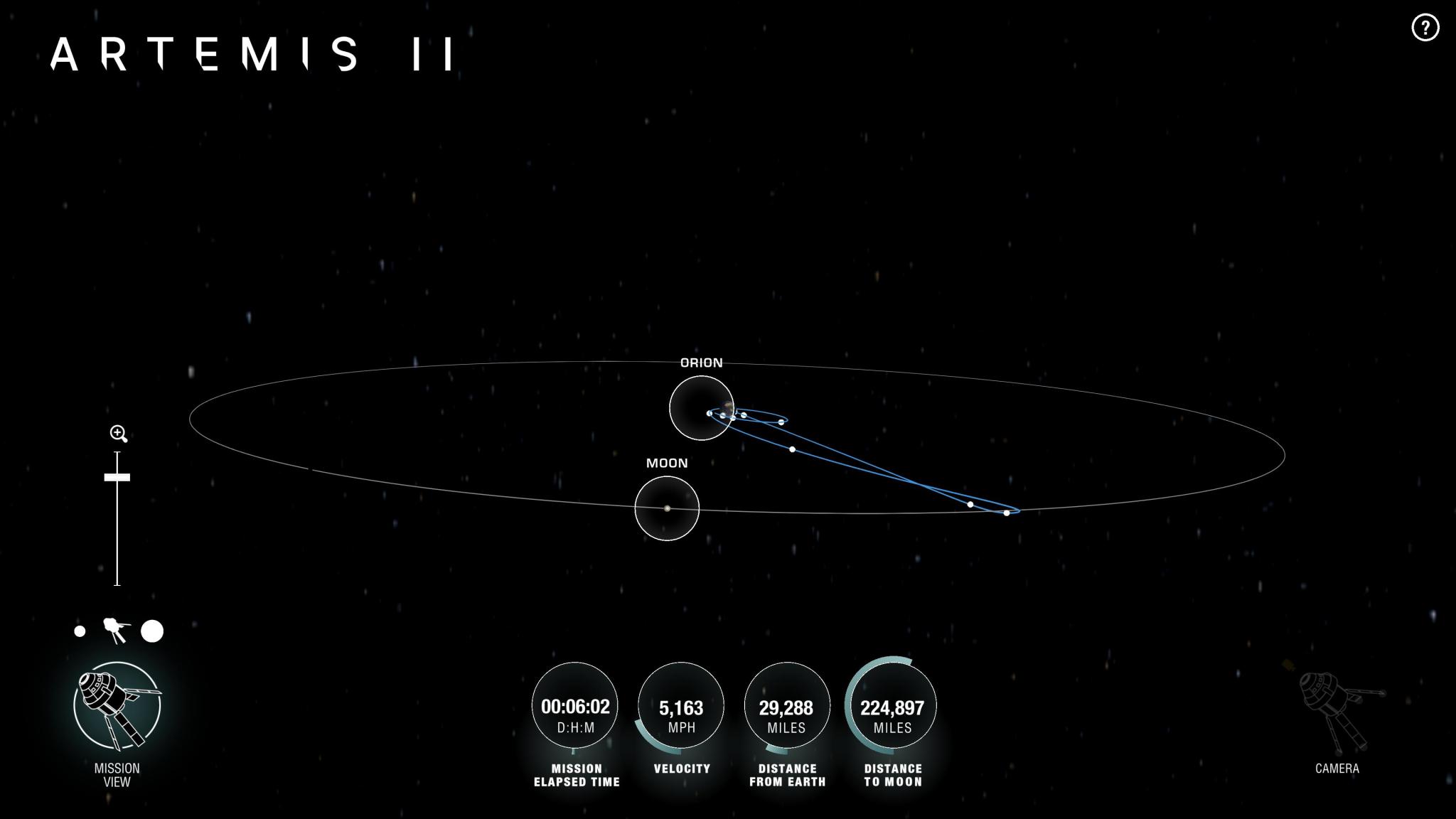
The immediate focus will be on Artemis II, the first crewed mission featuring the Orion spacecraft, which is now slated to launch in April 2026 and will orbit the Moon. A helium leak, identified in the SLS upper stage during pre-launch preparations, has pushed the Artemis II stack back to the Vehicle Assembly Building (VAB) for necessary repairs. Once complete, the reconfigured stack is expected to rollout to Launch Pad 39B around March 19, 2026.
One of the major shifts involves Artemis III, initially slated for a crewed lunar landing in 2027, which has now been redesigned as an all-systems test in low Earth orbit. The mission will engage in a rendezvous and docking with one or both commercial Human Landing Systems—either SpaceX’s Starship HLS or Blue Origin’s Blue Moon MK2—thereby validating critical in-space operations and life support systems. Modeled after the Apollo 9 mission, this change aims to reduce risk by avoiding a direct leap to surface operations without adequate testing.
Isaacman expressed confidence in not only reaching the Moon but establishing a routine cadence for missions, emphasizing the importance of developing the necessary knowledge and skills through regular flight operations. Following Artemis III, the program is set to conduct its first crewed lunar landing in early 2028 with Artemis IV, further establishing a framework for ongoing missions to develop lunar infrastructure.
Despite some media interpretations suggesting delays, officials underscored that the changes represent a strategy to accelerate the Artemis objectives. The agency plans to standardize future SLS flights using a “near Block 1” configuration, abandoning the planned Exploration Upper Stage (EUS) due to delays and cost overruns, allowing for a more efficient manufacturing process.
Isaacman reiterated the need for a strategic focus in light of increasing competition from geopolitical rivals, while Associate Administrator Amit Kshatriya characterized the adjustments as offering a more stable and realistic approach to lunar exploration. This reorientation has received endorsement from major industry players, including Boeing, SpaceX, Blue Origin, and United Launch Alliance, as well as bipartisan support in Congress.
Though the revision adds one mission and decreases technical challenges, it also delineates a shift away from certain planned elements, such as the Lunar Gateway, which appears to have a diminished role as the focus turns towards a more streamlined, surface-driven approach. Power and Propulsion Element and Habitation and Logistics Outpost remain in development but lack confirmed operational timelines.
With the cancellation of the Booster Obsolescence and Life Extension project, the current legacy boosters will continue to support SLS operations. The core stage of the SLS, presently being produced at Boeing’s facility in New Orleans, is central to the updated Artemis framework.
The Artemis replan has garnered a largely supportive response from the space community, with figures such as former NASA Administrator Jim Bridenstine commending Isaacman’s decisive leadership. However, key questions regarding funding plans for the increased launch pace and international partnerships remain unresolved as the agency moves forward with the new structure. The success of this strategy will ultimately hinge on its effective execution in the coming years.










Related Posts


Stay Informed With the Latest & Most Important News
Previous Post
Next Post




Advertisement
-
 01Two Black Holes Observed Circling Each Other for the First Time
 -
 02From Polymerization-Enabled Folding and Assembly to Chemical Evolution: Key Processes for Emergence of Functional Polymers in the Origin of Life
 -
 03Astronomy 101: From the Sun and Moon to Wormholes and Warp Drive, Key Theories, Discoveries, and Facts about the Universe (The Adams 101 Series)
 -
 04True Anomaly hires former York Space executive as chief operating officer
 -
 05Φsat-2 begins science phase for AI Earth images
 -
 06Hurricane forecasters are losing 3 key satellites ahead of peak storm season − a meteorologist explains why it matters
 -
 07Binary star systems are complex astronomical objects − a new AI approach could pin down their properties quickly