
Now Reading: The moon as you rarely see it: How a photographer captured night and day on the first quarter moon
-
01
The moon as you rarely see it: How a photographer captured night and day on the first quarter moon

The moon as you rarely see it: How a photographer captured night and day on the first quarter moon

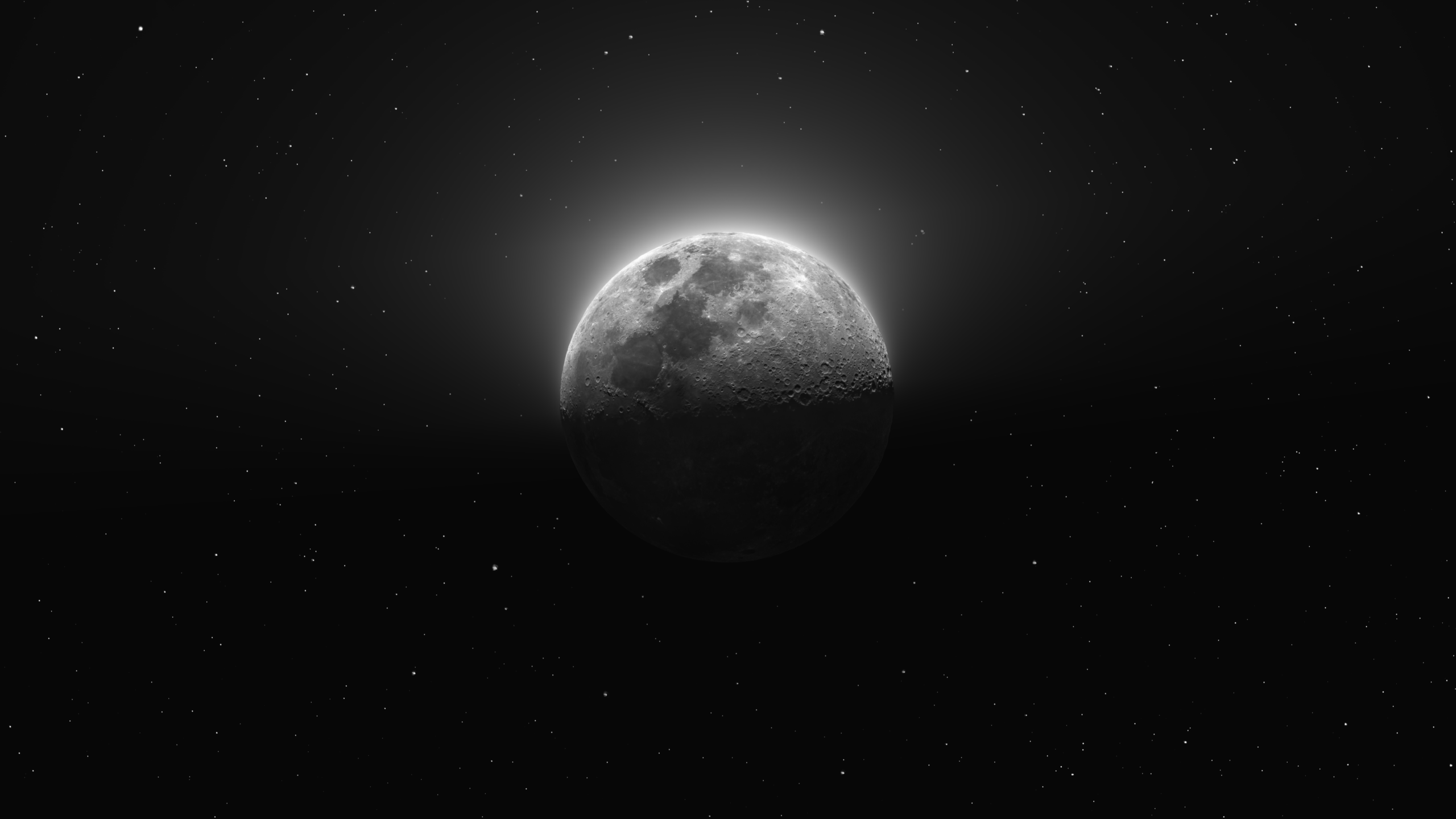

Astrophotographer Zachary Cooper created this magnificent view of March’s first quarter moon, using clever editing to reveal dramatic detail and shadows on the sunlit side, while also capturing the ethereal glow of “earthshine” on its shadowed half. Here’s how he did it.
Dark lunar seas, bright young craters and dramatic shadows dominate the moon’s ancient surface near the line where night and day collide, known as the terminator — or, as Cooper calls it, the “sunset strip”.
However, this is no ordinary picture of the waxing moon. It’s a clever composite, created by capturing and merging multiple photos with different settings to tease out detail on both the sunlit and shadowed sides of the lunar disk.
“Many people are surprised to learn that the night side of the Moon, when facing Earth, isn’t actually completely dark. Sunlight reflecting off the oceans and clouds of Earth slightly illuminates the unlit portion of the Moon, in a phenomenon known as “Earthshine.” However, this gentle glow is incredibly dim when compared to the illuminated side, and it’s impossible to properly capture both in one photograph.”

To compensate, Cooper captured 150 individual 5-millisecond exposures of the moon and combined the best 15 frames to create a detailed view of the sunlit half. He then took a further 100 5-second exposures, combining the top 10 frames to reveal faint earthshine illuminating the dark side.
Cooper’s next challenge was to painstakingly merge the two components into a single, unified image — a task that proved particularly difficult around the terminator, where the two halves met.
“That area is full of intense contrast, which is great for detail, but challenging to blend,” explained the photographer. “To give the final image some depth and context, I kept the stars and lunar glow from the 5 second exposures and softly blended them in around the Moon.”
The end result is a gorgeous portrait of Earth’s natural satellite, which combines the silvery glow and long, detail-laden shadows of the daylight side with the otherworldly suggestion of earthshine.
Celestron Inspire 100AZ
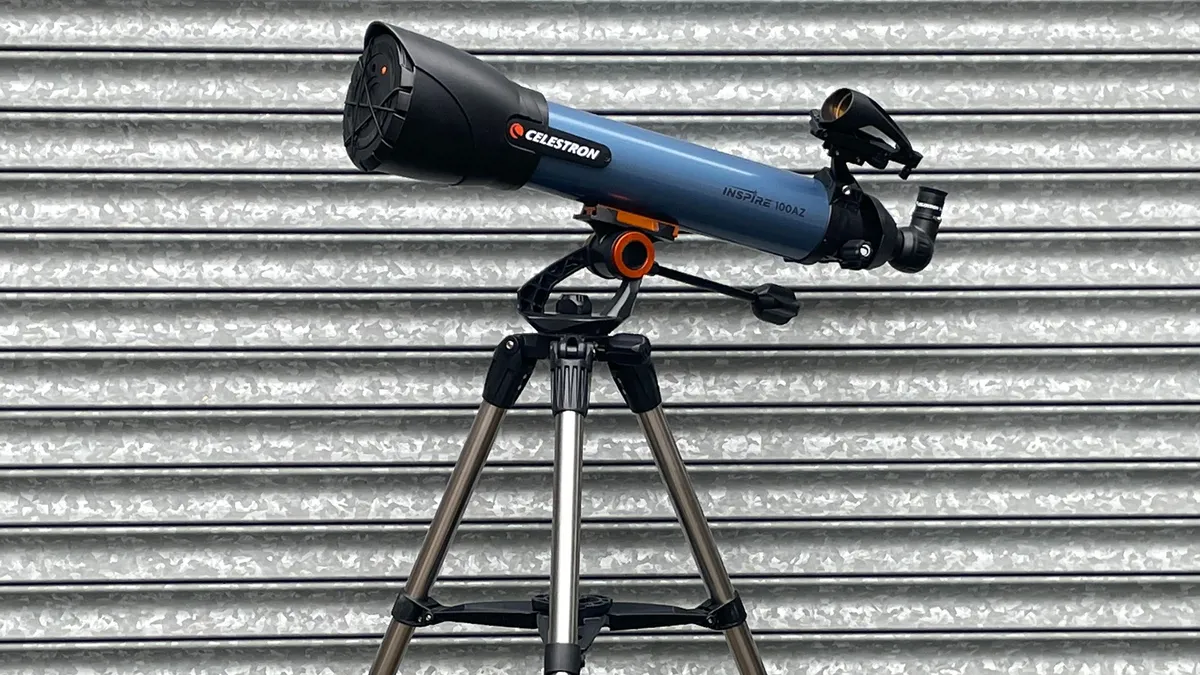
The Celestron Inspire 100AZ is, in our opinion, the best beginner telescope for viewing Earth’s moon and the planets and even provides an opportunity to do some basic astrophotography. Why not take a look at our Celestron Inspire 100AZ review to find out more?
“That moment of completion was incredibly rewarding, as I felt like I had finally represented the first quarter moon as it might appear in person,” continued Cooper. “I often thought of the perspective of the Artemis II astronauts approaching the Moon as I worked on the project. In that way, the image became more than just a photography project. It’s a glimpse of the Moon as a destination, not just something we observe from afar.”
Want to capture your own detailed photos of the moon? Then why not check out our guide to imaging the lunar disk using a DSLR or mirrorless camera? If you’re looking to upgrade your equipment, then you should also peruse our roundups of the best lenses and cameras for astrophotography.
Editor’s Note: If you would like to share your moon photos with Space.com’s readers, then please send your image(s), along with your comments, name and the location of your shoot to spacephotos@space.com.










Related Posts


Stay Informed With the Latest & Most Important News
Previous Post
Next Post

Advertisement
-
 01Two Black Holes Observed Circling Each Other for the First Time
 -
 02From Polymerization-Enabled Folding and Assembly to Chemical Evolution: Key Processes for Emergence of Functional Polymers in the Origin of Life
 -
 03Astronomy 101: From the Sun and Moon to Wormholes and Warp Drive, Key Theories, Discoveries, and Facts about the Universe (The Adams 101 Series)
 -
 04True Anomaly hires former York Space executive as chief operating officer
 -
 05Φsat-2 begins science phase for AI Earth images
 -
 06Hurricane forecasters are losing 3 key satellites ahead of peak storm season − a meteorologist explains why it matters
 -
 07Binary star systems are complex astronomical objects − a new AI approach could pin down their properties quickly