
Now Reading: Sentinel-1D Satellite Completes Commissioning Marking Full Operational Status for Global Earth Observation Constellation
-
01
Sentinel-1D Satellite Completes Commissioning Marking Full Operational Status for Global Earth Observation Constellation

Sentinel-1D Satellite Completes Commissioning Marking Full Operational Status for Global Earth Observation Constellation

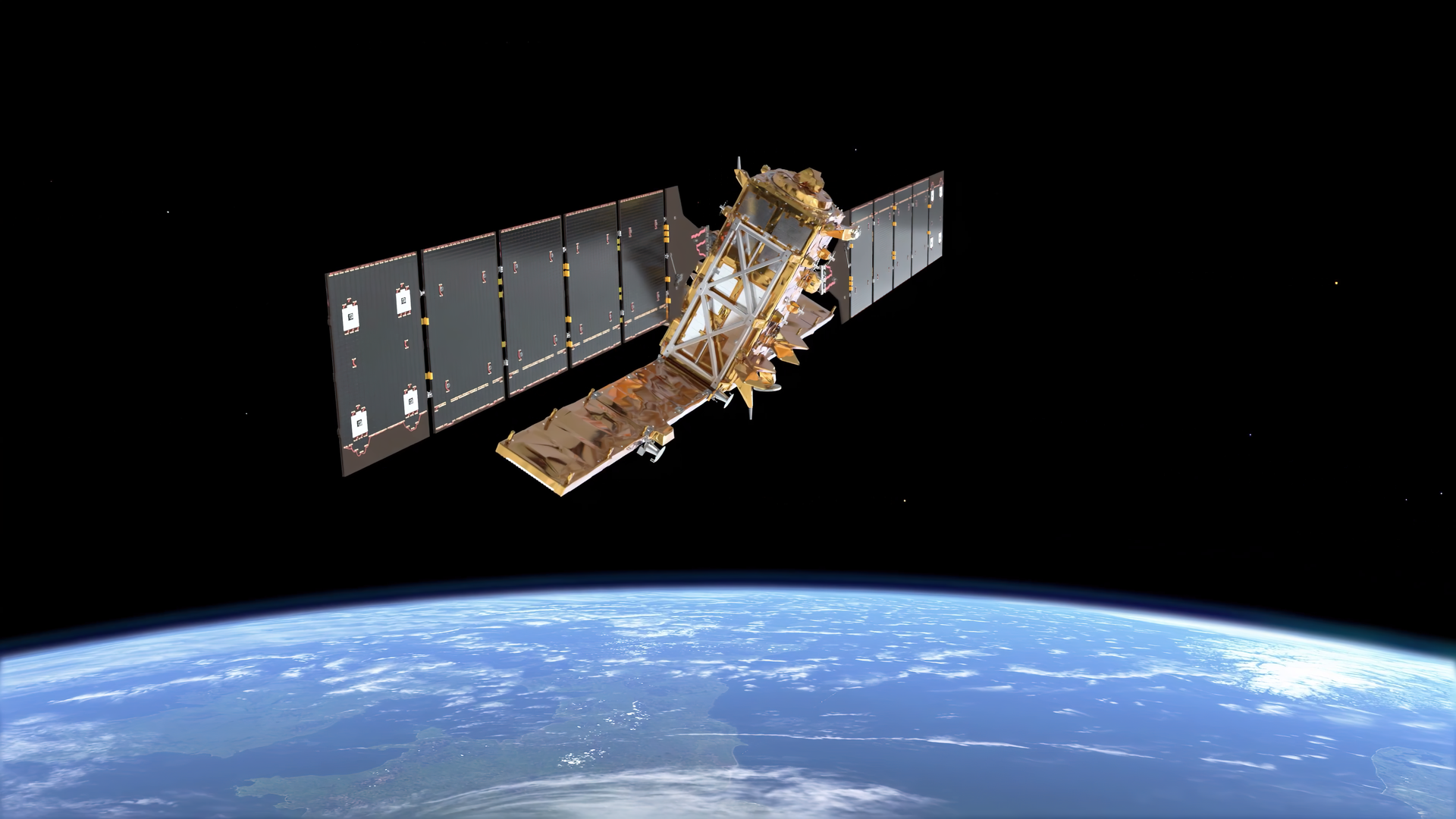

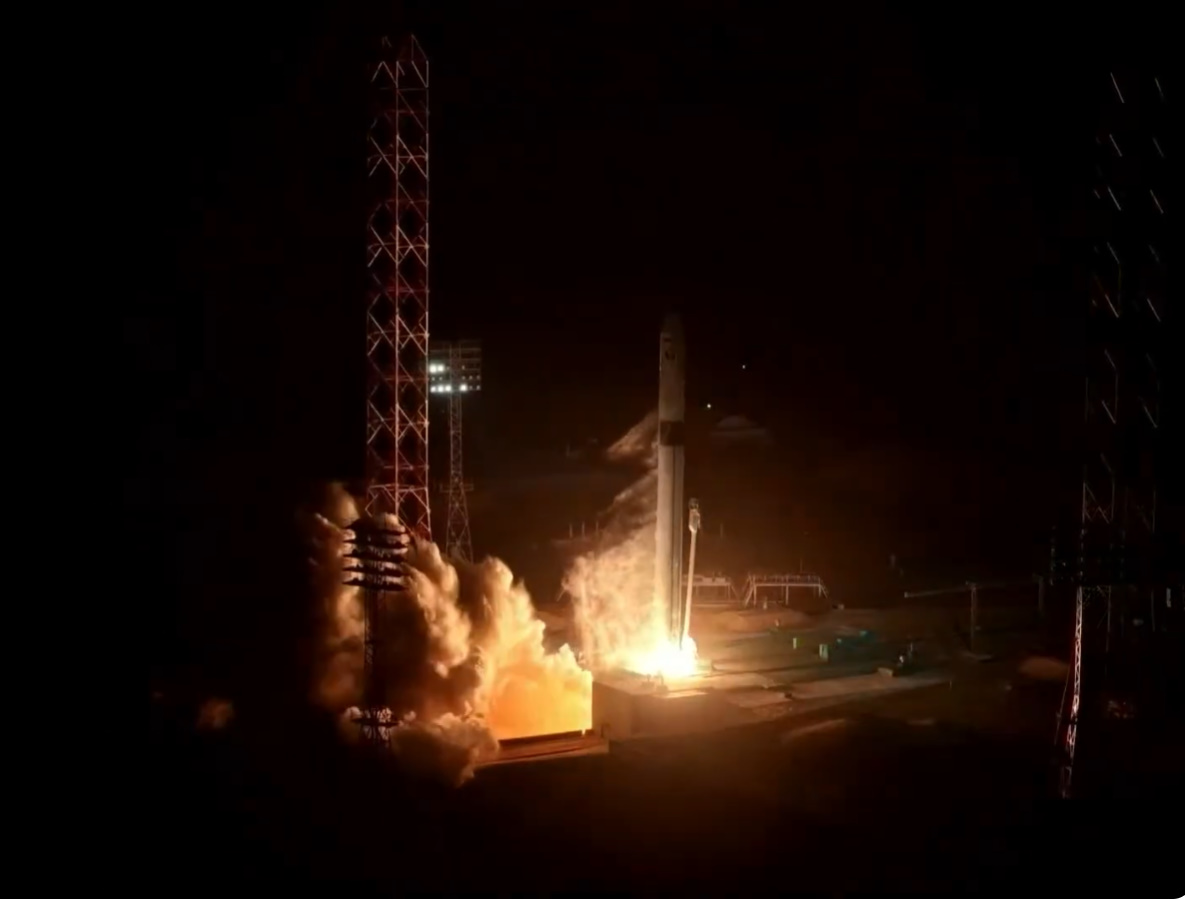
The Copernicus Sentinel-1D satellite, which was launched in November of last year, is now fully operational after successfully completing its critical commissioning phase in orbit. With this development, all four satellites in the Sentinel-1 constellation are active, marking a significant achievement for this premier radar mission’s journey that started over ten years ago, setting the stage for advancements in Earth observation.
The inception of the Sentinel-1 program can be traced back to the launch of Sentinel-1A in 2014, which was more than just the initiation of one satellite; it represented the launch of Copernicus, the European Union’s initiative for Earth observation. The mission’s success has provided assurance that Europe can deliver consistent and high-quality Earth observation data to support various Copernicus Services and beyond.
Designed as a pair of identical satellites orbiting Earth at 180 degrees apart for optimal coverage, the mission expanded with the launch of Sentinel-1B in 2016. While Sentinel-1B’s mission ended due to a technical anomaly in August 2022, the launch of Sentinel-1C in 2024 restored the constellation, followed by Sentinel-1D a year later. Together, these satellites generate high-resolution synthetic aperture radar images of Earth’s surface at any time, regardless of weather conditions. The data they produce is essential for monitoring a range of phenomena, including natural disasters, sea ice, land deformation, and deforestation. Their capability to provide all-weather imaging has become indispensable for scientists, policymakers, and emergency responders across the globe.
One of the most significant aspects of the Sentinel-1 mission is the longevity of its data. The satellites are set to deliver an unprecedented two decades of continuous radar observations, bolstering Europe’s efforts in monitoring climate change and other environmental changes. This extensive dataset offers a reliable foundation for informed decision-making and research during uncertain times.
Additionally, the mission has made strides in promoting sustainability in space. Both Sentinel-1C and Sentinel-1D are features an pioneering separation mechanism designed to mitigate space debris, highlighting the commitment of the European Space Agency (ESA) and the European Commission (EC) to maintaining clean space practices. With the completion of the first-generation Sentinel-1 satellites, officials are already looking forward. ESA’s Sentinel-1 Mission Manager, Nuno Miranda, noted the significance of Sentinel-1 as a trailblazer and cornerstone of European achievements in space.
In preparation for the future, the ESA has been developing the Sentinel-1 Next Generation mission, aimed at ensuring continuity in measurements well into the mid-2030s and beyond. These upcoming satellites are expected to enhance performance and introduce new capabilities, further advancing the legacy of their predecessors to meet evolving scientific and societal needs.










Related Posts
Stay Informed With the Latest & Most Important News
Previous Post
Next Post


Advertisement
-
 01Two Black Holes Observed Circling Each Other for the First Time
 -
 02From Polymerization-Enabled Folding and Assembly to Chemical Evolution: Key Processes for Emergence of Functional Polymers in the Origin of Life
 -
 03Astronomy 101: From the Sun and Moon to Wormholes and Warp Drive, Key Theories, Discoveries, and Facts about the Universe (The Adams 101 Series)
 -
 04True Anomaly hires former York Space executive as chief operating officer
 -
 05Φsat-2 begins science phase for AI Earth images
 -
 06Hurricane forecasters are losing 3 key satellites ahead of peak storm season − a meteorologist explains why it matters
 -
 07Binary star systems are complex astronomical objects − a new AI approach could pin down their properties quickly