
Now Reading: Antarctic Microbe Survival Tests Aboard The International Space Station
-
01
Antarctic Microbe Survival Tests Aboard The International Space Station


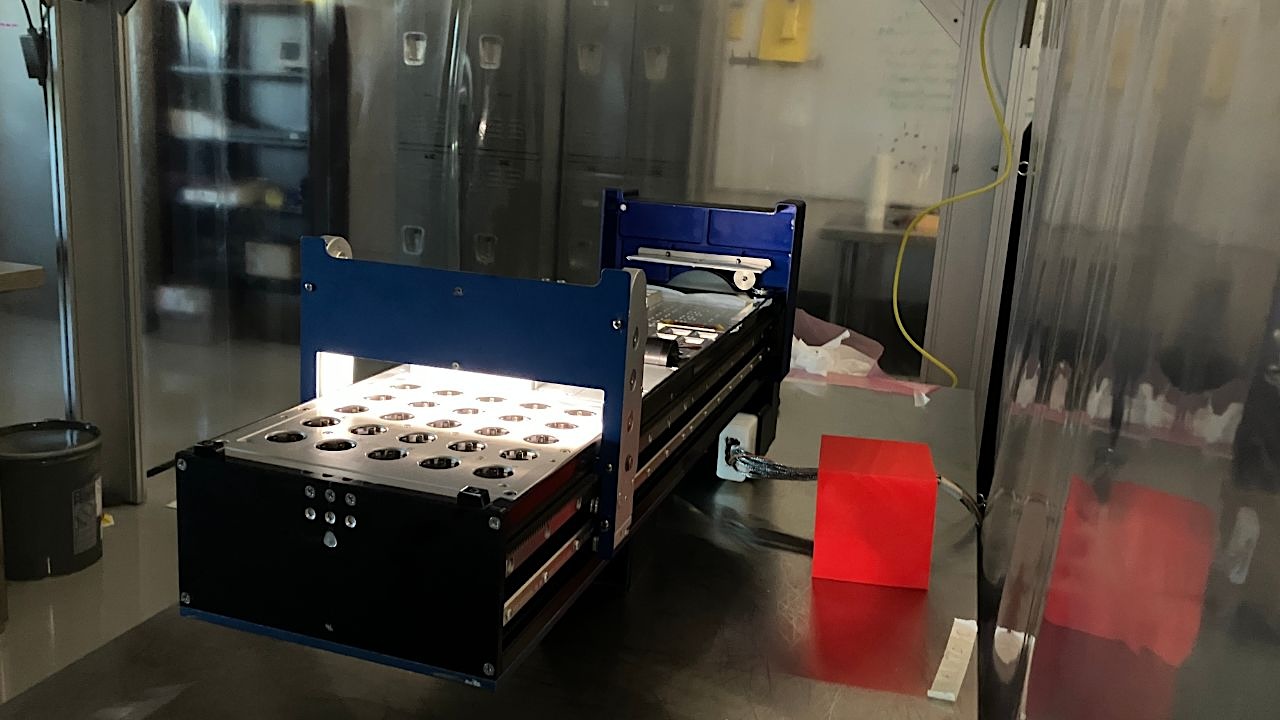
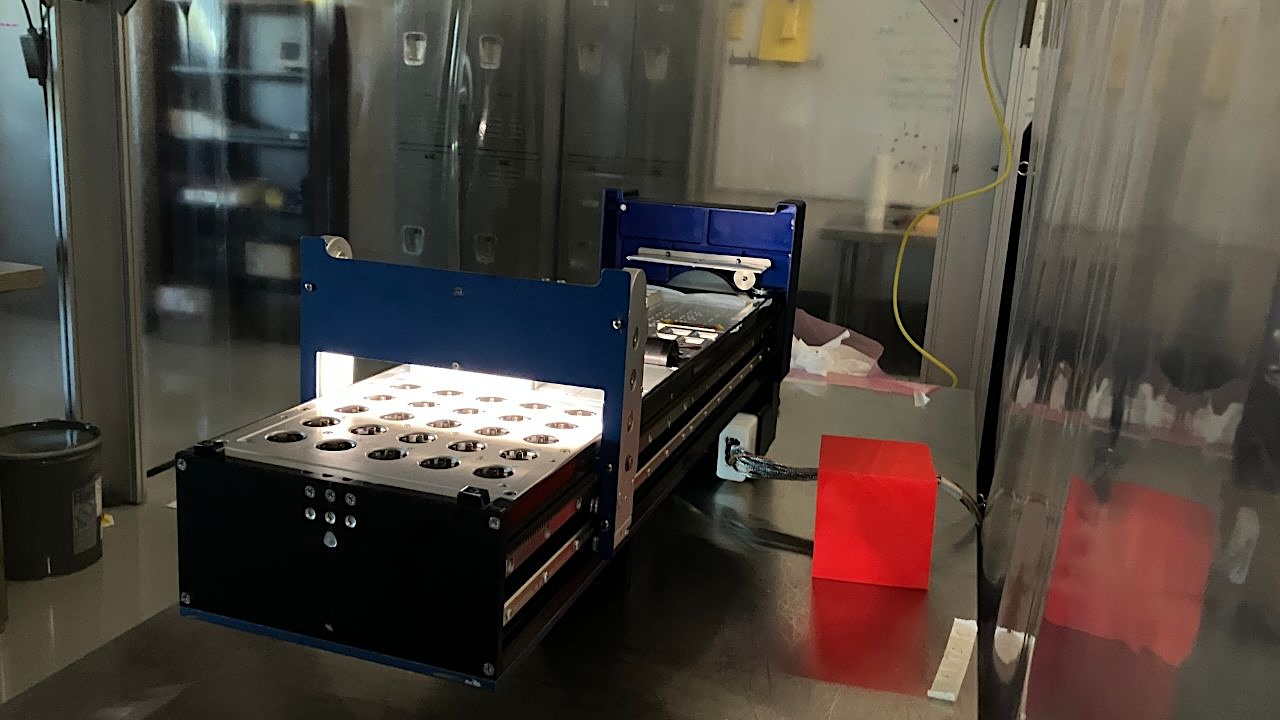
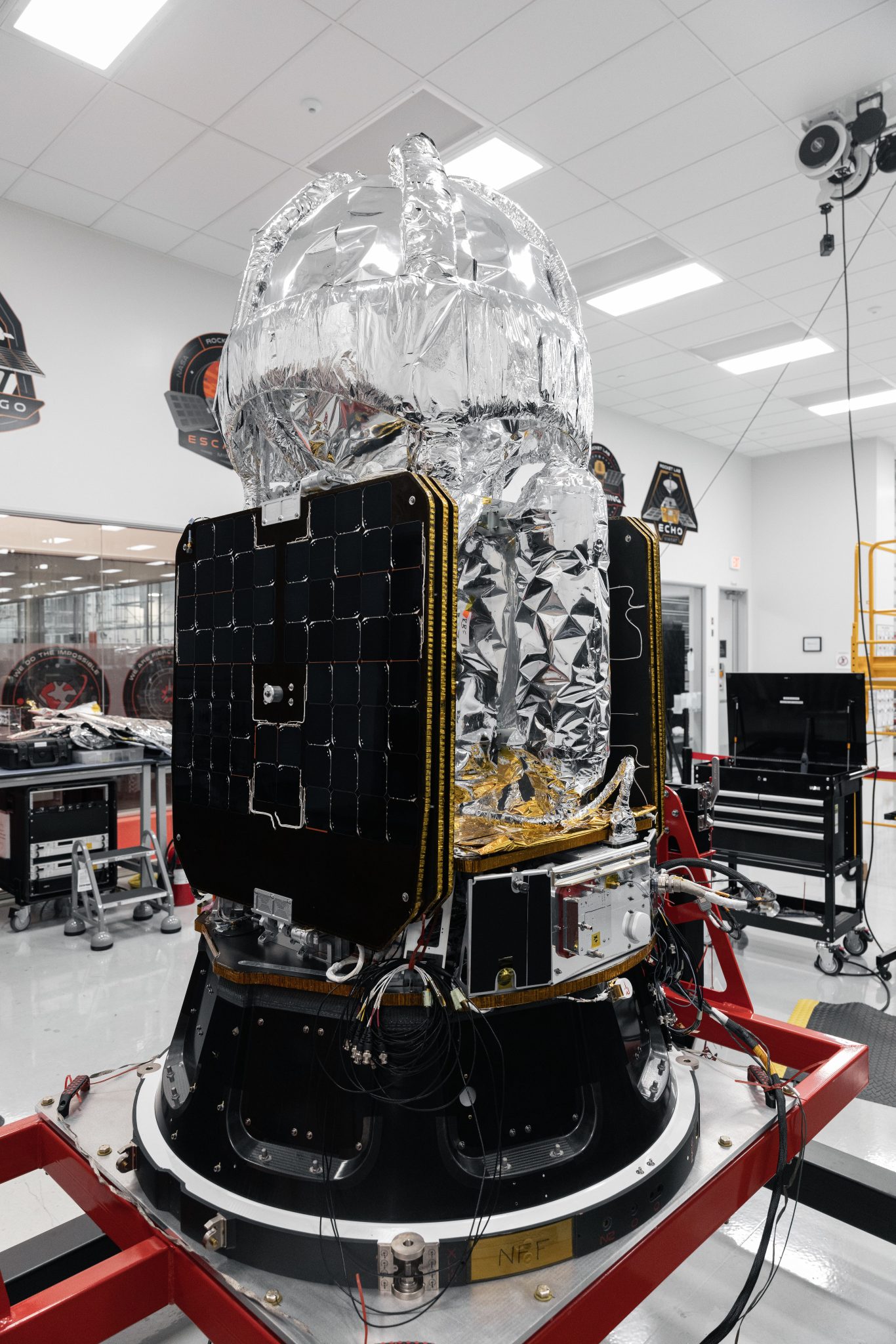
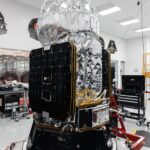
The POLARIS experiment undergoes ground-based testing ahead of integration with the MISSE Flight Facility outside the ISS. Credit: Aegis Aerospace and the U.S. Government
An international team is sending microbes from Antarctica and Chile to the International Space Station (ISS) to study how they withstand radiation and other spaceflight stressors.
The ISS National Laboratory®-sponsored investigation will leverage the MISSE Flight Facility, a permanent platform mounted externally on the space station, to expose the organisms to space for approximately six months.
The Polar Organisms Launched for Astrobiology Research in Ionizing Space (POLARIS) project will study six extremophiles, microorganisms naturally equipped to endure some of Earth’s most unforgiving environments.
Funded by the Air Force Office of Scientific Research (AFOSR), the project brings together the Department of Defense Space Test Program, the U.S. Air Force Academy, Aegis Aerospace, Radix–Lucis, and Biociencia Fundación Científica y Cultural, in collaboration with the U.S. Embassy in Chile and AFOSR’s Southern Office of Aerospace Research and Development.
Previous ISS National Lab-sponsored research has shown that spaceflight alters how microbes grow and function. Building on this work, POLARIS will expose three types of bacteria and three types of archaea, a group of single-celled organisms distinct from bacteria and known for thriving in harsh environments. After the organisms return to Earth, researchers will analyze them for genetic, structural, and protein-level changes.
“Extremophiles have evolved remarkable ways to survive radiation, dryness, low oxygen, and other harsh conditions on Earth,” said the project’s principal investigator Jenny Blamey, scientific director at Fundación Científica y Cultural Biociencia and an associate professor at the Universidad de Santiago de Chile.
“By exposing these organisms to space and bringing them back for analysis, we hope to learn more about how life survives in extreme environments and how those survival mechanisms could support future space exploration and industrial applications.”
By comparing space-exposed microbes with Earth-based controls, researchers aim to identify biological traits linked to radiation resistance and survival under stress. These insights could help scientists develop more resilient biological systems for space while advancing applications in pharmaceuticals, materials science, and other industries on Earth.
The research is scheduled to launch no sooner than May 13, 2026, May 14, 2026 on NASA’s SpaceX Commercial Resupply Services 34 mission from Cape Canaveral Space Force Station in Florida. The mission will carry more than 25 ISS National Lab-sponsored investigations to the space station.
These projects span a wide range of scientific disciplines and could help improve cancer therapeutics, develop new materials, and move new stem cell research toward clinical use.
For more information about the research launching on this mission, visit the SpaceX CRS-34 launch page at ISSNationalLab.org.
About the International Space Station (ISS) National Laboratory:
The International Space Station (ISS) is a one-of-a-kind laboratory that enables research and technology development not possible on Earth. As a public service enterprise, the ISS National Laboratory® allows researchers to leverage this multiuser facility to improve quality of life on Earth, mature space-based business models, advance science literacy in the future workforce, and expand a sustainable and scalable market in low Earth orbit. Through this orbiting national laboratory, research resources on the ISS are available to support non-NASA science, technology, and education initiatives from U.S. government agencies, academic institutions, and the private sector. The Center for the Advancement of Science in Space® (CASIS®) manages the ISS National Lab, under Cooperative Agreement with NASA, facilitating access to its permanent microgravity research environment, a powerful vantage point in low Earth orbit, and the extreme and varied conditions of space. To learn more about the ISS National Lab, visit our website.
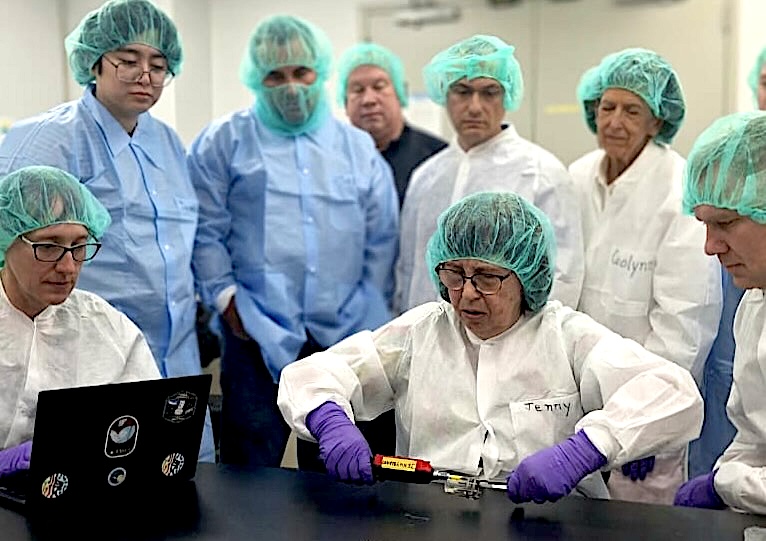
AFOSR Space Biosciences Program Prepares to Launch Extremophiles to the ISS for POLARIS Mission
U.S. Embassy, Chile – The Air Force Office of Scientific Research (AFOSR), the basic research arm of the Air Force Research Laboratory, is proud to announce the upcoming launch of the POLARIS (Polar Organisms Launched for Astrobiology Research in Ionizing Space) mission, with a launch planned for mid-May 2026. This landmark experiment will test the limits of biological endurance by sending unique extremophiles to the International Space Station (ISS).
POLARIS represents a strong international and interagency collaboration. The effort is managed by the AFOSR Space Biosciences Program and supported by AFOSR’s international office for the region. Scientific execution is led by the Principal Investigator from Chile’s Fundación Biociencia, in partnership with the Department of Defense Space Test Program (DoD STP) and the U.S. Air Force Academy (USAFA).
Leveraging expertise in space biosciences and extremophiles, the project integrates microbiology, molecular biology, and biochemical analysis. Several highly resilient microorganisms cultivated from extreme terrestrial environments will be exposed to the space environment for six months aboard the ISS MISSE facility.
Notably, the experiment includes a Chilean Deinococcus strain capable of surviving exceptionally high radiation levels, far exceeding human tolerance. By comparing space-exposed samples with Earth-based controls, researchers will assess morphological, genomic, and proteomic changes to identify genes and proteins responsible for exceptional radiation resistance, DNA repair mechanisms, and long-term survival.
A primary objective of POLARIS is translating these biological survival strategies into future operational capabilities for the warfighter, such as enhancing personnel survivability and logistical efficiency in austere environments. Beyond its defense relevance, POLARIS highlights the strength of international scientific partnerships and collaborative research.”
Astrobiology, Extremophile, Genomics, Microgravity,










Related Posts
Stay Informed With the Latest & Most Important News
Previous Post
Next Post
Advertisement
-
 01Two Black Holes Observed Circling Each Other for the First Time
 -
 02From Polymerization-Enabled Folding and Assembly to Chemical Evolution: Key Processes for Emergence of Functional Polymers in the Origin of Life
 -
 03Astronomy 101: From the Sun and Moon to Wormholes and Warp Drive, Key Theories, Discoveries, and Facts about the Universe (The Adams 101 Series)
 -
 04True Anomaly hires former York Space executive as chief operating officer
 -
 05Φsat-2 begins science phase for AI Earth images
 -
 06Hurricane forecasters are losing 3 key satellites ahead of peak storm season − a meteorologist explains why it matters
 -
 07Binary star systems are complex astronomical objects − a new AI approach could pin down their properties quickly