
Now Reading: Artemis II AVATAR (A Virtual Astronaut Tissue Analog Response)
-
01
Artemis II AVATAR (A Virtual Astronaut Tissue Analog Response)


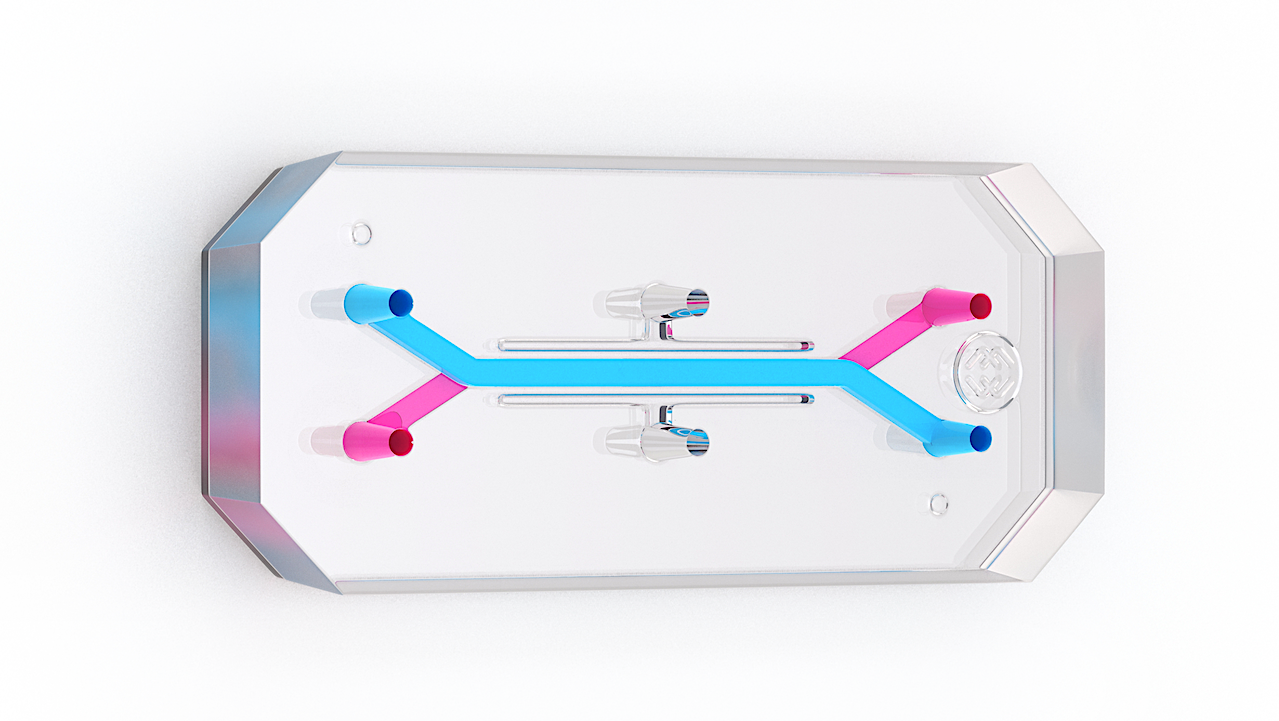
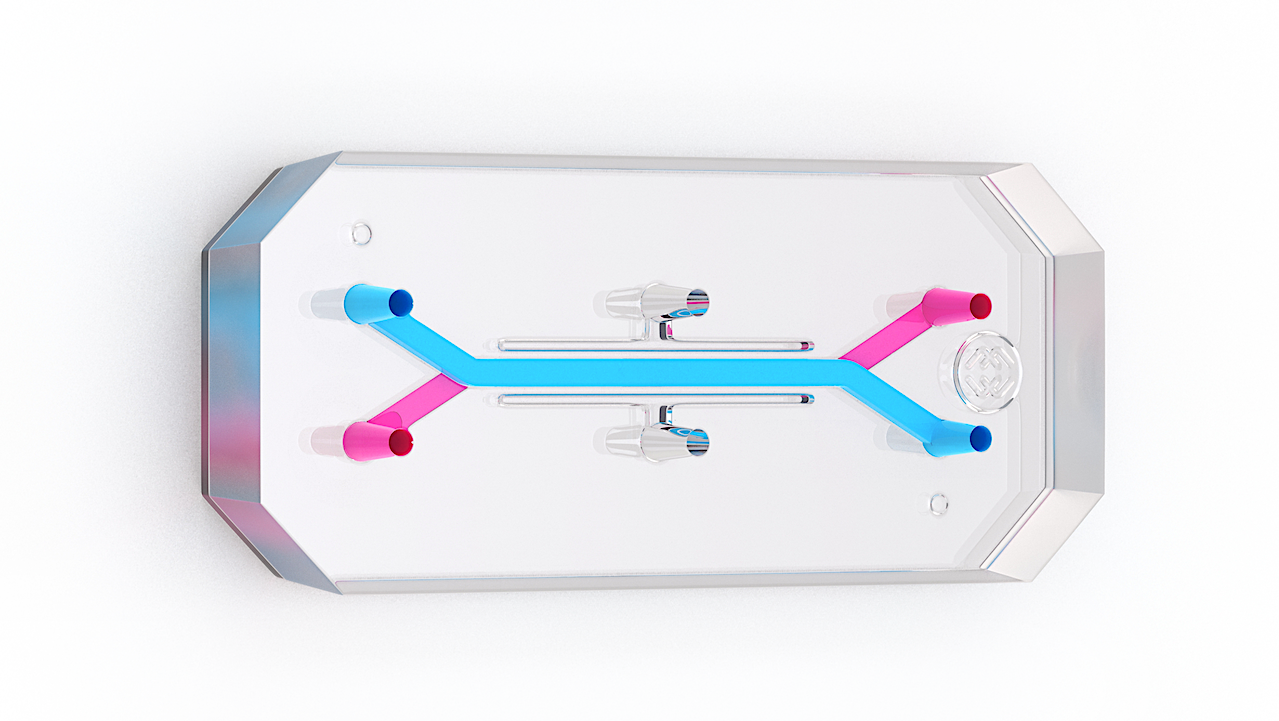
The AVATAR (A Virtual Astronaut Tissue Analog Response) investigation will use organ-on-a-chip devices, or organ chips, to study a effects of increased radiation and microgravity on human health.
Using innovative tissue chips containing astronaut cells, researchers will examine how radiation and microgravity impact human tissue. This research will help inform medical strategies for future long-duration missions to Mars and beyond. The findings could also contribute to biomedical advancements for patients on Earth, such as cancer treatments and pharmaceuticals.
Artemis II AVATAR is a small experiment flying aboard Artemis II that could lead to big impacts in healthcare, both for astronauts in space and citizens on Earth.
—–
10 Things to Know About Tissue Chips and How They Benefit Humanity
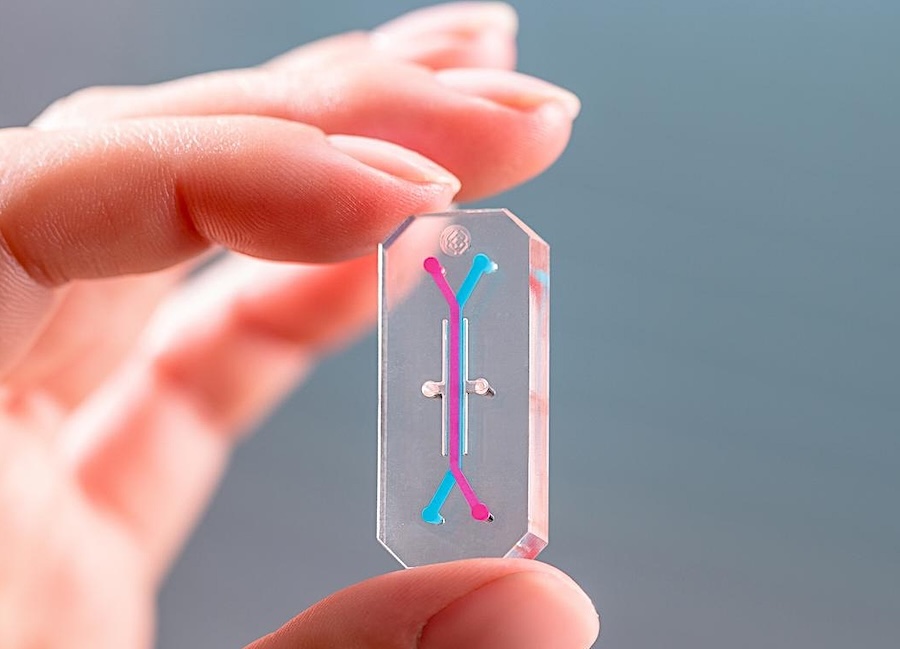
Tissue(s)-on-a-chip (tissue chips) as small as the size and shape of a USB drive are used to study how human tissues respond to extreme stressors (like radiation) and therapeutic treatments (such as pharmaceuticals).
The chips contain cell cultures that model the structures and functions of specific human tissues and organs—such as the lungs, heart, pancreas, and liver—and can be linked together to mimic entire physiological systems, such as the blood circulatory system.
Tissue chips can be made from adult human cells donated by volunteers.
They be created from a simple blood draw, skin cells, or stored cell cultures.
The cells can be differentiated (or “turned”) into specialized cell types of the tissues researchers want to study.
Space stressors, like microgravity and radiation, can accelerate changes associated with diseases, such as atherosclerosis and bone loss, that normally take many years to manifest on Earth—enabling researchers to study the causes of these changes much more quickly.
Since tissue chips are made directly from human cells, they are considered more ‘authentic’ models for comparing scientific and biomedical data and can be used to understand why and how the human body adapts to changes in the spaceflight environment and other extreme conditions.
Tissue-chip research could be used to develop improved preventative measures and create personalized medical treatments for humans, both on Earth and in space.
NASA, the Center for the Biomedical Advanced Research and Development Authority, the National Institutes of Health, Food and Drug Administration, and other government agencies are collaborating on tissue chip research to obtain fundamental scientific data to close critical knowledge gaps of human biology.
NASA plans to send tissue chips to the Moon for the first time on future Artemis missions, which will enable researchers to gather information about the effects of different gravity levels and deep-space radiation.
Astrobiology, Space Biology, Space Medicine, nanotechnology, SynBio,










Related Posts
Stay Informed With the Latest & Most Important News
Previous Post
Next Post




Advertisement
-
 01Two Black Holes Observed Circling Each Other for the First Time
 -
 02From Polymerization-Enabled Folding and Assembly to Chemical Evolution: Key Processes for Emergence of Functional Polymers in the Origin of Life
 -
 03Astronomy 101: From the Sun and Moon to Wormholes and Warp Drive, Key Theories, Discoveries, and Facts about the Universe (The Adams 101 Series)
 -
 04True Anomaly hires former York Space executive as chief operating officer
 -
 05Φsat-2 begins science phase for AI Earth images
 -
 06Hurricane forecasters are losing 3 key satellites ahead of peak storm season − a meteorologist explains why it matters
 -
 07Binary star systems are complex astronomical objects − a new AI approach could pin down their properties quickly