The giant planets in our solar system—Jupiter, Saturn, Uranus, and Neptune—have challenged our understanding of planetary formation and evolution. Specifically, their atmospheric formations and compositions have provided awe-inspiring images from


The giant planets in our solar system—Jupiter, Saturn, Uranus, and Neptune—have challenged our understanding of planetary formation and evolution. Specifically, their atmospheric formations and compositions have provided awe-inspiring images from
The GSI Helmholtzzentrum für Schwerionenforschung and the international accelerator facility FAIR have made an important contribution to the success of the Artemis II moon mission. A camera specially developed for
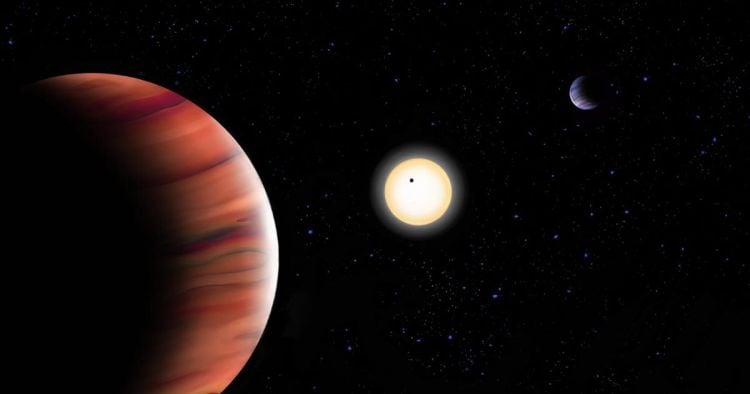
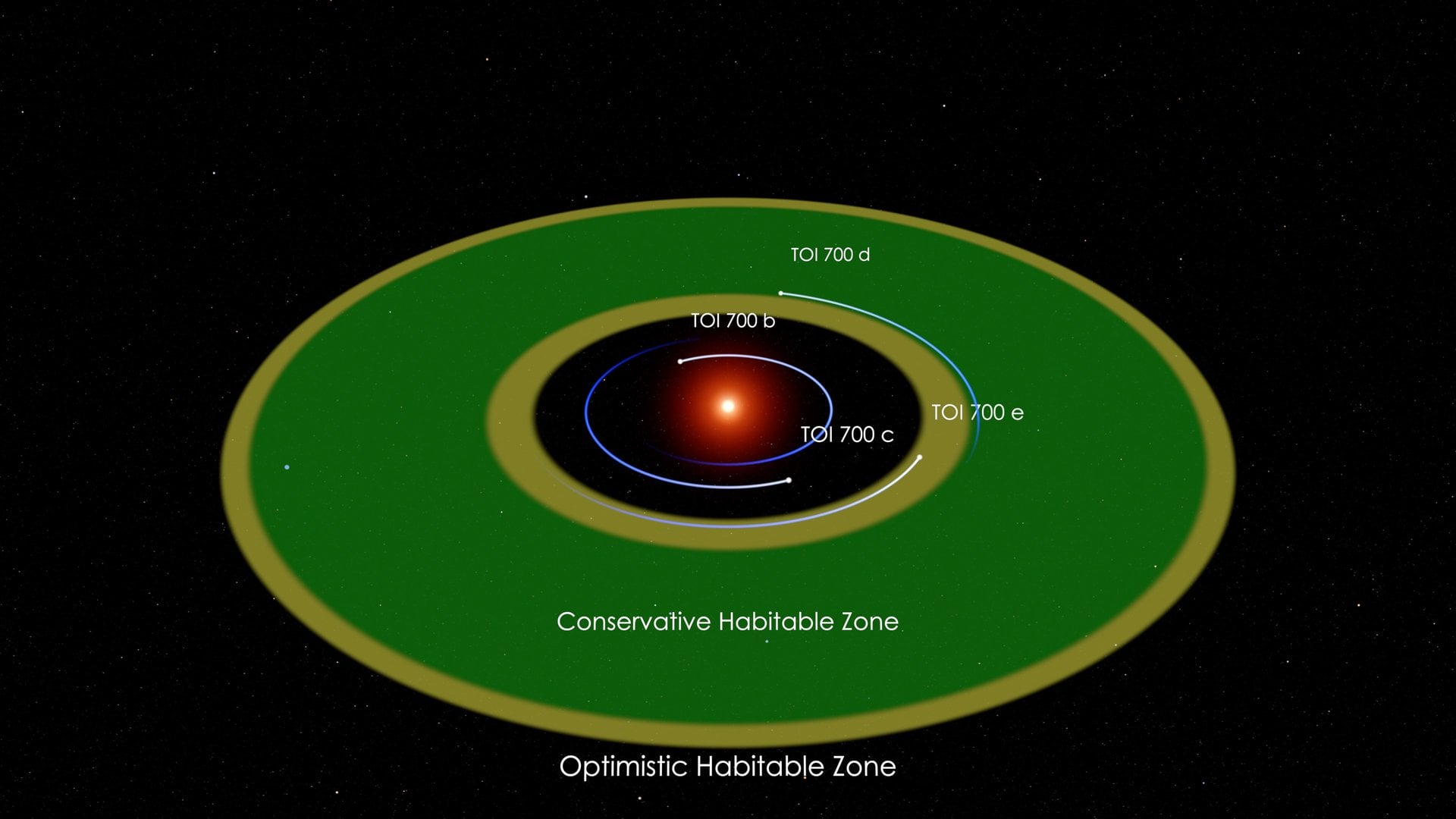
It turns out that even after studying our solar system in depth and discovering more than 6,100 exoplanets across more than 4,500 exoplanetary systems, not all solar systems are created
In the exotic world of particle physics, neutrinos may be the most mysterious members. They rarely interact with other matter, have almost no mass, and have no electrical charge. These
The Moon has played a huge role in the development of Earth. It stabilizes the planet, tempered dramatic climate swings, and possibly even provided the tidal heating that might have
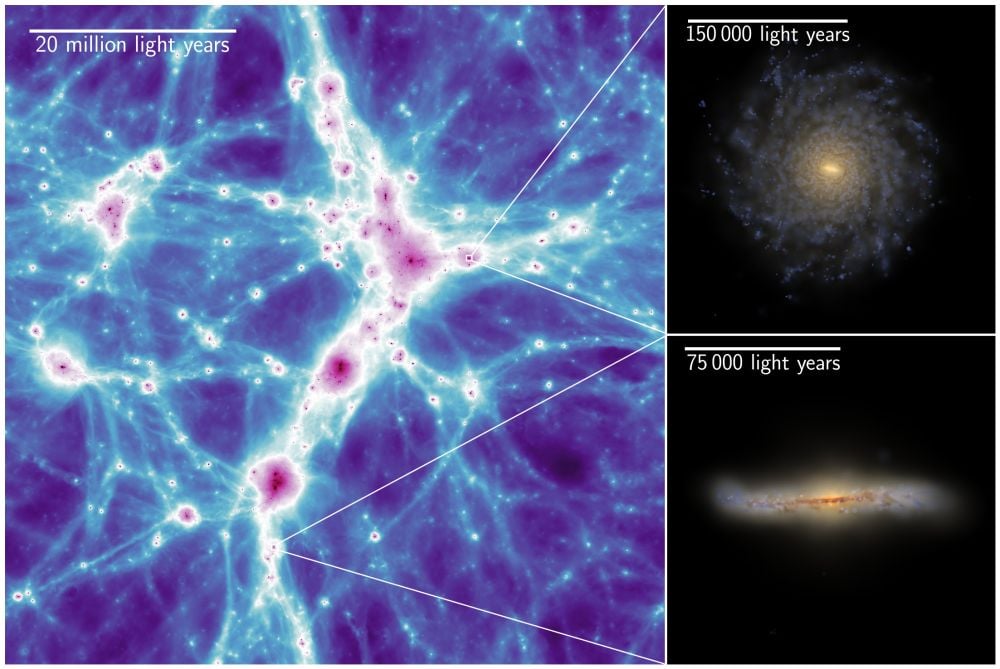
The new Colibre cosmological simulation includes more critical detail than previous simulations. It also includes updated models of things like AGN feedback and star formation. The simulations also include a
A team of astrophysicists from Nanjing University and University of Bonn have demonstrated that, rather than being random, the mass of new stars born inside a star cluster is actually
For observers on Earth, the sun appears as a bright, familiar disk—but what we see is only half the story. Like the moon, one half of the sun is permanently
Messier 104, nicknamed the Sombrero Galaxy, is a popular target for amateur observing and astronomical research. Its recognizable extended halo, as well as a faint stellar stream, are captured in
The Large High Altitude Air Shower Observatory (LHAASO) has detected PeV (1015 eV) gamma-ray emission from a pulsar wind nebula powered by PSR J1849-0001 in the constellation Aquila, marking the