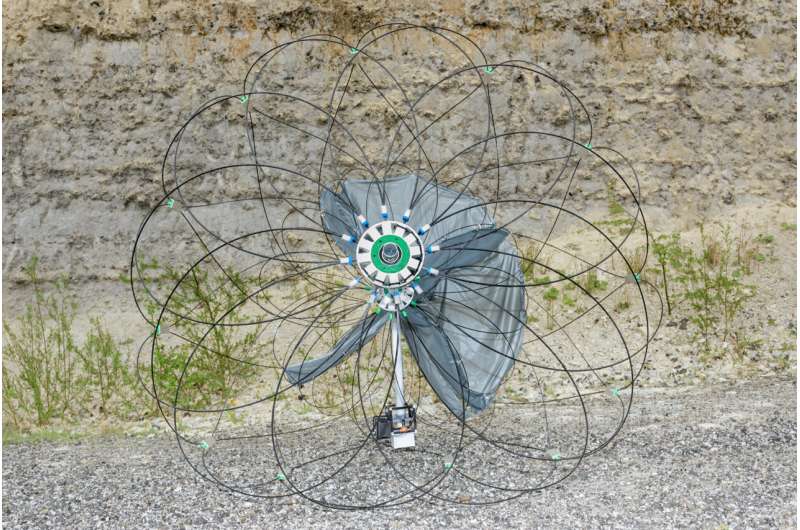
Tumbleweeds offer iconic visual depictions of desolate landscapes. Though typically associated with the American West, the most common type of tumbleweed actually originated in Europe, and is known scientifically as


Tumbleweeds offer iconic visual depictions of desolate landscapes. Though typically associated with the American West, the most common type of tumbleweed actually originated in Europe, and is known scientifically as
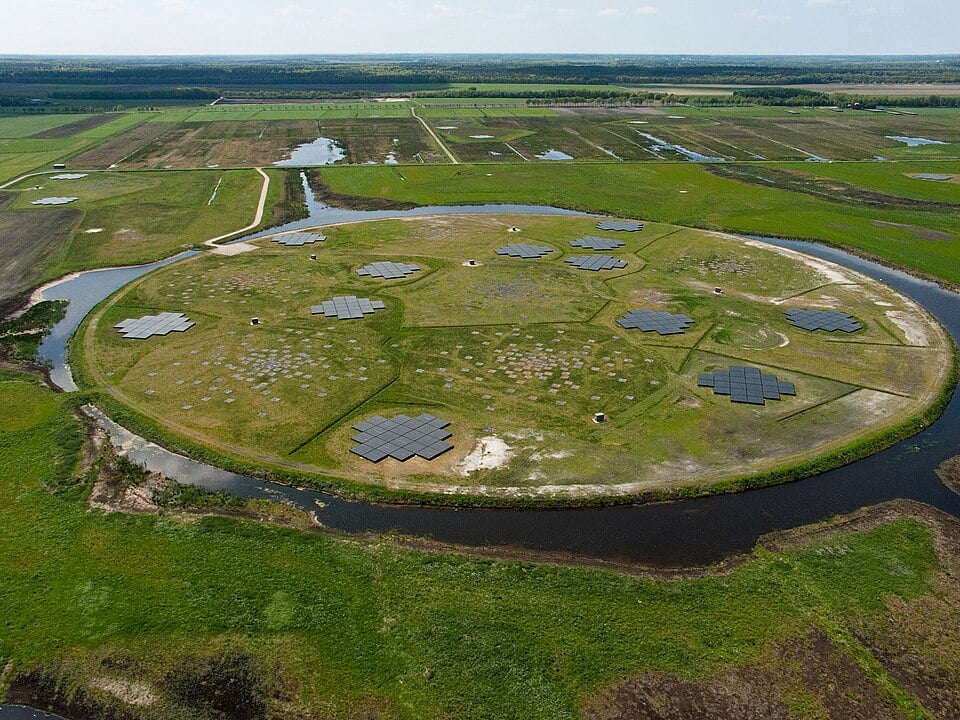
Visual observations have, over the years had to battle light pollution, weather, aircraft and even satellite constellations. Radio observations have until recently, been reasonably well protected however in their attempt
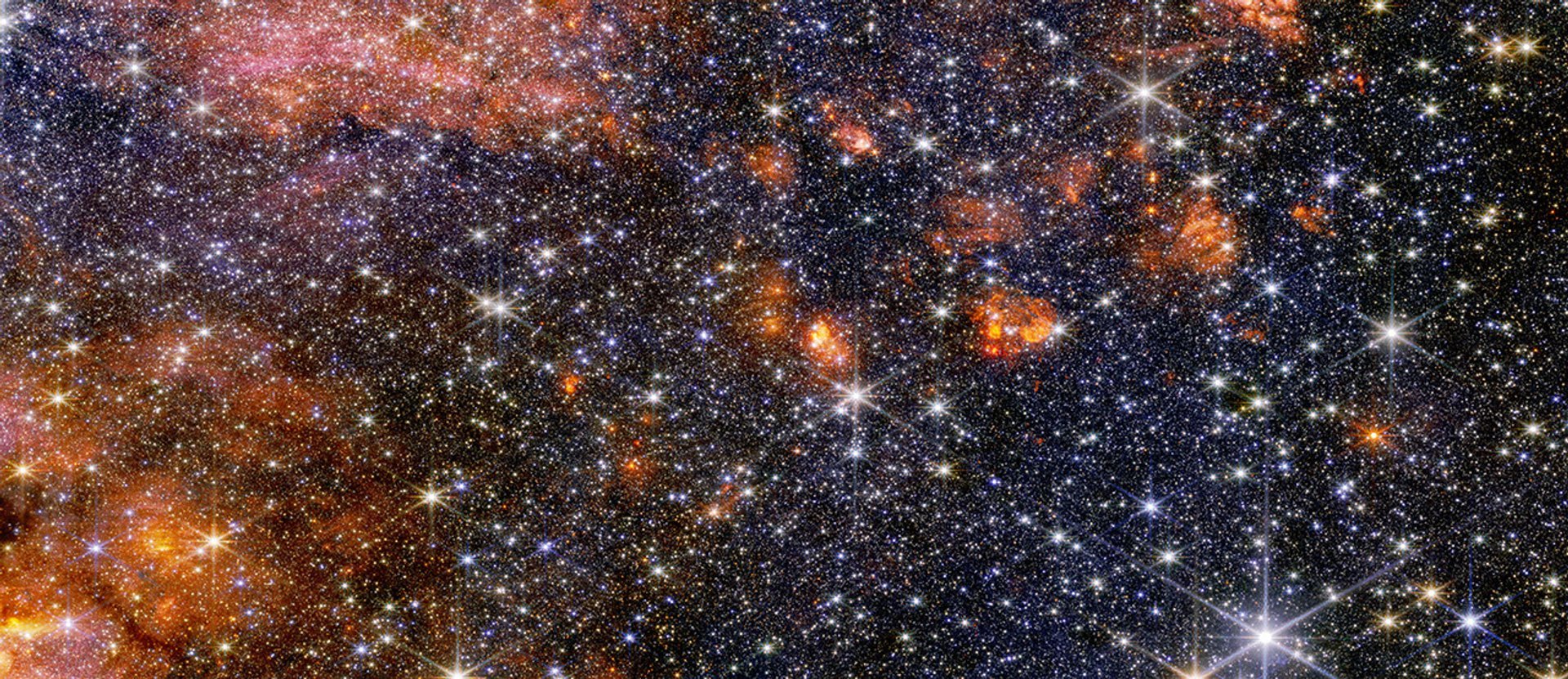
NASA’s James Webb Space Telescope has revealed a colorful array of massive stars and glowing cosmic dust in the Sagittarius B2 molecular cloud, the most massive and active star-forming region
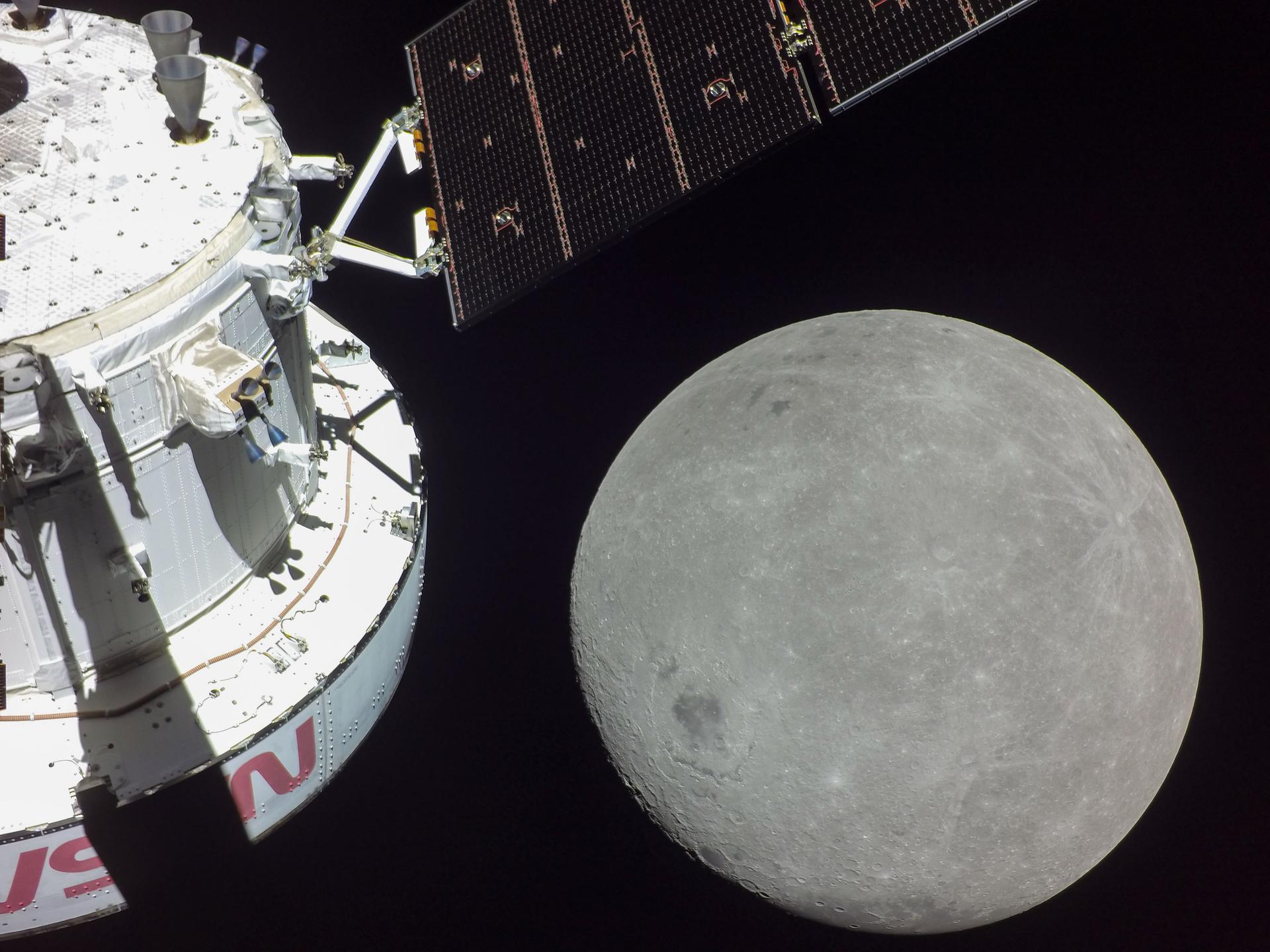
NASA announced that Artemis II, the first crewed mission to the Moon since the Apollo Era, will launch by February 2026. The crew has named their spacecraft “Integrity” to honor
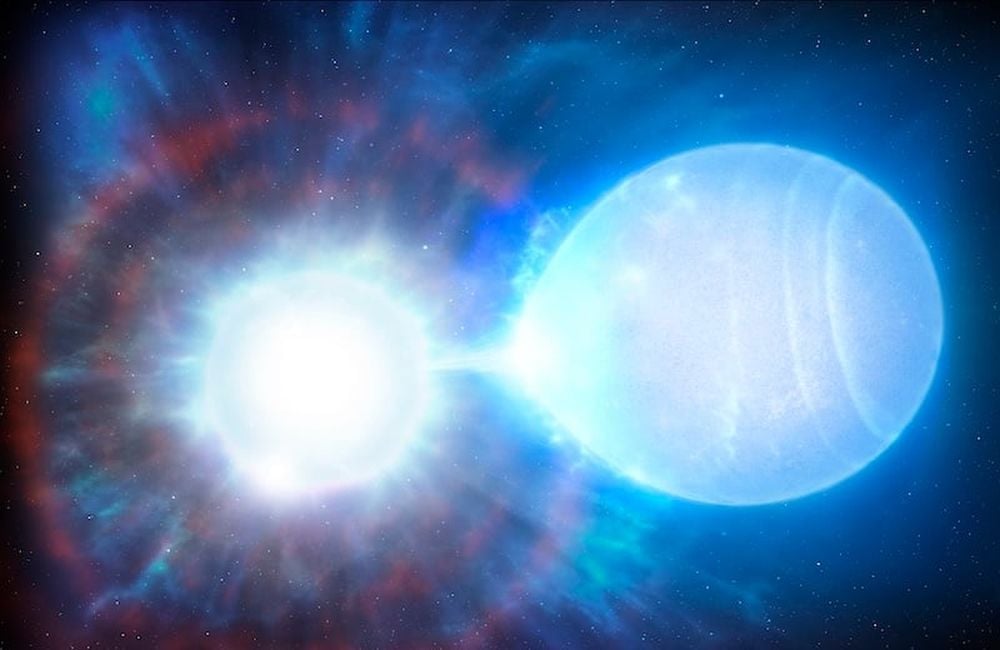
A new article published in The Astrophysical Journal explores a new theory of how Type Ia supernovae, the powerful stellar explosions that astronomers use to measure distances across the universe,
Star formation is a fundamental physical process in our universe. Stars light up the cosmos, and give rise to planets, some of which may support life. While humans have no
Strong Northern Lights-like activity is the standout feature of today’s weather report, which is coming at you from a strange, extrasolar world, instead of a standard TV studio. That is
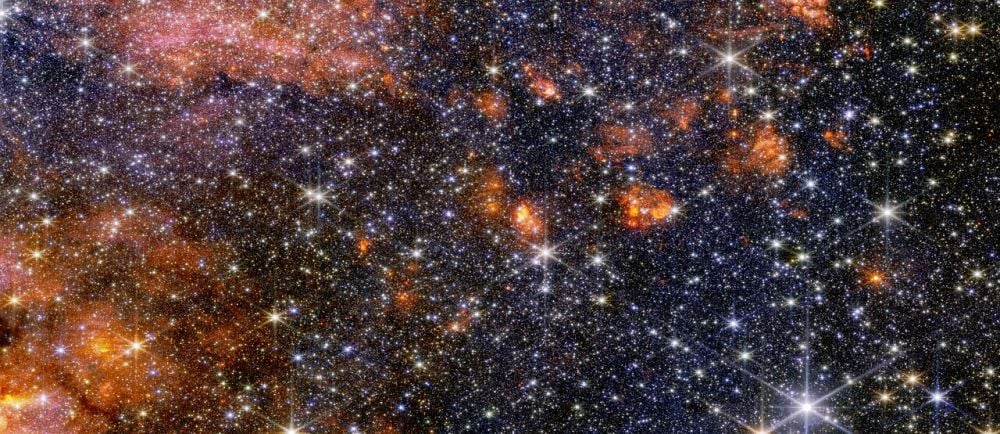
The JWST examined the most vigorous star-forming region in the entire galaxy. It’s called Sagittarius B2, and while astronomers have studied it in detail, no other telescope reveals its details
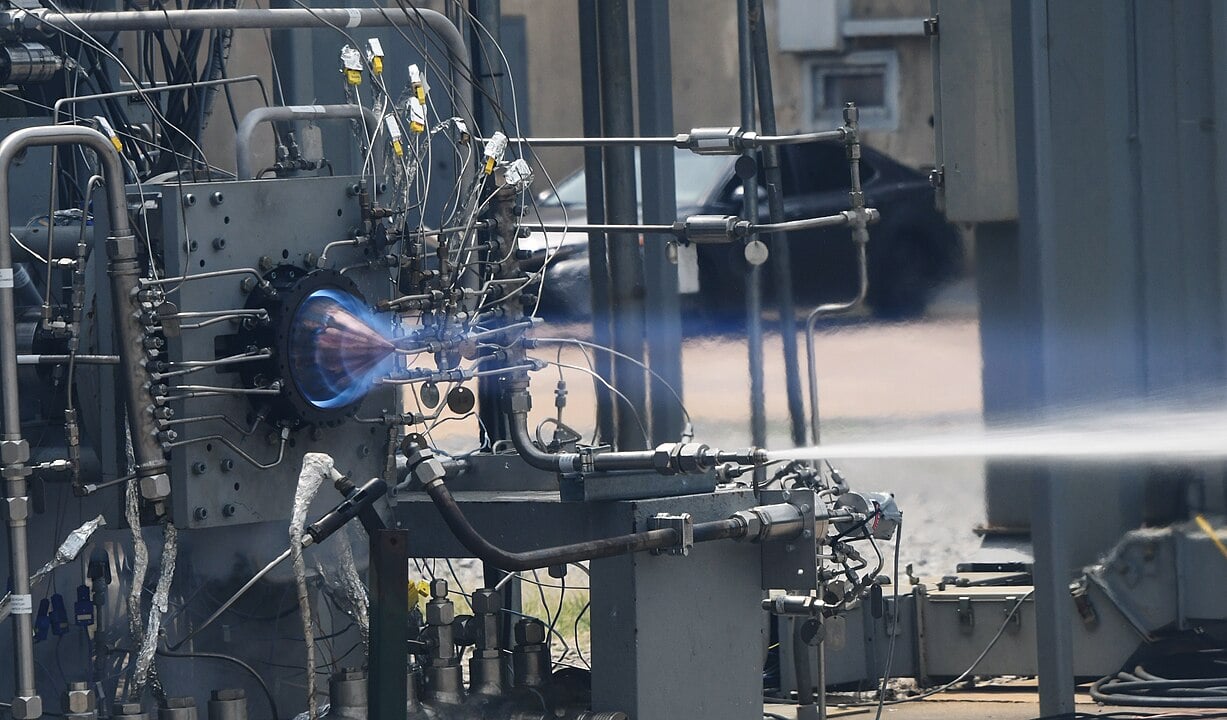
Imagine an engine with no moving parts that runs on continuous explosions. I’m actually sure I one saw a hilarious video of such a device some years ago but alas,
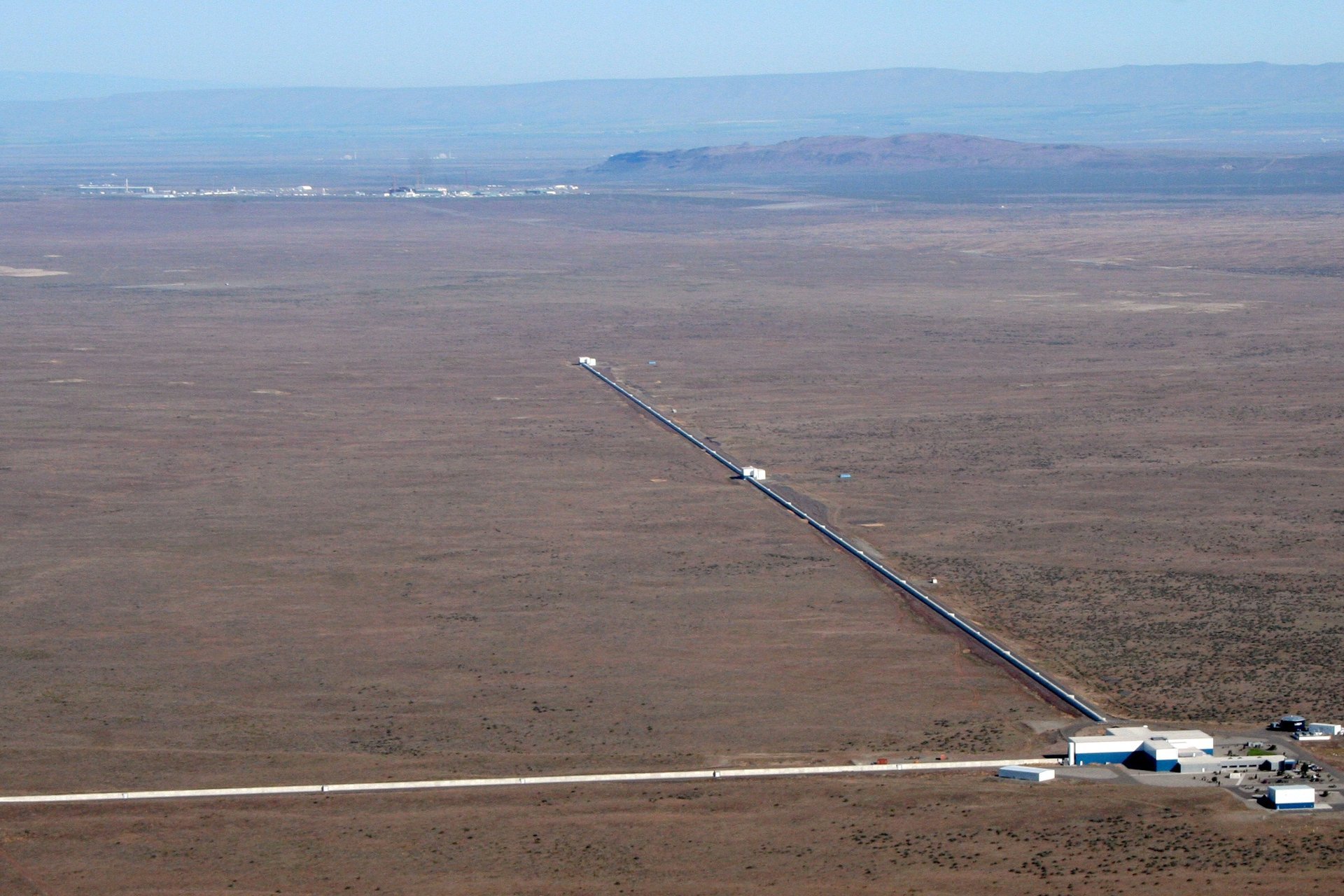
Interference from human activity has always been a sticking point in astronomical observations. Radio astronomy is notoriously sensitive to unintentional interference – hence why there are “radio silent” zones near