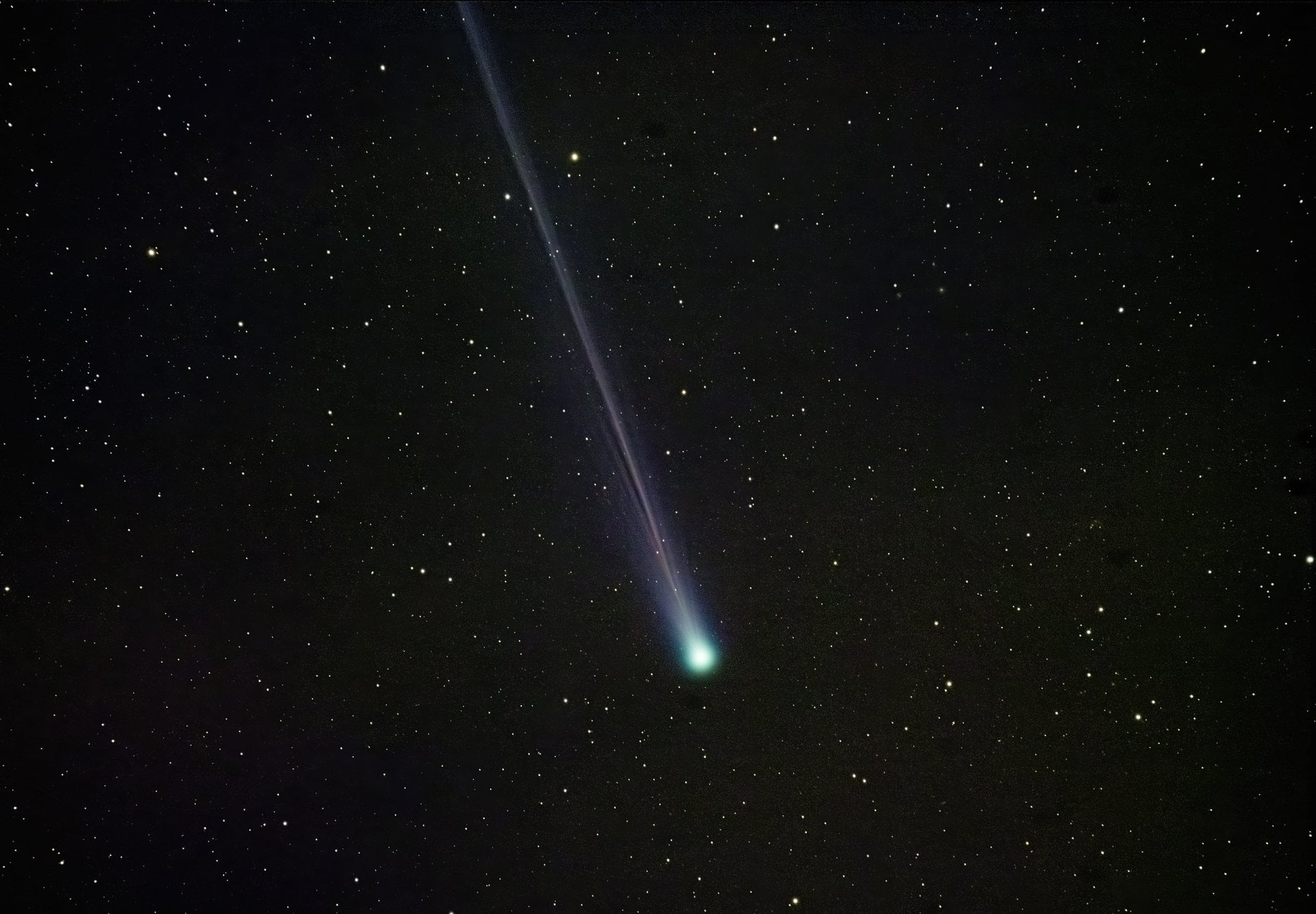
We’re one comet down, and one to go for spring season 2026. We recently wrote about prospects for sungrazer C/2026 A1 MAPS and comet C/2025 R3 Pan-STARRS in April 2026.


We’re one comet down, and one to go for spring season 2026. We recently wrote about prospects for sungrazer C/2026 A1 MAPS and comet C/2025 R3 Pan-STARRS in April 2026.
European astronomers have used the Atacama Large Millimeter Array (ALMA) and the James Webb Space Telescope (JWST) to observe a recently discovered giant disk galaxy known as ADF22.1. Results of
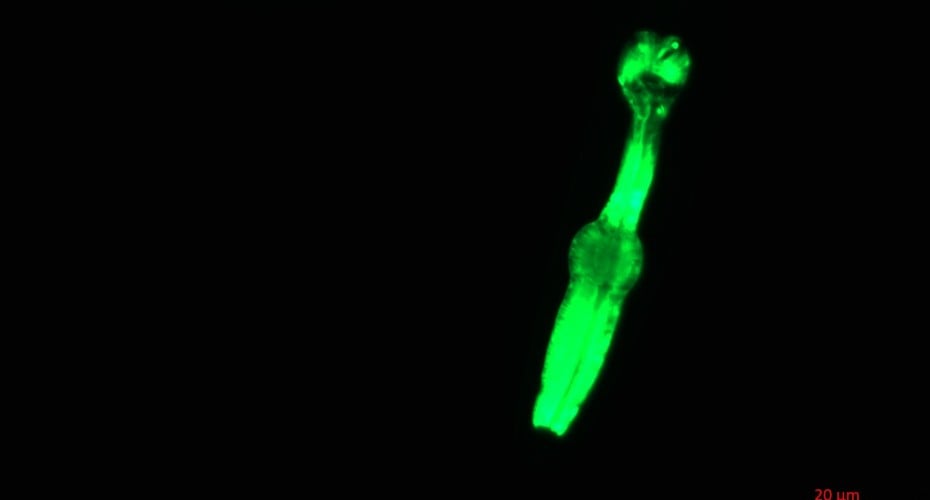
Living long-term on the Moon means surviving the devastating toll that deep space takes on a human body. Astronauts in low gravity environments suffer muscle and bone loss, vision-altering fluid
Texas A&M University is preparing for a new era of space research with the launch of a research centrifuge at the Anthony Wood ’87 Artificial Gravity Lab. Set to become
Nearly a week after their Pacific splashdown, the astronauts who crewed the Artemis II mission that flew around the moon told reporters Thursday they have yet to fully grasp the
In the era of precision cosmology, research often means big science: large observatories, highly complex instruments, international collaborations and substantial funding. Yet even in such an advanced field, progress is

Before Brad Bradington can sprint down the red carpet, we need to understand the crowd. Specifically, we need to understand why a crowd of atoms and molecules slows down light
University of Birmingham experts have created open-source computer software that helps scientists understand how fast-moving particles behave when they interact with electromagnetic waves in space. Understanding how these particles behave
Interstellar comet 3I/ATLAS is now on its way out of our solar system, never to return. The comet was only the third-ever detected object to originate from outside our solar
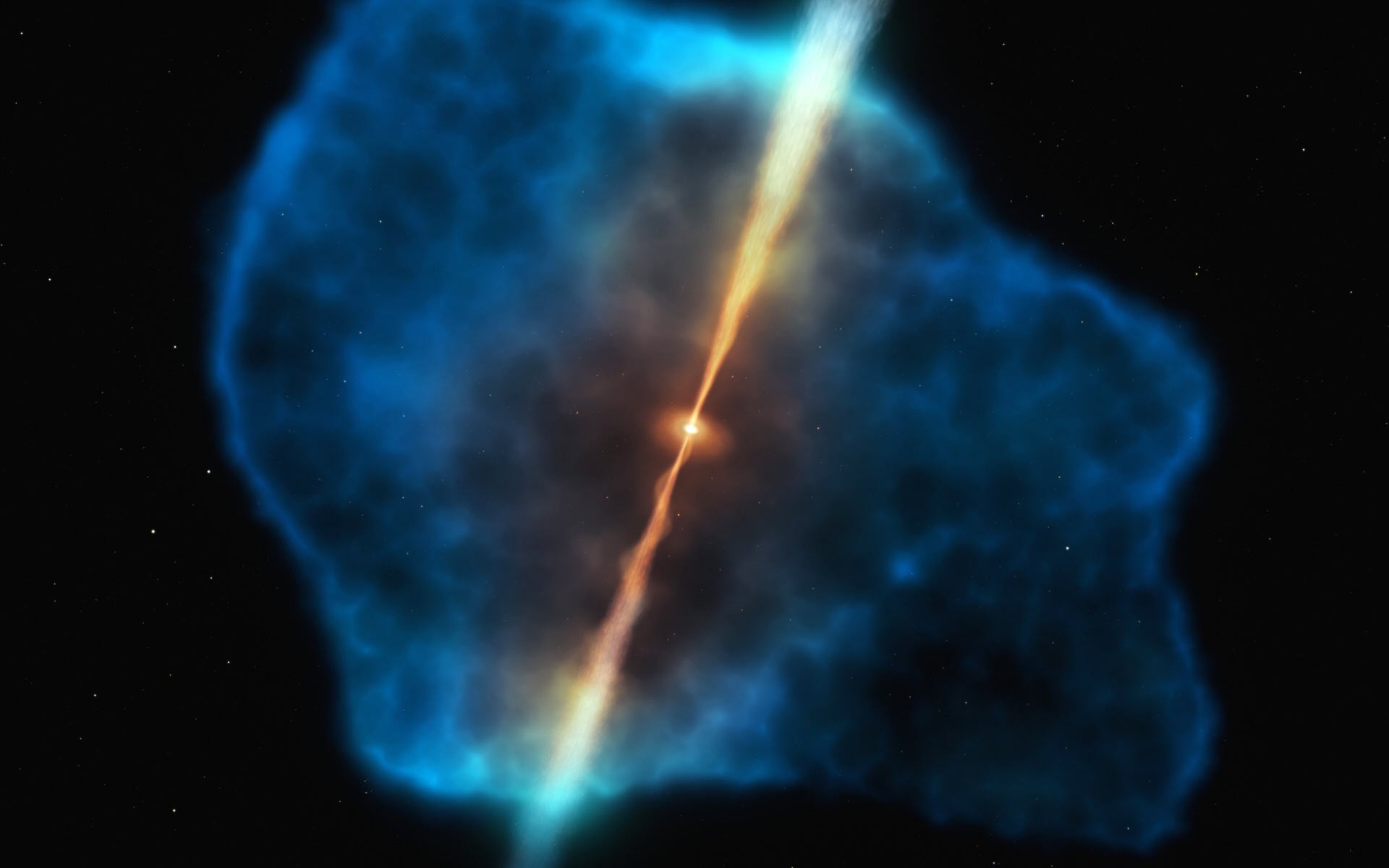
Astronomers using data from the Hobby–Eberly Telescope Dark Energy Experiment (HETDEX) have discovered tens of thousands of gigantic hydrogen gas halos, called “Lyman-alpha nebulae,” surrounding galaxies 10 billion to 12