
Scientists have found that young stellar cousins of our sun are calming down and dimming more quickly in their X-ray output than previously thought, according to a new study using


1972Articles
Gamma-ray bursts (GRBs) rank among the most powerful explosions in the universe, releasing immense energy in intense flashes of gamma rays. The most distant GRBs originate from the era when
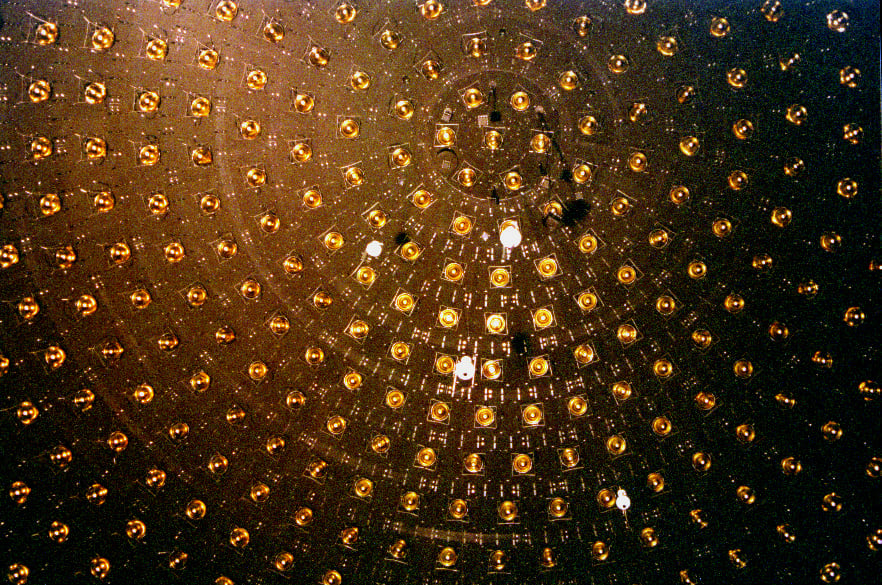
They are the most abundant particles in the universe, yet we barely know they exist. Neutrinos stream through everything, through walls, through planets and even through you…. in their billions

Neutrinos have mass — yet they never flip between left- and right-handed states the way every other massive particle does. The most logical fix is Paul Dirac’s: invisible right-handed neutrinos
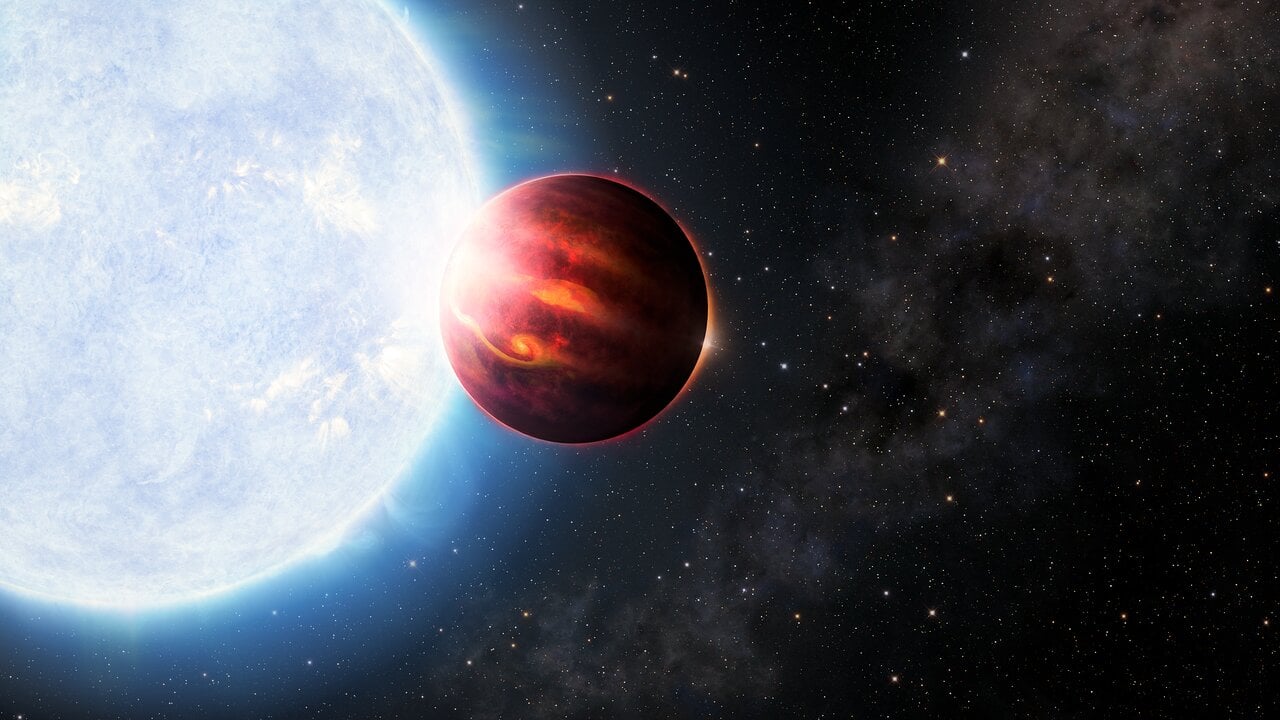
An ultra-hot Jupiter exoplanet orbiting a nearby star gave scientists using the Gemini South telescope a look at how both a star and its hot planet can have similar chemical
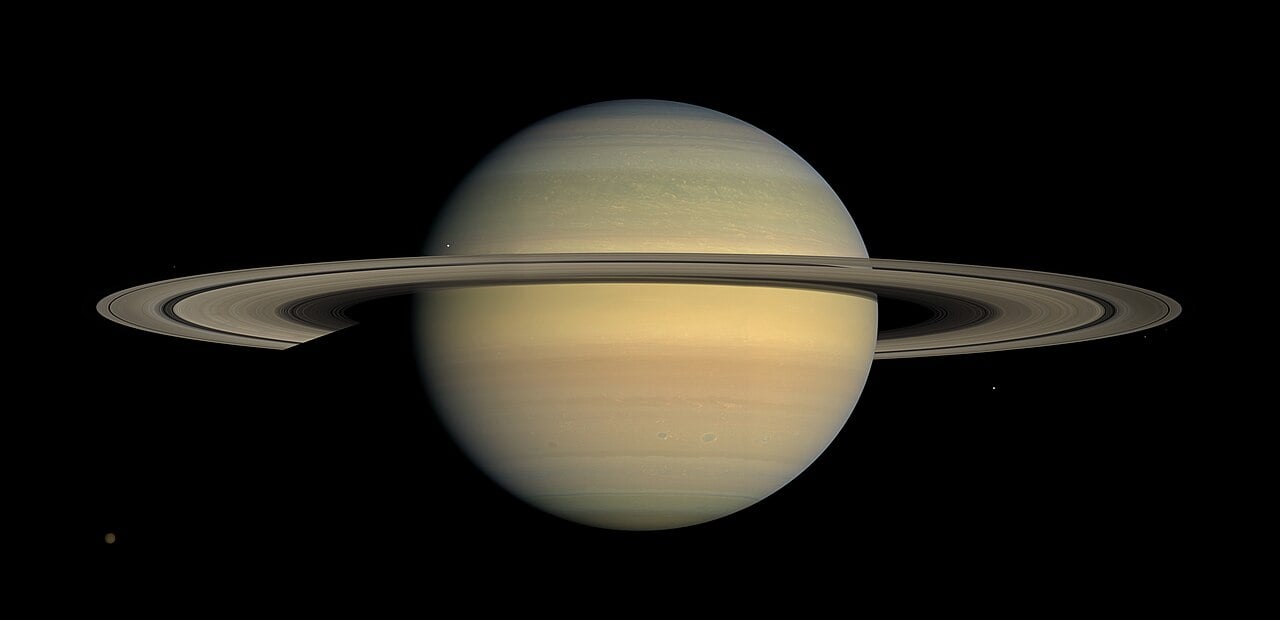
Saturn is one of the most recognisable and studied planets in the Solar System, it was the first thing I ever saw through a telescope and yet it is still
A study led by UC Riverside physicist Hai-Bo Yu suggests that a new type of dark matter could explain three astrophysical puzzles across vastly different environments. Published in Physical Review
At this point in NASA’s human spaceflight story, researchers have a substantial amount of material—documents, artifacts and images—with which to tell the stories of past flights to space. But with
The center of our galaxy is an extreme place. Surrounding the supermassive black hole Sagittarius A*, stars are packed densely into a region where gravity, radiation, and dark matter all

The weak nuclear force is the eccentric cousin of the four forces — the one that only shakes hands with left-handed particles. That bizarre preference turns out to be absolutely


Advertisement
Popular Now
-
 01Two Black Holes Observed Circling Each Other for the First Time
 -
 02From Polymerization-Enabled Folding and Assembly to Chemical Evolution: Key Processes for Emergence of Functional Polymers in the Origin of Life
 -
 03Astronomy 101: From the Sun and Moon to Wormholes and Warp Drive, Key Theories, Discoveries, and Facts about the Universe (The Adams 101 Series)
 -
 04True Anomaly hires former York Space executive as chief operating officer
 -
 05Φsat-2 begins science phase for AI Earth images
 -
 06Hurricane forecasters are losing 3 key satellites ahead of peak storm season − a meteorologist explains why it matters
 -
 07Binary star systems are complex astronomical objects − a new AI approach could pin down their properties quickly
Scroll to Top