
Lasers could one day steer solar sails and adjust a satellite’s position in outer space, thanks to graphene. An experiment on a gravity rollercoaster ride showed how this innovative material


1972Articles
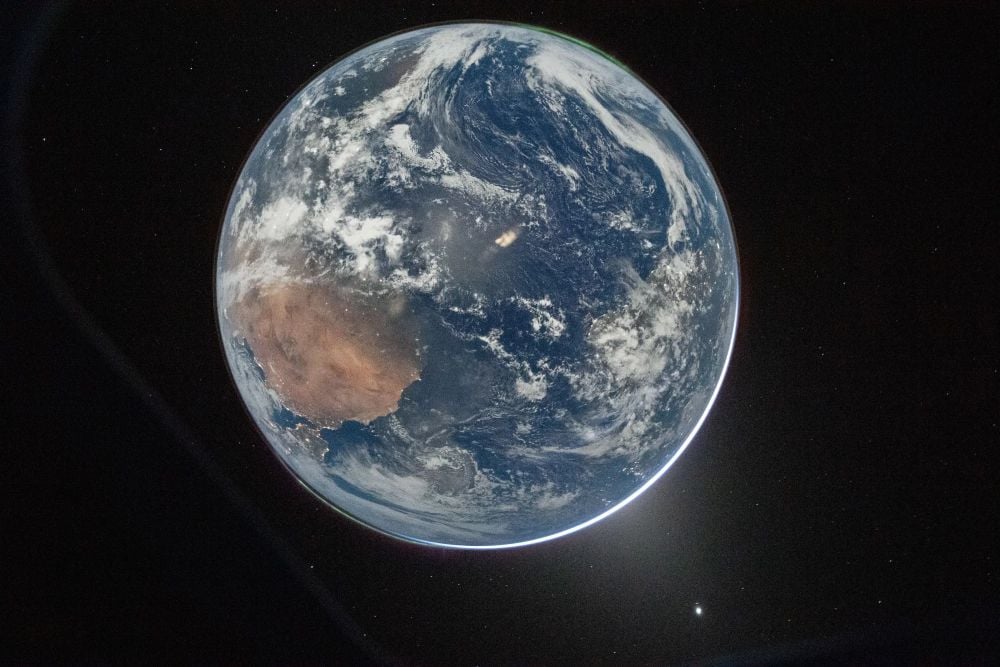
New research shows that Earth formed from inner Solar System material. Isotopic geochemistry analysis found no evidence that material from beyond Jupiter contributed to Earth’s bulk composition. The results also
Supermassive black holes at the centers of galaxies are one of the most active fields of research in astronomy. In order to accumulate their enormous masses, they must merge with
The two largest planets in our solar system, Jupiter and Saturn, also have the largest satellite systems, or the most moons. At present, Jupiter’s reported moon count stands at more
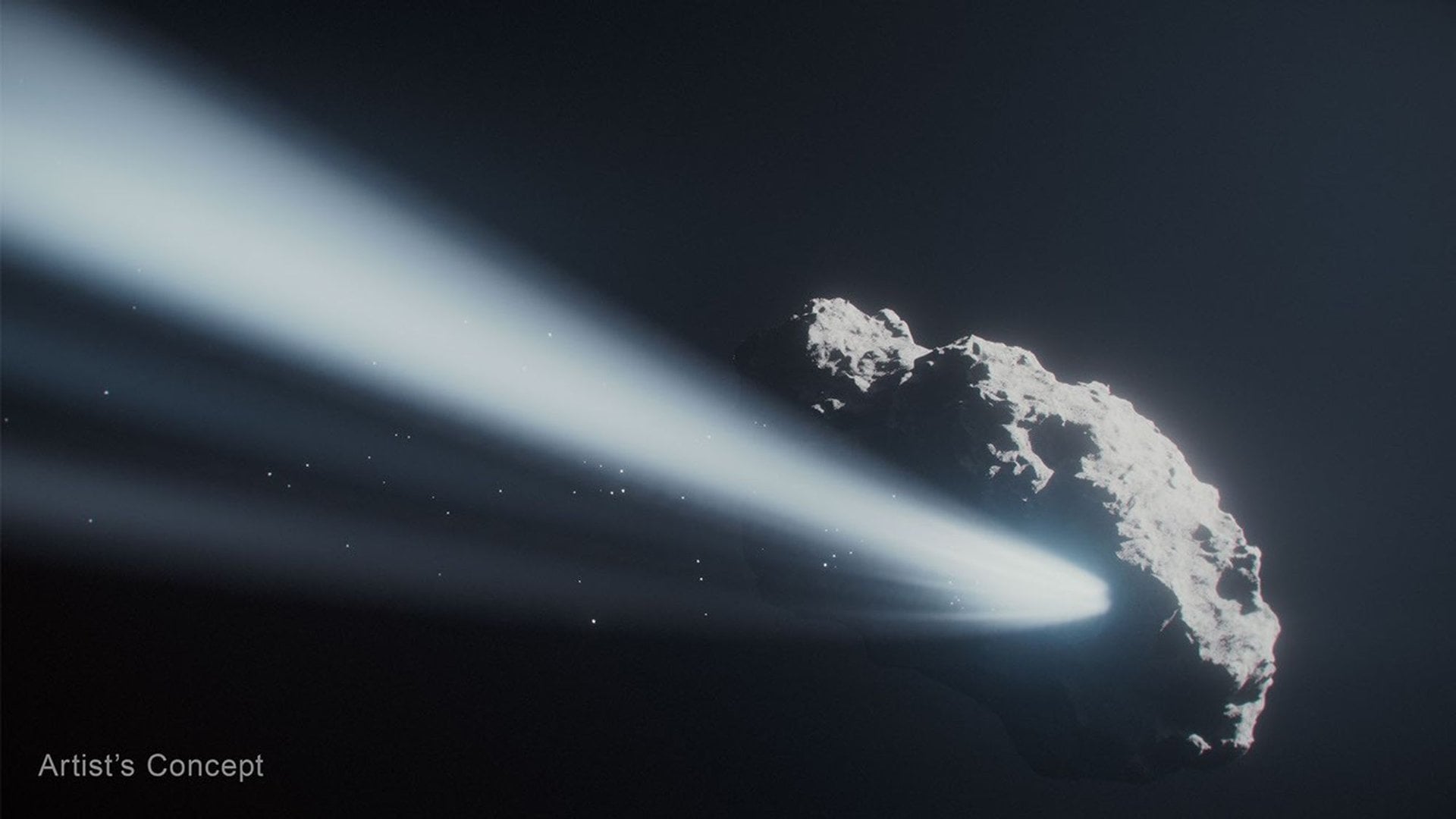
Japan’s space agency, JAXA, has been knocking it out of the park with small-body exploration missions for decades. They had historic successes with both Hayabusa and Hayabusa2, and they are
The theory of panspermia holds that life is spread through the cosmos via asteroids, comets, and other objects. When the building blocks of life emerge on one planet, impacts can
The four astronauts embarking on NASA’s lunar flyby became on Monday the humans to travel farthest from our planet, as they begin documenting areas of the moon never before seen
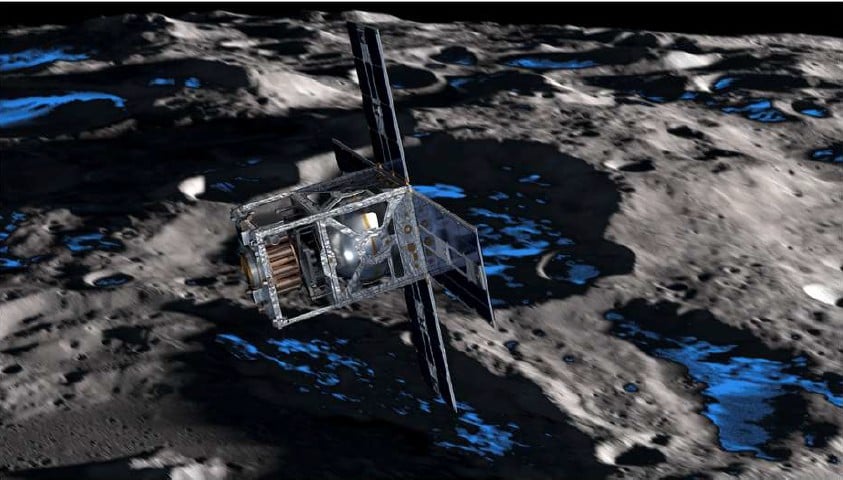
The water locked up in the Permanently Shadowed Regions (PSRs) of the Moon’s south pole is a critical resource if we are ever going to get a permanent lunar presence
The Eberly Telescope Dark Energy Experiment (HETDEX) has discovered tens of thousands of gigantic hydrogen gas halos, called “Lyman-alpha nebulae,” surrounding galaxies 10 billion to 12 billion years ago. Known
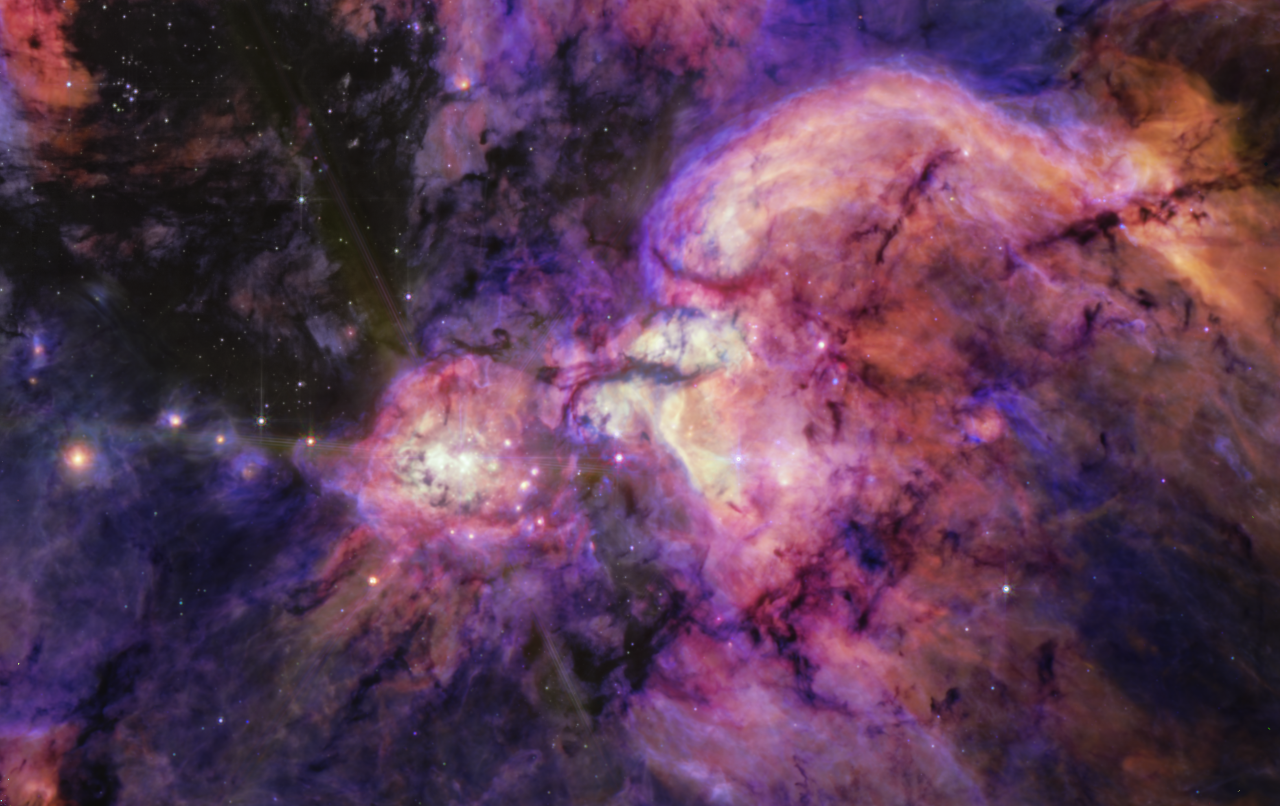
Star formation is a dramatic and complex process that erupts throughout the Universe. Yet, a lot of the action gets hidden by clouds of gas and dust. That’s where observatories

Advertisement
Popular Now
-
 01Two Black Holes Observed Circling Each Other for the First Time
 -
 02From Polymerization-Enabled Folding and Assembly to Chemical Evolution: Key Processes for Emergence of Functional Polymers in the Origin of Life
 -
 03Astronomy 101: From the Sun and Moon to Wormholes and Warp Drive, Key Theories, Discoveries, and Facts about the Universe (The Adams 101 Series)
 -
 04True Anomaly hires former York Space executive as chief operating officer
 -
 05Φsat-2 begins science phase for AI Earth images
 -
 06Hurricane forecasters are losing 3 key satellites ahead of peak storm season − a meteorologist explains why it matters
 -
 07Binary star systems are complex astronomical objects − a new AI approach could pin down their properties quickly
Scroll to Top