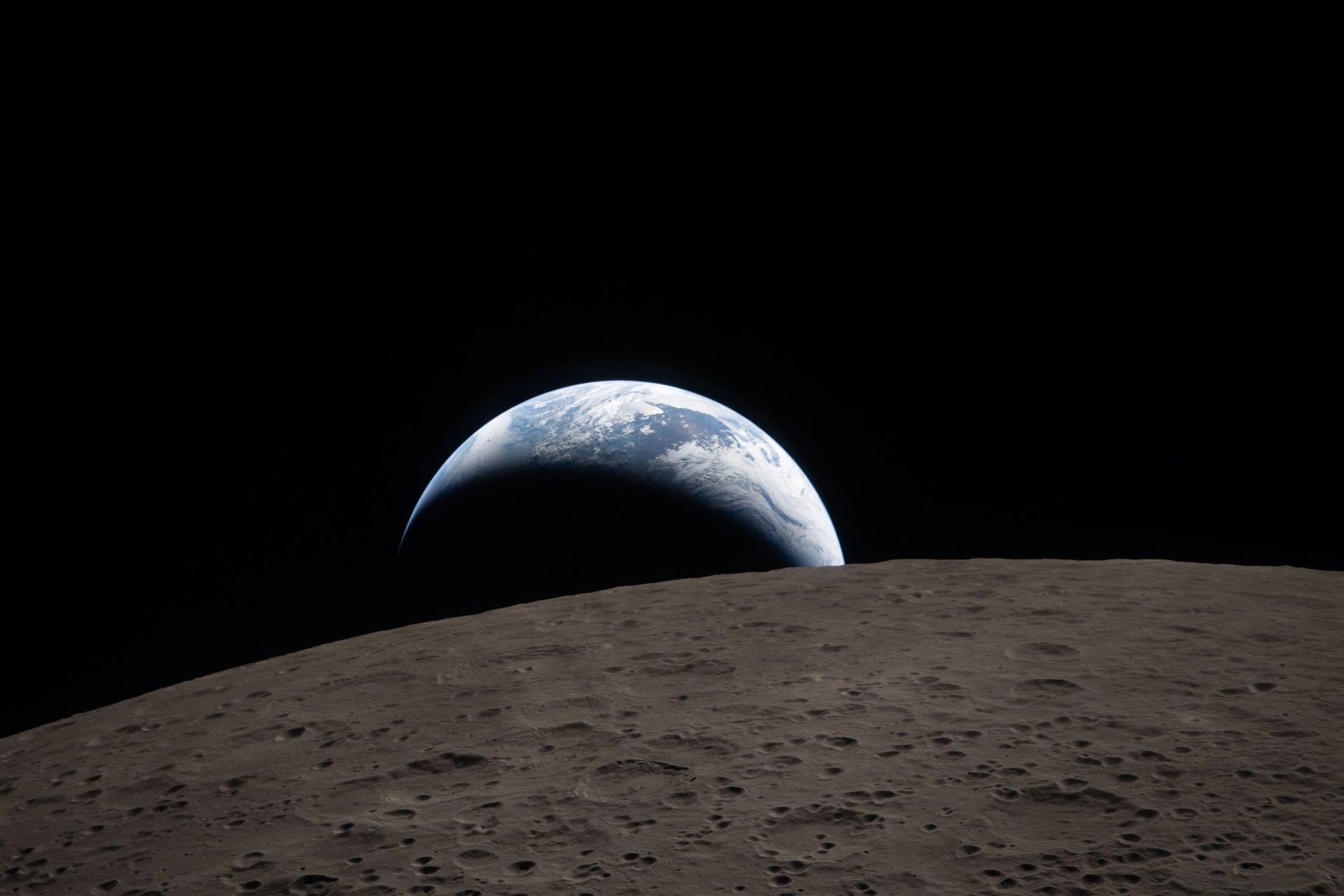
The first flyby images of the Moon captured by NASA’s Artemis II astronauts during their historic test flight reveal some regions no human has seen, including a rare in-space solar


The first flyby images of the Moon captured by NASA’s Artemis II astronauts during their historic test flight reveal some regions no human has seen, including a rare in-space solar
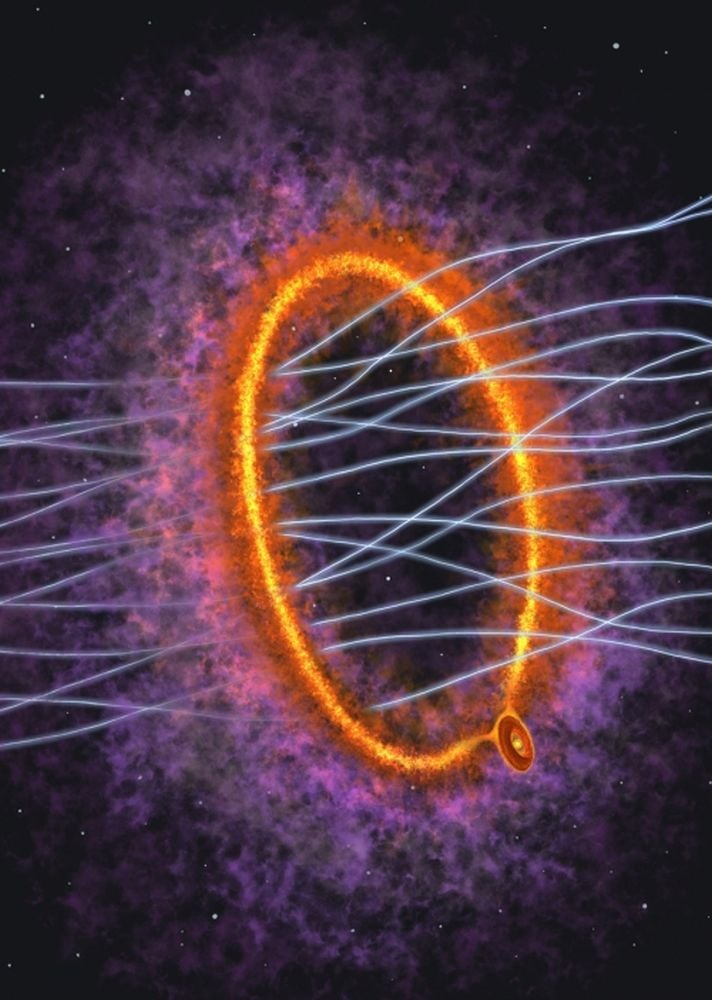
Observing the Taurus Molecular Cloud, a research team led by Kyushu University has found that during the early growth period of a baby star, the protostellar disk blows magnetic flux
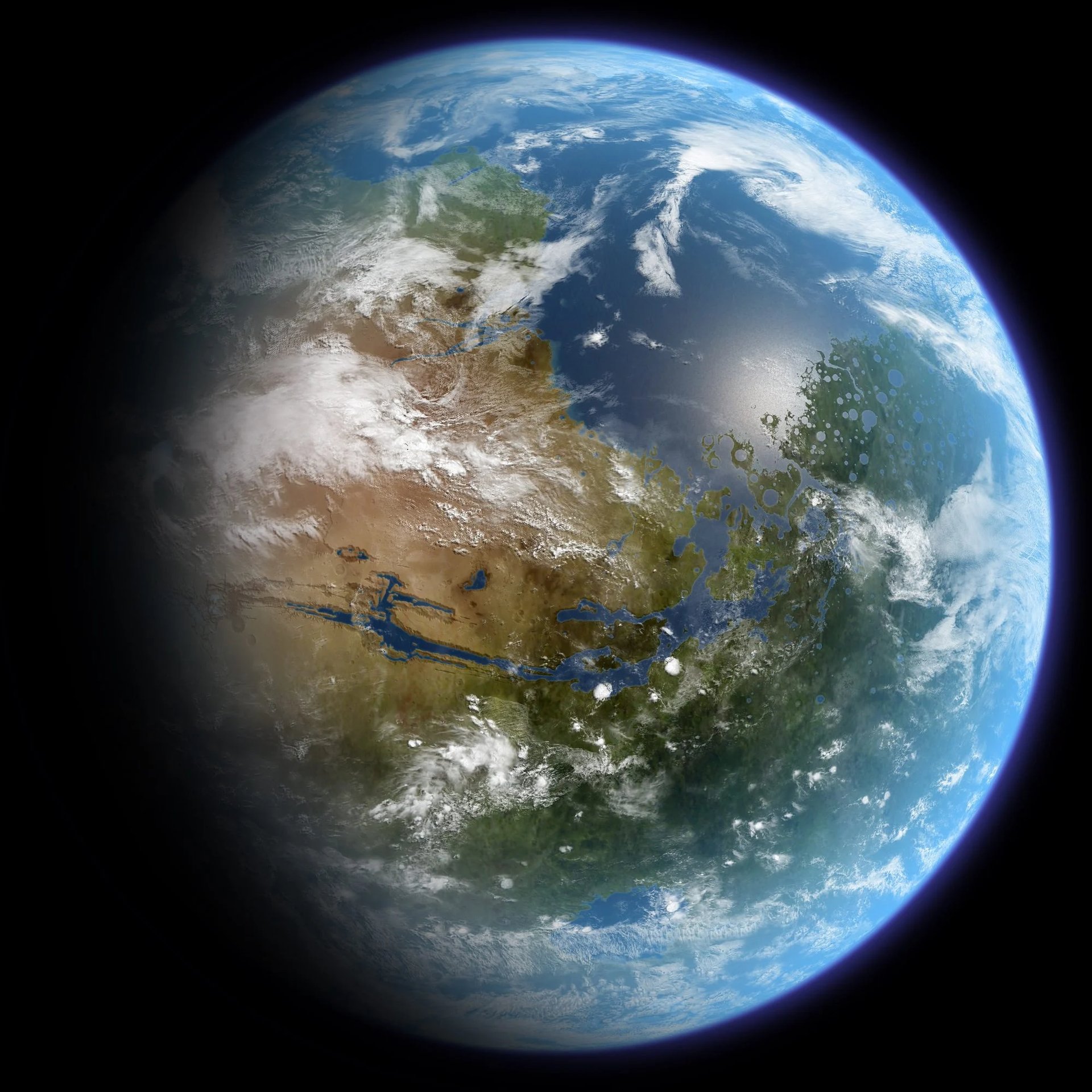
Reading the Mars Trilogy by Kim Stanley Robinson brings the benefits and pitfalls of efforts to terraform the Red Planet into sharp relief. Since the 1970s, when Carl Sagan first
The absence of a signal could itself be a signal. This is the idea behind a new study published in the Journal of Cosmology and Astroparticle Physics, which aims to
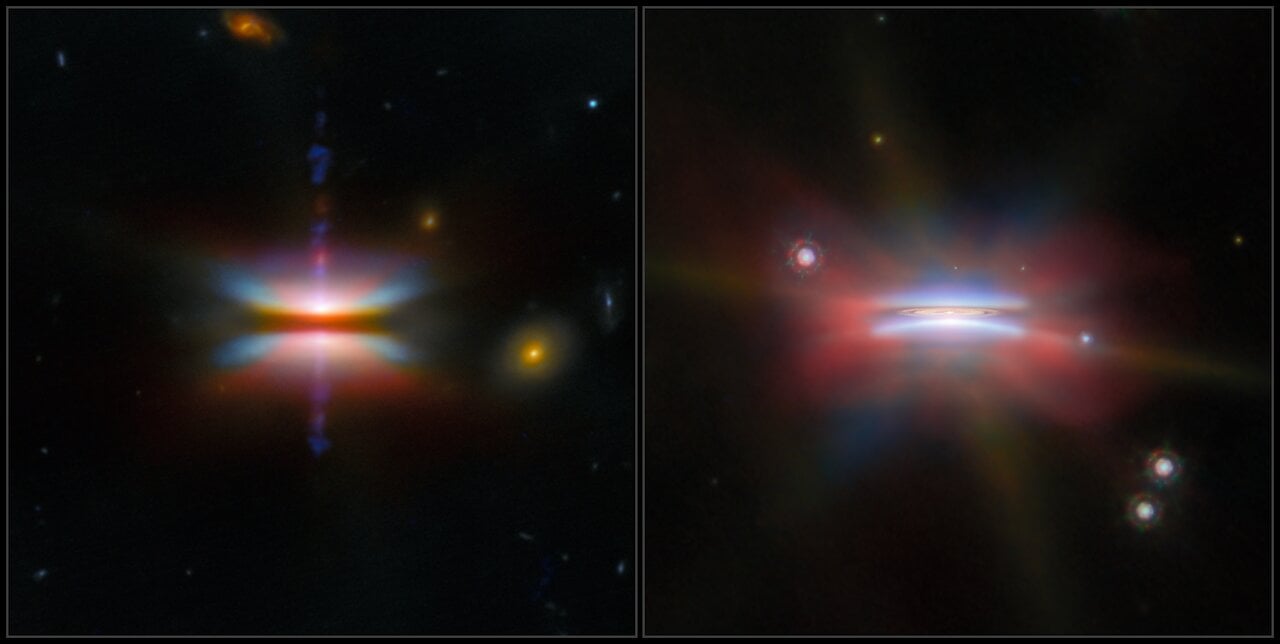
Two images of protoplanetary disks side-by-side. The left image shows a dark horizontal band covering the star, with broad, colorful, conical outflows above and below it, and a narrow jet
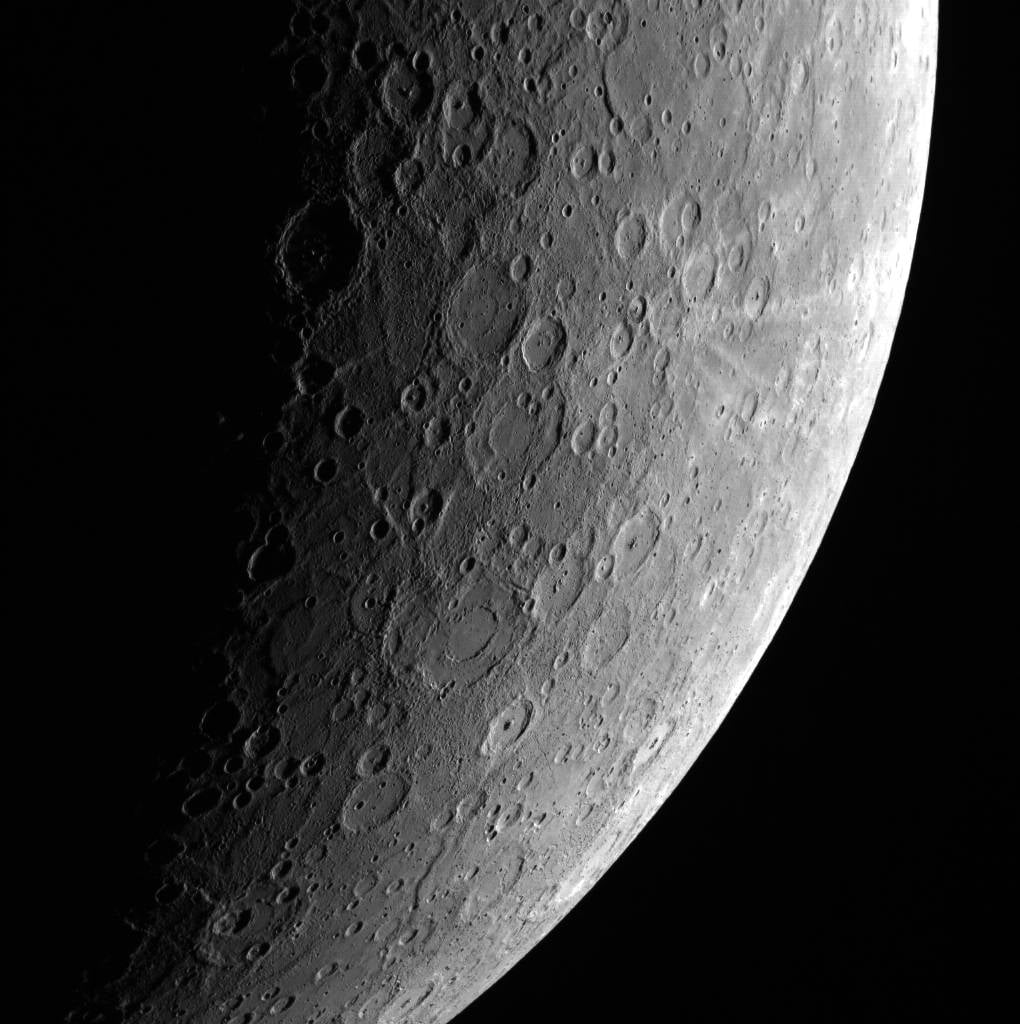
A Mercury lander mission would create opportunities to sample unique geological features. However, extreme temperature fluctuations on Mercury’s surface pose challenges for exploration on the planetary surface. In a narrow
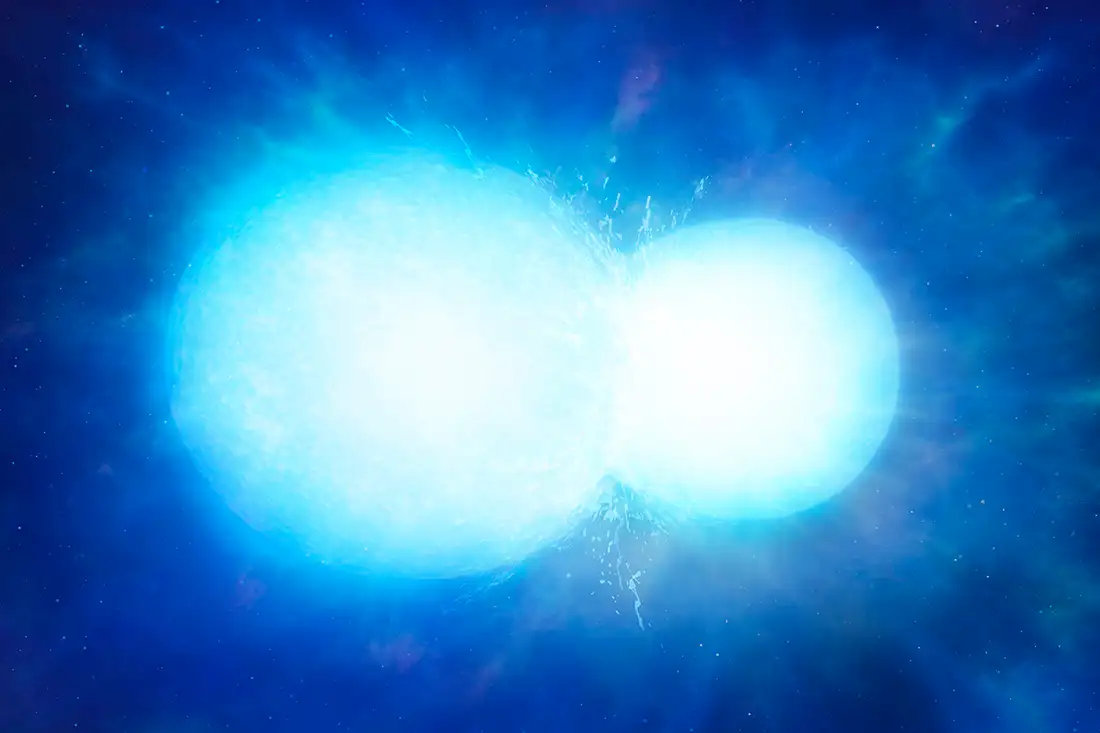
In the vastness of the Universe, any new object with interesting properties can spur the search for similar objects, potentially establishing a new class of stars. In a paper published
Fast solar winds originating from the sun can have direct impacts on Earth—disrupting systems like GPS, aviation, electrical grids, and satellite and radio communications. A new paper by New Mexico
During their historic lunar flyby, astronauts on NASA’s Artemis II mission witnessed meteorites striking the rugged surface of the moon, a sight that has piqued scientists’ curiosity.
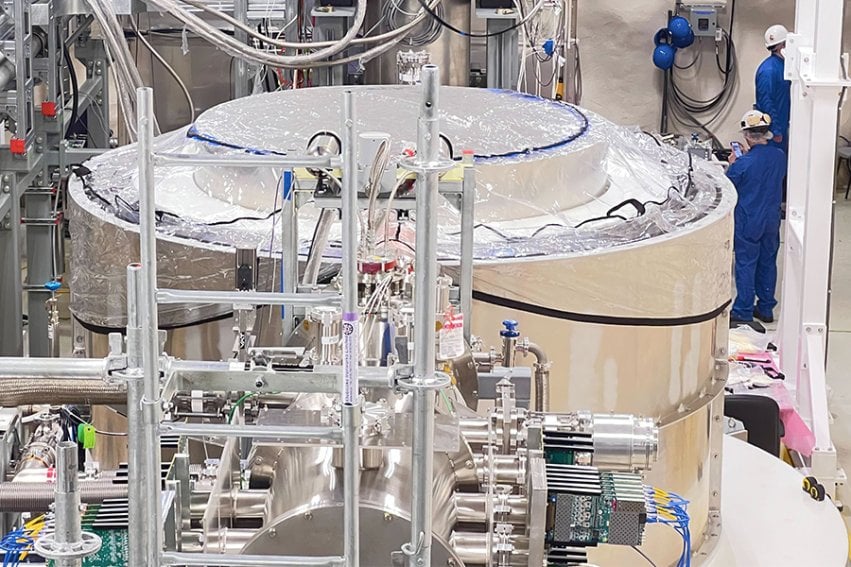
The Super Cryogenic Dark Matter Search (SuperCDMS) experiment has reached its coldest operating temperature, hundreds of times colder than outer space.