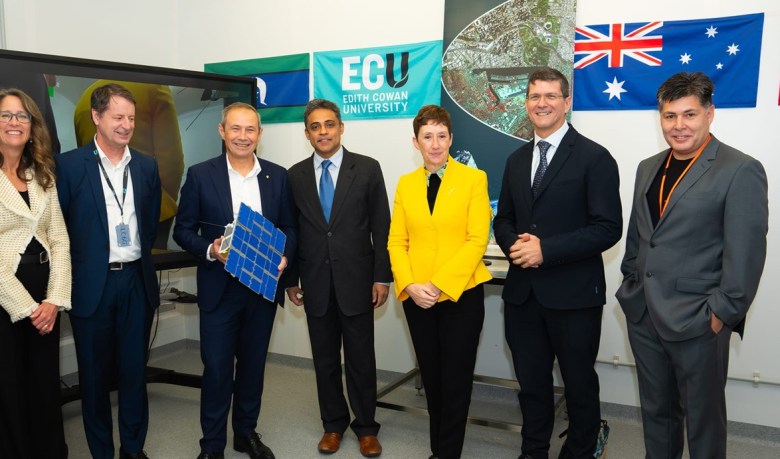
Perth, Western Australia — 21 May 2026 — LatConnect 60 (LC60), an Australian Earth observation and AI company, announced its growth investment round that is in-progress to accelerate development plans


Perth, Western Australia — 21 May 2026 — LatConnect 60 (LC60), an Australian Earth observation and AI company, announced its growth investment round that is in-progress to accelerate development plans

Earth Observatory Science Earth Observatory New Eruption in the Bismarck Sea Earth Earth Observatory Image of the Day EO Explorer Topics All Topics Atmosphere Land Heat & Radiation Life on

On August 12, 2026, a total solar eclipse will be visible across a significant portion of Europe and the north Atlantic, with the path of totality affecting regions such as
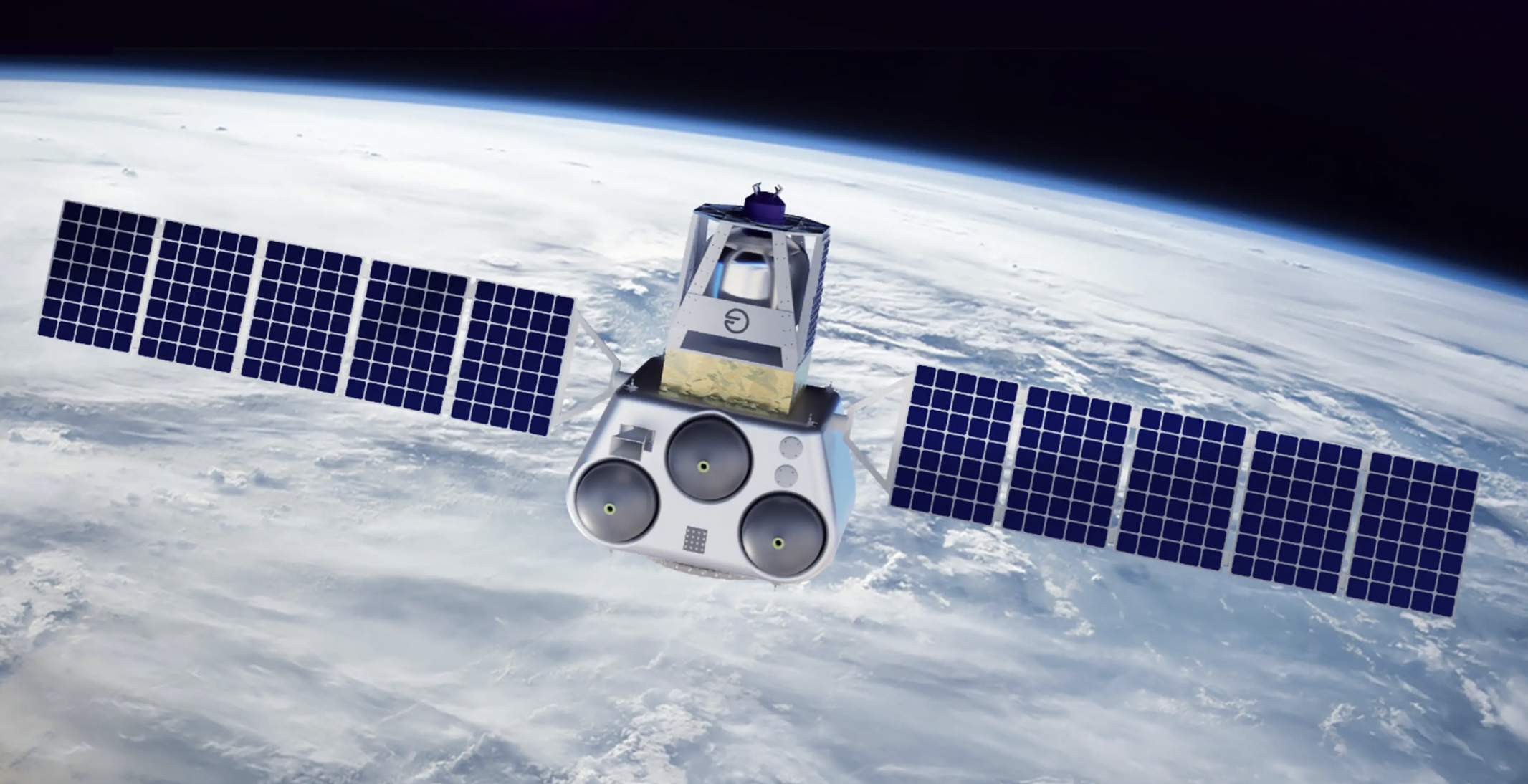
WASHINGTON — The U.S. Space Force is preparing to launch multiple spacecraft to geostationary orbit in 2027 for two separate in-space services demonstrations: one to test satellite refueling and another
SpaceX said the money will help finance projects to put people on the moon and Mars.
On the morning of Jan. 8, 2025, a red dot popped up on NASA’s Fire Information for Resource Management System. It was the first sign of what would become one
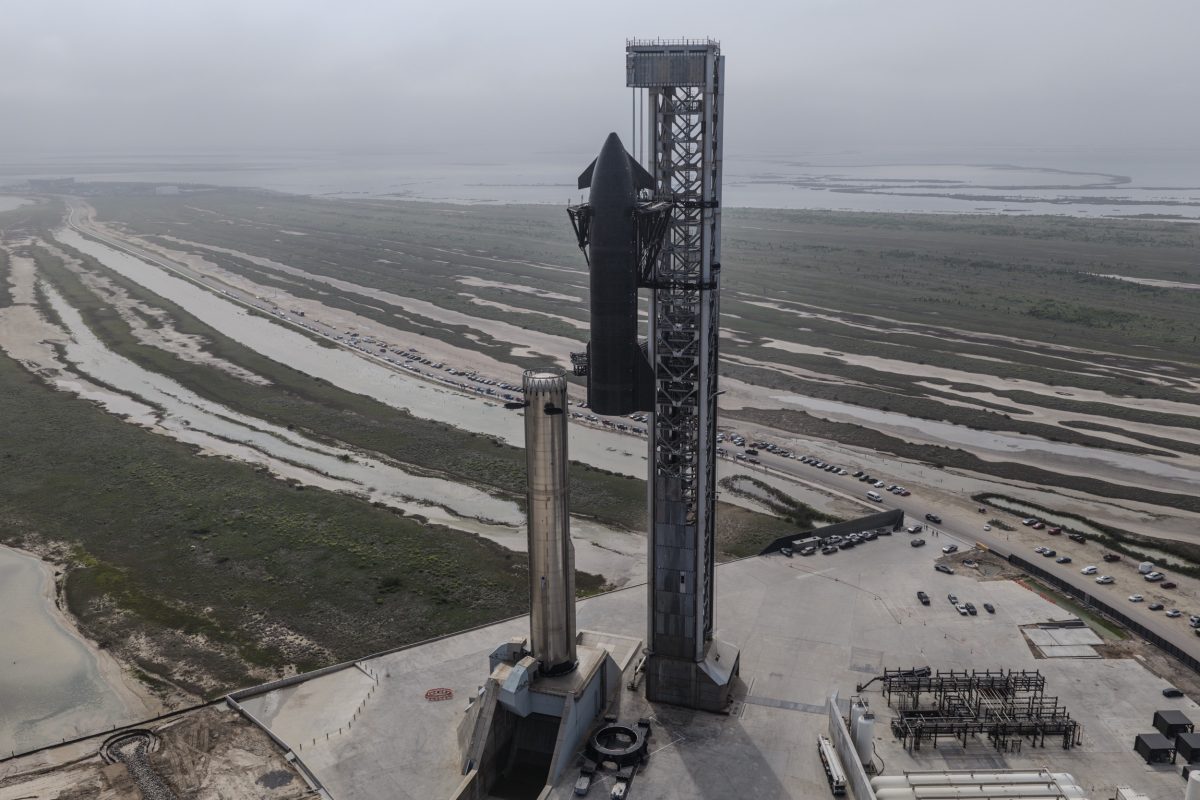
WASHINGTON — SpaceX filed documents for an initial public offering of stock May 20, revealing the company’s finances and enormous ambitions. The company filed its S-1 registration statement with the
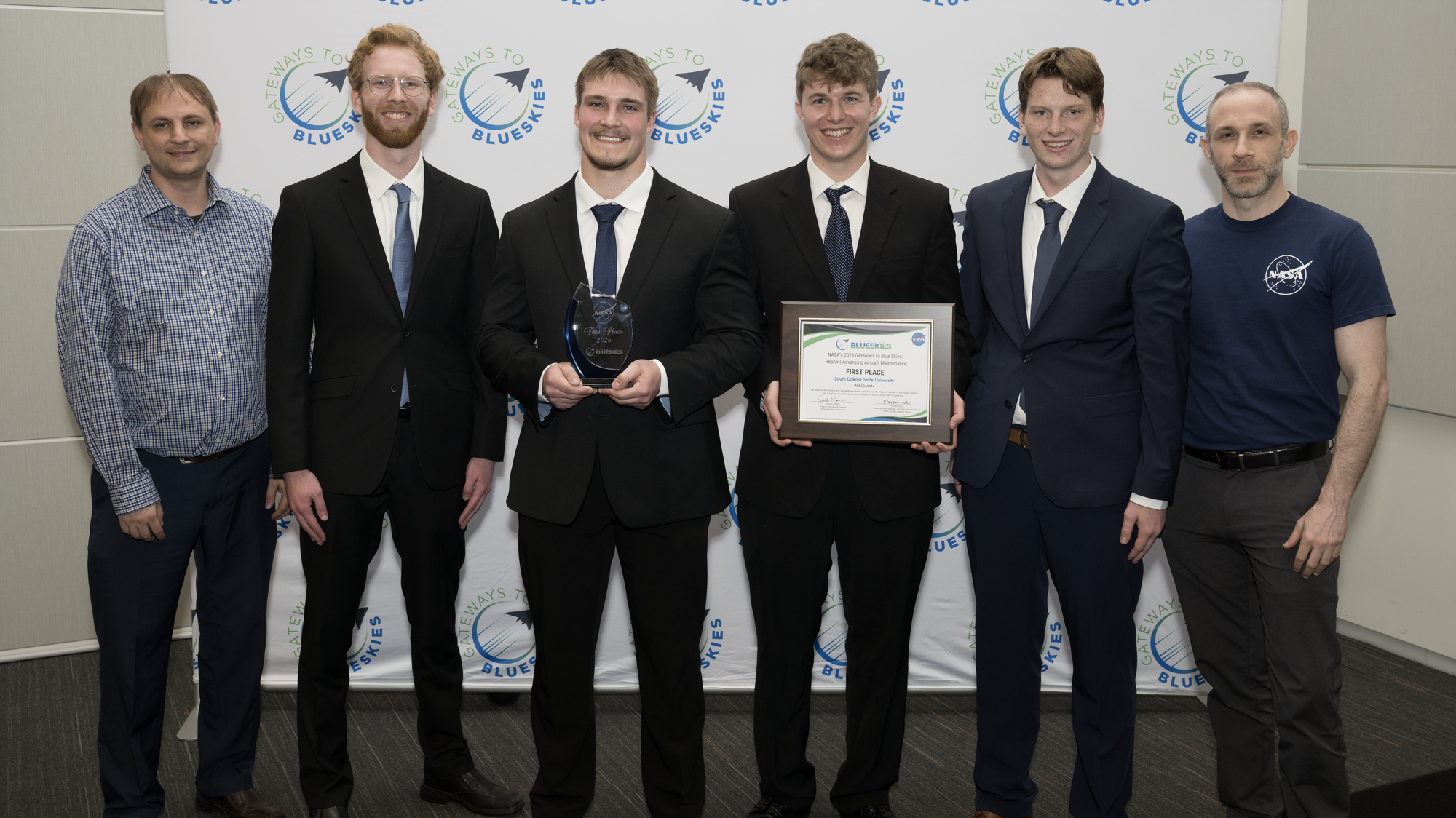
Team WINGMAN from South Dakota State University, comprised of (from left to right) Todd Letcher (advisor), Matthew Wieberdink, Owen Diede, Christian Lee, and Anders Olsen, took home first place at
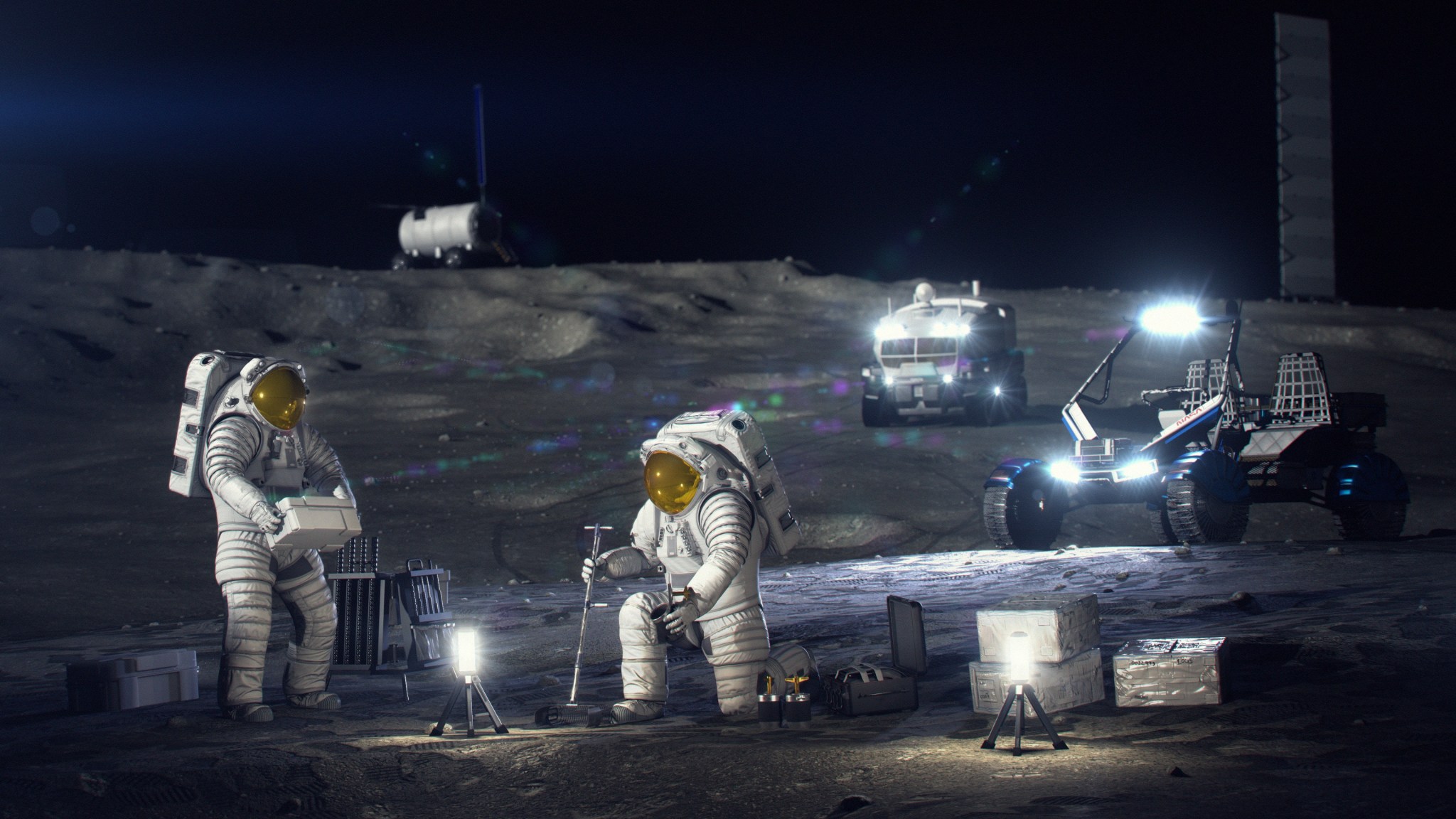
Concepto artístico de astronautas trabajando en la superficie lunar. Crédito: NASA Read this news release in English here. La NASA ofrecerá una conferencia de prensa el martes 26 de mayo

WASHINGTON — White House officials say they will go into a major international conference next year better prepared than ever to defend key radio-frequency spectrum priorities. During a panel at