
Now Reading: Total Solar Eclipse to Illuminate Spain in 2026 with ESA’s Public Engagement Initiatives
-
01
Total Solar Eclipse to Illuminate Spain in 2026 with ESA’s Public Engagement Initiatives

Total Solar Eclipse to Illuminate Spain in 2026 with ESA’s Public Engagement Initiatives

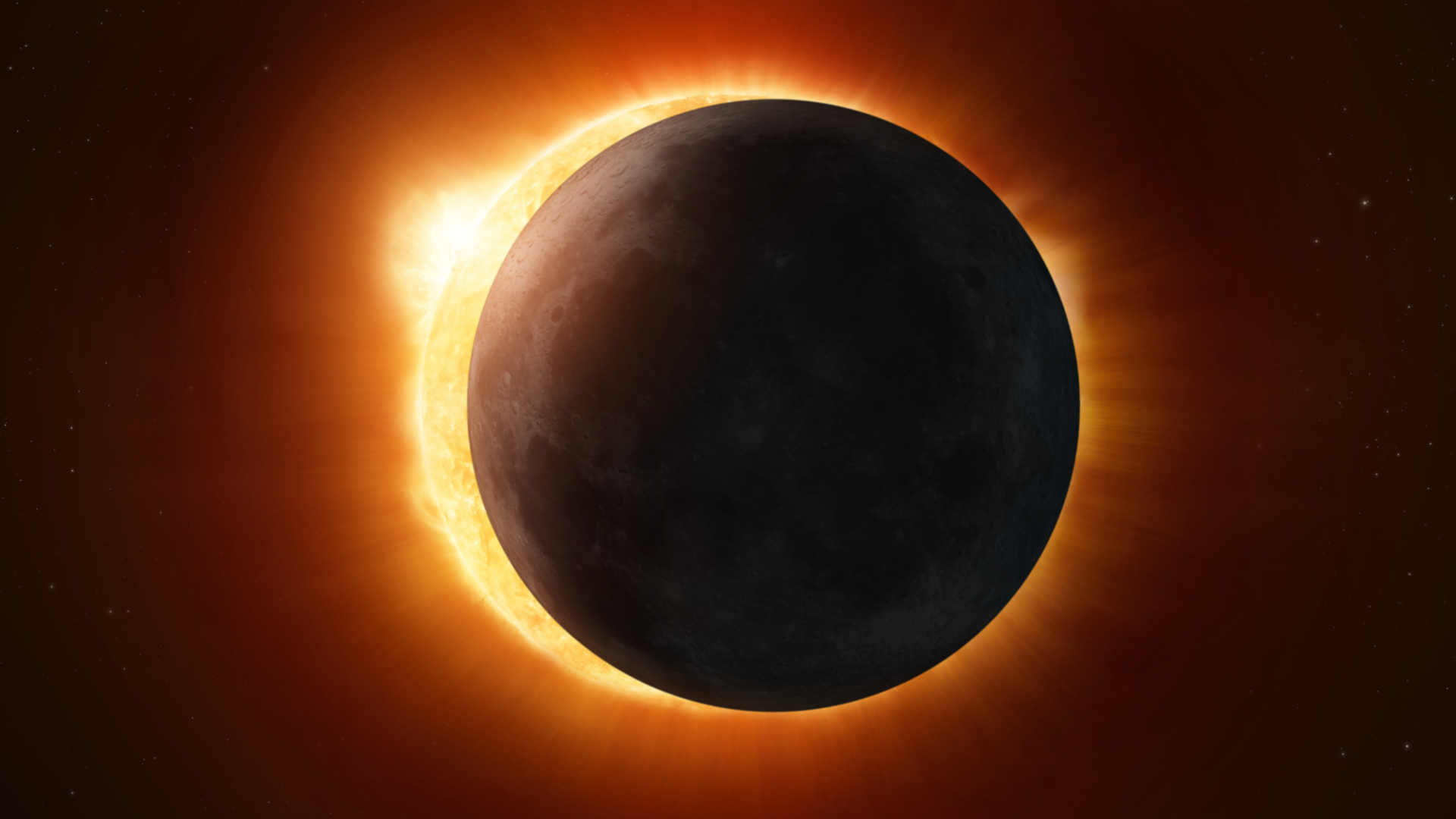

On August 12, 2026, a total solar eclipse will be visible across a significant portion of Europe and the north Atlantic, with the path of totality affecting regions such as Greenland, Iceland, Spain, and a small area in northeastern Portugal. While other areas in Europe will experience a partial eclipse, Spain is set to take center stage, offering the largest viewing area of totality on the continent. This event marks the first total solar eclipse observable from mainland Spain since 1905 and is one of three such eclipses scheduled to occur in the country from 2026 to 2028.
The European Space Agency (ESA) is enhancing the experience by organizing various activities aimed at engaging the public, fostering scientific understanding, and promoting educational outreach related to the event. A total solar eclipse occurs when the Moon aligns directly between the Earth and the Sun, obscuring much of the Sun’s light and revealing its dynamic atmosphere, an experience last seen in mainland Europe in 2006.
Spain will be especially well-positioned for viewing as the eclipse will traverse the country from west to east, passing over the picturesque Balearic Islands. Professor Carole Mundell, ESA’s Director of Science, remarked that such eclipses provide a rare opportunity for people to collectively marvel at the wonders of the universe, strengthening a shared sense of curiosity and exploration.
ESA will host an international live broadcast from the Observatorio Astrofísico de Javalambre in Teruel, a prime location within the band of totality. Guests will include esteemed science communicator Dame Dr. Maggie Aderin and various experts who will discuss the scientific significance of the event. This broadcast will be accessible in English through ESA’s Web TV and YouTube channels.
In conjunction with the live broadcast, ESA is also offering a free public observation program in León, Spain, in partnership with the University of León and local authorities. The event aims to directly involve the community in the scientific study of the eclipse, featuring talks about solar science, ESA missions, and interactive educational activities. All presentations will be conducted in Spanish.
To support educators and the public, ESA has developed a specialized educational kit available in both English and Spanish. This toolkit contains materials tailored for different educational levels, including safe observation guidelines and activities designed to engage students and the broader community. Additional resources, such as articles and videos explaining how to observe the eclipse safely, will be released in the months leading up to the event.
Furthermore, ESA has collaborated on the official Spanish eclipse website, Trio of Eclipses, contributing valuable educational content to enhance public understanding of the phenomenon. For those planning to witness the eclipse, whether in person or via online streams, ESA’s initiatives aim to enrich the overall experience and deepen comprehension of the accompanying scientific principles.
Spectators are reminded that direct viewing of the Sun without proper eye protection can lead to severe damage. It’s essential to use certified eclipse glasses that meet safety standards during the event, except during totality when looking directly at the Sun is briefly safe. As the Sun re-emerges, observers must again employ protective eyewear. Further details and updates regarding the eclipse will be available on ESA’s official website.










Related Posts

Stay Informed With the Latest & Most Important News
Previous Post
Next Post

Advertisement
-
 01Two Black Holes Observed Circling Each Other for the First Time
 -
 02From Polymerization-Enabled Folding and Assembly to Chemical Evolution: Key Processes for Emergence of Functional Polymers in the Origin of Life
 -
 03Astronomy 101: From the Sun and Moon to Wormholes and Warp Drive, Key Theories, Discoveries, and Facts about the Universe (The Adams 101 Series)
 -
 04True Anomaly hires former York Space executive as chief operating officer
 -
 05Φsat-2 begins science phase for AI Earth images
 -
 06Hurricane forecasters are losing 3 key satellites ahead of peak storm season − a meteorologist explains why it matters
 -
 07Binary star systems are complex astronomical objects − a new AI approach could pin down their properties quickly