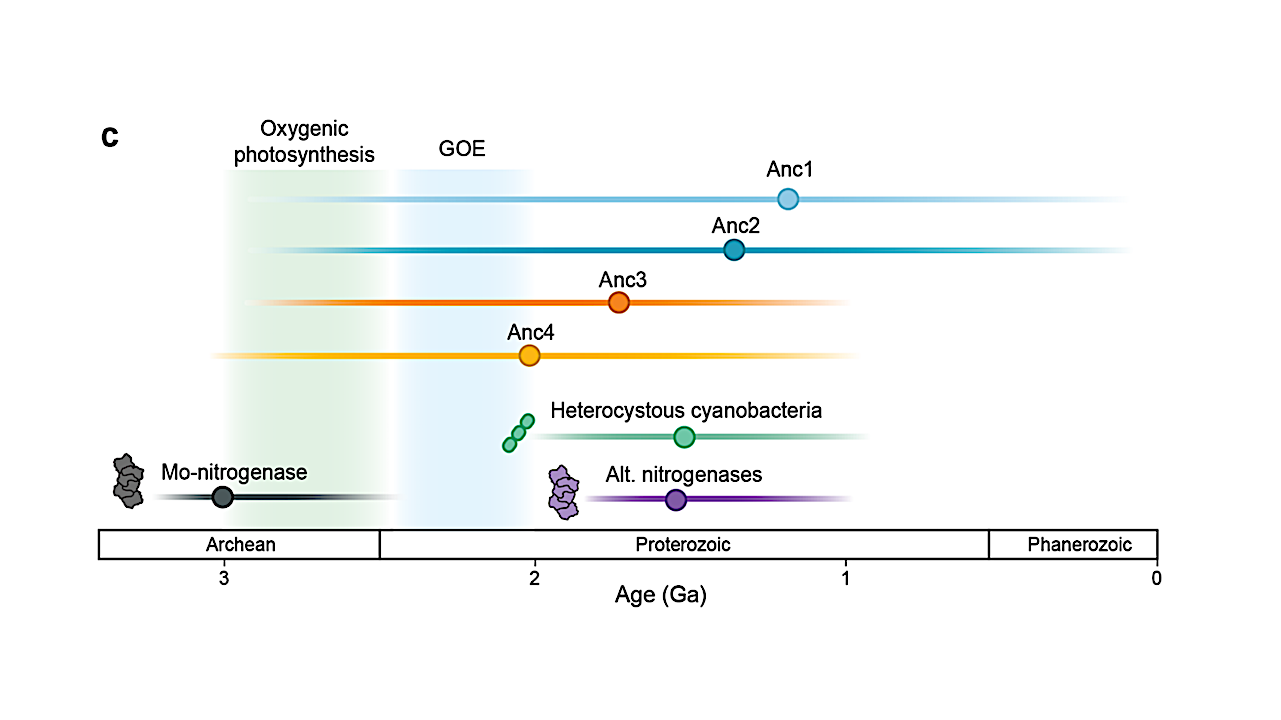
c. Approximate ages for the origin of nitrogenase isoforms are based on geochemical12 and phylogenetic data. — biorxiv.org Nitrogen isotope fractionation (ε15N) in sedimentary rocks has provided evidence for biological

c. Approximate ages for the origin of nitrogenase isoforms are based on geochemical12 and phylogenetic data. — biorxiv.org Nitrogen isotope fractionation (ε15N) in sedimentary rocks has provided evidence for biological
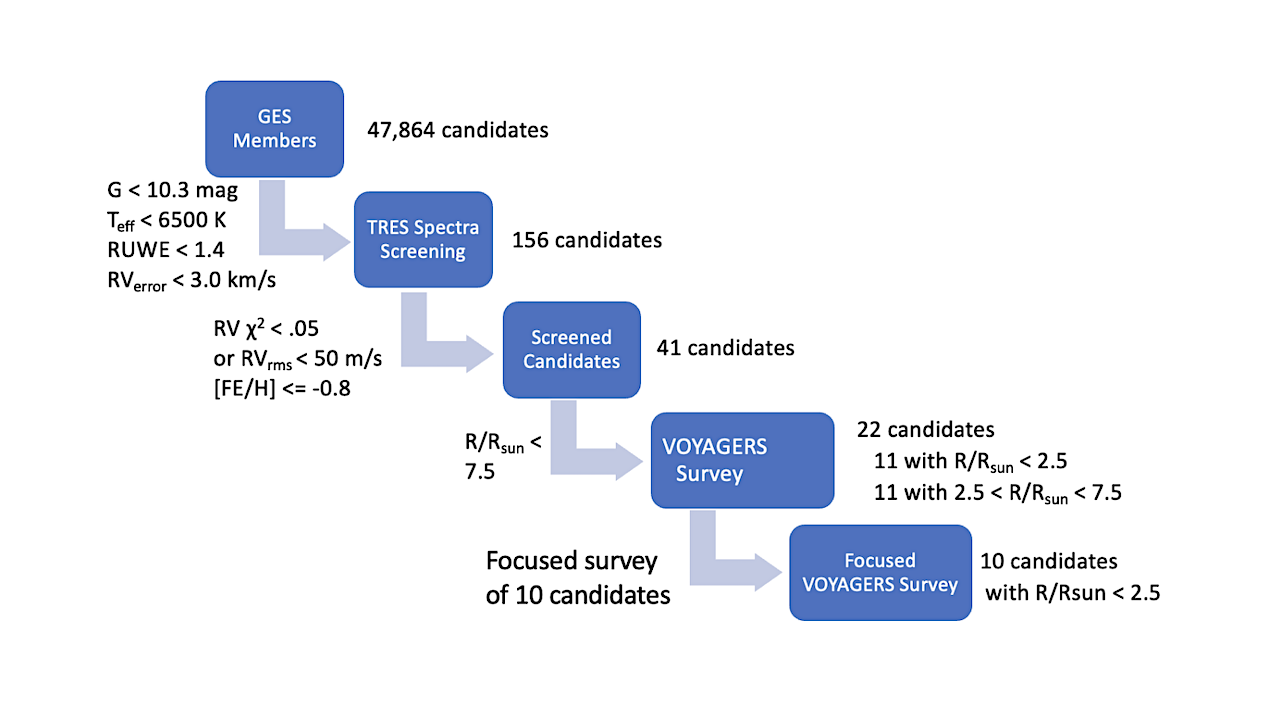
VOYAGERS target stars were selected from 47,864 GES members following several screening steps. Available stellar properties were used to screen to 156 candidates. TRES spectra were then used to identify
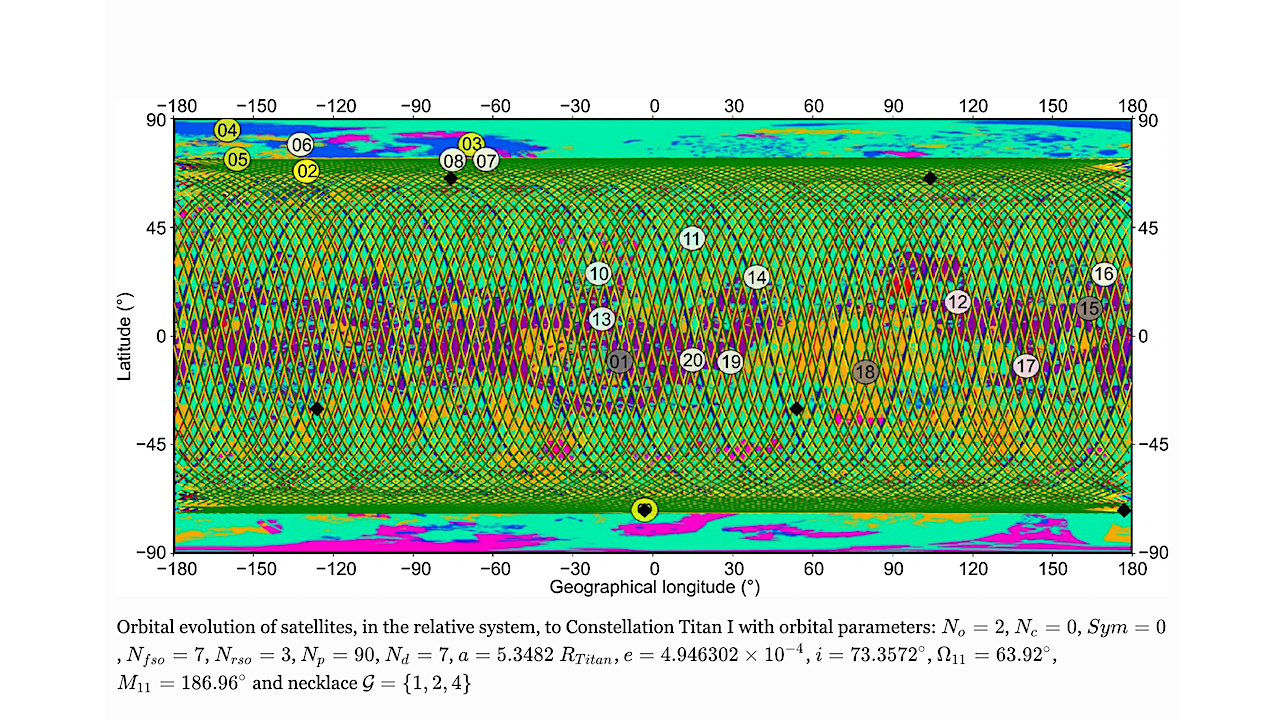
Orbital evolution of satellites, in the relative system, to Constellation Titan — Satellite Navigation Exploring Saturn’s largest moon, Titan, presents unique orbital challenges due to its dense atmosphere, gravitational perturbations,
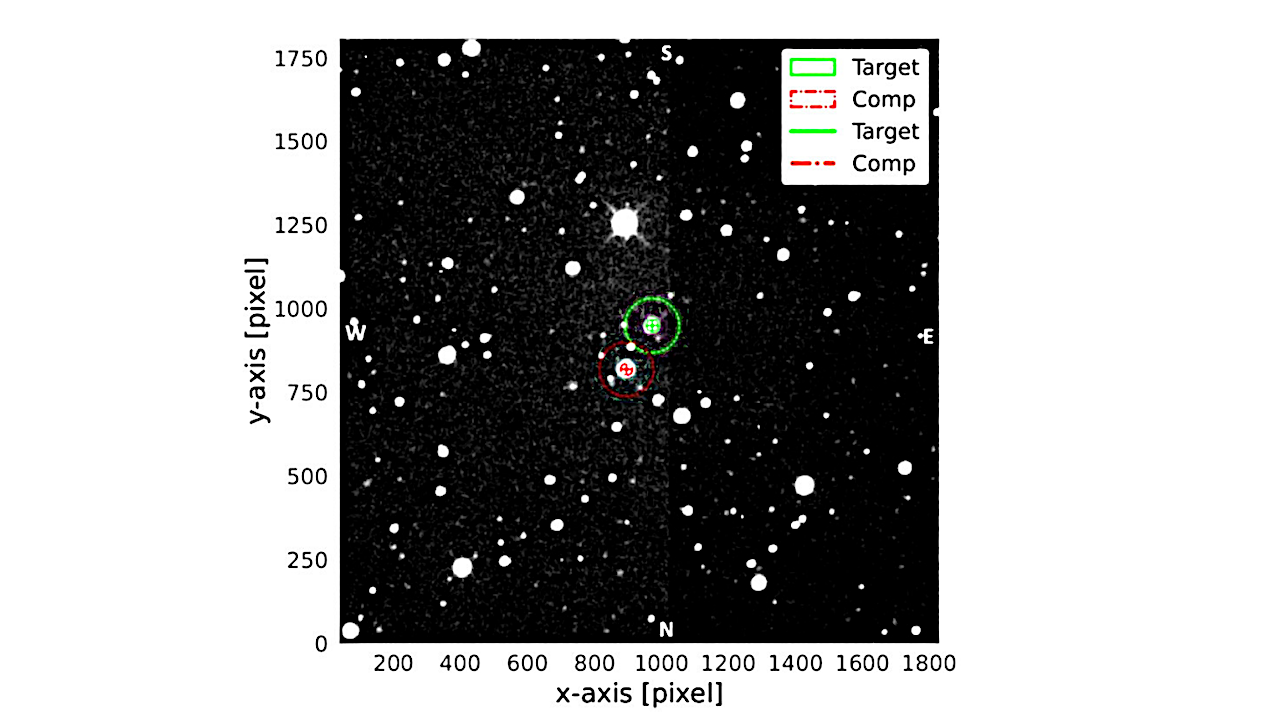
Field of view for WASP-135 b (image scale in arcsec/pix: 0.299772). Example image from 09 May 2024, with the target star, WASP-135, and the comparison star labeled in green and
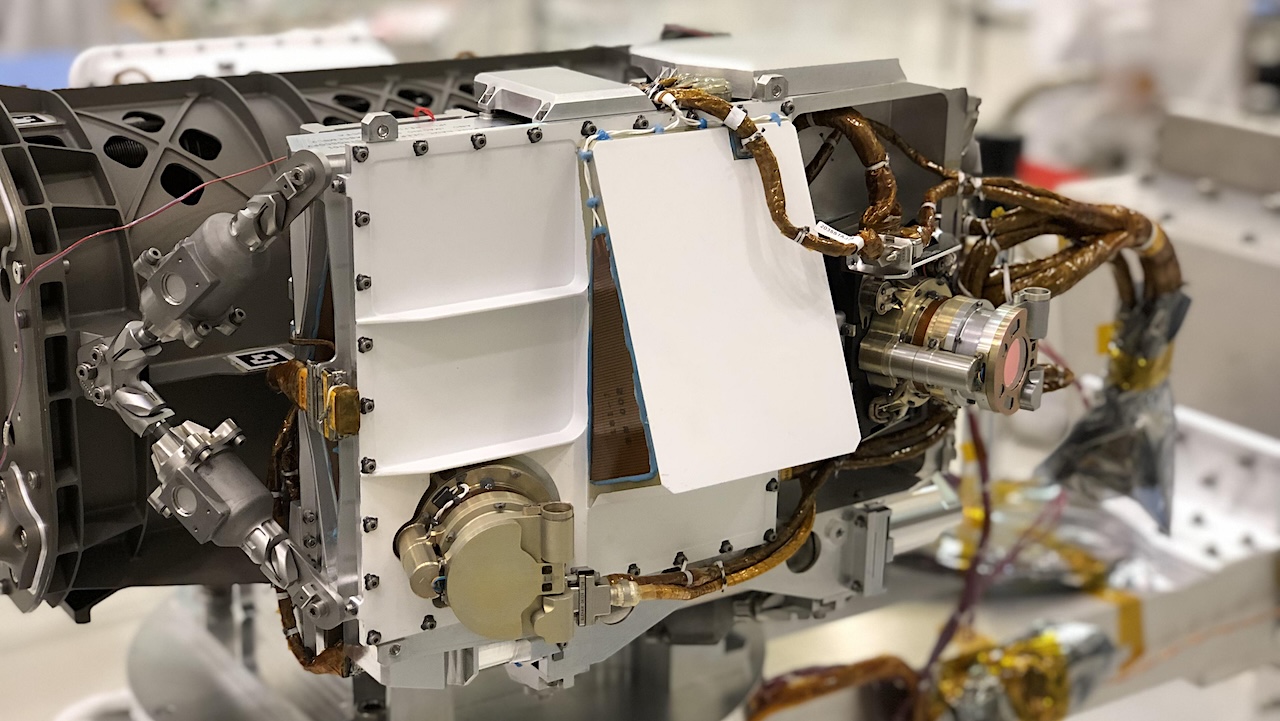
NASA’s Mars 2020 Rover’s SHERLOC Instrument, located at the end of the robotic arm on NASA’s Mars 2020 rover. SHERLOC (short for Scanning Habitable Environments with Raman & Luminescence for
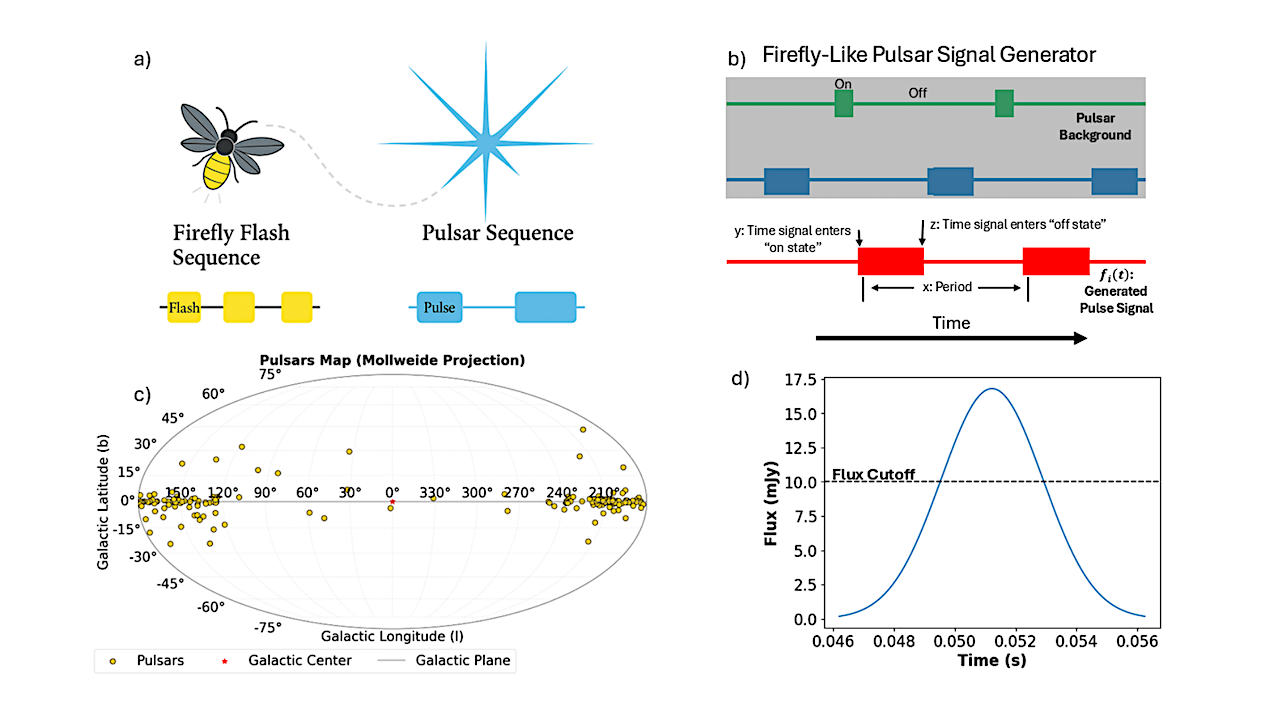
a) Illustration of a firefly flash sequence and a pulsar pulse sequence, which serves as the basis of the model discussed in this paper. b) Conceptualization of how the model
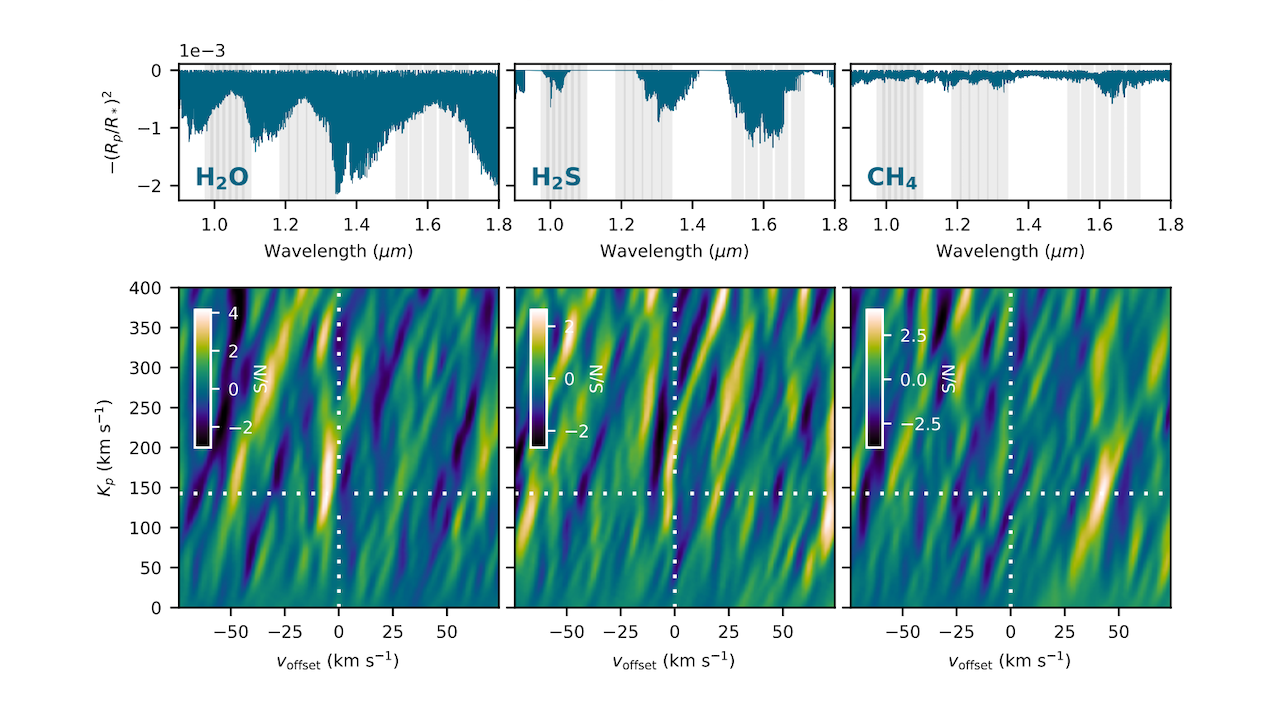
Model spectra (top) and Kp-voffset maps for the combination of all nights (bottom) of H2O, H2S, and CH4 for KELT-11 b. The grey shaded areas show the wavelength regions of
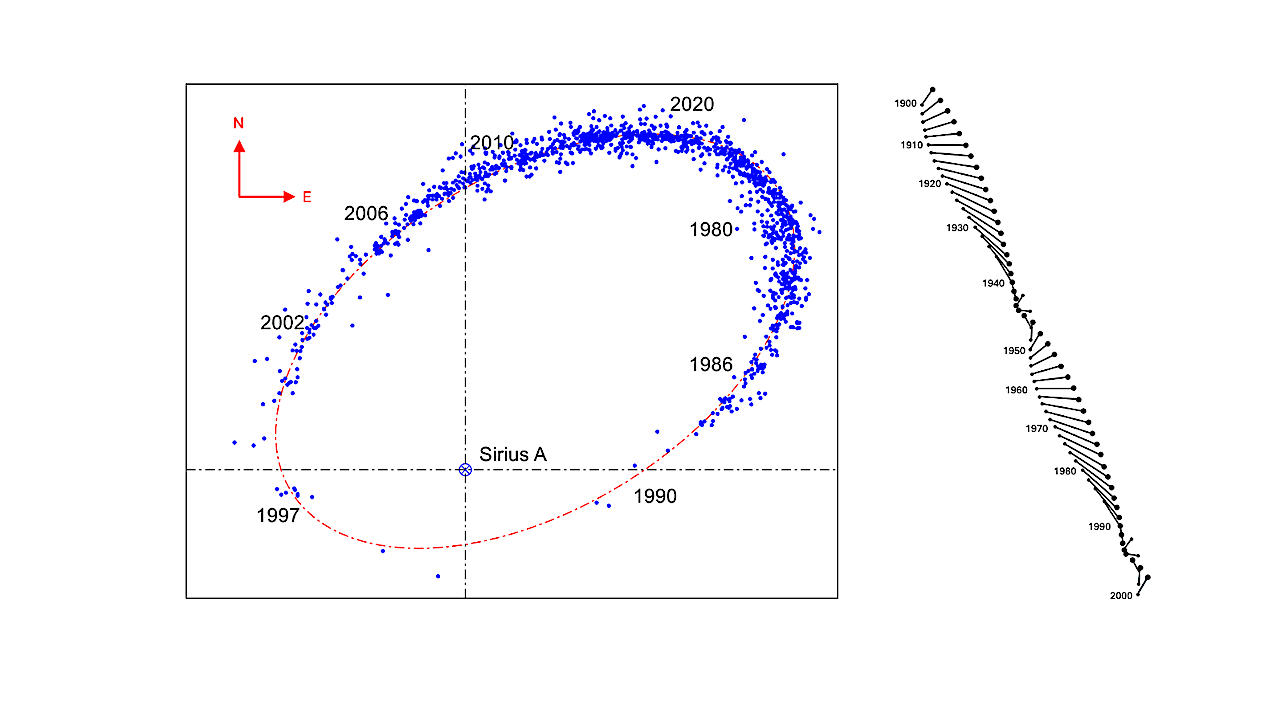
Left panel: Multiple observations of proper motion of Sirius B from 1980 to 2022. From Earth, the separation between Sirius A and B varies between 3 and 11 arcsec on

Keith Cowing Explorers Club Fellow, ex-NASA Space Station Payload manager/space biologist, Away Teams, Journalist, Lapsed climber, Synaesthete, Na’Vi-Jedi-Freman-Buddhist-mix, ASL, Devon Island and Everest Base Camp veteran, (he/him) 🖖🏻 Follow on
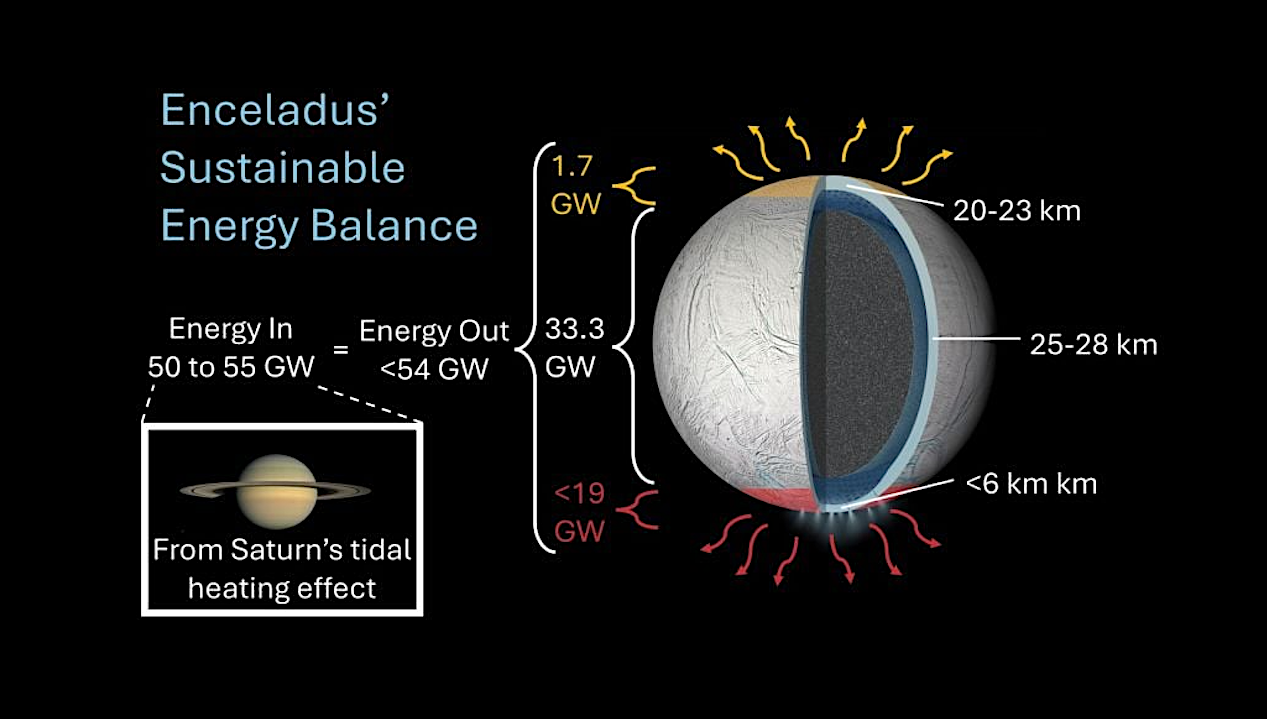
The new study constrained the Enceladus’ global conductive heat flow by studying its seasonal temperature variations at its north pole (yellow). These results, when combined with existing ones of its