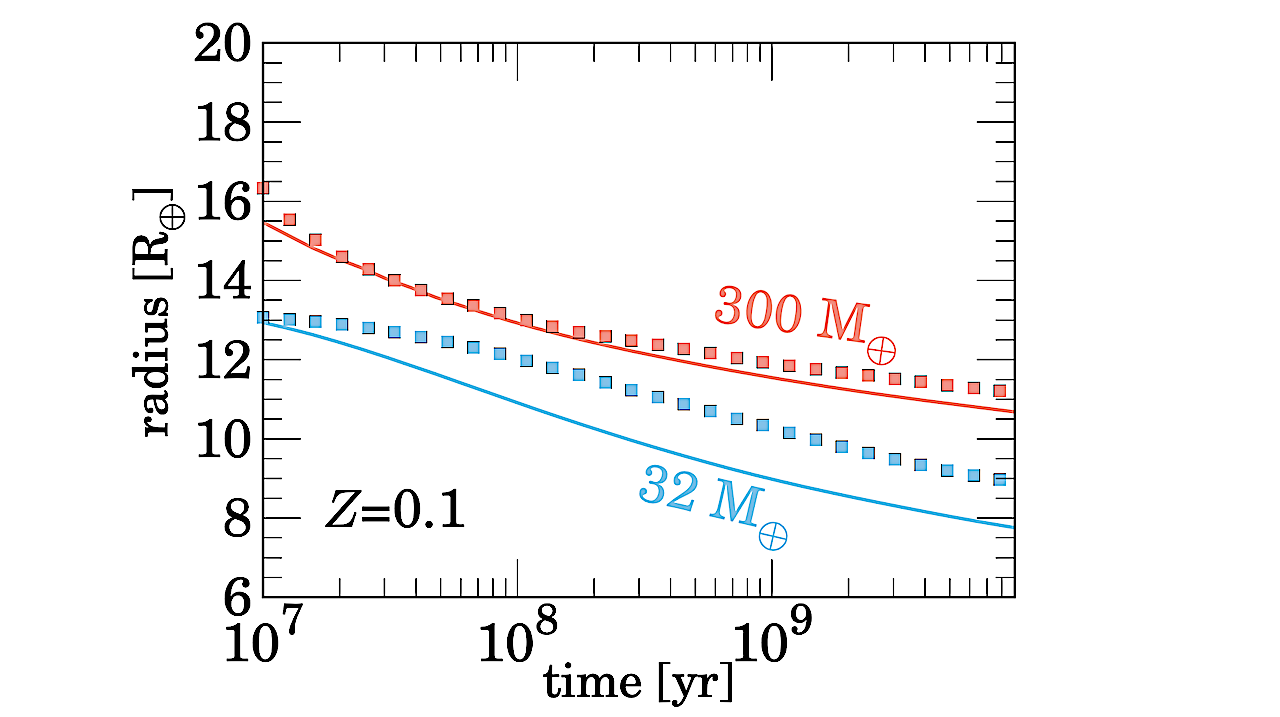
Radius evolution for a metal-enriched planet (Z=0.1) as computed with our approach (square points) versus the planetsynth models of M¨uller & Helled (2021) (solid curves; note that they employ a

Radius evolution for a metal-enriched planet (Z=0.1) as computed with our approach (square points) versus the planetsynth models of M¨uller & Helled (2021) (solid curves; note that they employ a
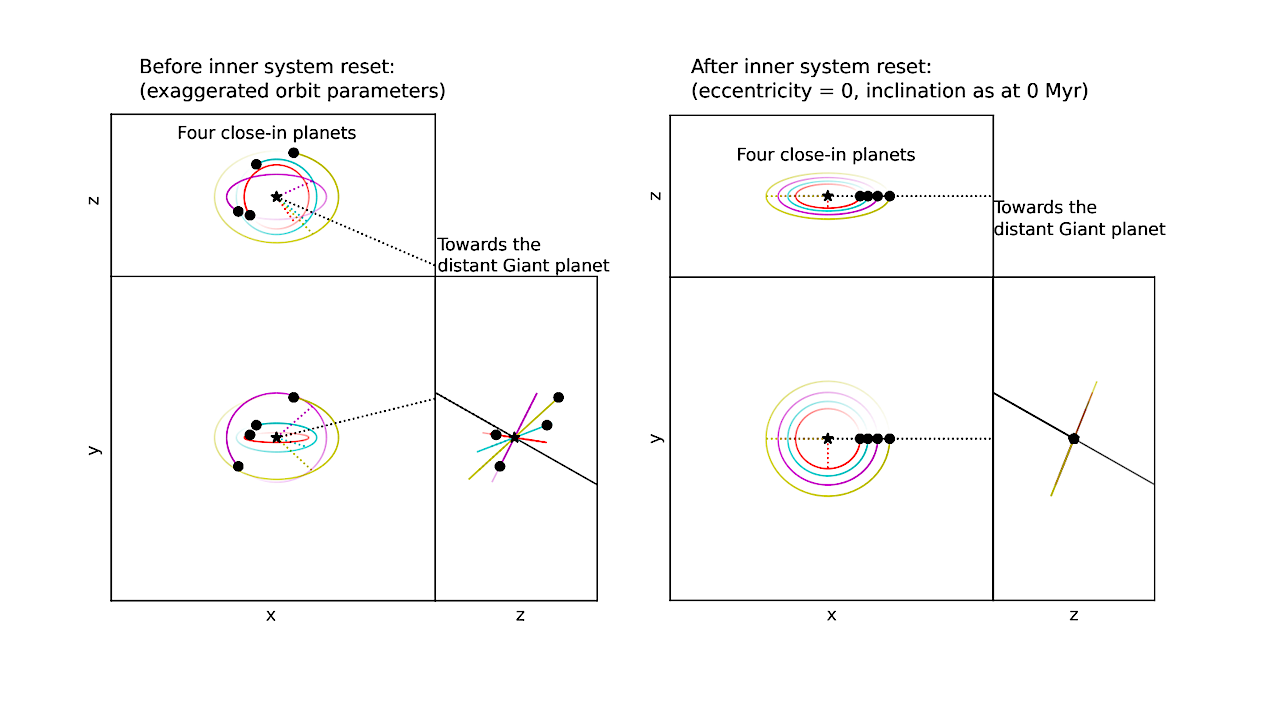
Schematic showing the reset approach applied for the close-in four-planet system. The left graphic shows “exaggerated” orbits of the four planets after the encounter when they are on slightly eccentric,
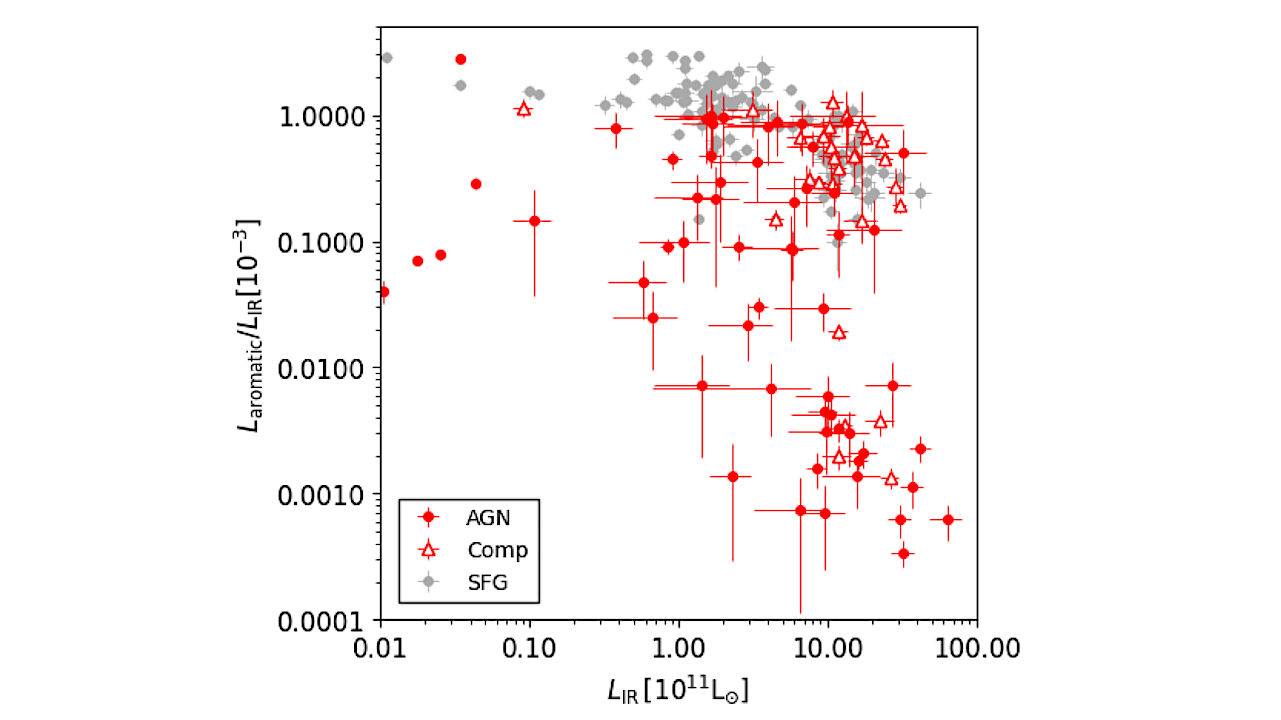
Scatter plot of Laromatic/LIR as a function of LIR for the AGNdominated (red circles) and AGN-SF-composite galaxies (red triangles). The gray circles show the relationship for the SFG sample. —
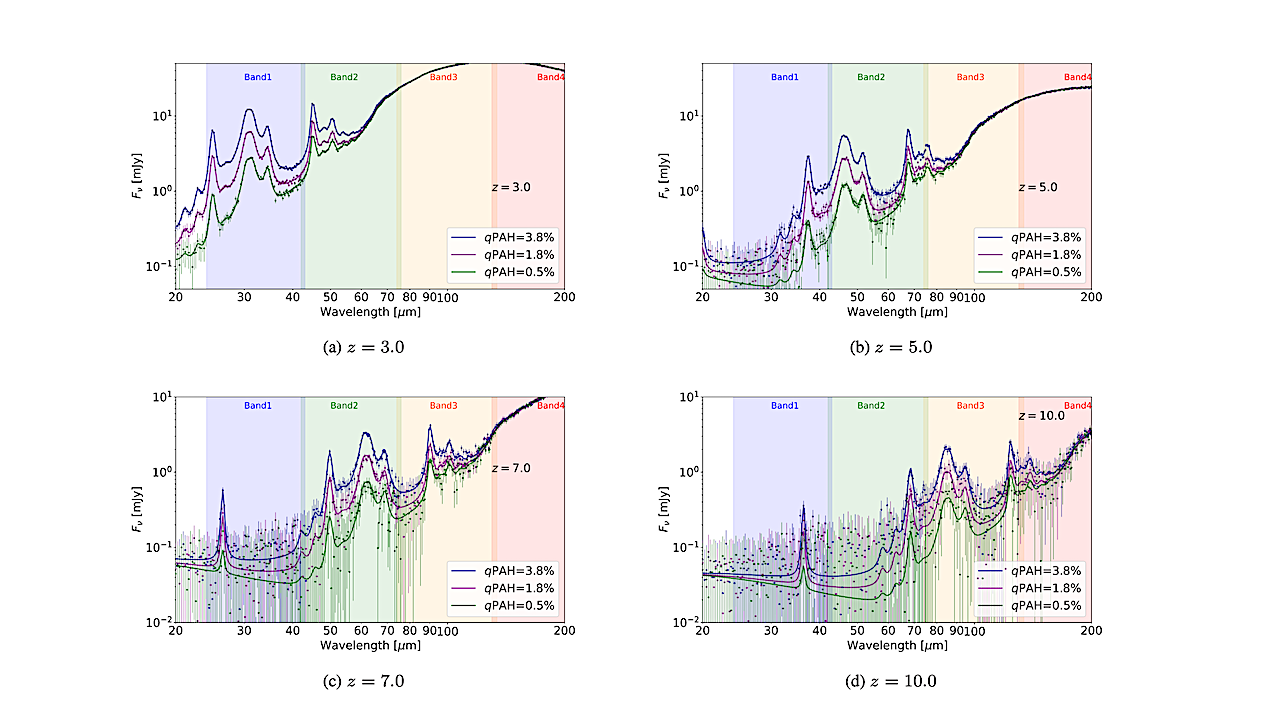
Simulated PRIMA/FIRESS spectrum of the PAH emission based on the model spectrum for a galaxy with log(LIR/L⊙)= 13.6 in Fig.7(b) for selective redshifts (z = 3, 5, 7, 10). In
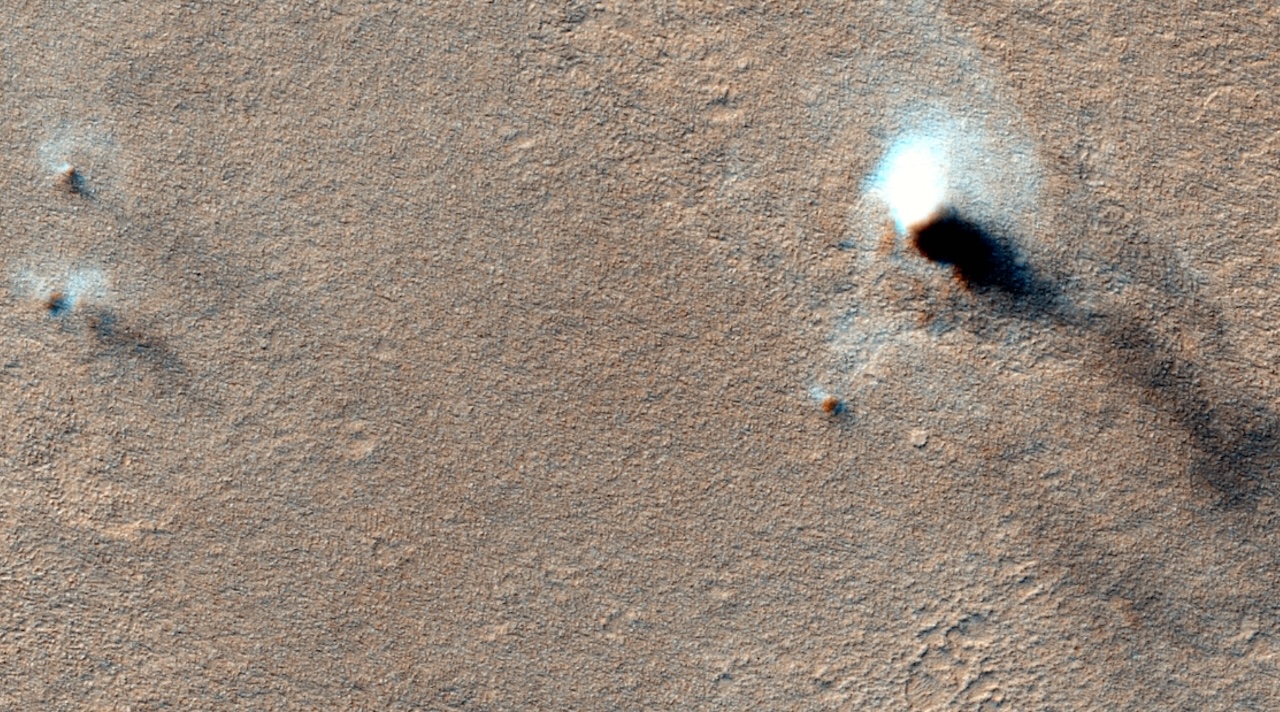
Image of a dust devil, whirlwind of dust that is blown across Mars’ surface. Credit CC BY SA 3.0 IGO ESA/TGO/CaSSIS for CaSSIS Despite the very thin Martian atmosphere, there
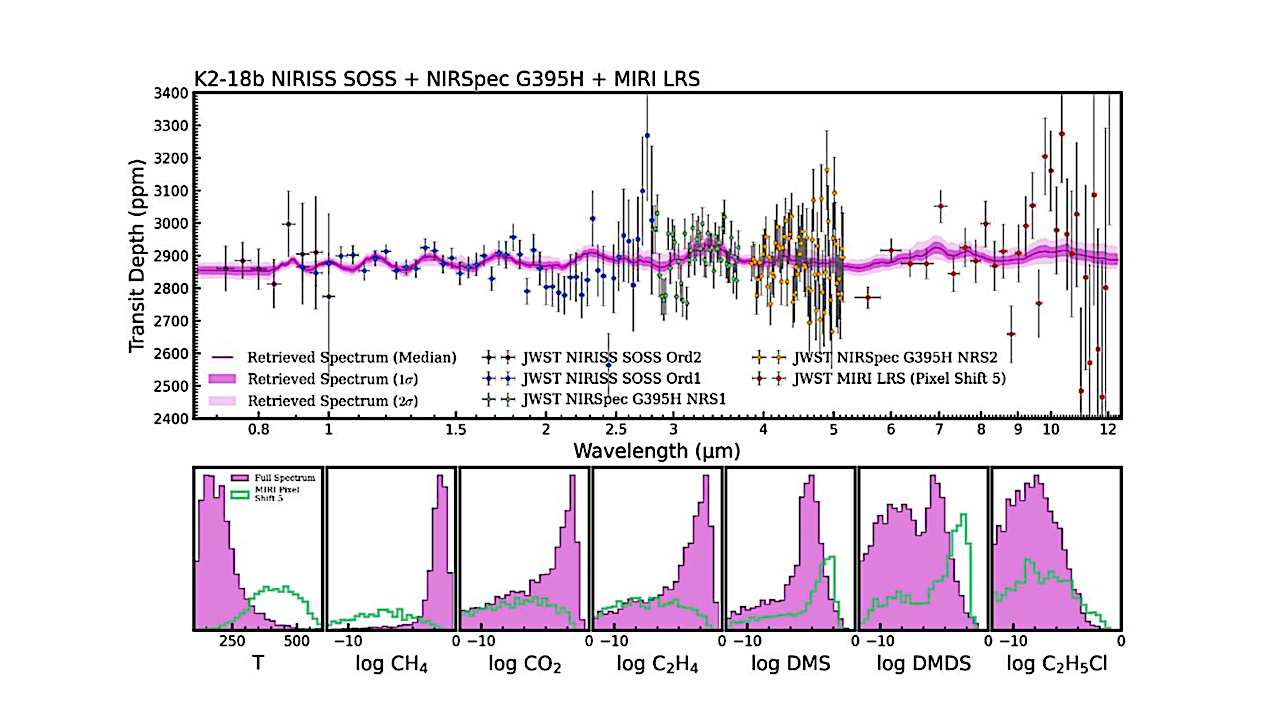
Retrieval results on the full spectrum for three difference MIRI pixel shifts. The top panel shows the transit spectrum with the median retrieved spectral model and representative 1σ and 2σ
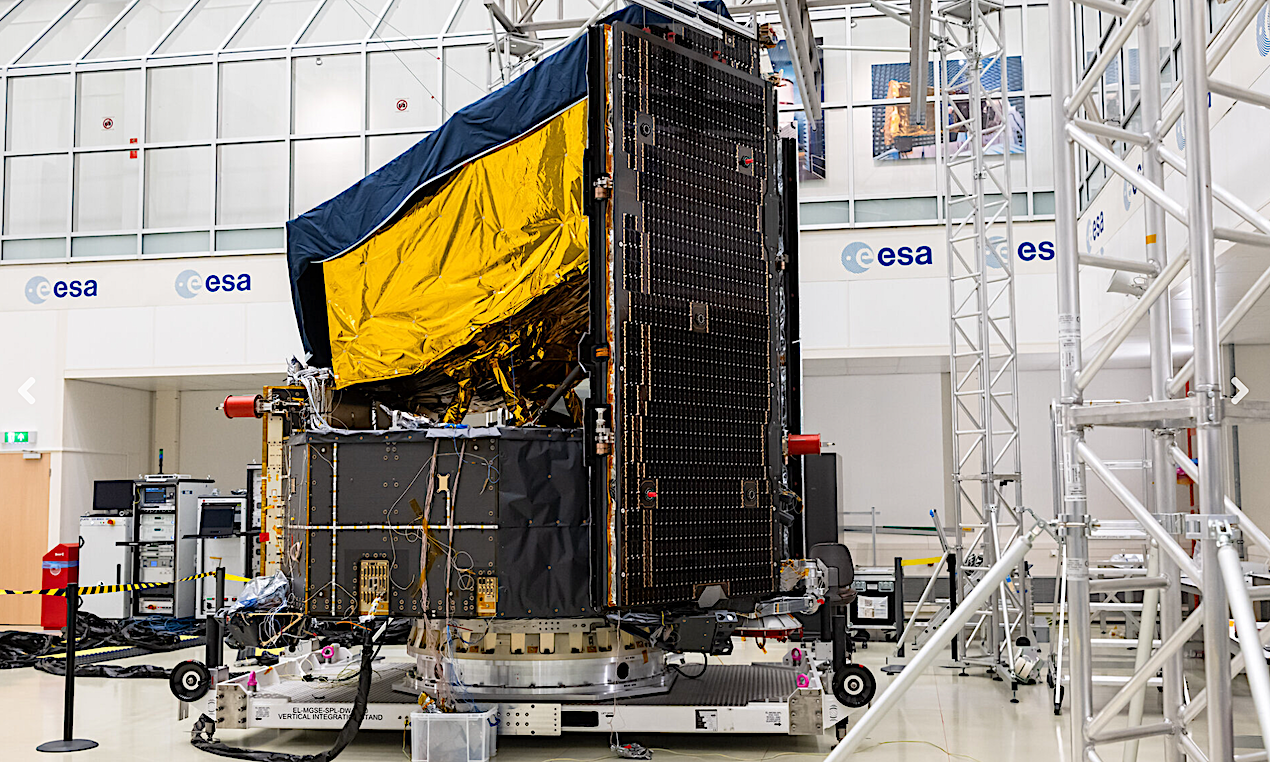
Plato — ESA By fitting its sunshield and solar panels, engineers have completed the construction of Plato, the European Space Agency’s mission to discover Earth-like exoplanets. Plato is on track
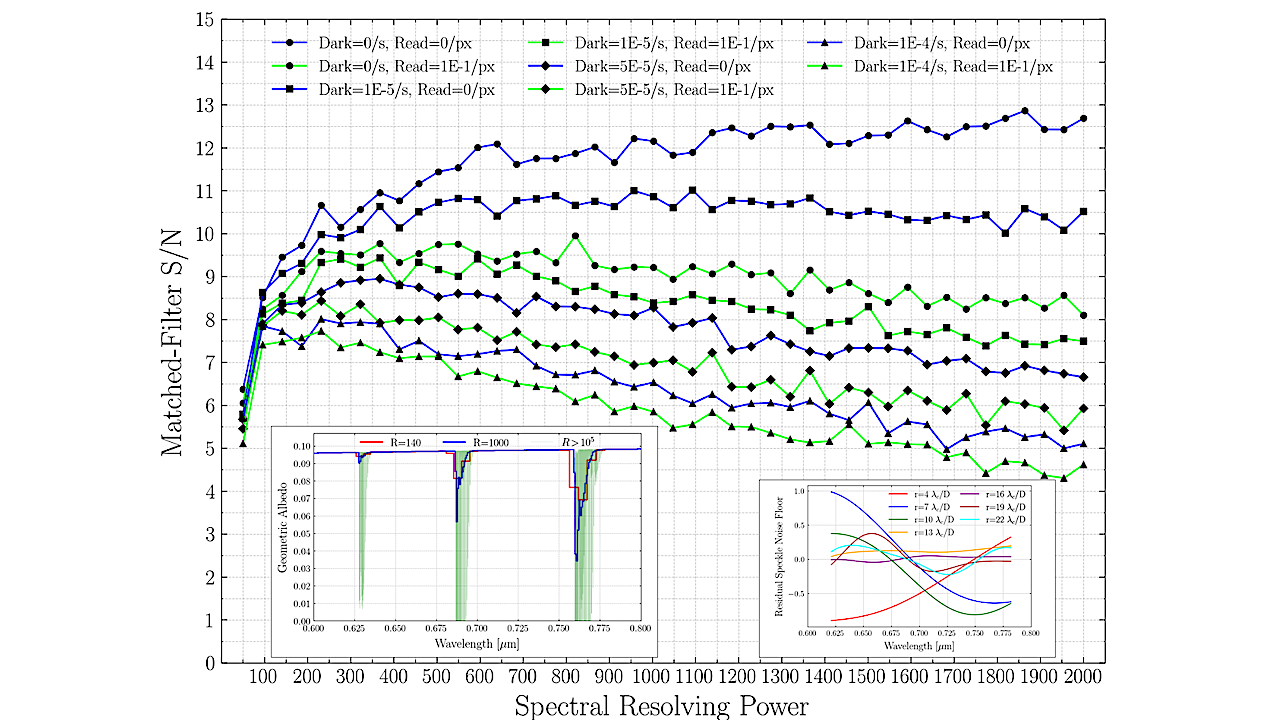
Fluidic Telescopes – We present a conceptual framework for optically designing space-assembled telescopes whose primary mirror is formed in situ via the enabling, scale-invariant technology of fluidic shaping. — astro-ph.IM
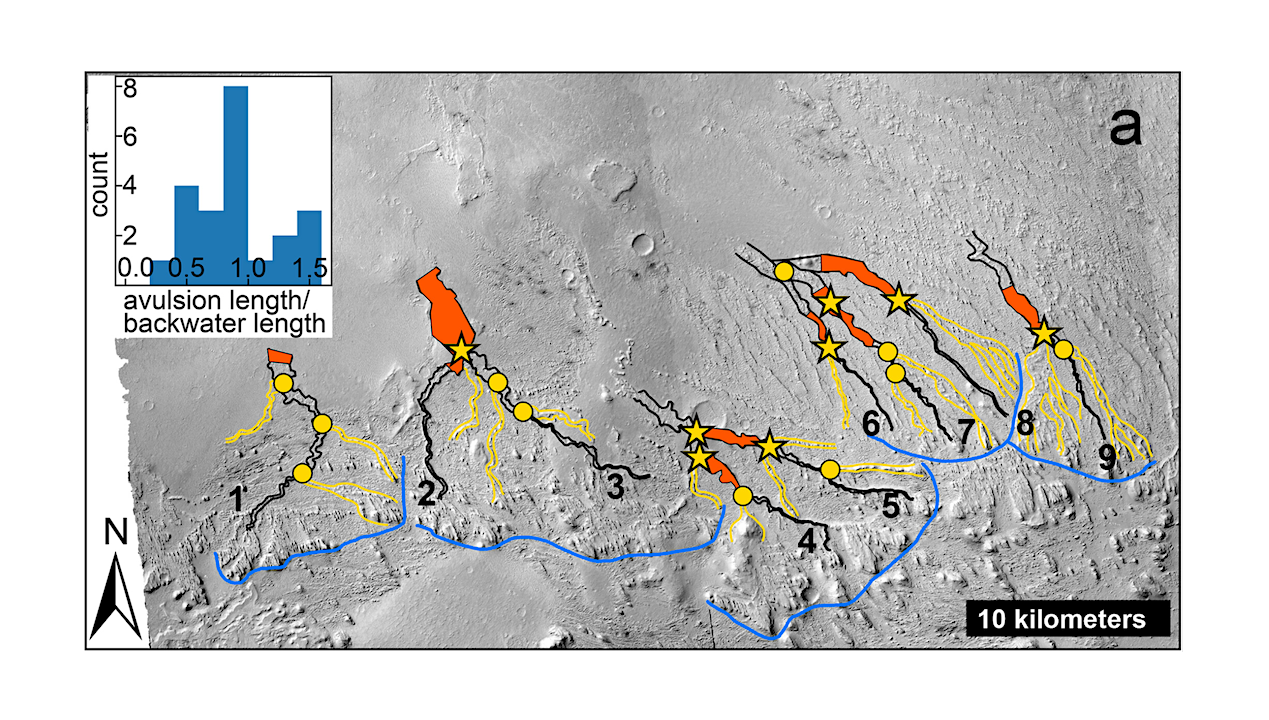
Mapped CBs (channel belts) outlined in black and the putative shorelines in blue. Yellow outlines indicate avulsed CB paths. The backwater/belt-width window for each CB is shown in orange. Avulsion
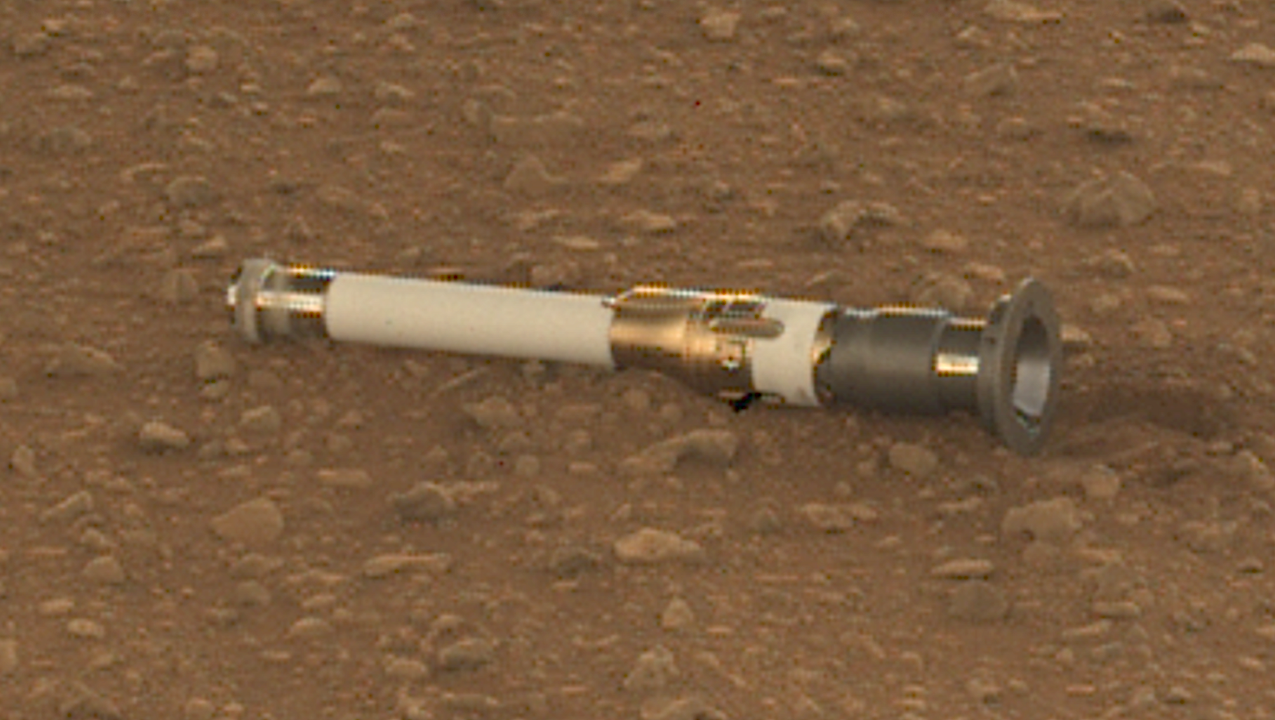
NASA’s Perseverance rover deposited the first of several samples onto the Martian surface on Dec. 21, 2022, the 653rd Martian day, or sol, of the mission. Credit: NASA/JPL-Caltech/MSSS The Mars