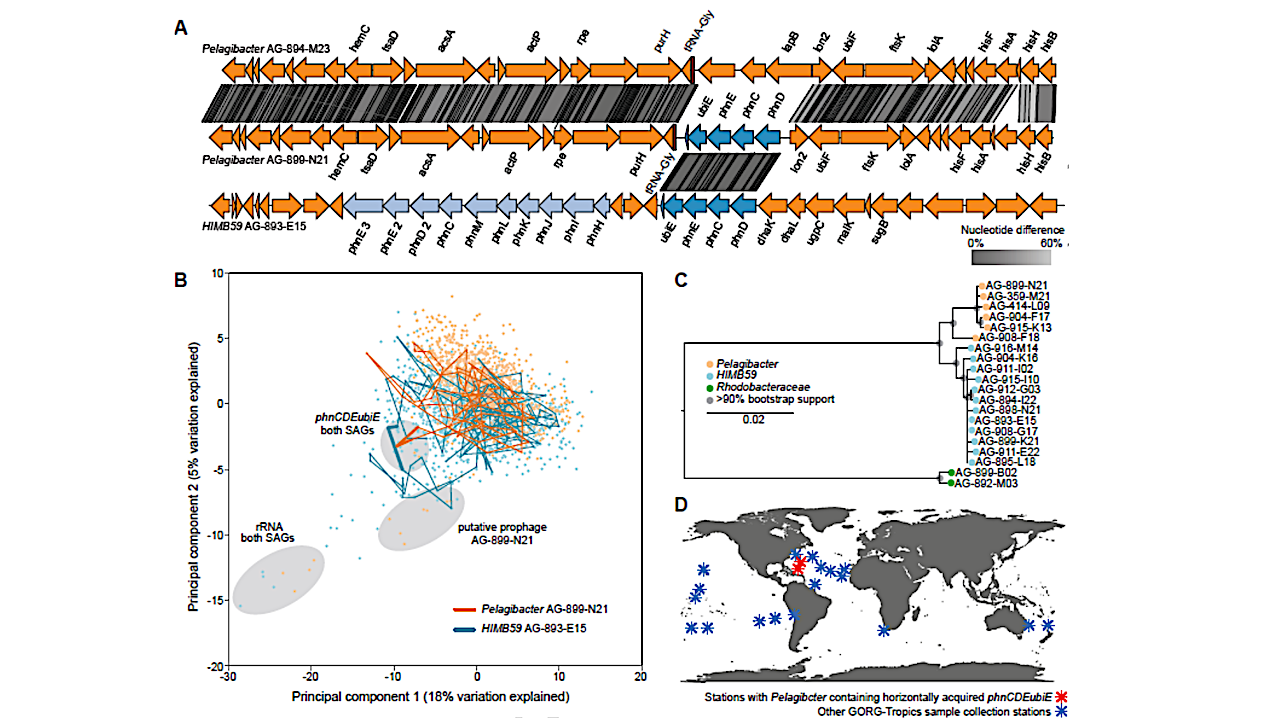
Evidence for recent LGT and non-homologous recombination of an organophosphate transporter operon phnCDEubiE between HIMB59 and Pelagibacter. (A) Presence of phnCDEubiE genes in only one of the two Pelagibacter genomes

Evidence for recent LGT and non-homologous recombination of an organophosphate transporter operon phnCDEubiE between HIMB59 and Pelagibacter. (A) Presence of phnCDEubiE genes in only one of the two Pelagibacter genomes
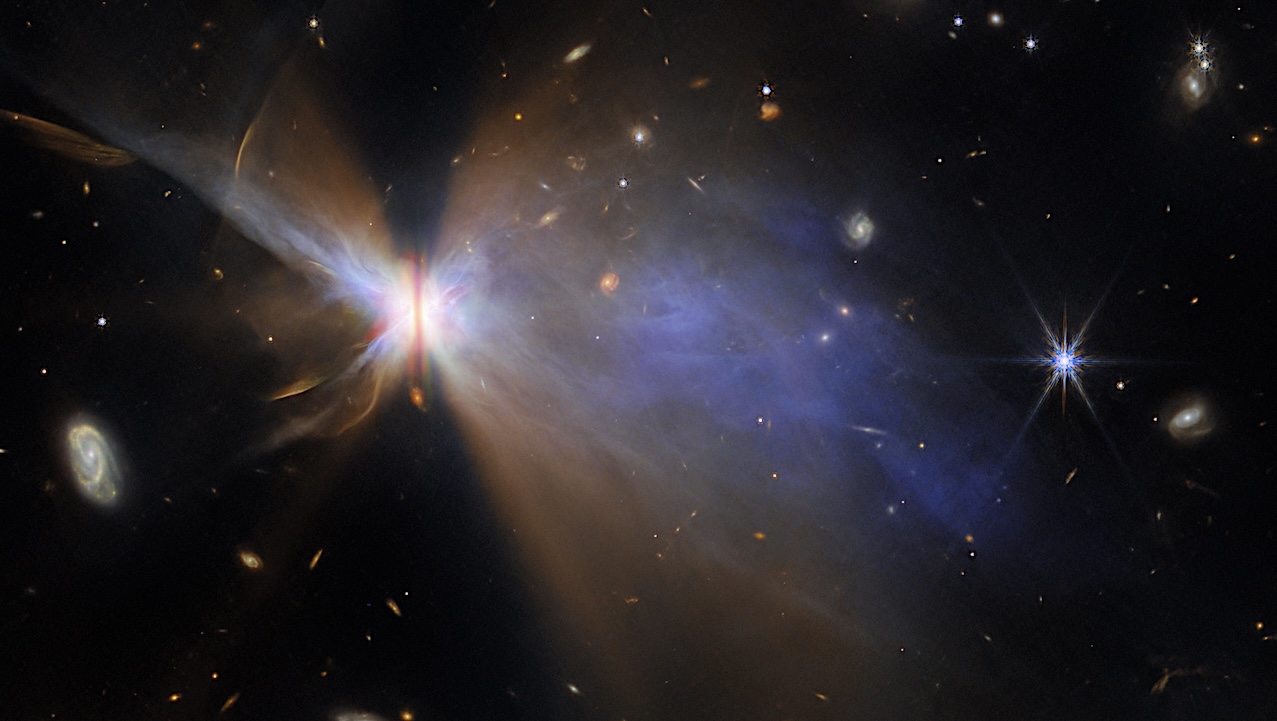
NASA/ESA/CSA James Webb Space Telescope has provided a fantastic new view of IRAS 04302+2247, a planet-forming disc located about 525 light-years away in a dark cloud within the Taurus star-forming
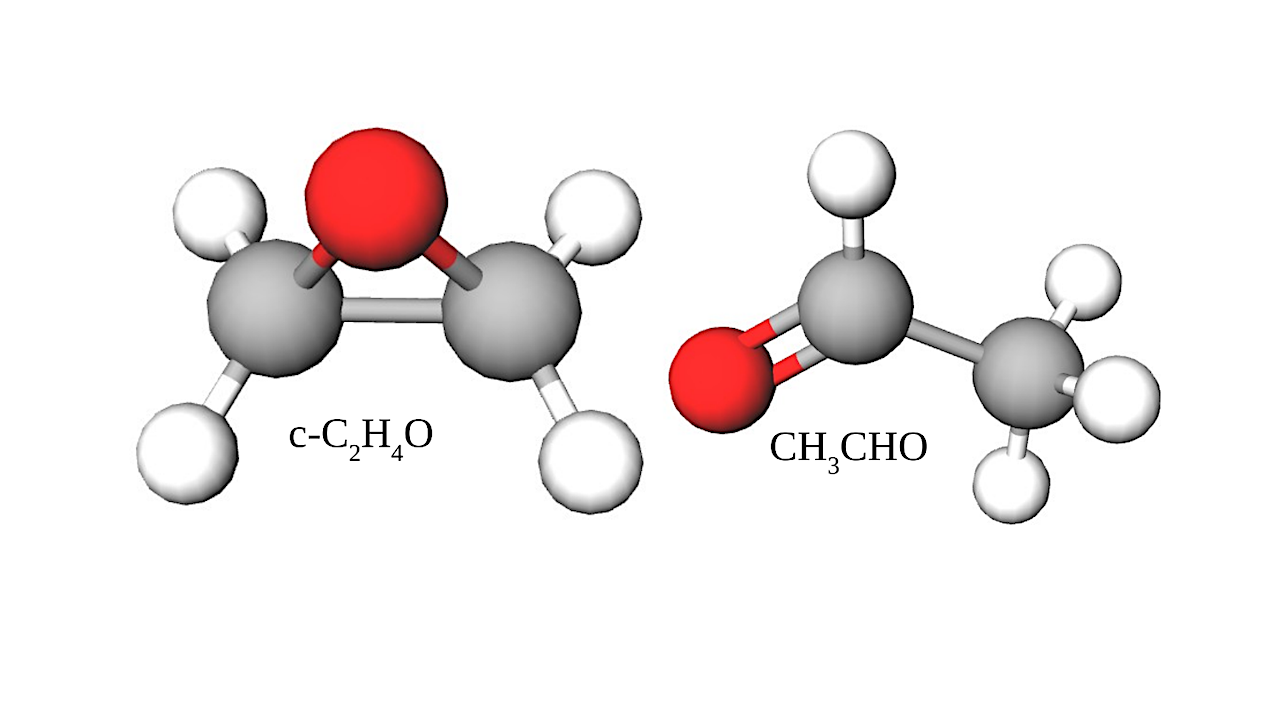
Molecular structures of c-C2H4O and CH3CHO. The grey, white, and red spheres represent the C, H, and O atoms, respectively. — astro-ph.GA Ethylene oxide (c-C2H4O) and its isomer, acetaldehyde (CH3CHO),
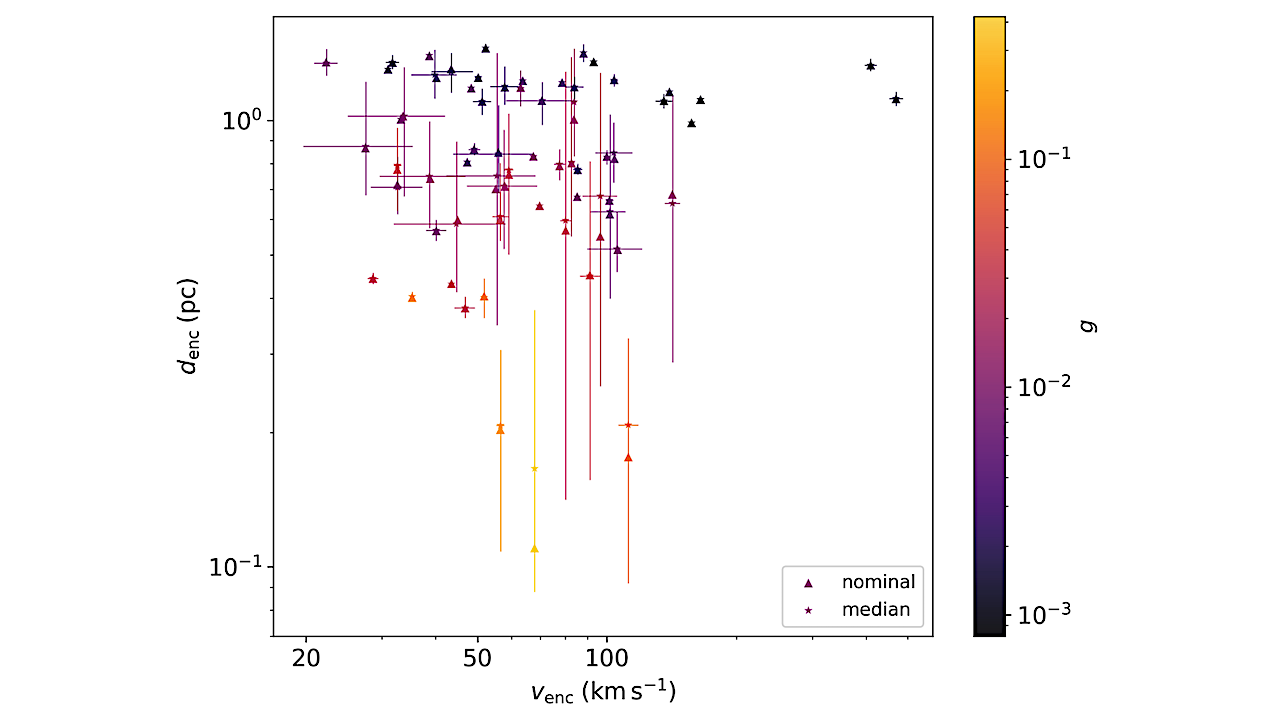
Distributions of nominal and median encounter distances denc and encounter speeds venc for encounters with each 95% quantile of denc below 1.5 pc. The left panel represents the nominal values
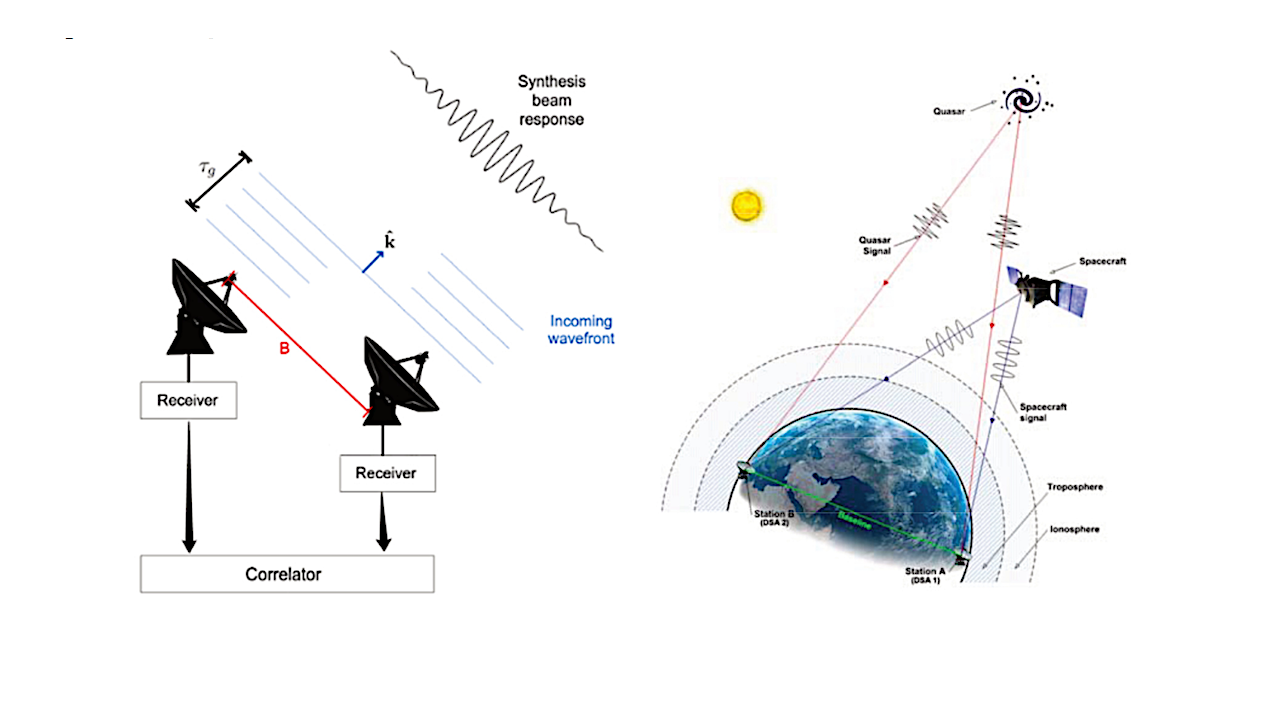
Left: An interferometer with two antennas, separated by a baseline B and has a time delay between the wavefront reaching the receivers of τg. The fringe pattern is shown, with
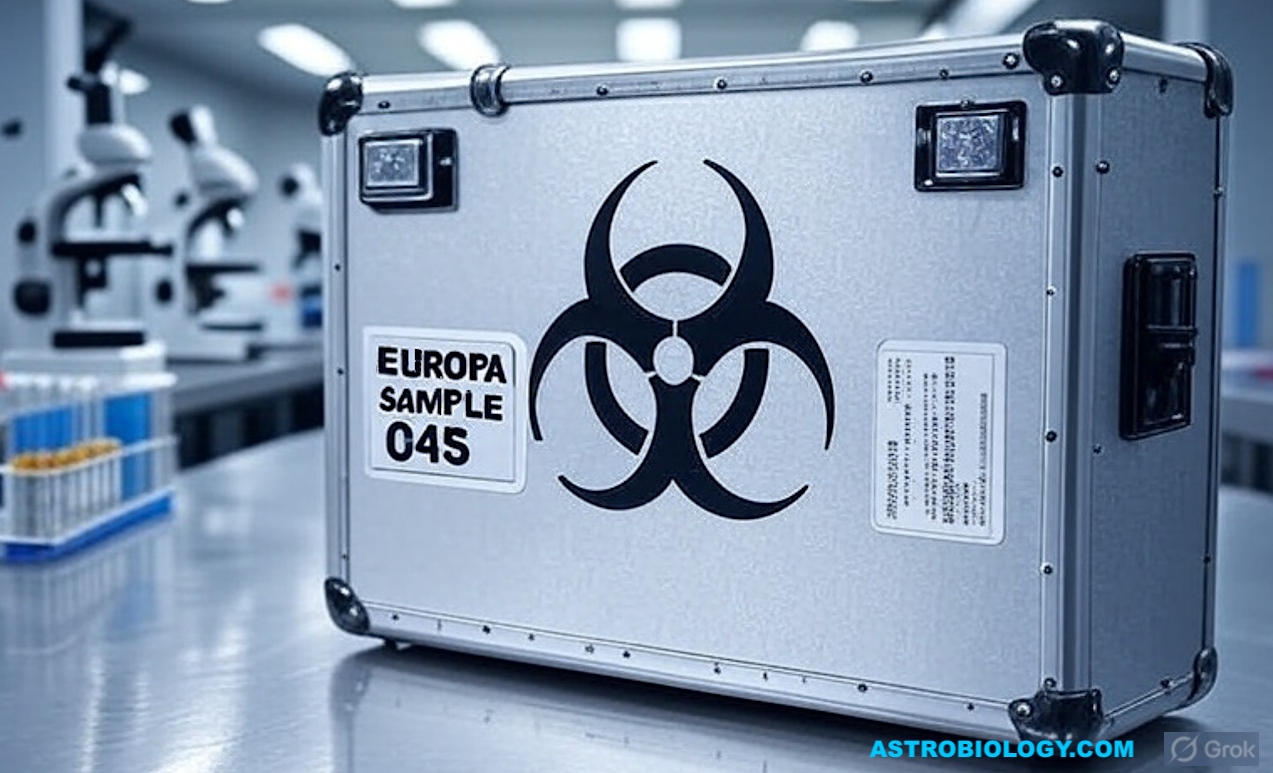
A Sample From One Potentially Habitable World Examined On An Inhabited World — Grok via Astrobiology.com Exploring our solar system and returning pieces of it to Earth is a central

Prebiotic Chemistry on Early Earth – Grok via Astrobiology.com Chemical and geological processes on prebiotic Earth are believed to have resulted in the emergence of life through the increasing organization

Astrobiology Science Conference 2026 Submit a Session or Town Hall Proposal for the Astrobiology Science Conference 2026 Join the astrobiology community in Madison, Wisconsin, 17-22 May 2026 for AbSciCon26. AbSciCon26
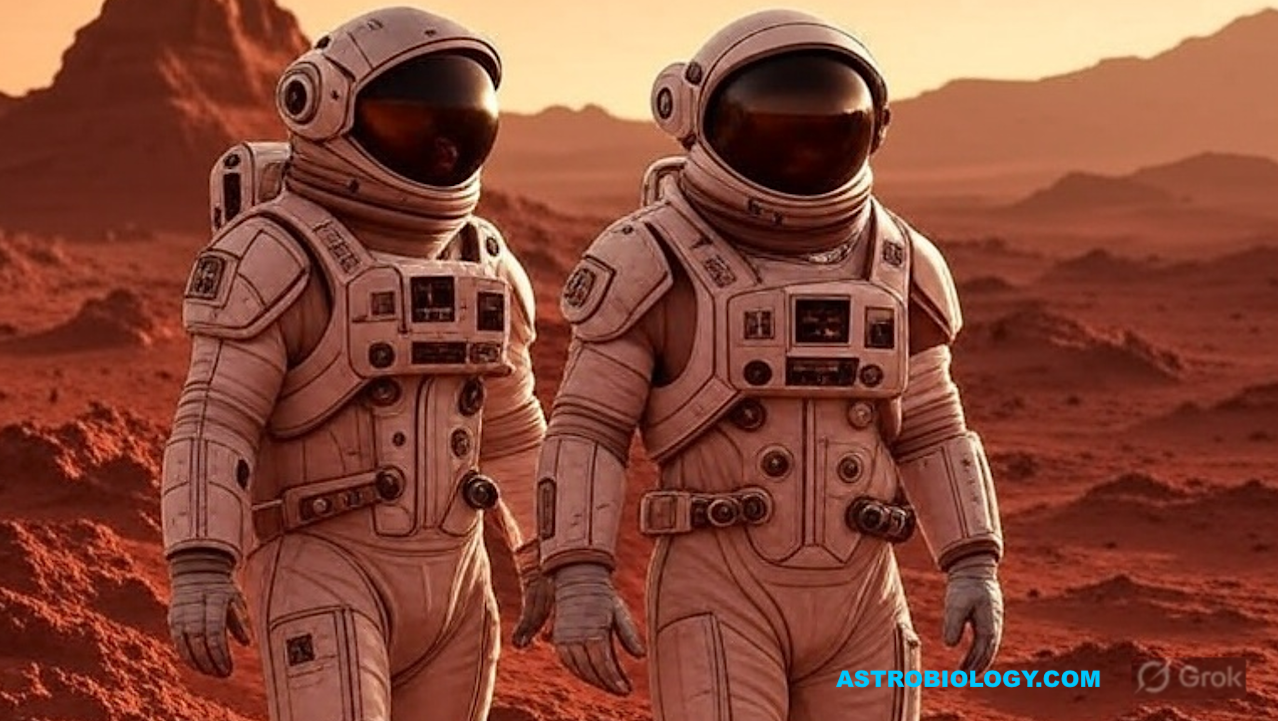
Humans on Mars — Grok via Astrobiology.com As focus for exploration of Mars transitions from current robotic explorers to development of crewed missions, it remains important to protect the integrity
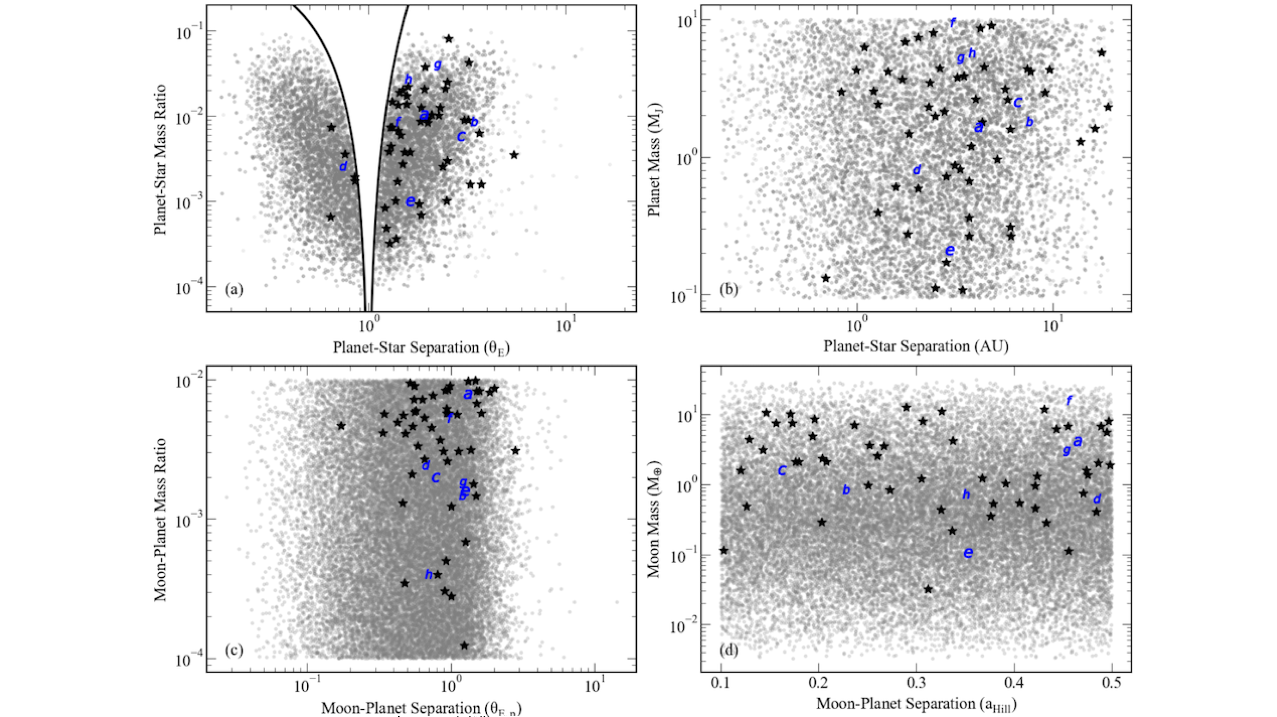
Physical parameters of the simulated events with and without detected moons. In each panel, the grey points show the events our simulation where a moon was not detected, i.e., these