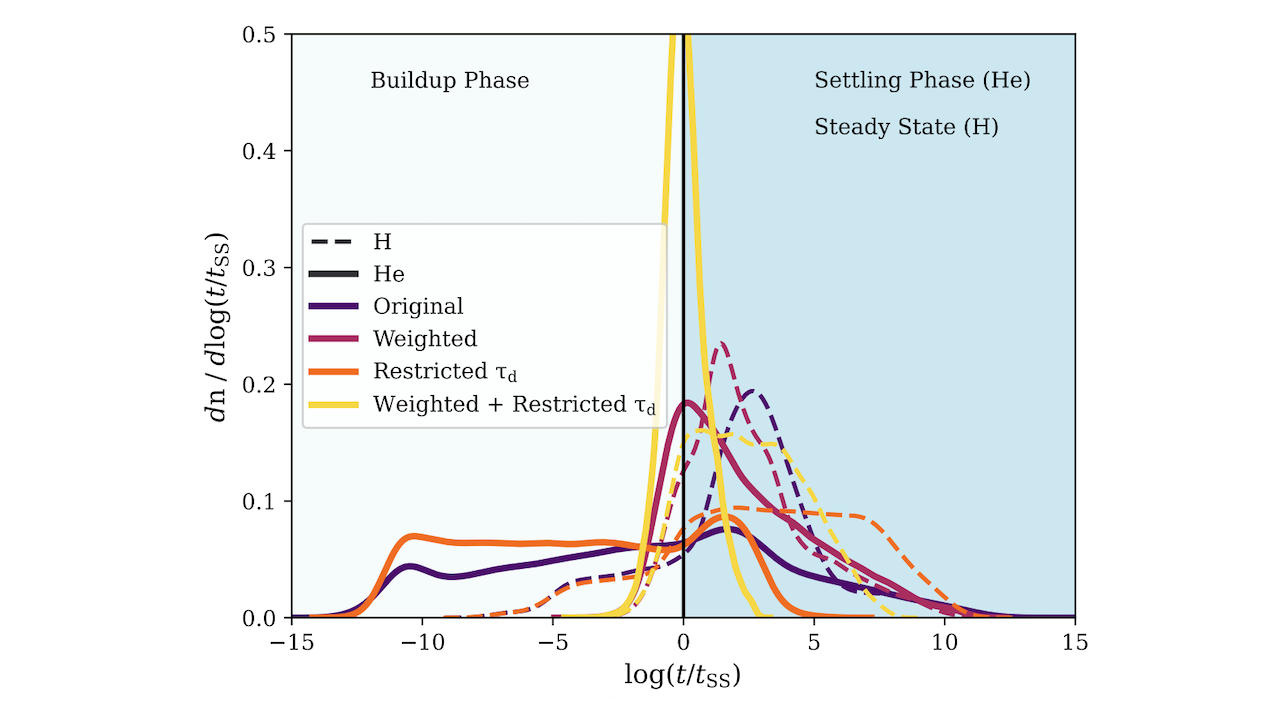
The distribution of accretion parameters relative to steady state derived from the posteriors of the MCMC tests, separated based on the dominant atmospheric species. To compare accretion phases, we have

The distribution of accretion parameters relative to steady state derived from the posteriors of the MCMC tests, separated based on the dominant atmospheric species. To compare accretion phases, we have
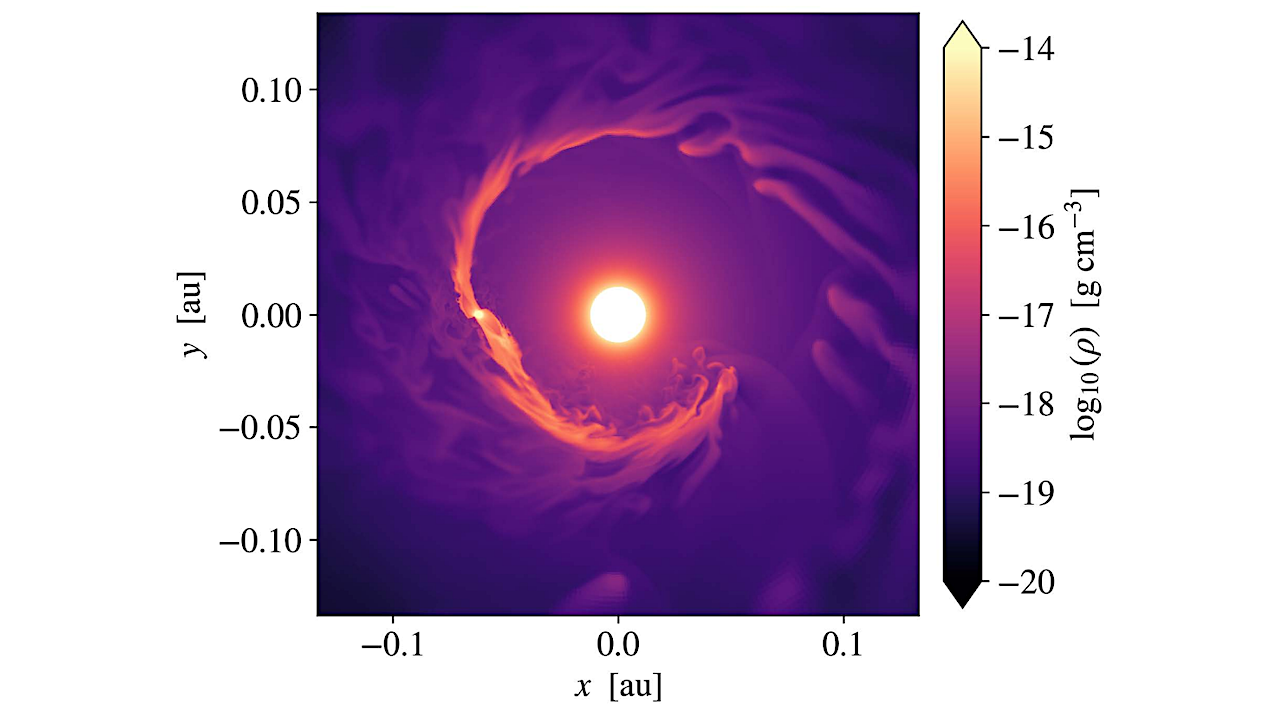
3D hydrodynamic simulation of atmospheric escape from Ref. 8, for a system similar to HAT-P-67 b. Figure 2a shows the gas density. The star is in the center of the
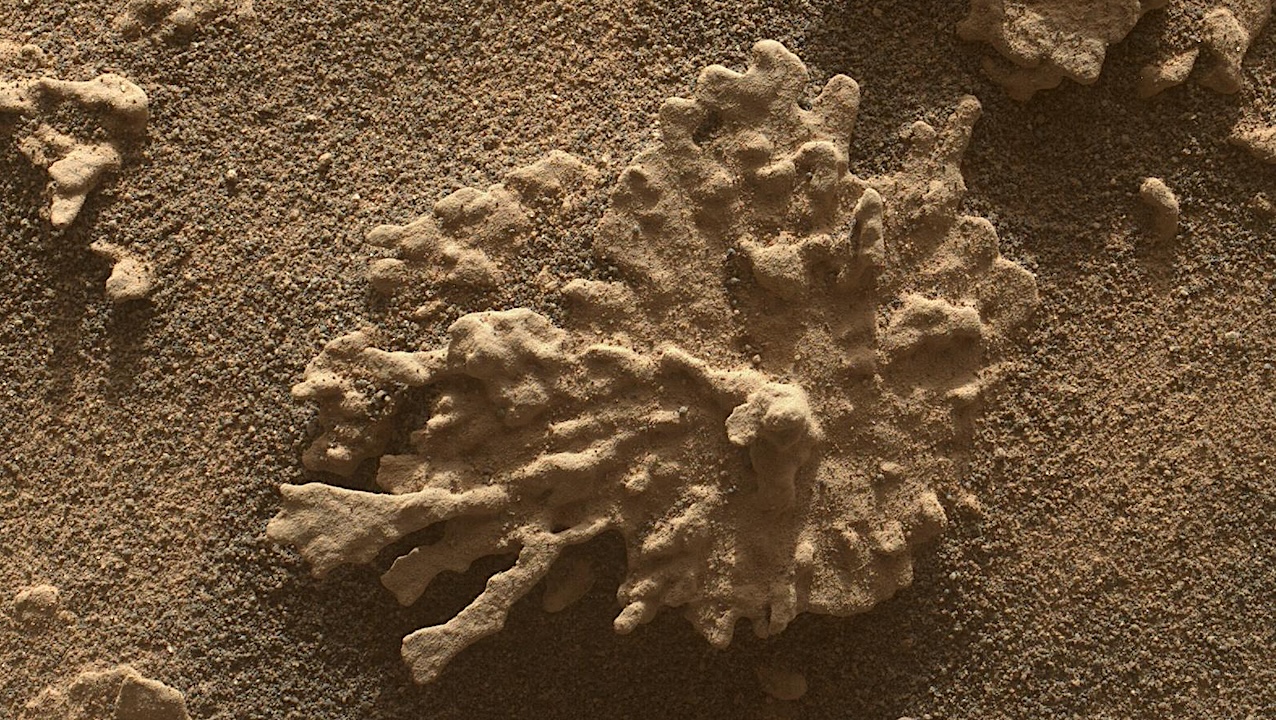
NASA’s Curiosity Mars rover used its Mars Hand Lens Imager (MAHLI), a camera on the end of its robotic arm, to view this wind-eroded rock shaped like a piece of
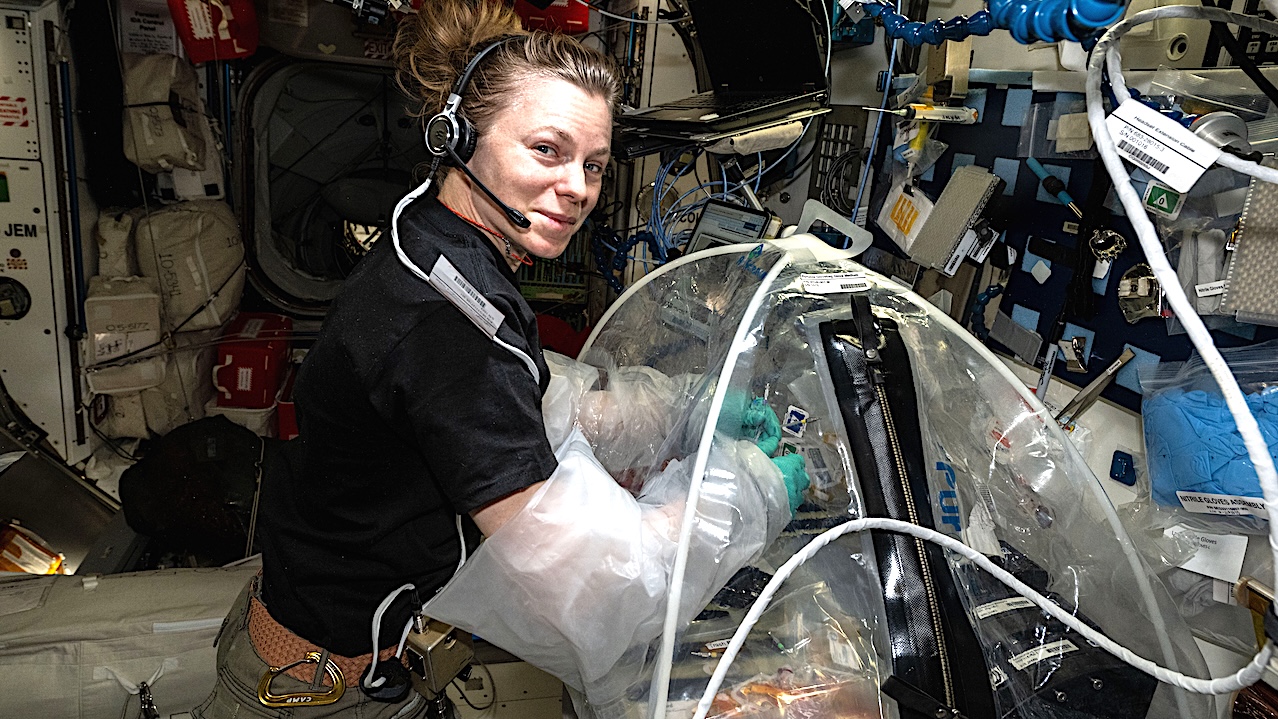
NASA ID: iss073e0545092 iss073e0545092 (Aug. 26, 2025) — larger image NASA astronaut and Expedition 73 Flight Engineer Zena Cardman works inside a portable glovebag aboard the International Space Station’s Harmony
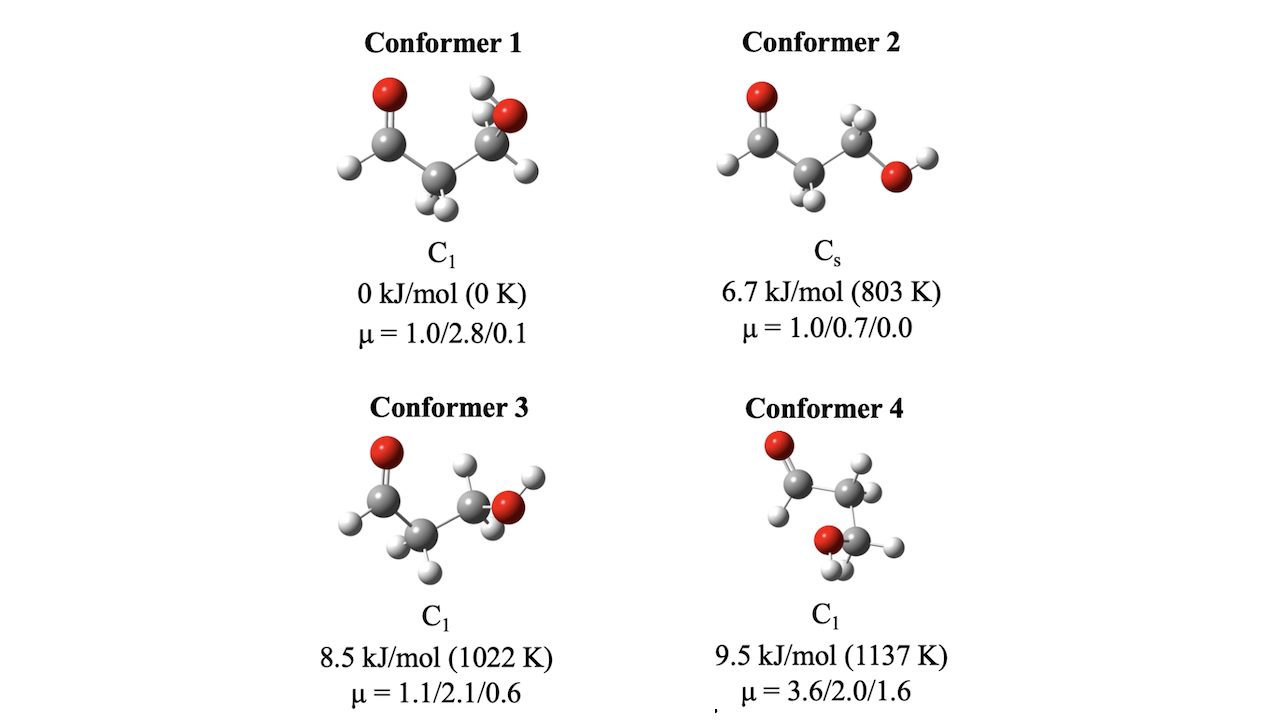
The structures and relative zero-point-corrected energies (in kJ/mol and kT-equivalent temperature) of the four most stable conformers of 3-hydroxypropanal. The dipole moments are listed as µa/µb/µc. The point group of
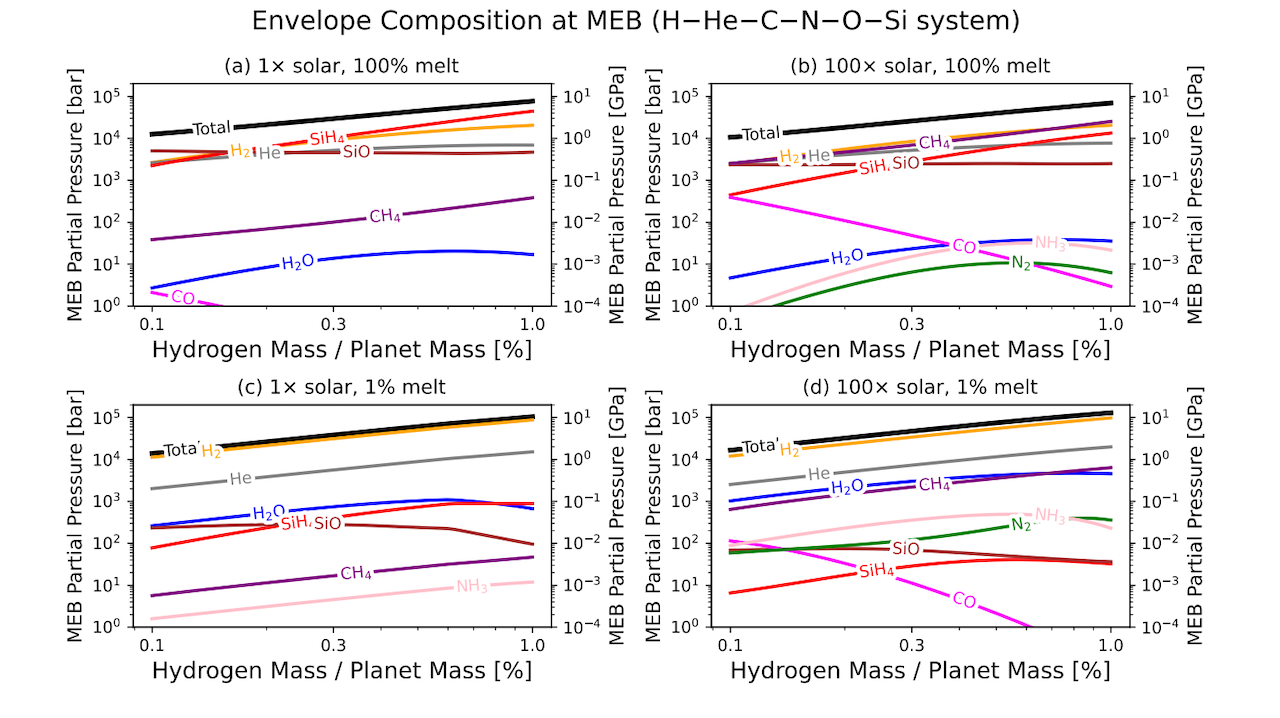
Envelope composition in the H–He–C–N–O–Si chemical system of TOI-421b (𝑅MEB = 1.65𝑅⊕, 𝑅𝑃 = 2.64𝑅⊕, 𝑀𝑃 = 6.7𝑀⊕, 𝑇MEB = 3000 K) as a function of H mass fraction. Elemental
The recent discovery of the third known interstellar object (ISO), 3I/ATLAS, has brought about another round of debate on whether these objects could potentially be technological in origin. Everything from
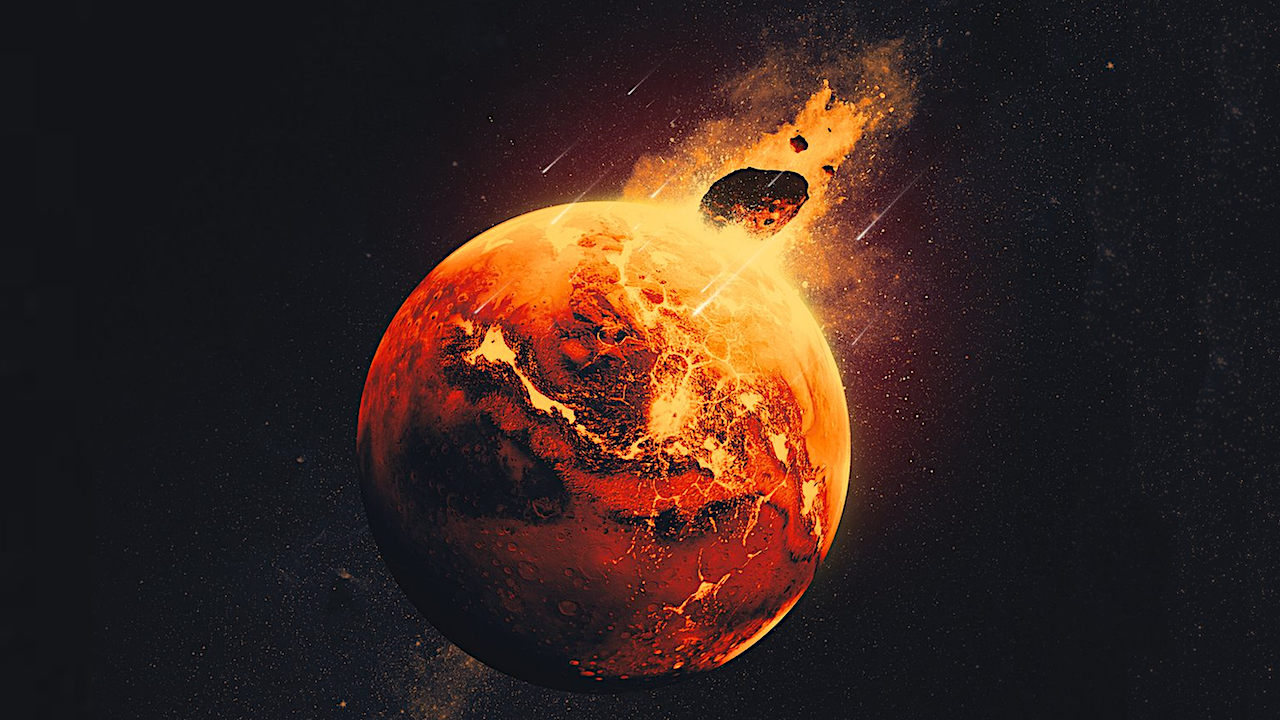
Scientists believe giant impacts — like the one depicted in this artist’s concept — occurred on Mars 4.5 billion years ago, injecting debris from the impact deep into the planet’s
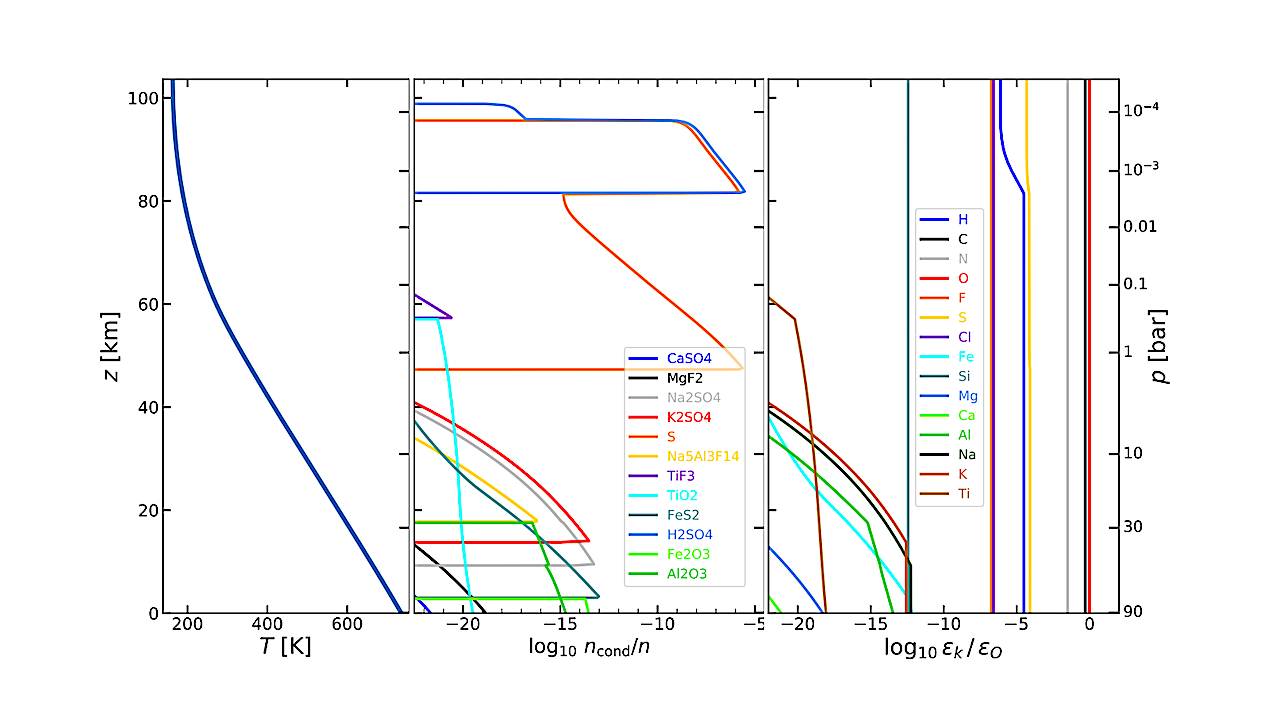
Left: Assumed temperature/pressure structure of the Venus atmosphere. Centre: The concentrations of condensed units ncond/n that deposit and are removed from the model when advancing to the next atmospheric height.