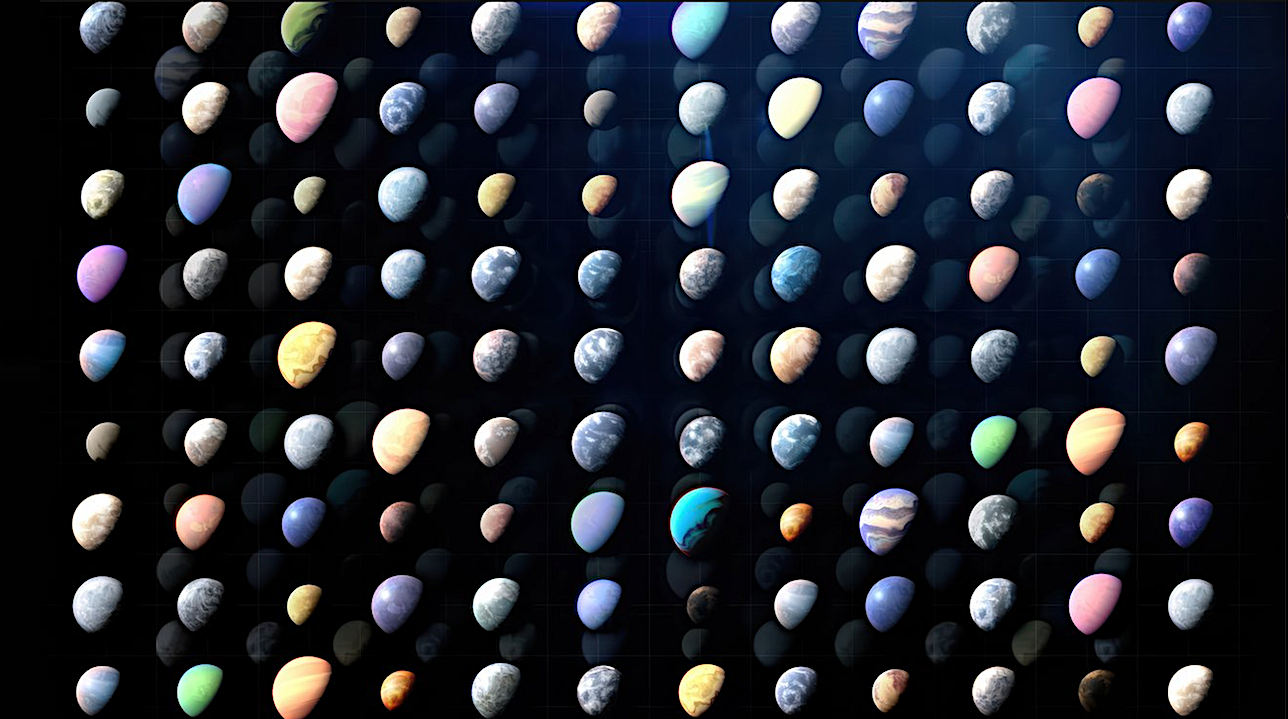
Scientists have found thousands of exoplanets (planets outside our solar system) throughout the galaxy. Most can be studied only indirectly, but scientists know they vary widely, as depicted in this

Scientists have found thousands of exoplanets (planets outside our solar system) throughout the galaxy. Most can be studied only indirectly, but scientists know they vary widely, as depicted in this
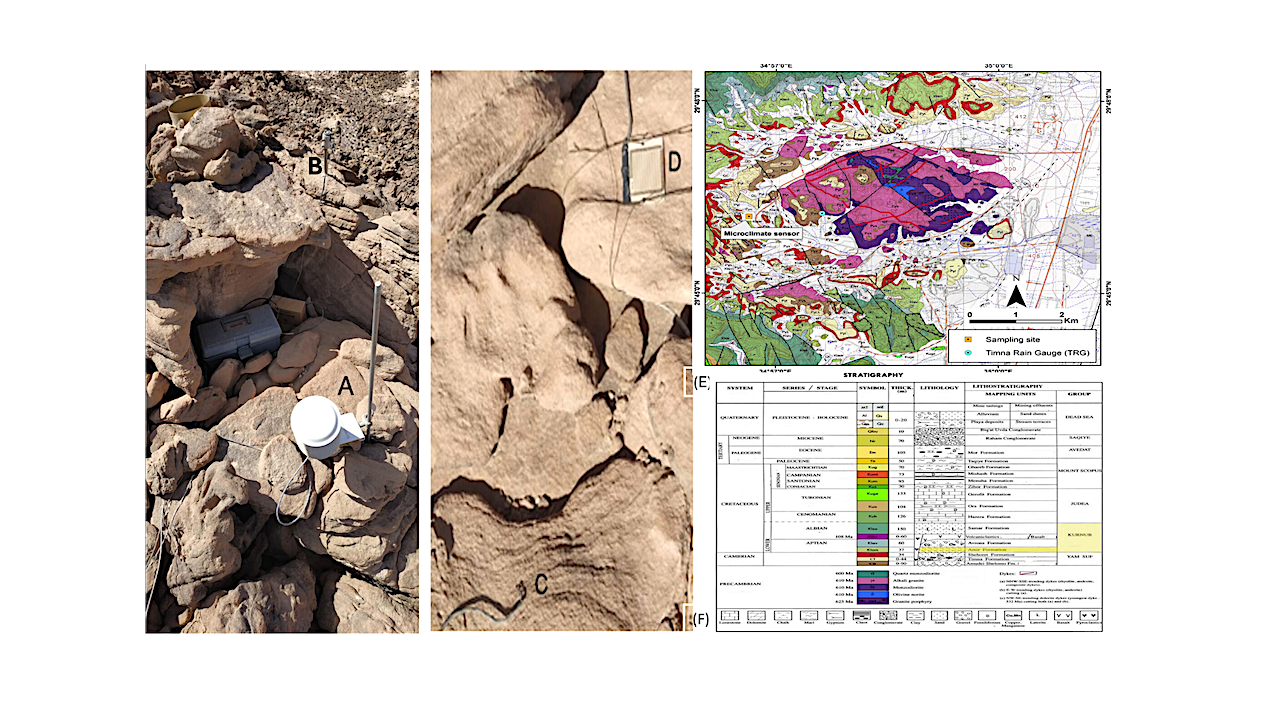
Photographs of the microclimate monitoring systems that were implemented in the study: (A) Air temperature and humidity sensor in a 12 cm diameter radiation shield. (B) Light sensor mounted ~10 cm above
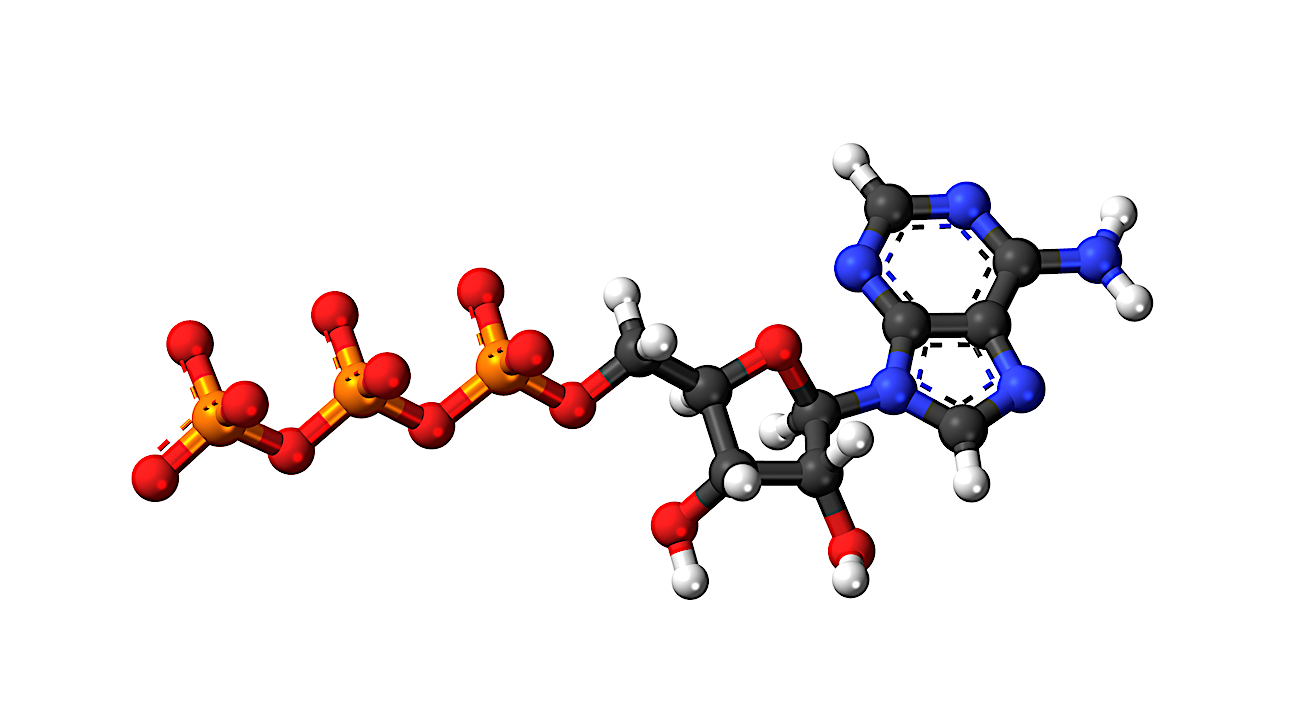
Adenosine TriPhosphate (ATP) — Wikipedia Adenosine nucleotides and polyphosphates play a significant role in biochemistry, from participating in the formation of genetic material to serving as metabolic energy currency. In
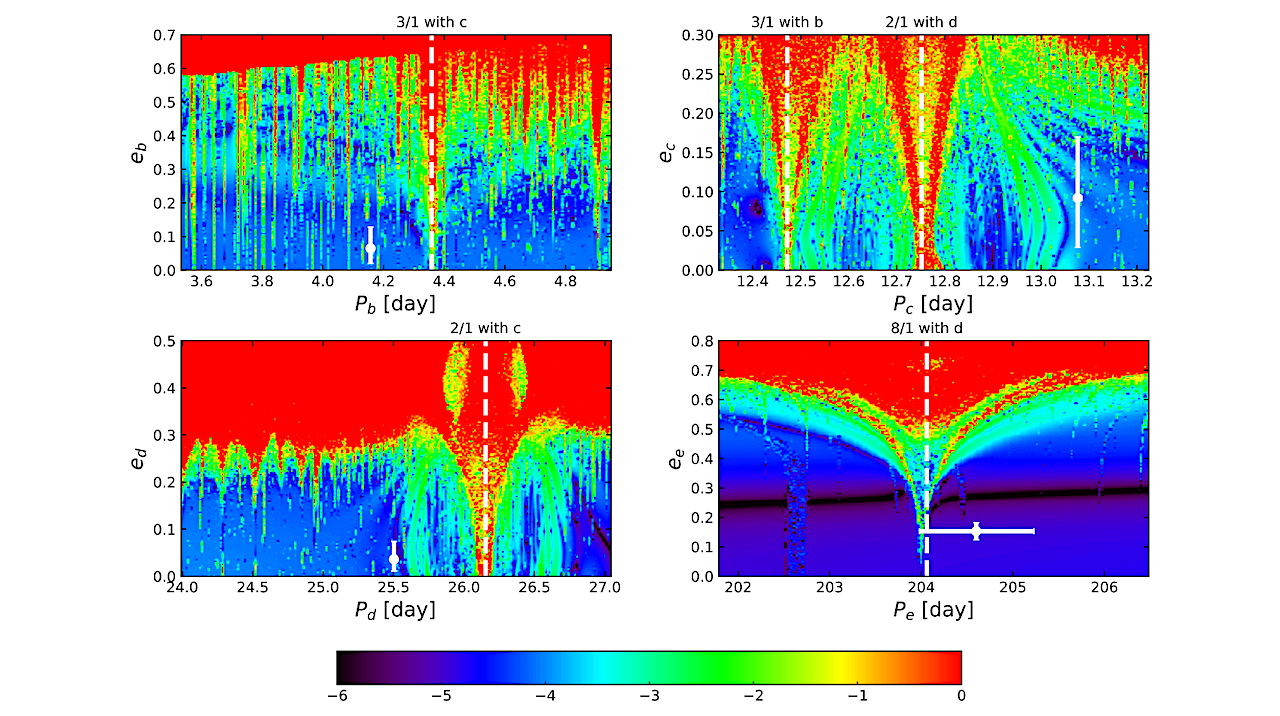
Stability analysis of the TOI-1203 system in the orbital period-eccentricity domain: planet b (top left), c (top right), d (bottom left), and e (bottom right). For fixed initial conditions, the

Graphical Abstract — Journal of Molecular Biology Genes are the building blocks of life, and the genetic code provides the instructions for the complex processes that make organisms function. But
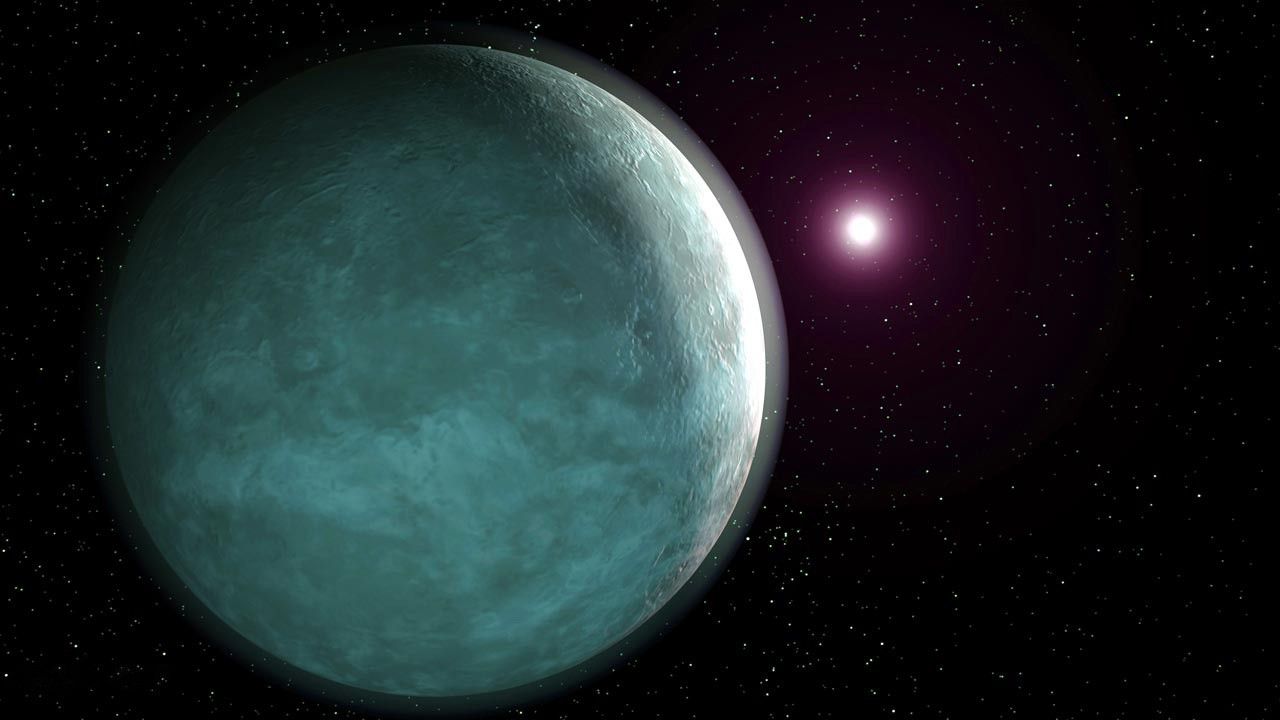
TOI-421 b — NASA.gov An international team led by the University of Geneva (UNIGE), including scientists from the National Centre of Competence in Research PlanetS, the University of Warwick, and
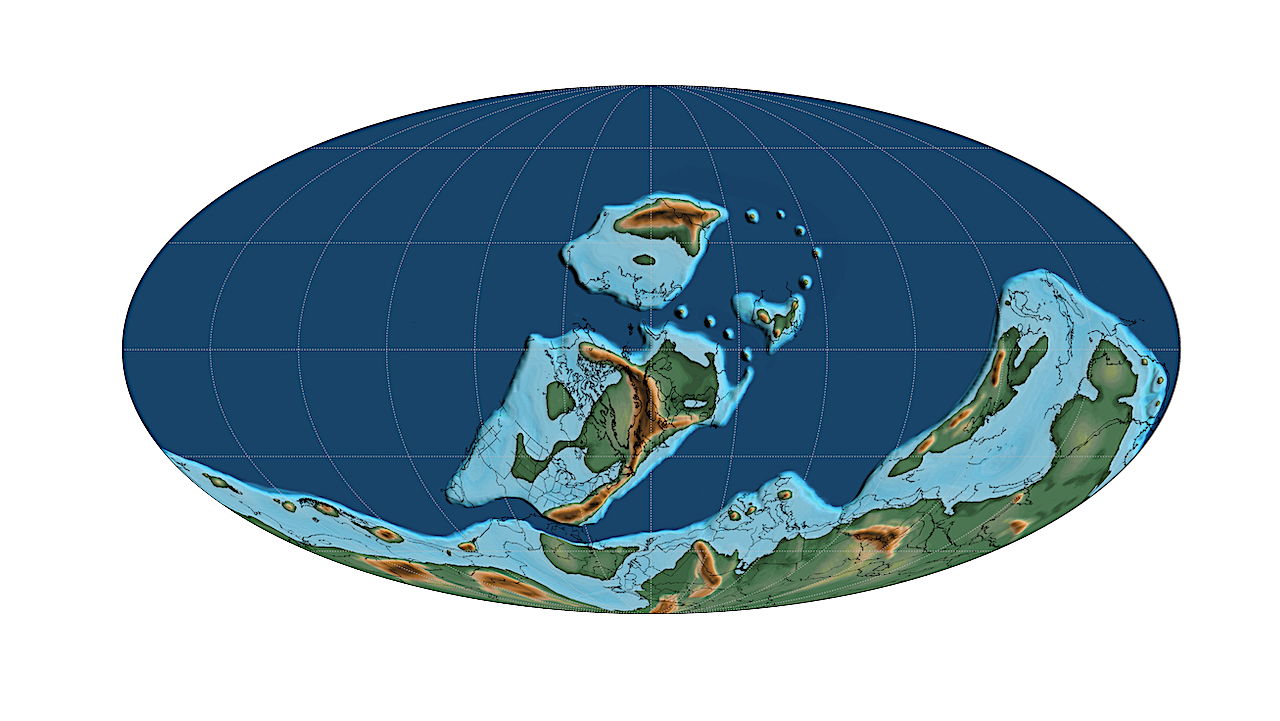
A map of Earth in the Emsian stage of the Early Devonian (405 million years ago) Wikipedia The oxygenation history of Earth’s surface environments has had a profound influence on
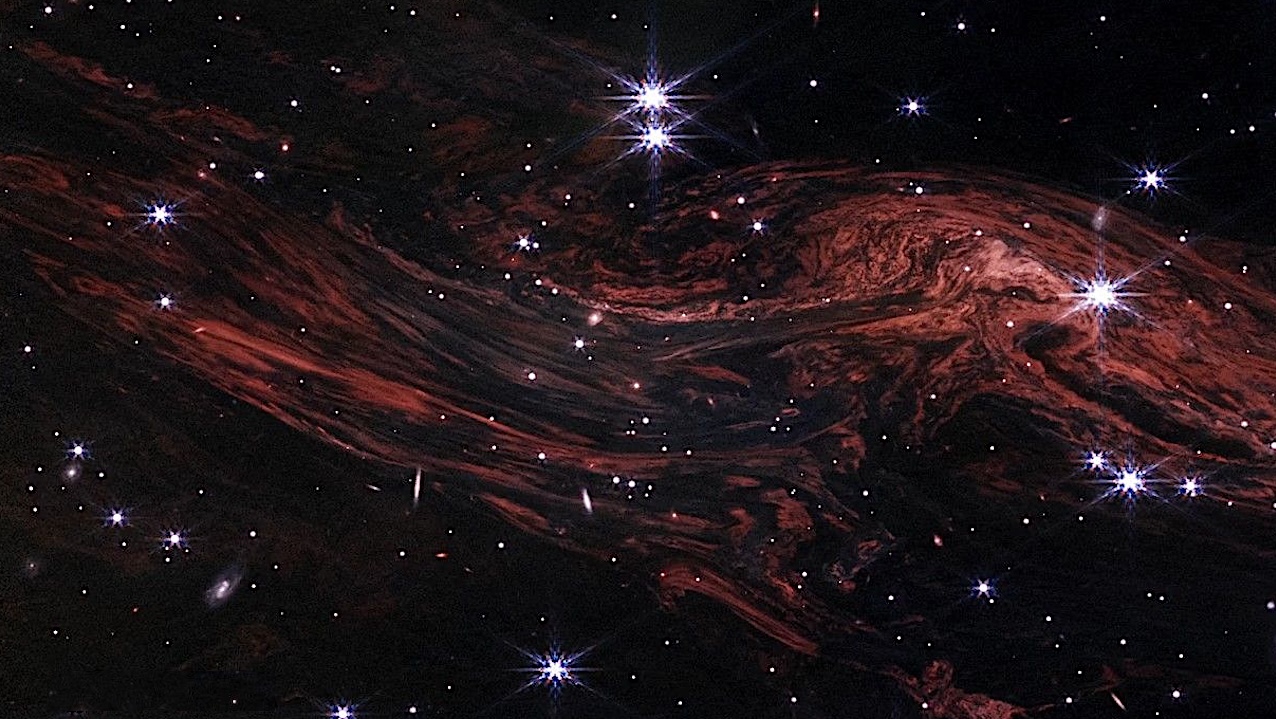
This shimmering cosmic curtain shows interstellar gas and dust that has been heated by the flashbulb explosion of a long-ago supernova. The gas then glows infrared light in what is

Navigating Uncertainty in Astrobiology Part 1: Careers in Academia Join us for a two-part panel series featuring speakers who will share their experiences navigating careers in either industry or academia.

European Astrobiology Institute (EAI) Academy The EAI ACADEMY is an international educational program organised and broadcasted by the Centro de Astrobiología (CAB), CSIC-INTA, Madrid, with the support of the European