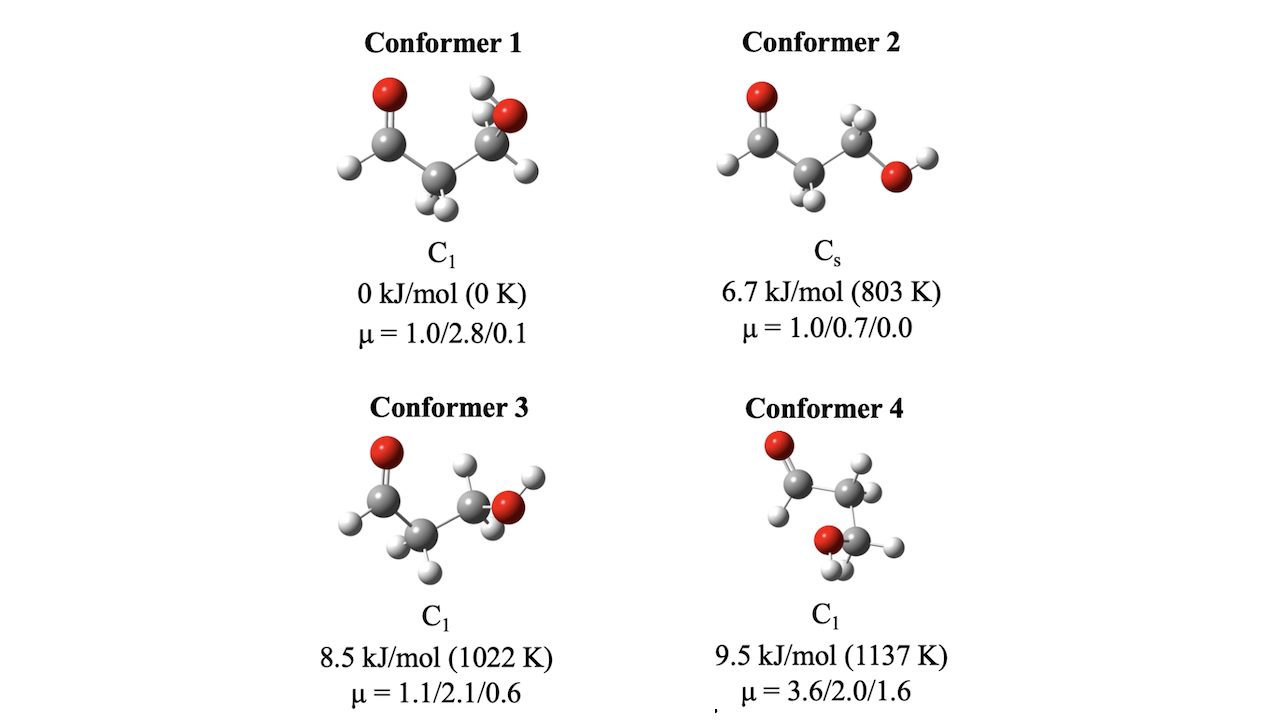
The structures and relative zero-point-corrected energies (in kJ/mol and kT-equivalent temperature) of the four most stable conformers of 3-hydroxypropanal. The dipole moments are listed as µa/µb/µc. The point group of

The structures and relative zero-point-corrected energies (in kJ/mol and kT-equivalent temperature) of the four most stable conformers of 3-hydroxypropanal. The dipole moments are listed as µa/µb/µc. The point group of
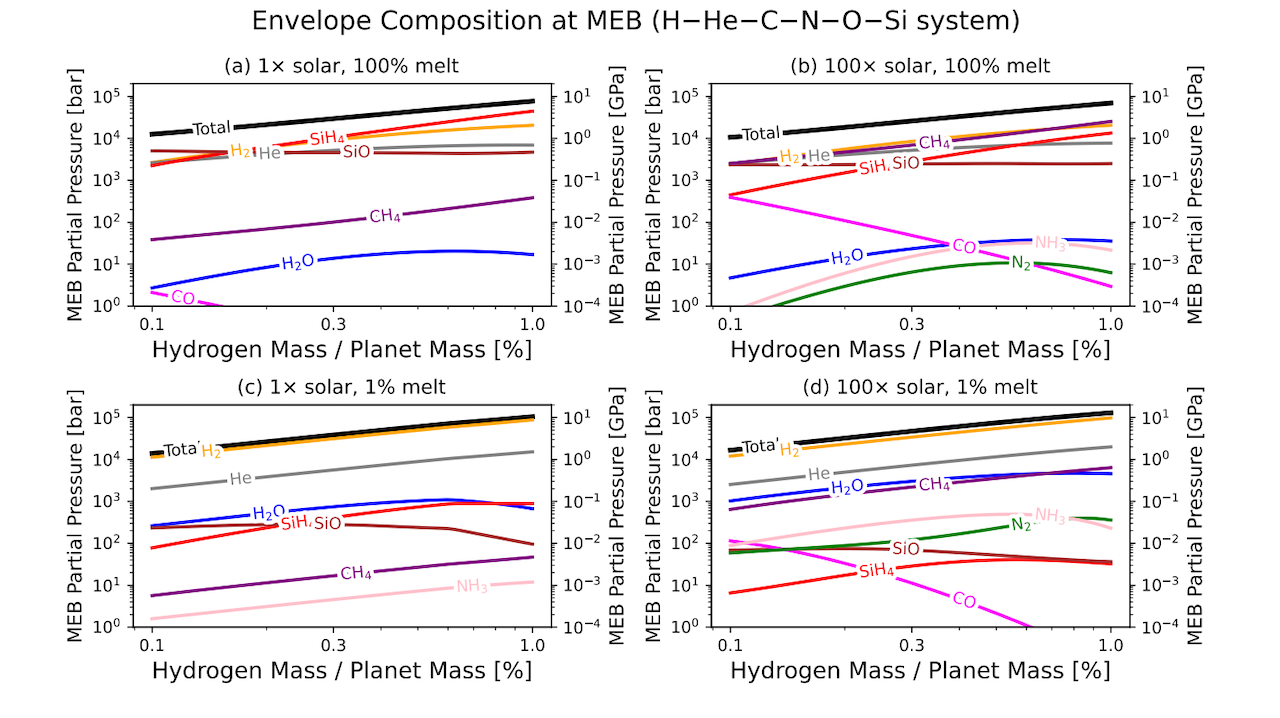
Envelope composition in the H–He–C–N–O–Si chemical system of TOI-421b (𝑅MEB = 1.65𝑅⊕, 𝑅𝑃 = 2.64𝑅⊕, 𝑀𝑃 = 6.7𝑀⊕, 𝑇MEB = 3000 K) as a function of H mass fraction. Elemental
The recent discovery of the third known interstellar object (ISO), 3I/ATLAS, has brought about another round of debate on whether these objects could potentially be technological in origin. Everything from
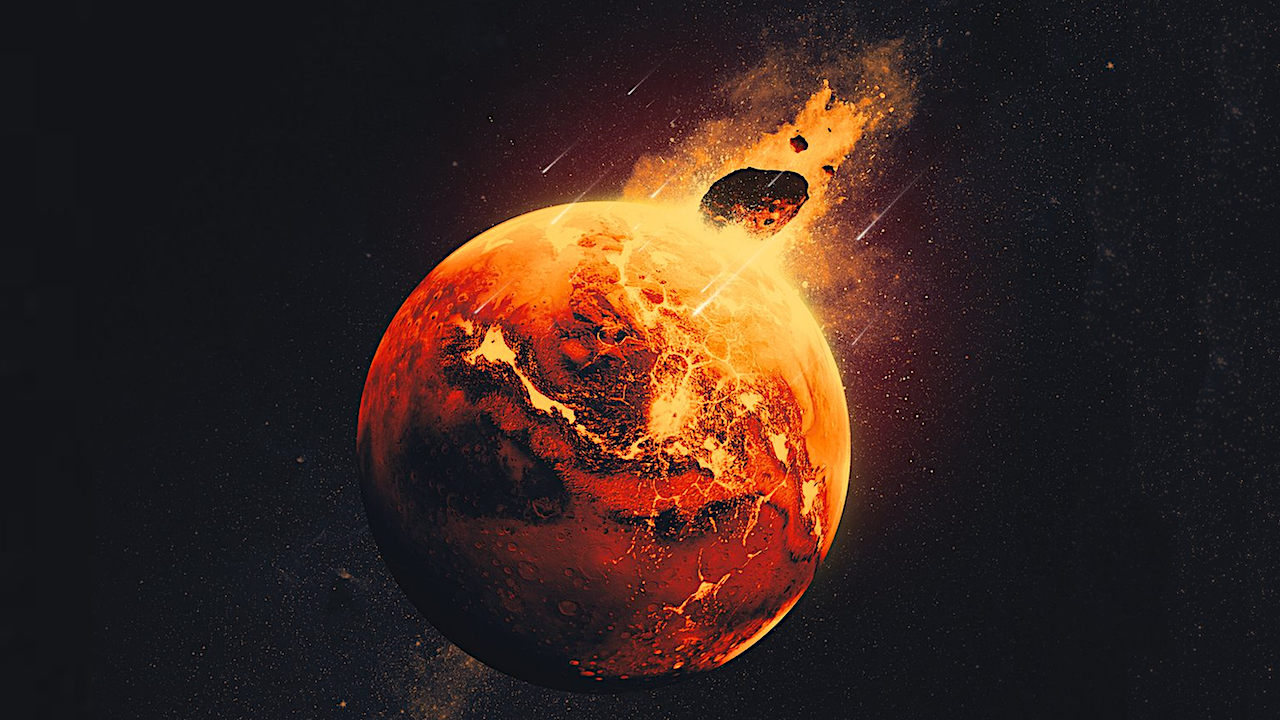
Scientists believe giant impacts — like the one depicted in this artist’s concept — occurred on Mars 4.5 billion years ago, injecting debris from the impact deep into the planet’s
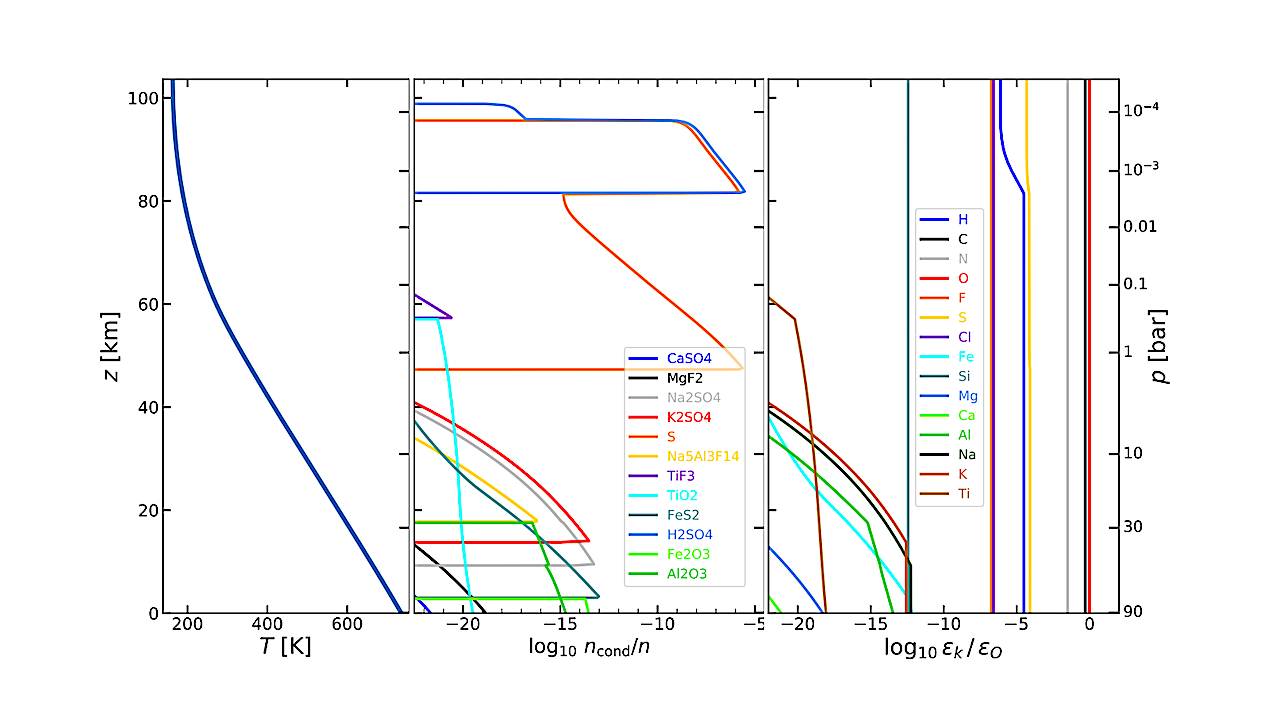
Left: Assumed temperature/pressure structure of the Venus atmosphere. Centre: The concentrations of condensed units ncond/n that deposit and are removed from the model when advancing to the next atmospheric height.
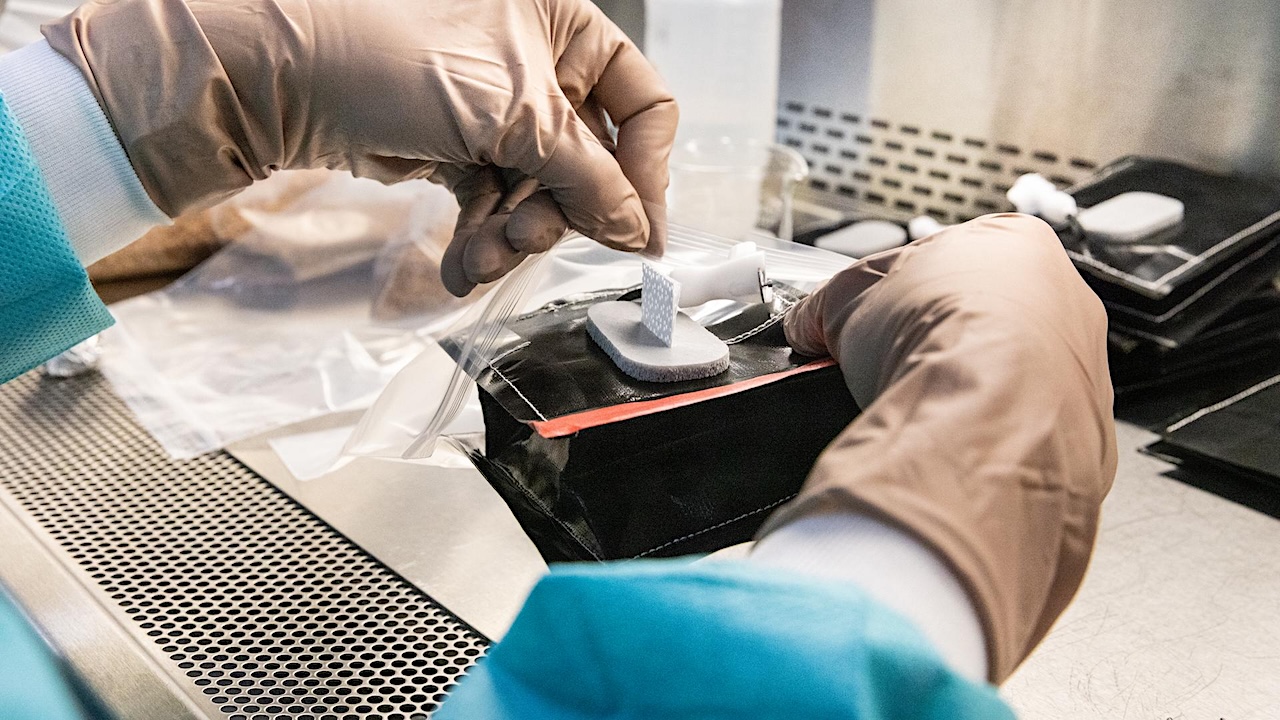
A member of the space crop production team prepares materials for Veggie seed pillows inside the Space Systems Processing Facility at NASA’s Kennedy Space Center. NASA/Cory S Huston When the
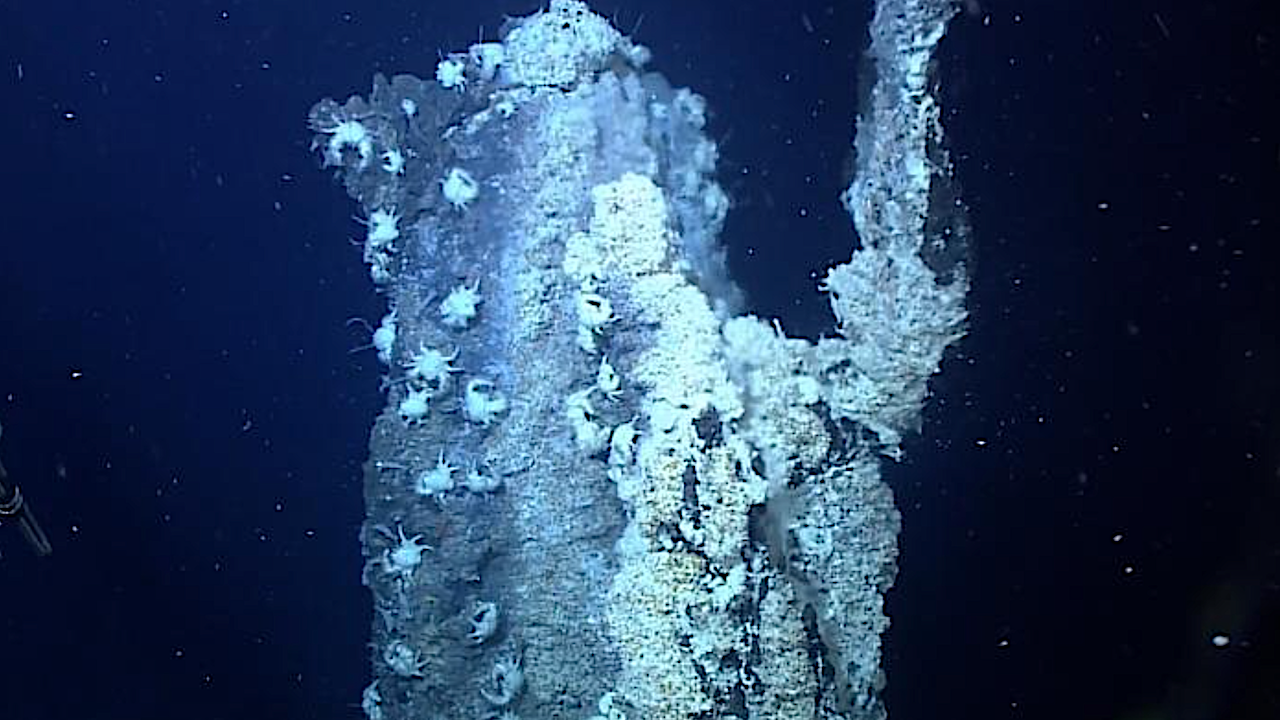
Image of the alvinellid worm, Paralvinella hessleri. A P. hessleri colonized hydrothermal vent in Iheya north hydrothermal field. The vent fauna showed apparent variation along the environmental gradients. The areas
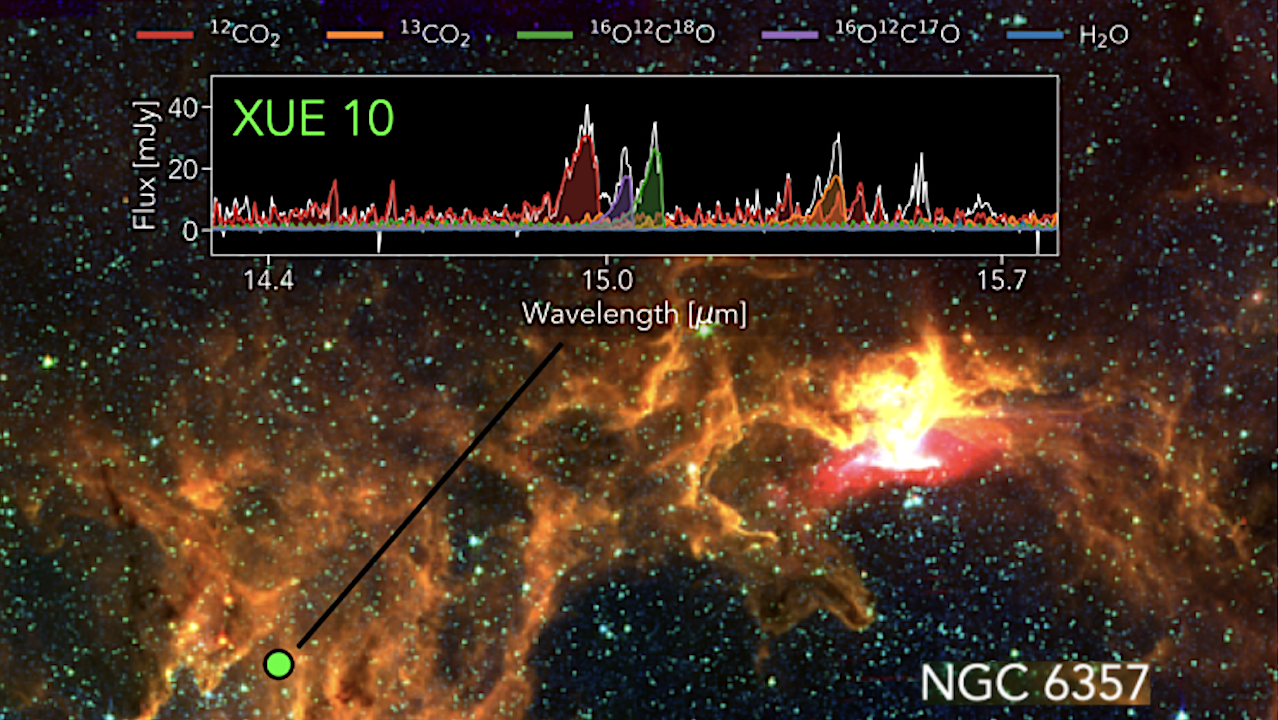
An image of the star-forming region NGC 6357 with the young star XUE 10. Photo credit: Stockholm University (SU) and María Claudia Ramírez-Tannus, Max Planck Institute for Astronomy (MPIA). A
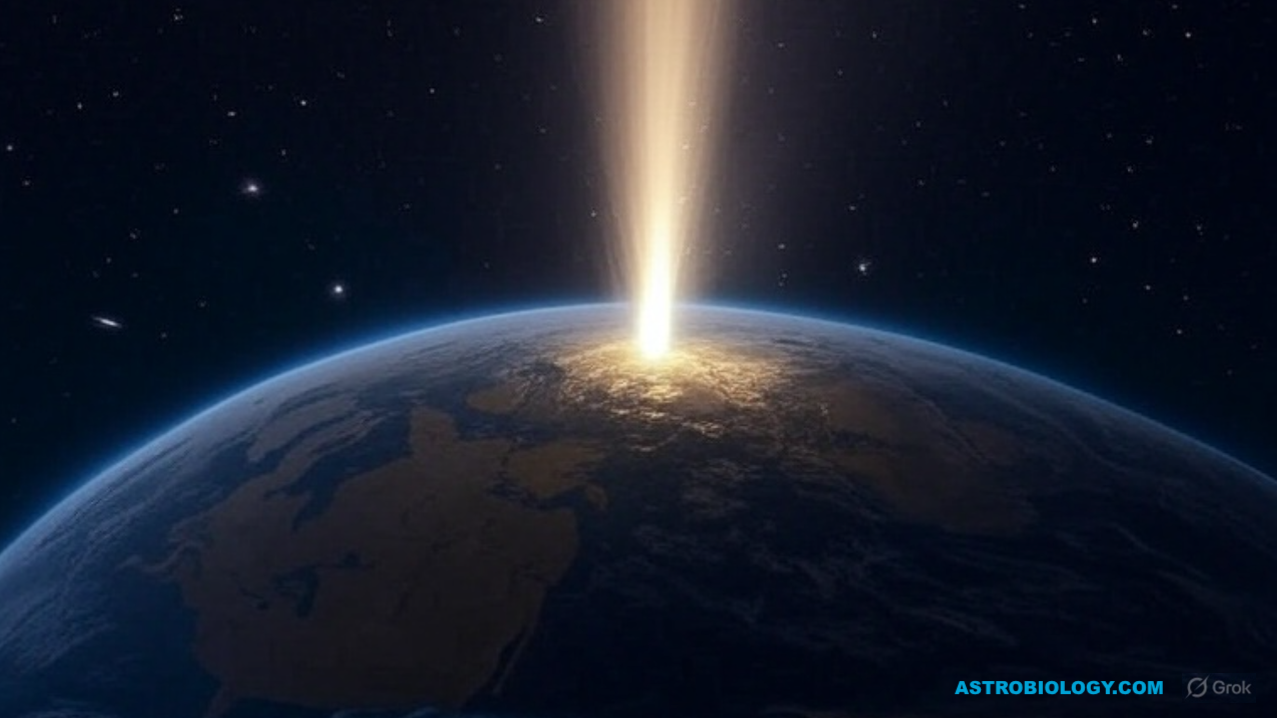
Comet impact on early Earth – Grok via Astrobiology.com After the formation of the Solar System, it took a maximum of three million years for the chemical composition of the
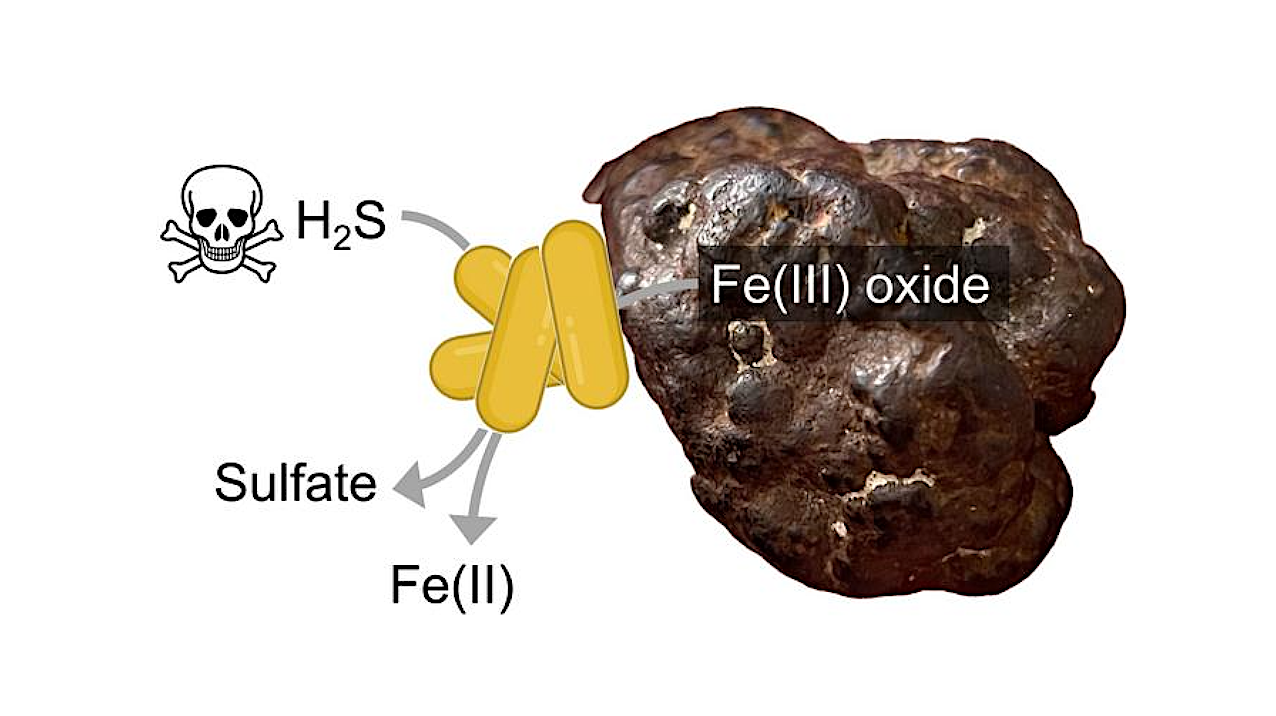
Scheme of MISO bacteria on an iron(III) oxide mineral particle. Credit Alexander Loy An international team of scientists led by microbiologists Marc Mussmann and Alexander Loy from the University of