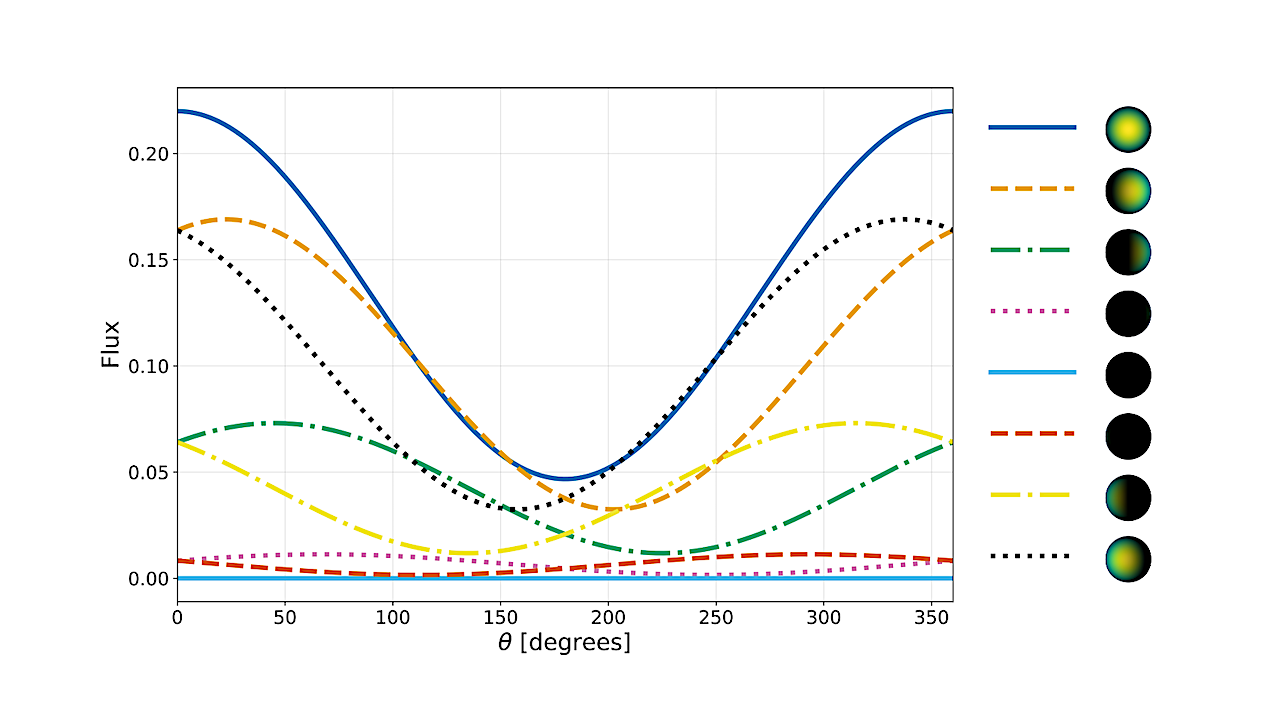
The phase curve of a planet over one rotation at eight different illumination phases. The images at the right show renderings of the planet’s illuminated surface throughout the observation. Each

The phase curve of a planet over one rotation at eight different illumination phases. The images at the right show renderings of the planet’s illuminated surface throughout the observation. Each
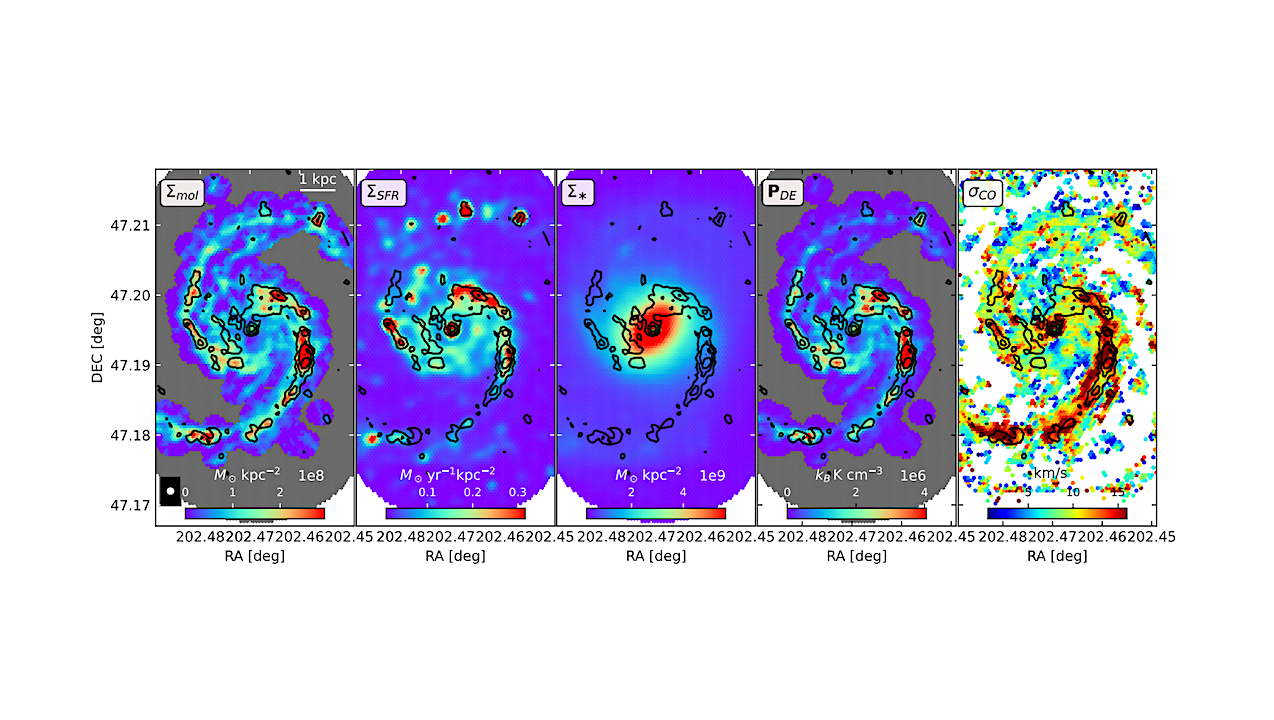
Molecular gas mass surface densities Σmol, star formation rate surface densities ΣSFR, stellar mass surface density Σ∗, dynamical equilibrium pressure PDE as well as CO velocity dispersion σCO at 3′′
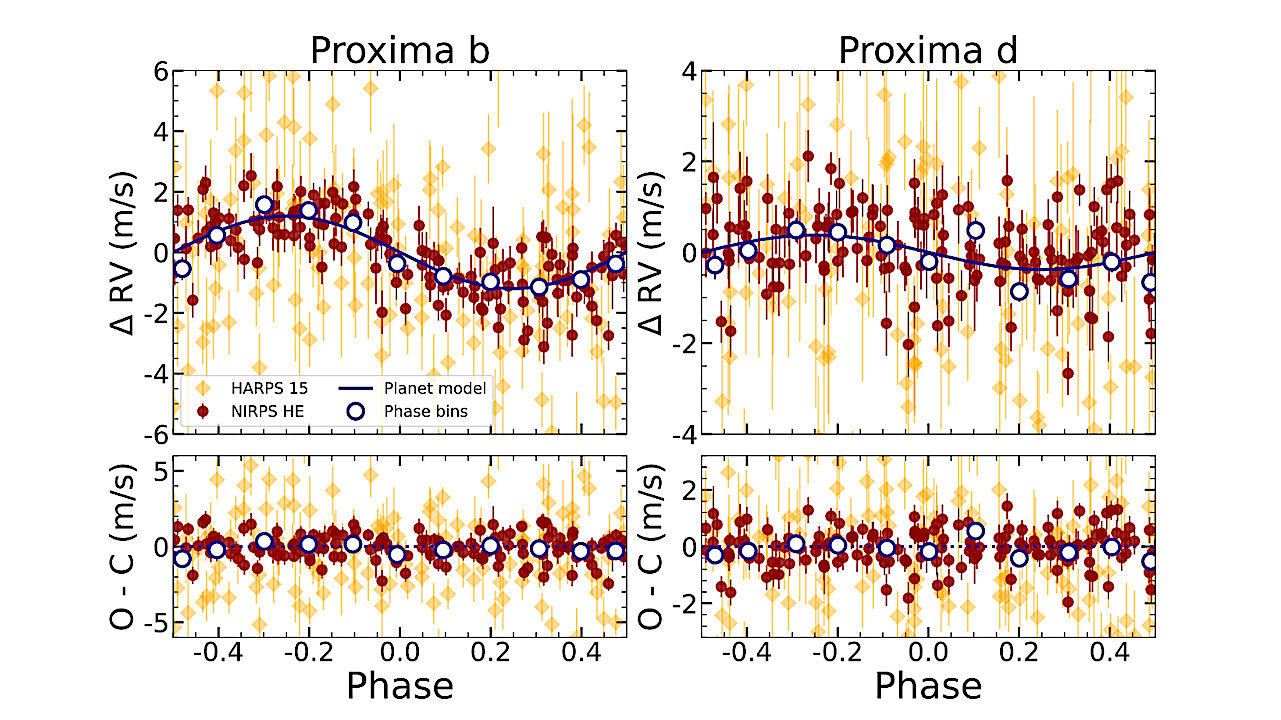
Phase-folded plots of the planetary-induced RV signals in NIRPS and HARPS. Left panels show the phase-folded RV variations induced by Proxima b (top), and the residuals after the fit (bottom).
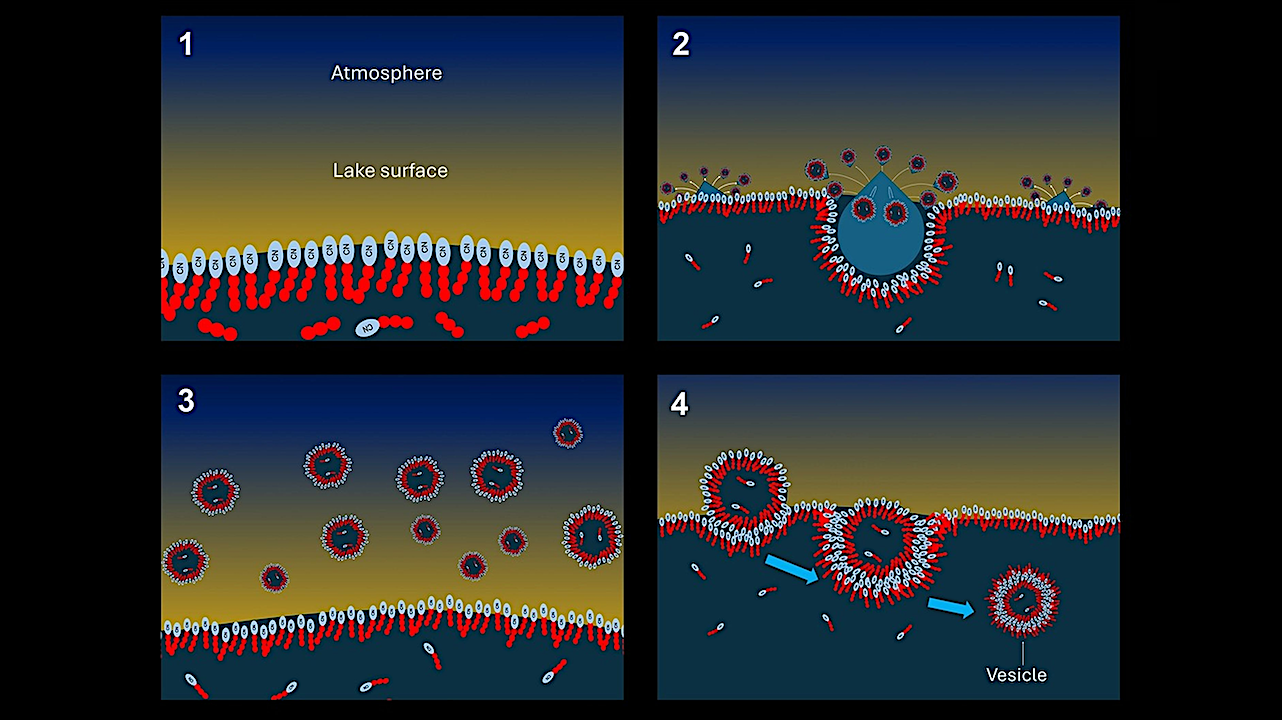
The proposed mechanism for vesicle formation on Titan. (1) Methane lakes and seas on Titan’s surface become coated with a film of amphiphiles. (2) Methane raindrops splash the lake surface.
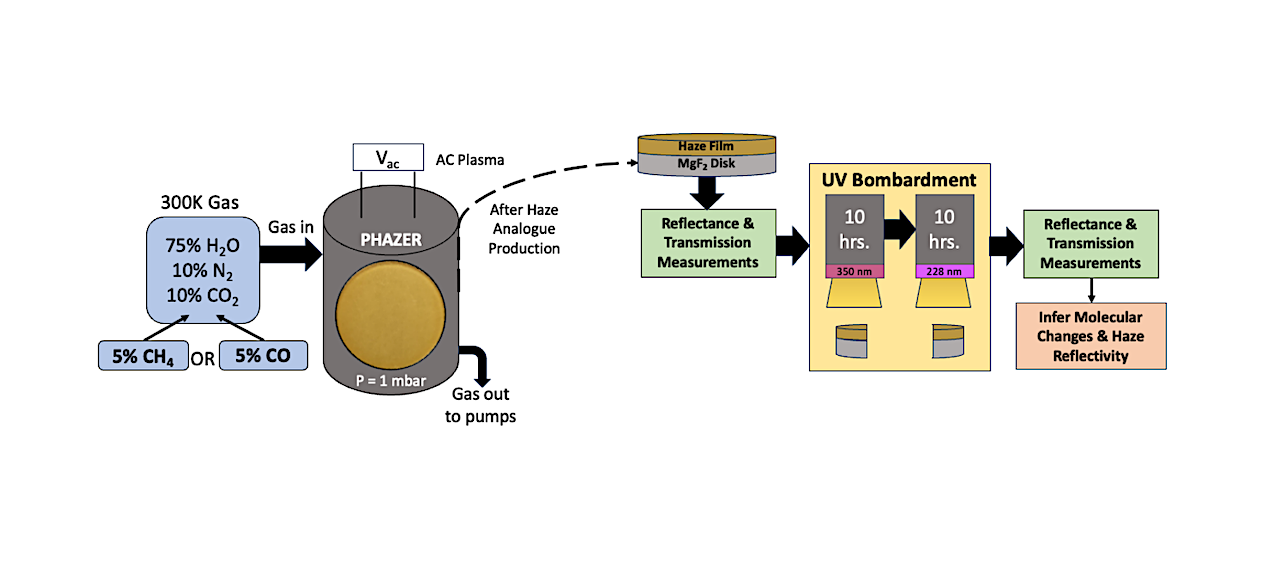
Streamlined schematic of the experimental setup, simulated atmospheric compositions and conditions, UV bombardment process, measurements, and experimental outcomes. Two laboratory hazes were produced (the initial conditions varying only in the
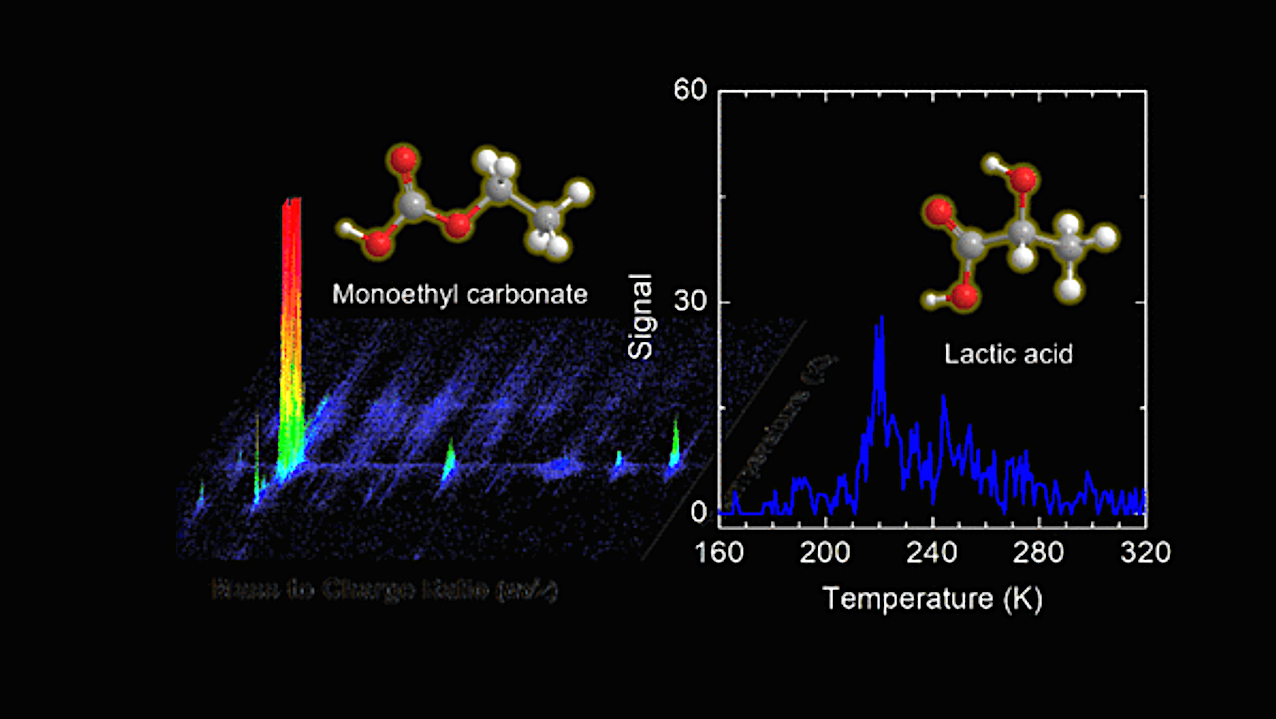
Graphical Abstract – Journal of the American Chemical Society Lactic acid (CH3CH(OH)COOH)–a key biorelevant hydroxycarboxylic acid–is ubiquitous in living organisms and critically linked to the molecular origins of life due
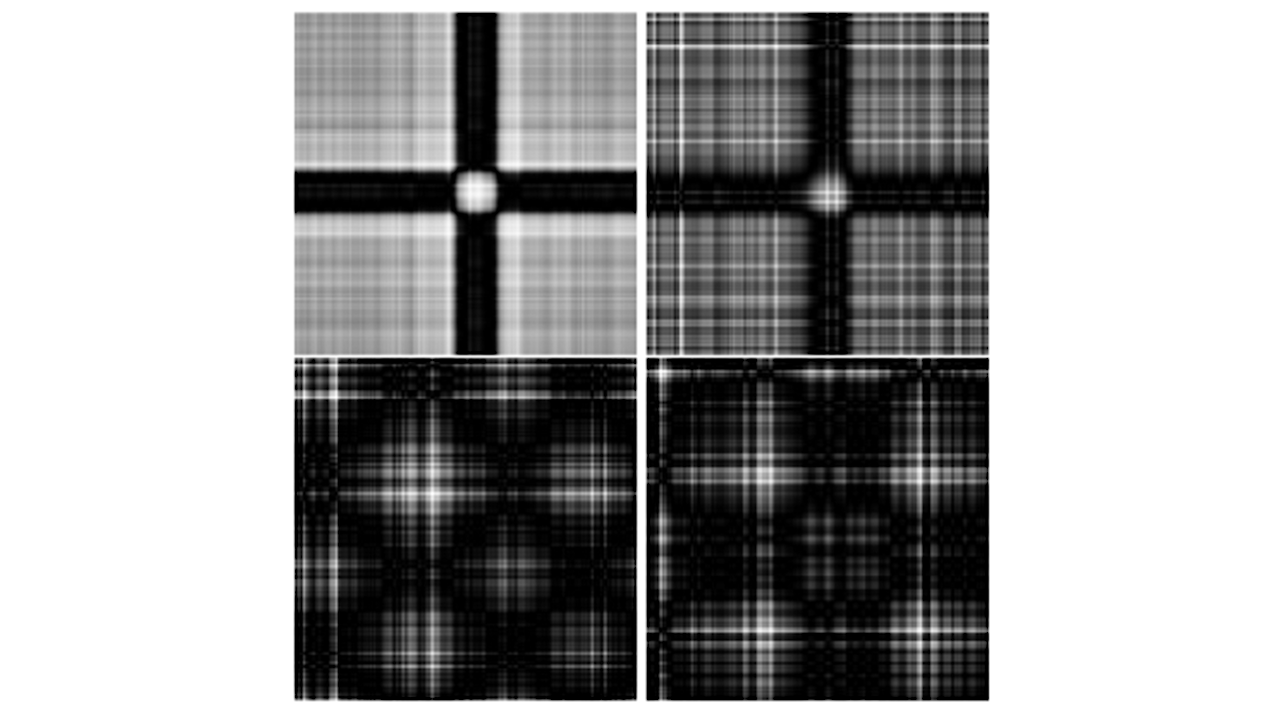
GAFs for exoplanet classification. The upper two frames represent GAFs for “planet” cases, characterized by distinct periodic patterns indicative of planetary transits. The lower two frames show GAFs for “not-planet”
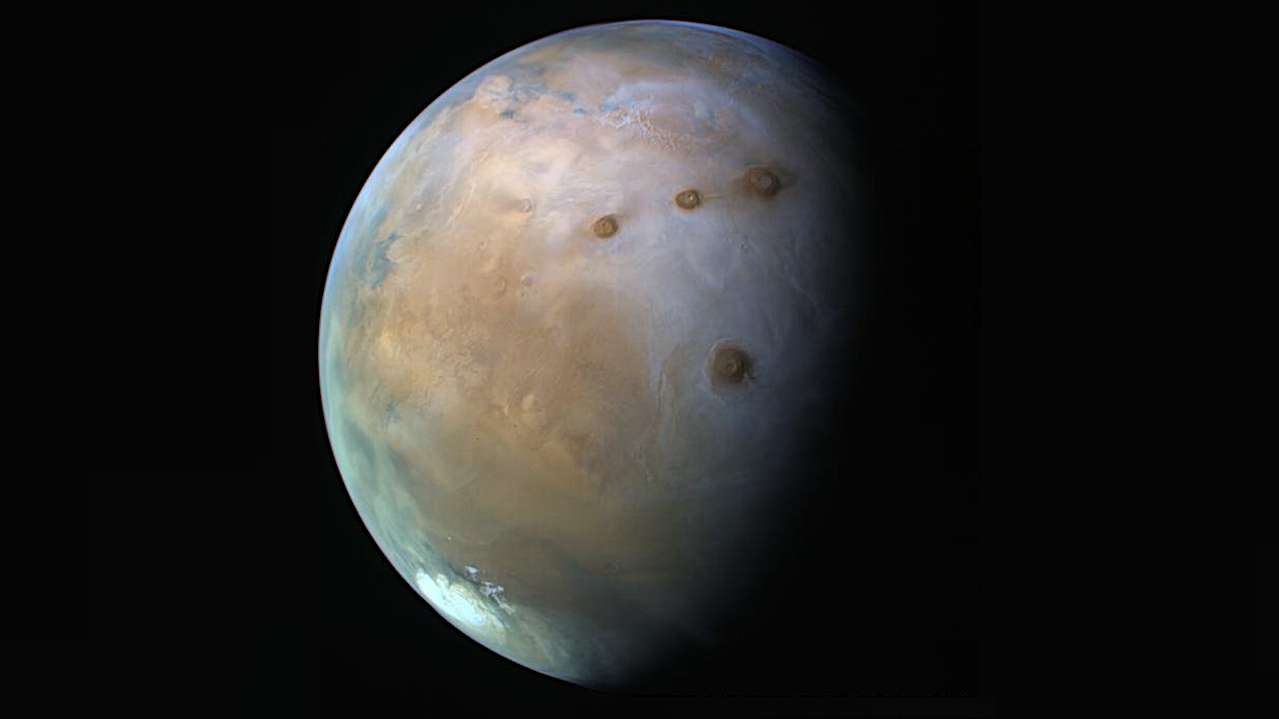
Mars – Credi Dimitra Atri, EMM/EXI/NYUAD/CASS A new study from NYU Abu Dhabi has found that high-energy particles from space, known as cosmic rays, could create the energy needed to

Terrestrial planet with thin atmosphere — NASA Ionizing radiation is known to have a destructive effect on biology by causing damage to the DNA, cells, and production of Reactive Oxygen
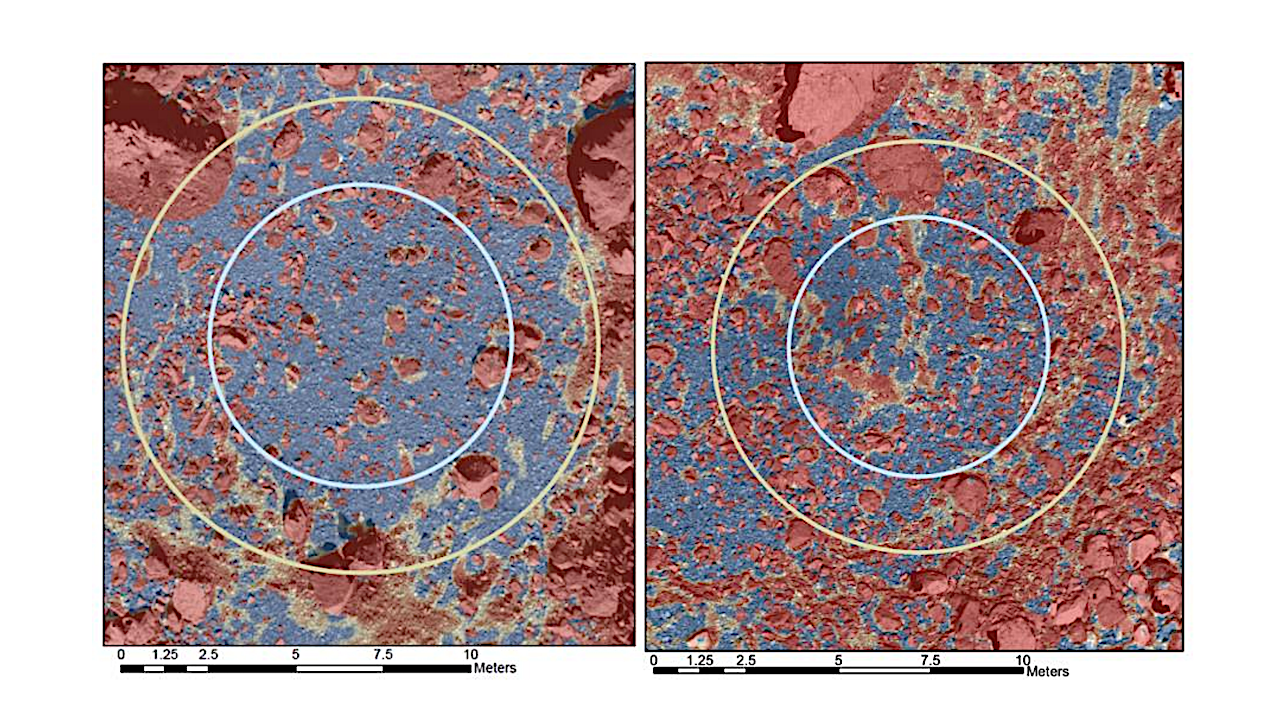
Estimated sampleability efficiency for Nightingale (left) and Osprey (right) . Blue indicates high efficiency while red indicates low efficiency. The tan circle denotes the area that contained 98.3% of Monte