The boulder-covered moon Dimorphos as seen 8.55 seconds before the impact of the DART space craft. The same image after correcting for lighting conditions across the surface and

The boulder-covered moon Dimorphos as seen 8.55 seconds before the impact of the DART space craft. The same image after correcting for lighting conditions across the surface and
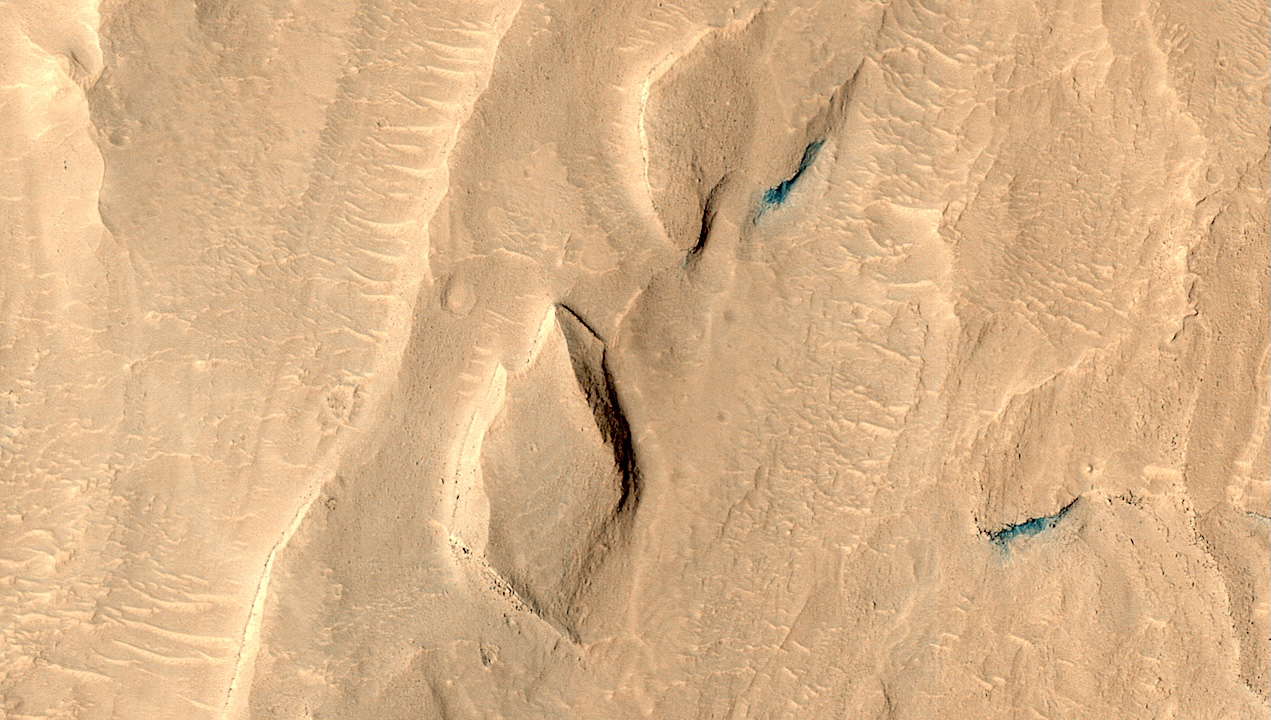
ID: ESP_076745_1750,date: 10 December 2022, altitude: 268 km larger image NASA/JPL-Caltech/University of Arizona This observation features an upper section of a canyon channel system that incising Mount Sharp in Gale
ExoMiner++ Everyone is invited to the monthly artificial intelligence and machine learning virtual seminar hosted by the Exobiology Branch at the NASA Ames Research Center. Previously recorded seminars can be
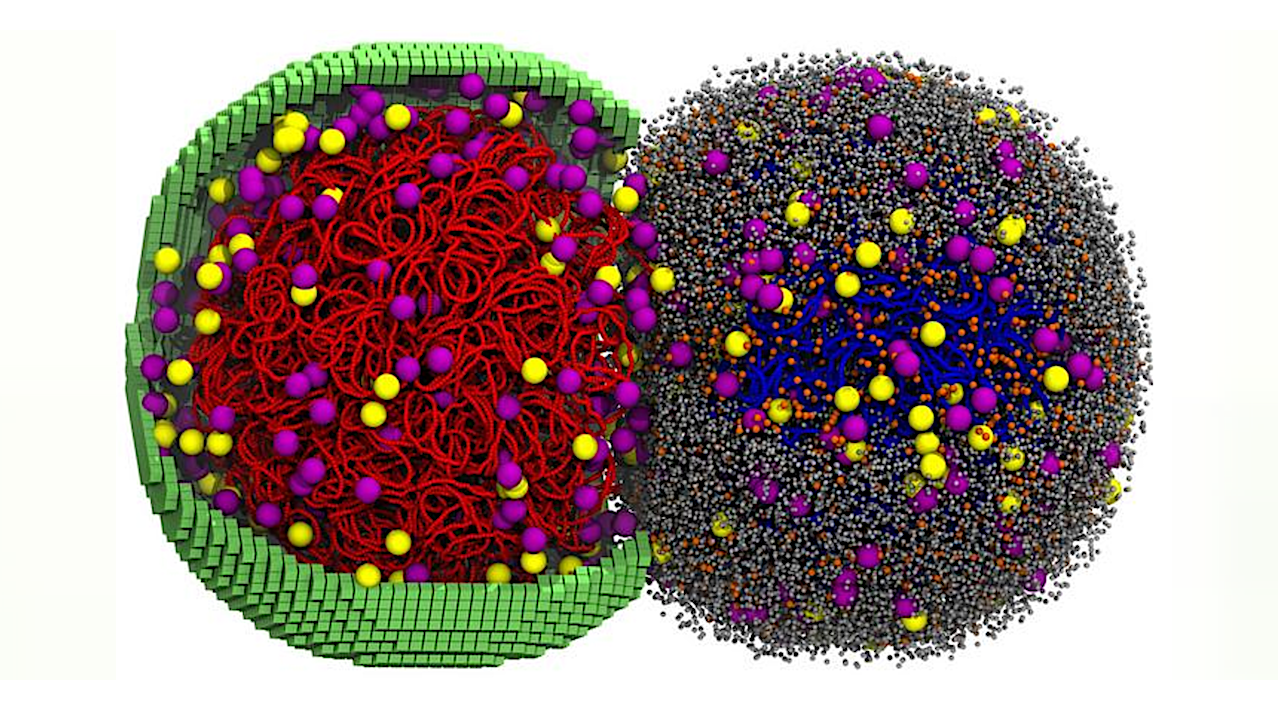
A simulated cell in the early stages of division. Left half shows membrane (green cubes), and ribosomes (yellow/purple) interwoven through in the cell’s chromosome (red). Right side shows all the
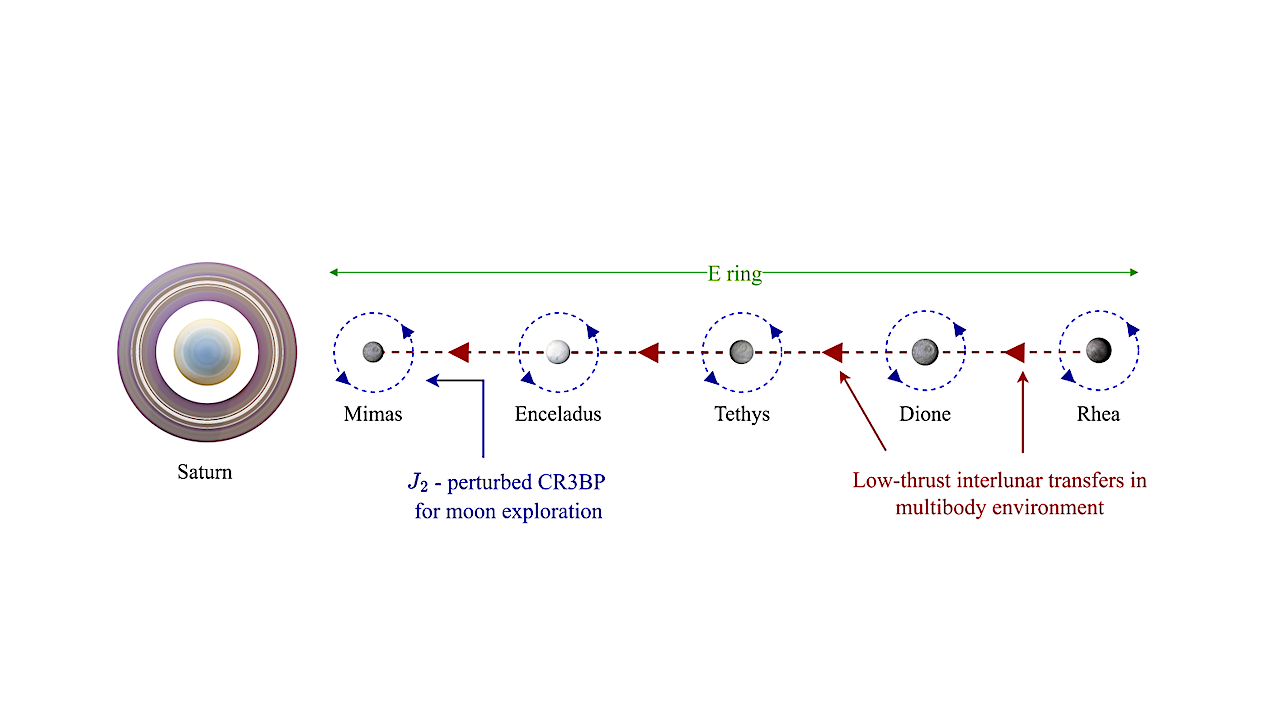
Sketch of the MT strategy, highlighting the dynamical models used in the distinct phases of the tour. — math.DS This study presents the trajectory design for a mission touring Saturn’s
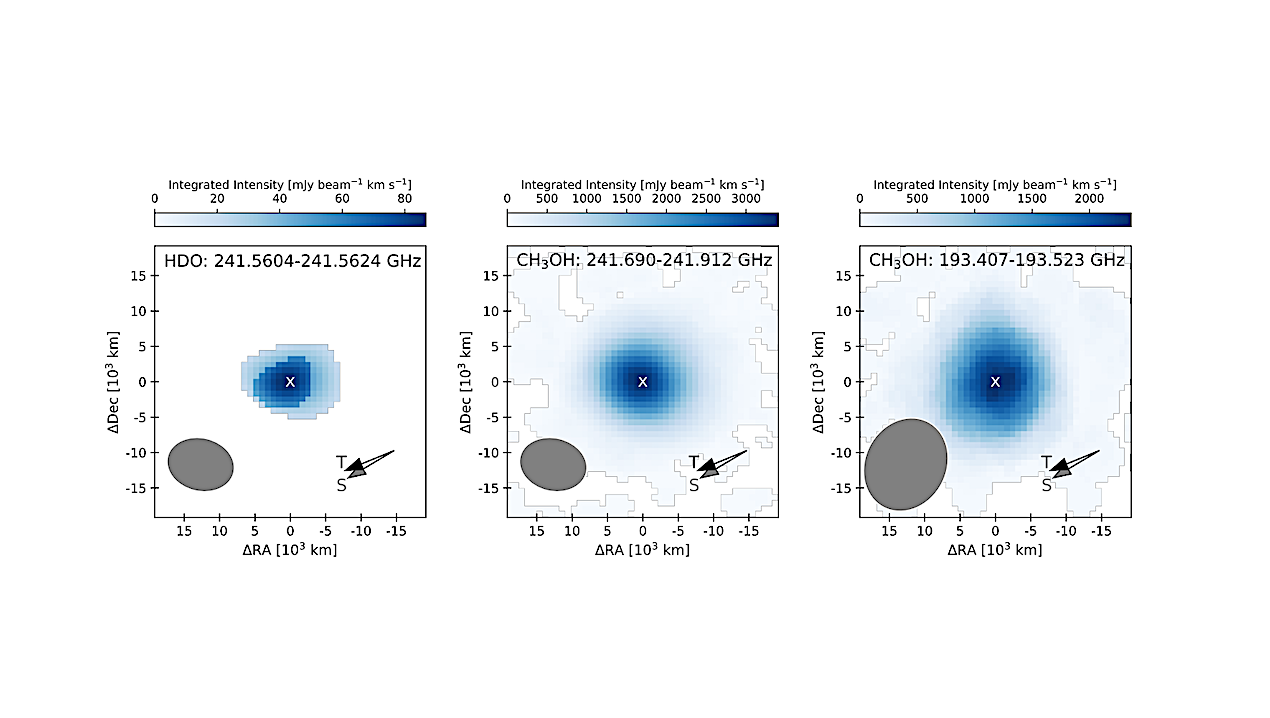
Integrated intensity (moment 0) maps of the detected species. From left to right, HDO, CH3OH in Band 6 and CH3OH in Band 5. For each image, the ellipse in the
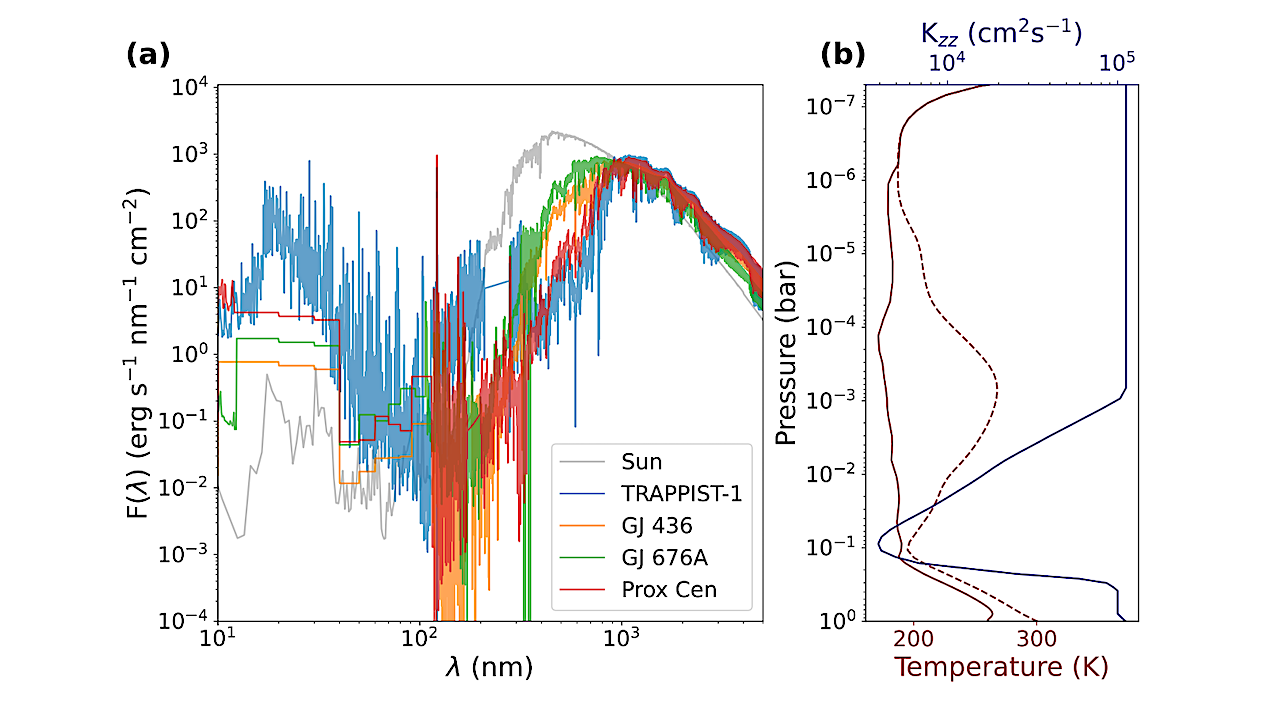
Background stellar and planetary environments: (a) the spectral radiant flux density as received by Proxima Centauri b and planets around different M-type stars receiving the same irradiance, compared to the
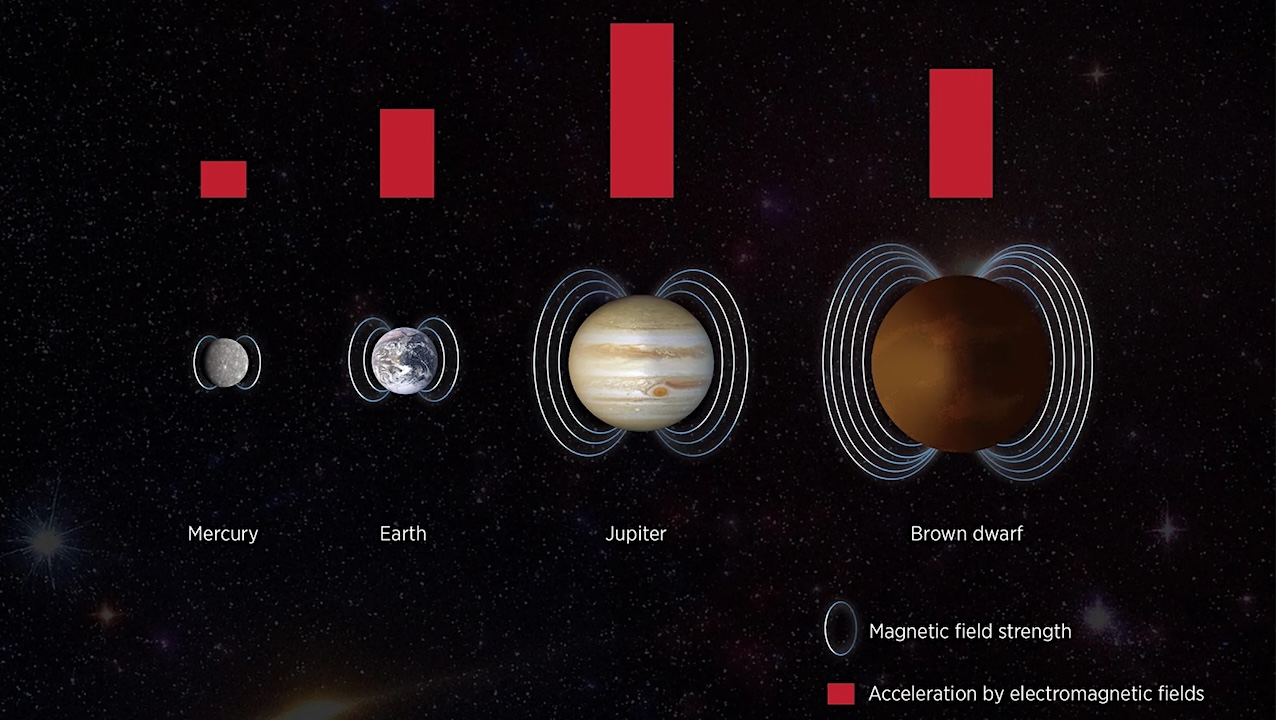
Different celestial objects and acceleration Credit Jani Närhi We all know that stars radiate light and much more. But radiation belts can also surround many other celestial bodies, such as

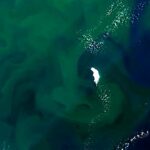
Earth Observatory Science Earth Observatory A Most Unusual Lake Earth Earth Observatory Image of the Day EO Explorer Topics All Topics Atmosphere Land Heat & Radiation Life on Earth Human
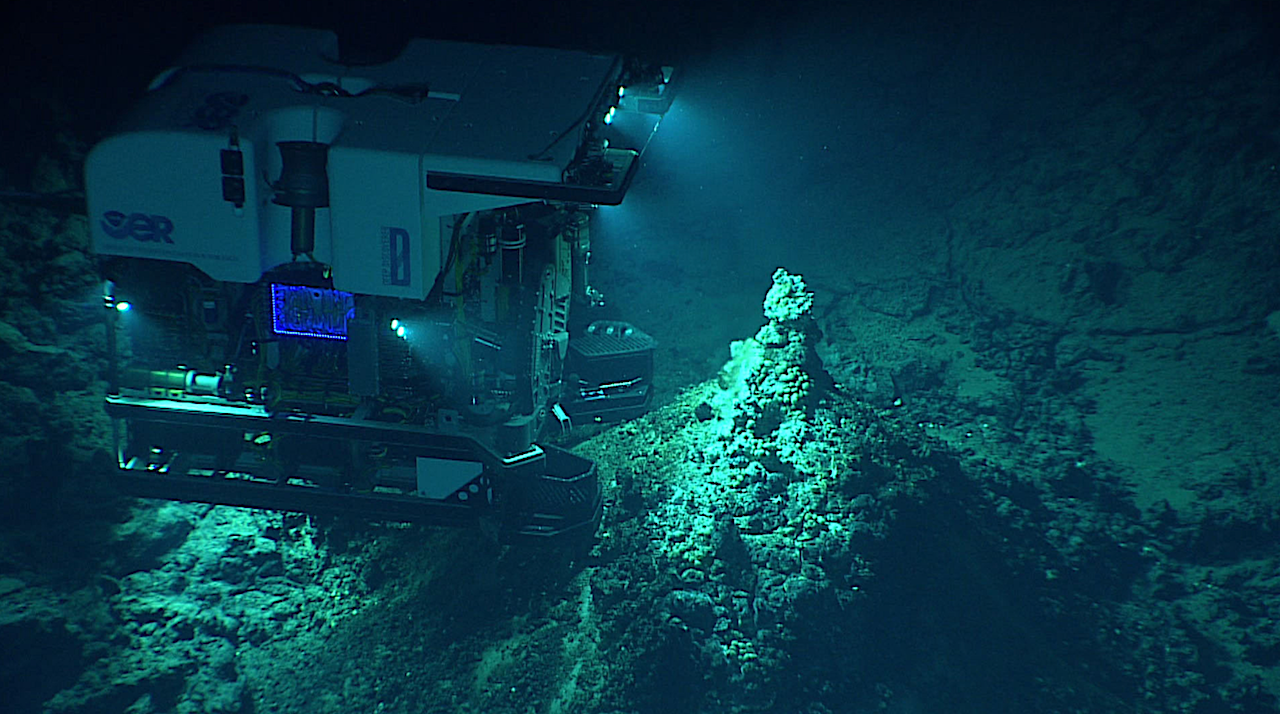
A deep-ocean submersible uses its lights to illuminate a hydrothermal vent field at Chammoro Seamount, within the Mariana Trench, June 24, 2016. Source NOAA Office of Ocean Exploration and Research/NOAA