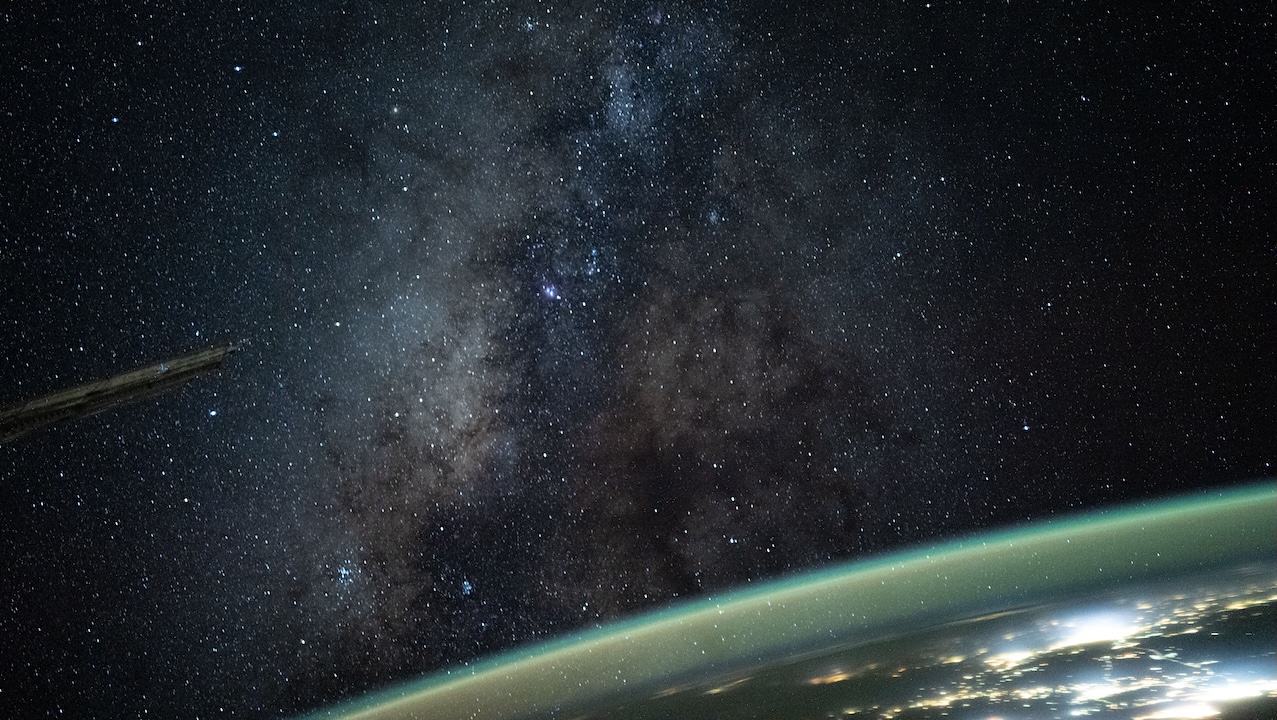
iss073e0516005 (Aug. 23, 2025) — The Milky Way appears above Earth’s bright atmospheric glow in this photograph from the International Space Station as it soared 261 miles above southern Iran

iss073e0516005 (Aug. 23, 2025) — The Milky Way appears above Earth’s bright atmospheric glow in this photograph from the International Space Station as it soared 261 miles above southern Iran
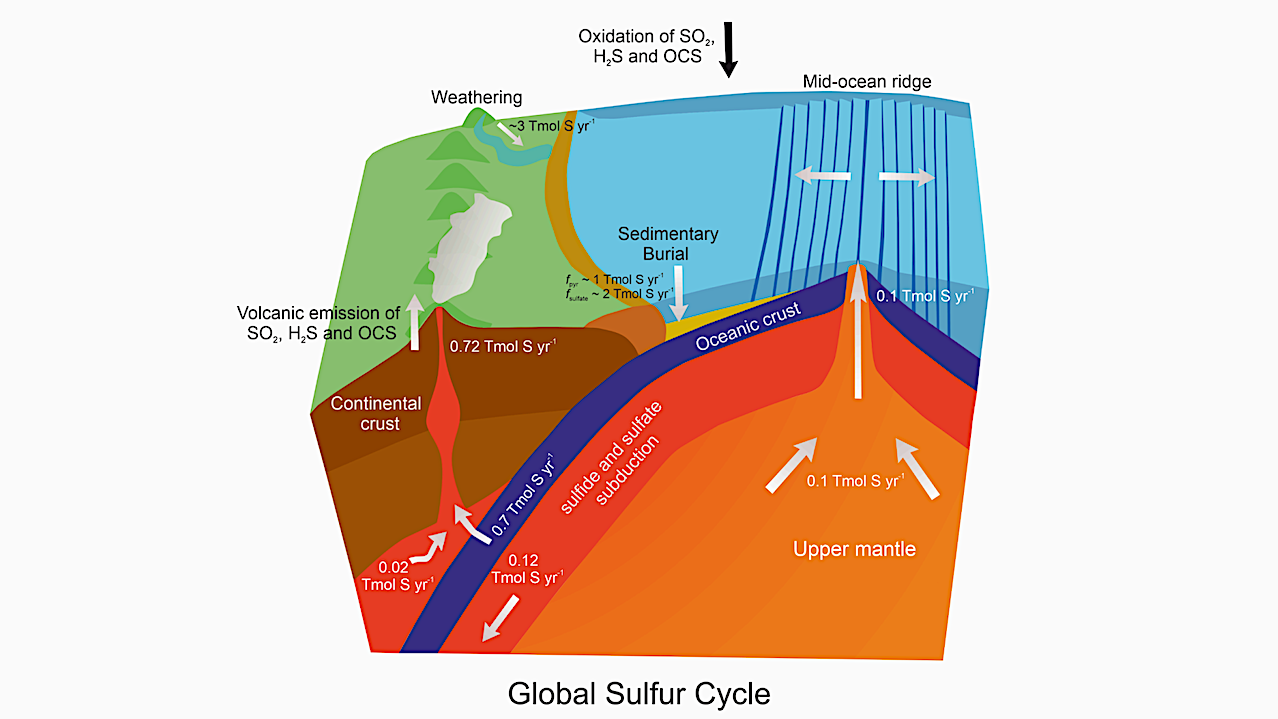
Schematic diagram of global sulfur cycle with major fluxes of sulfur between the deep Earth and surface Earth (in 10 12 moles of sulfur per year, denoted as Tmol S
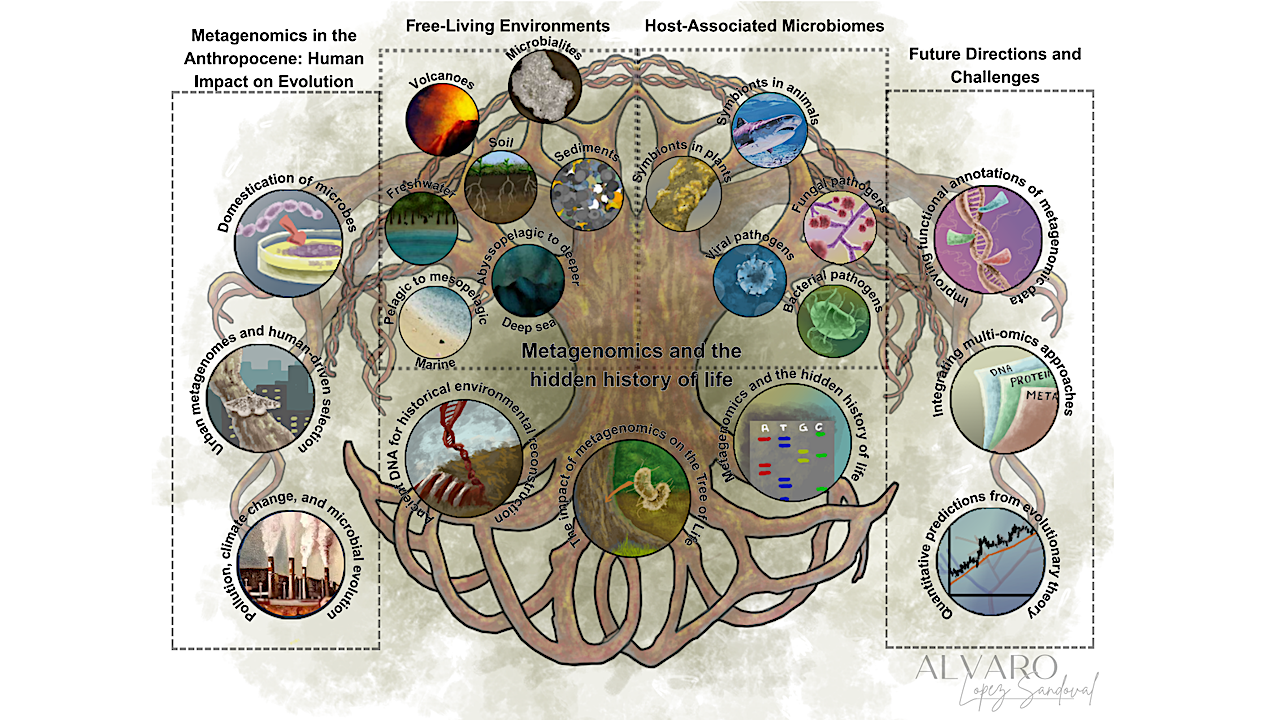
Metagenomics and the hidden history of life. Metagenomic approaches uncover microbial diversity and evolutionary processes across diverse environments. The figure is organized into four thematic sections. Center left: Free-living environments,
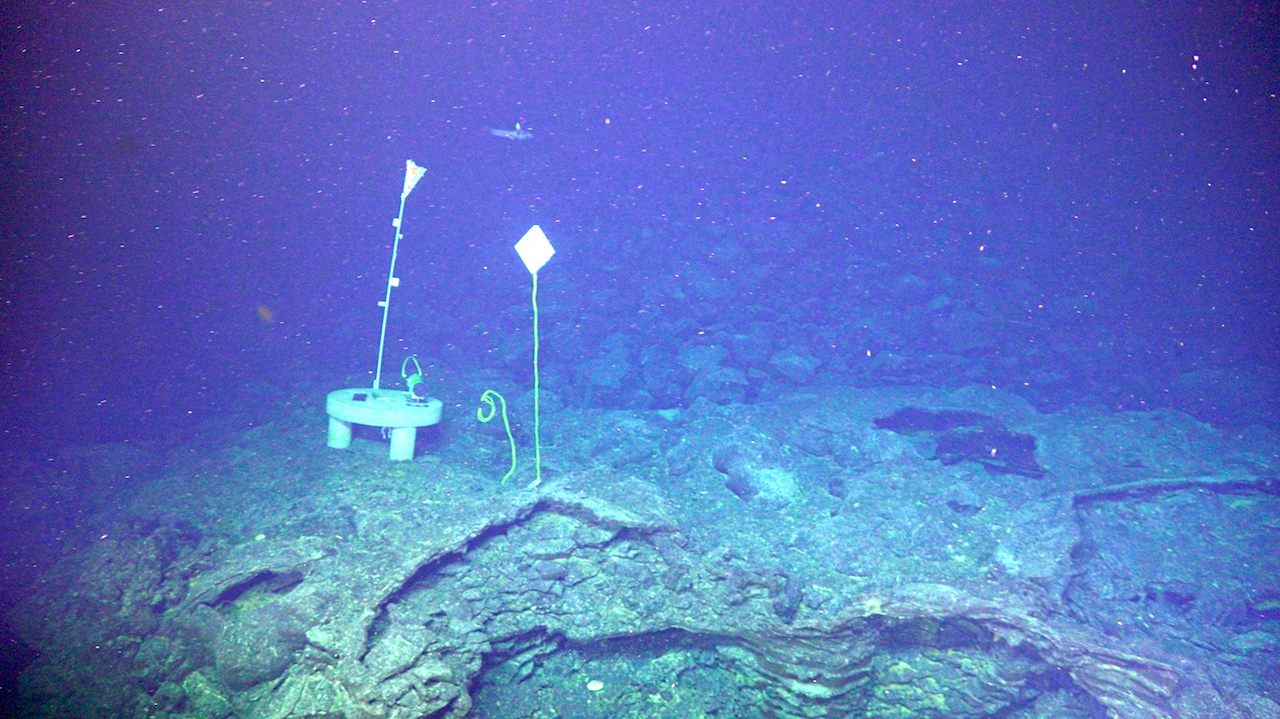
New benchmark AX-403 was deployed at the base of the western caldera wall of the Axial Seamount volcano. This photo was taken during the ROV Jason dive J2-1432 of the
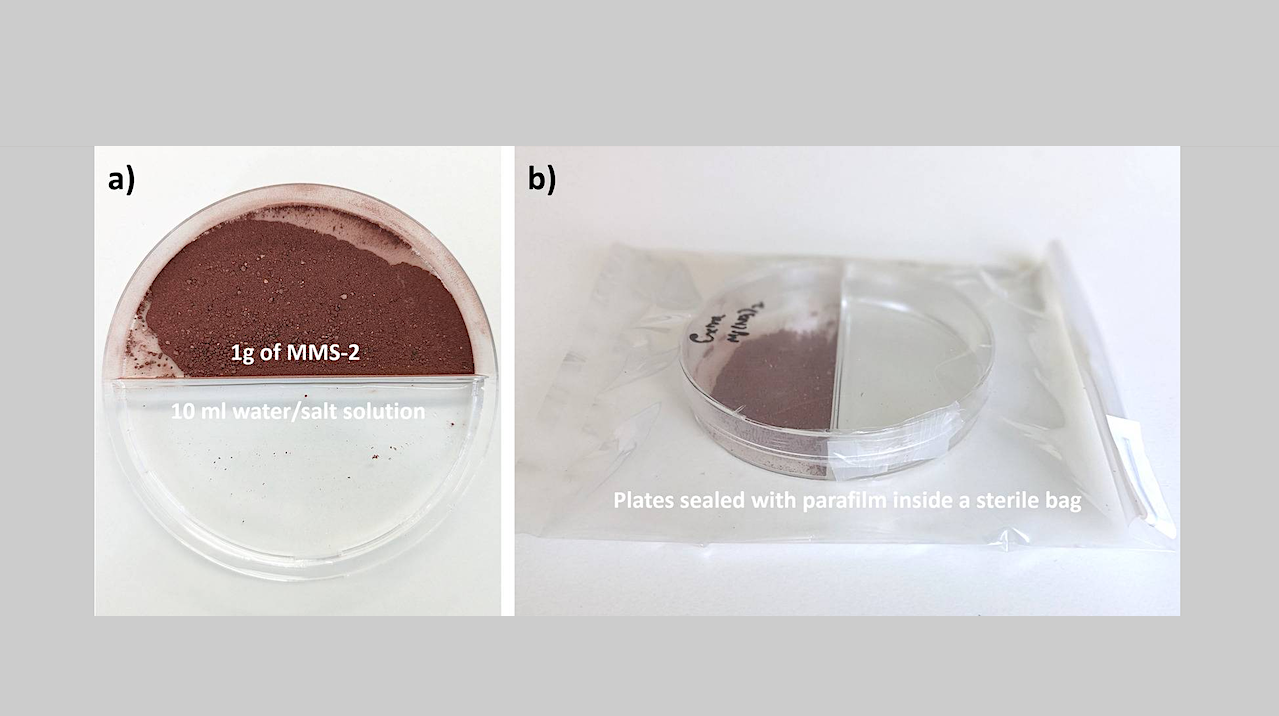
Experimental set-up of the MMS-2 incubation. (a) One side of a two compartment Petri dish was filled with 1 g of heat-treated MMS-2; the other side contained 10 mL of Milli-Q
Keith Cowing Explorers Club Fellow, ex-NASA Space Station Payload manager/space biologist, Away Teams, Journalist, Lapsed climber, Synaesthete, Na’Vi-Jedi-Freman-Buddhist-mix, ASL, Devon Island and Everest Base Camp veteran, (he/him) 🖖🏻 Follow on
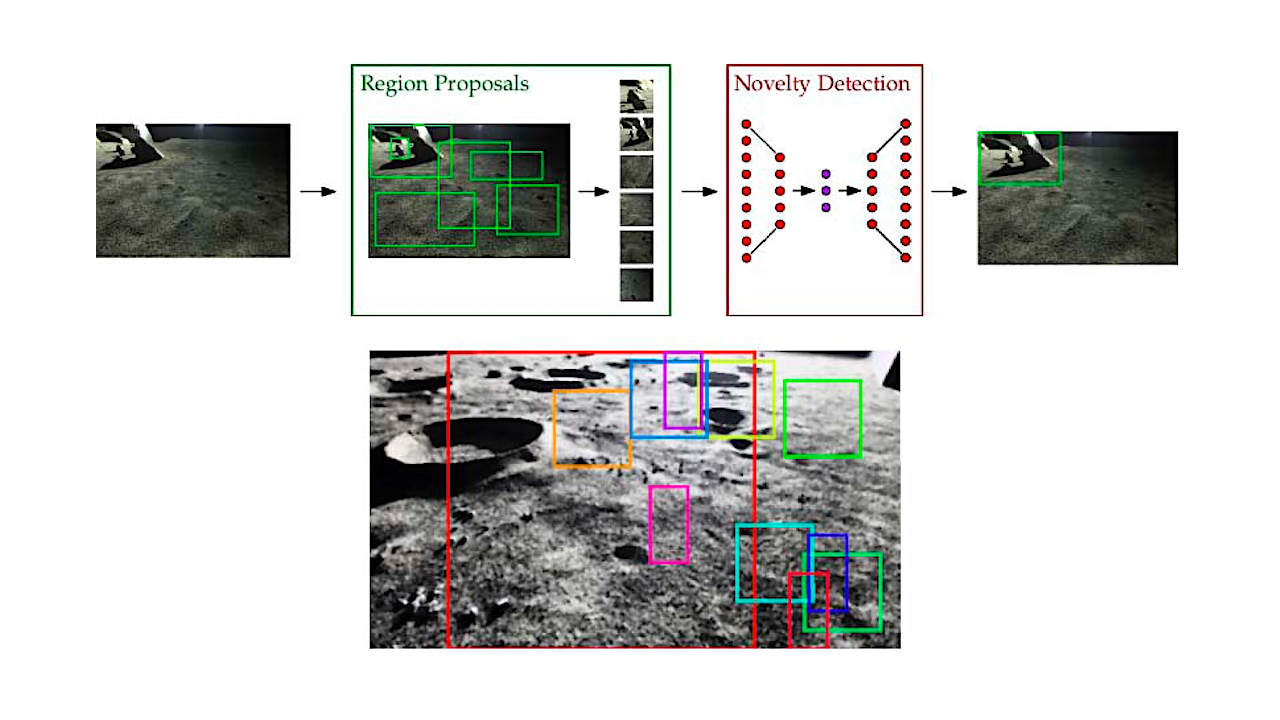
(top) Schematic of the novel region extraction (NRE) pipeline. NREs cascade a class-agnostic region proposal system with full-image novelty detection and can be trained like traditional reconstruction-based novelty detectors. (bottom)

(a) CORALS engineering test unit. (b) Schematic diagram of Fig. 1a illustrating key subsystems and components. (c) Ion optics simulation using SIMION® 8.1, showing a cut plane of the instrument.
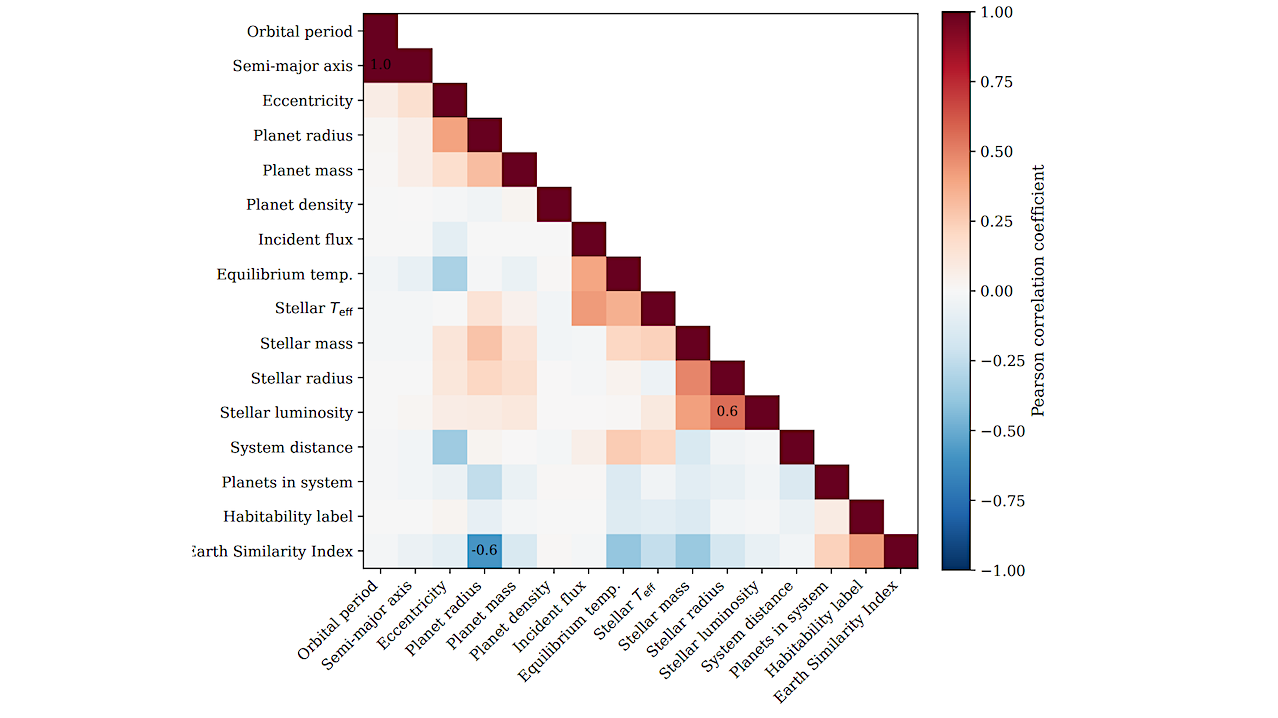
Lower-triangular Pearson correlation matrix of the final feature set used in this study. Each cell shows the Pearson correlation coefficient between a pair of planetary or stellar properties, with the
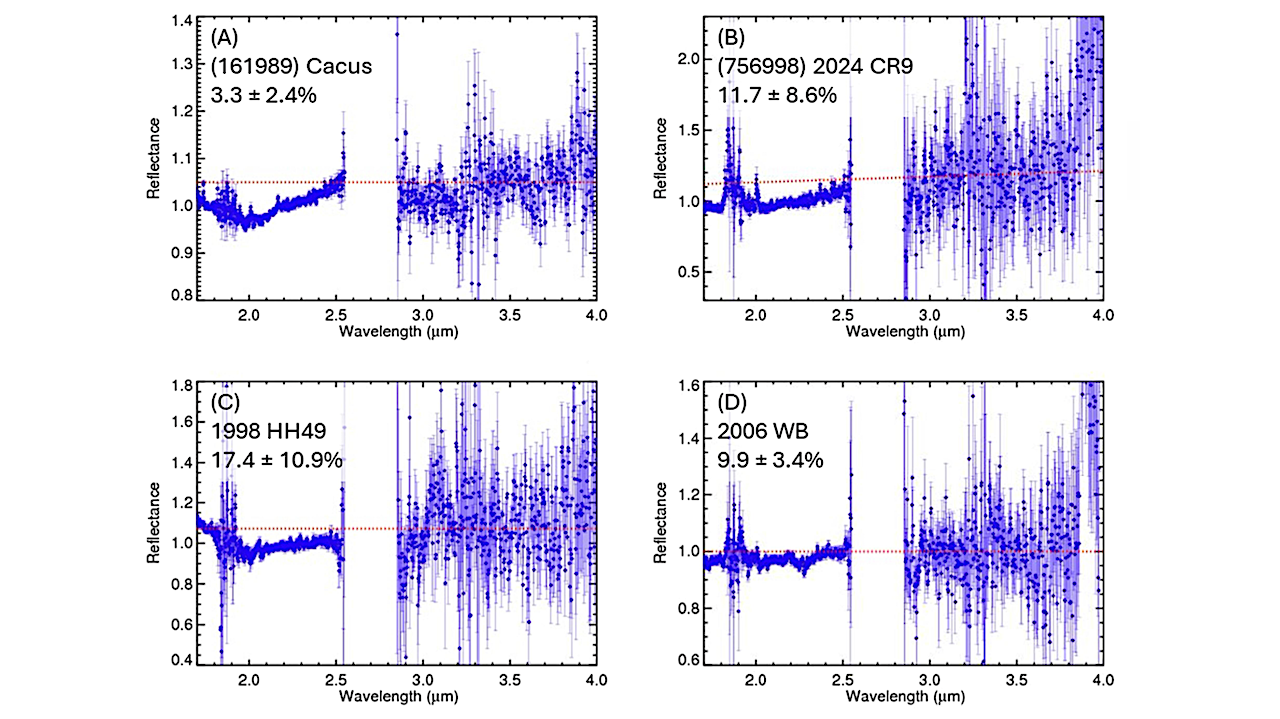
Spectra of NEOs with (potential) 3 μm absorption features. (A) Spectrum of (161989) Cacus as observed on 2022 September 3 and 4. (B) (756998) 2024 CR9 as observed on 2024