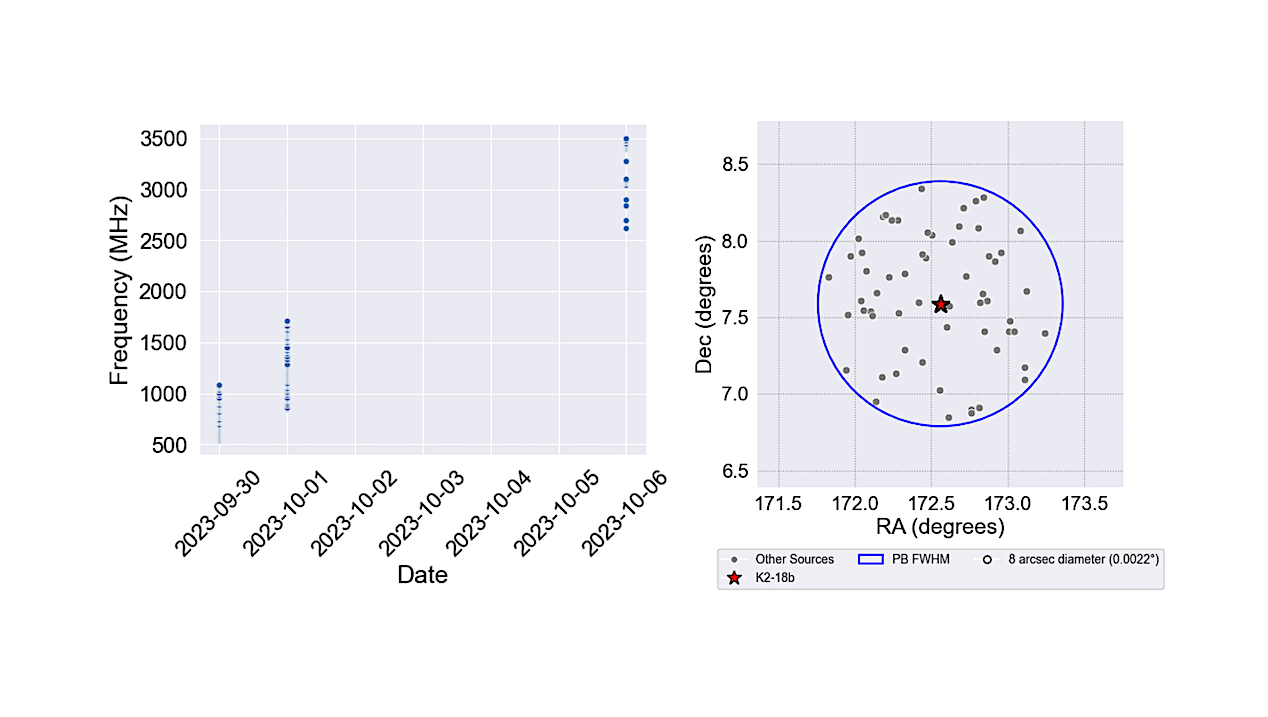
The observed sources and data collected during the K2-18b observing campaign. (Left) The dates of the observations and the frequencies in which signals were detected. (Right) The location of the

The observed sources and data collected during the K2-18b observing campaign. (Left) The dates of the observations and the frequencies in which signals were detected. (Right) The location of the
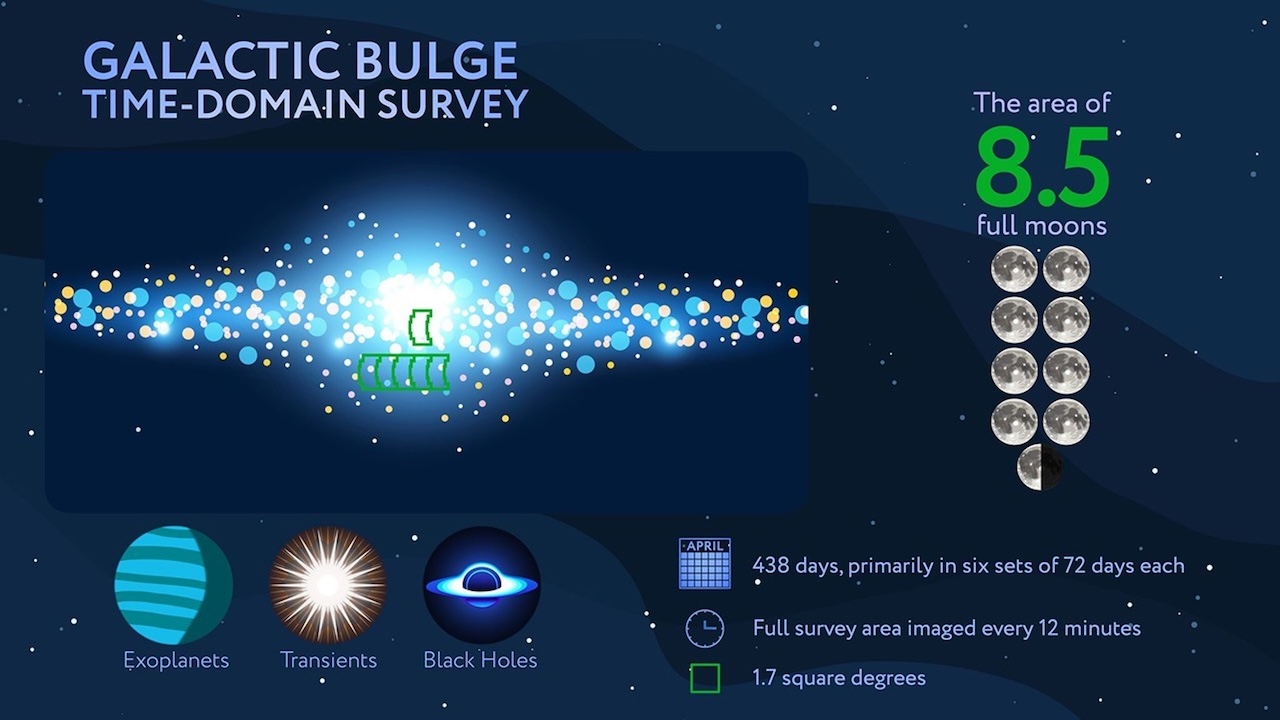
Galactic Bulge Survey Wide-Field Science — NASA The primary science driver of the Roman Galactic Bulge Time-Domain Survey (GBTDS) is the detection and demographics of cold exoplanets via microlensing (Astro2010,
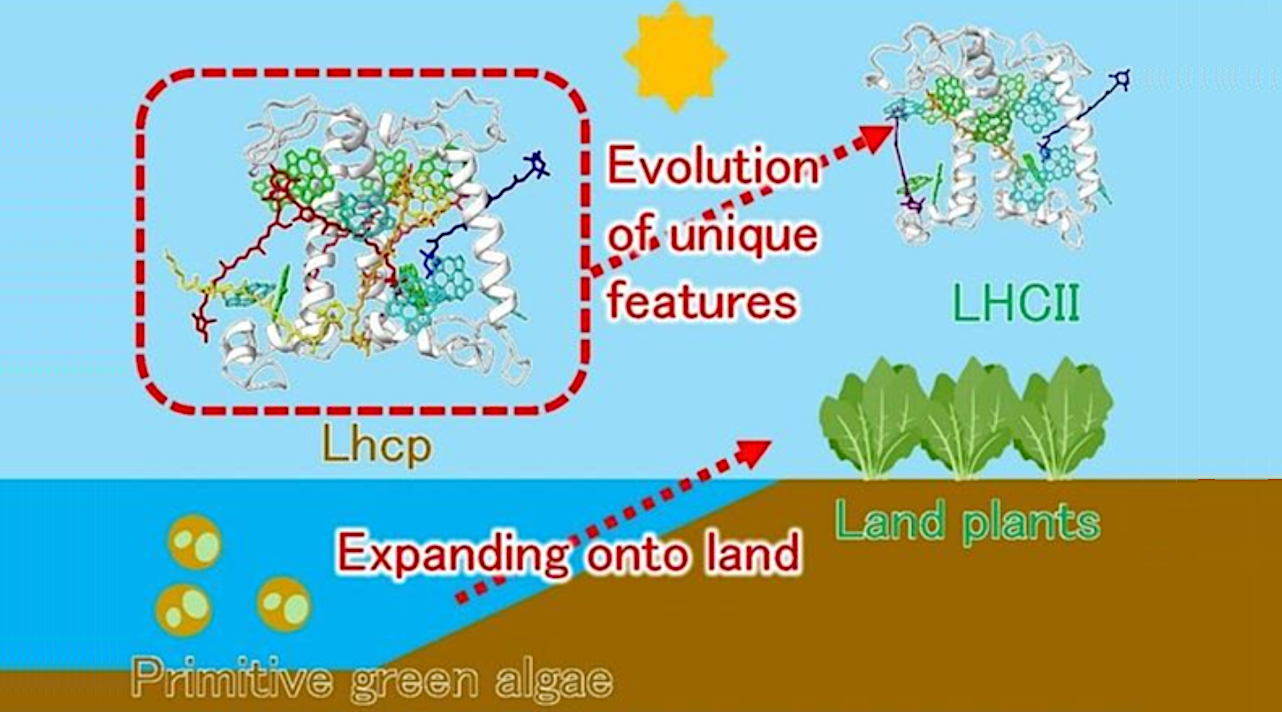
Graphical abstract — Osaka Metropolitan University Before plants evolved, vegetative life consisted of primitive green algae living in the sea. Like plants, these algae survived by performing photosynthesis, turning sunlight
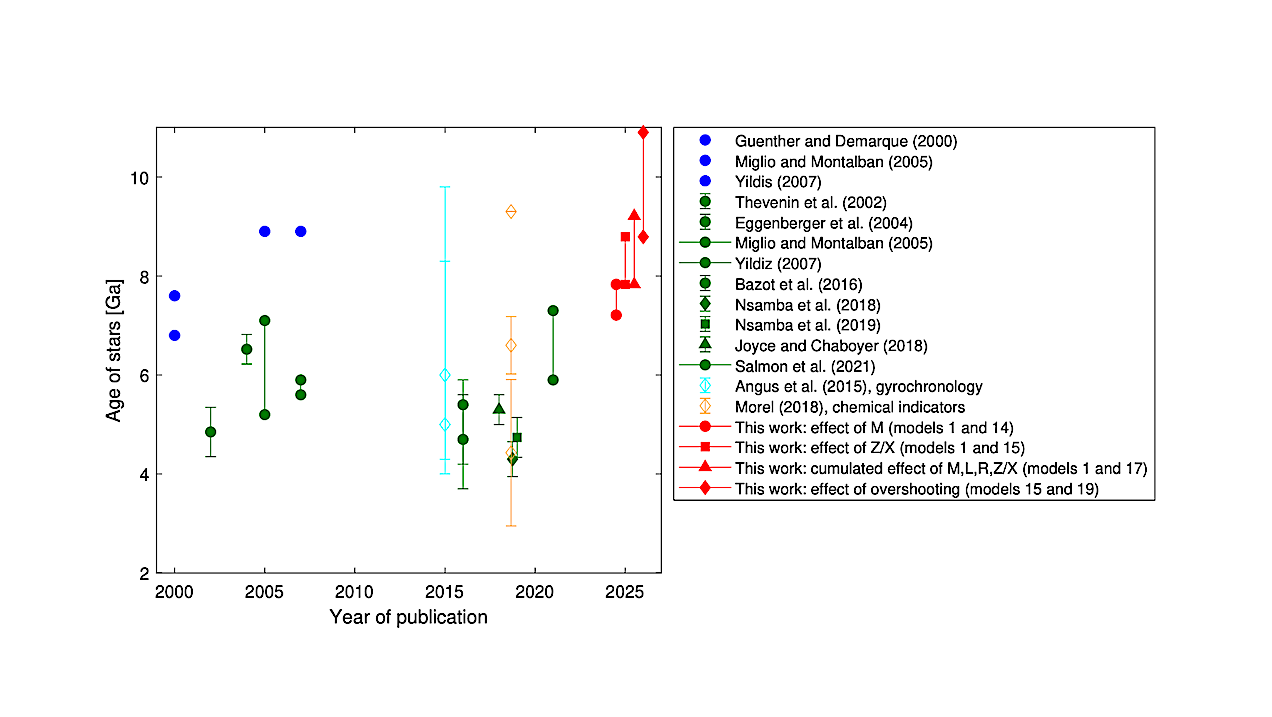
Age of α Centauri A and B estimated in various works. The colors of the points indicate the method: blue, classic method without seismic data; green, seismic analysis; cyan, gyrochronology;
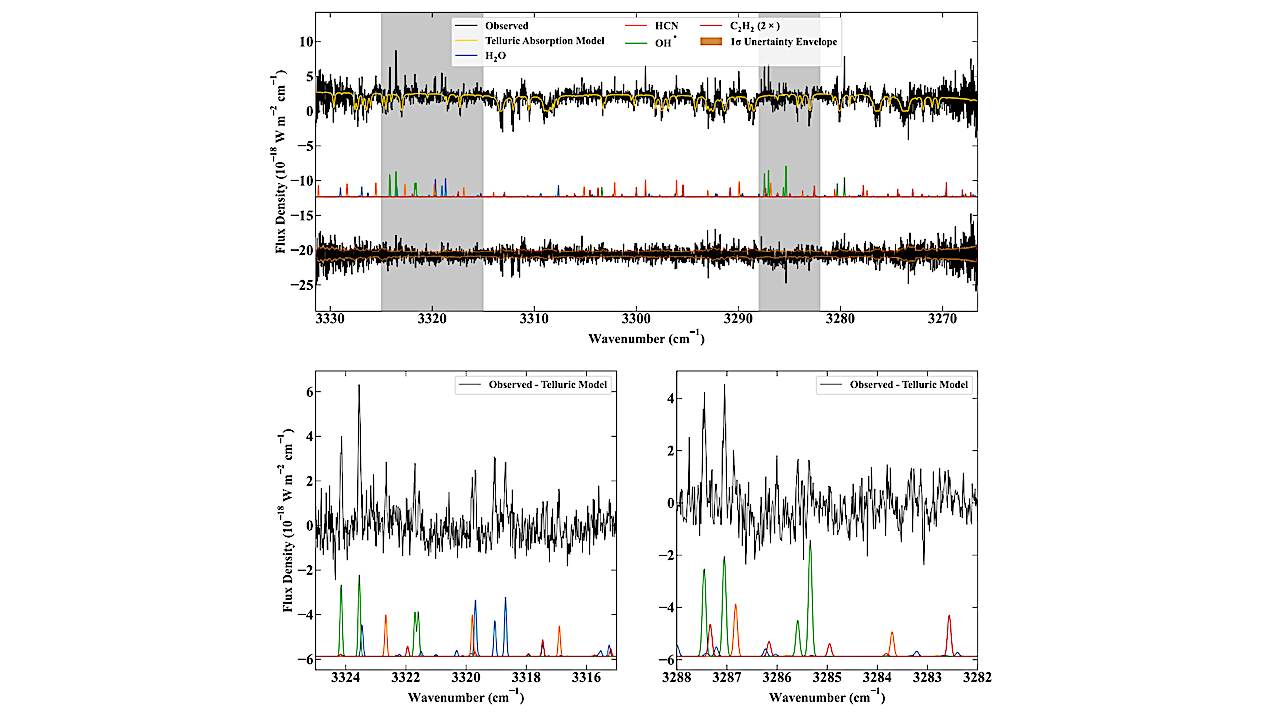
Upper. Detections of H2O, HCN, C2H2, and OH∗ in E3 covering iSHELL echelle order 170–172. The uppermost trace is the observed cometary spectrum with the telluric transmittance model superimposed. Below

Xiaoyue Ni watches a robotic fish with a reprogrammable tail swim in a fish tank. The proof-of-demonstration could lead to materials with reprogrammable material properties that could function inside of
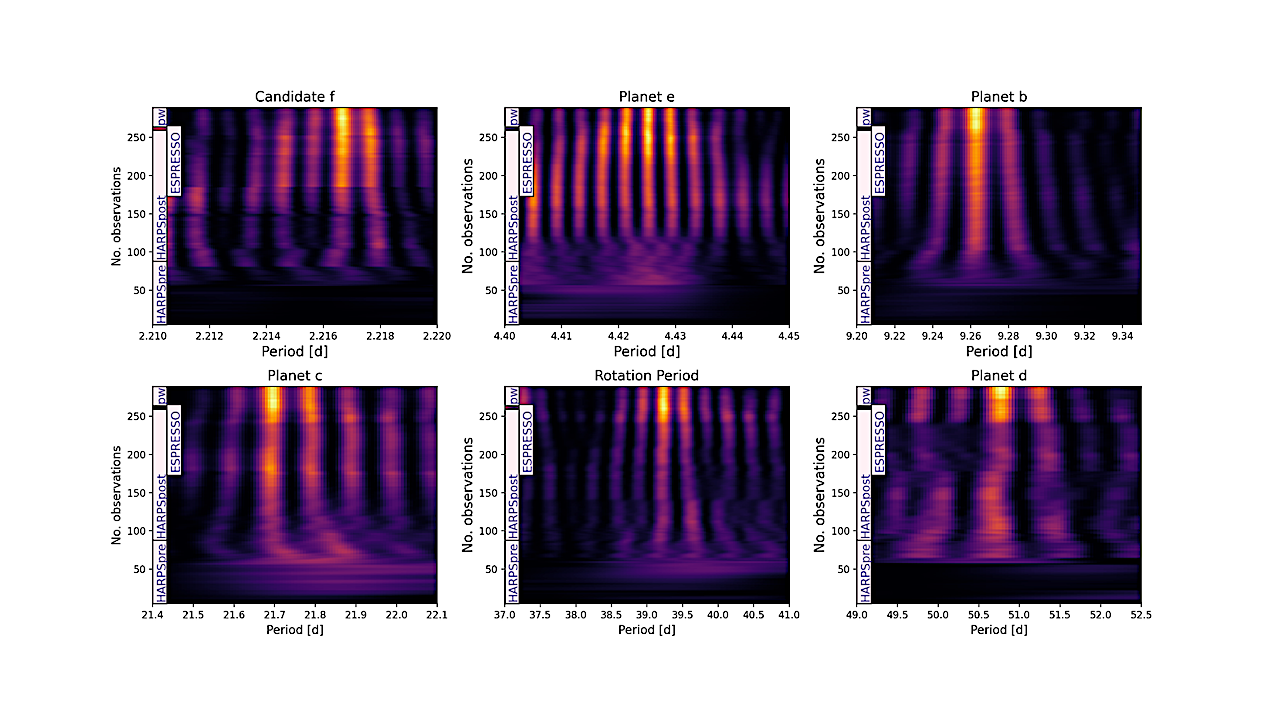
sBGLS periodograms of all planet candidates and the rotation period of the star. The apparent fringe pattern in all panels is caused by the sampling of the data in two

Different Flavors of Planets — Grok via Astrobiology.com For life to develop on a planet, certain chemical elements are needed in sufficient quantities. Phosphorus and nitrogen are essential. Phosphorus is
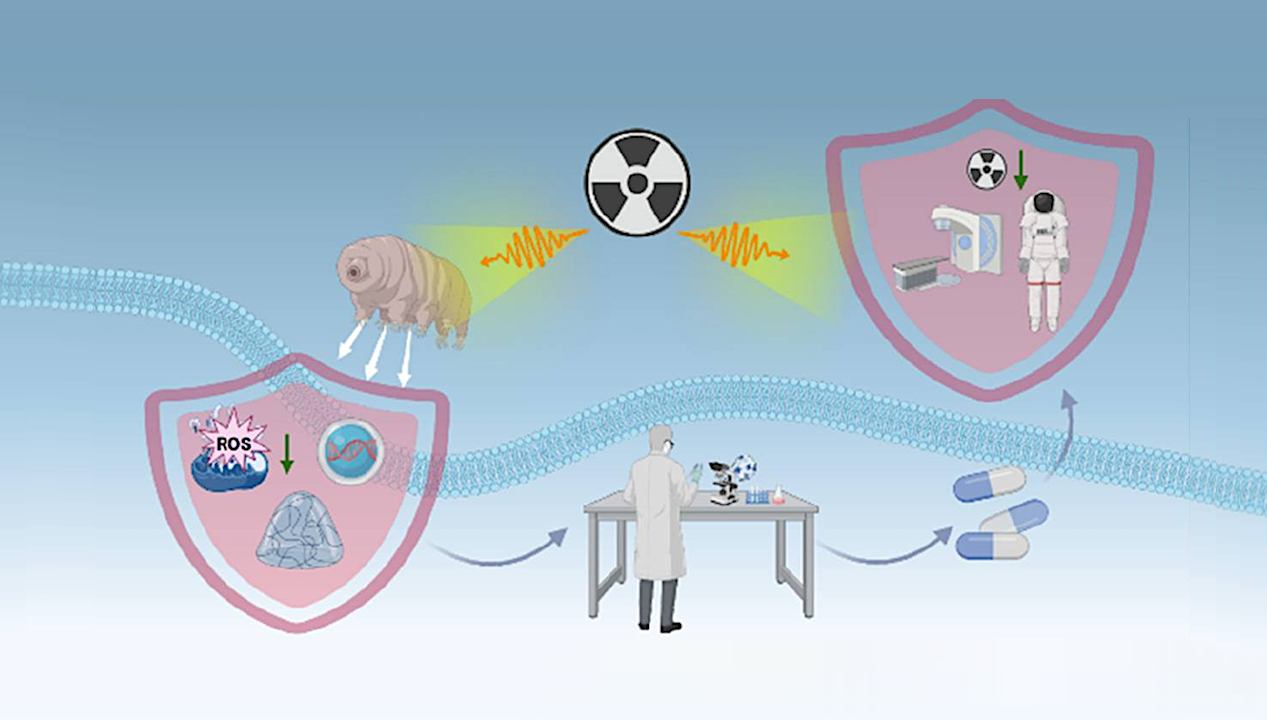
Graphical abstract — Frontiers Harnessing tardigrade-inspired radioprotective strategies to revolutionize defense against ionizing radiation in medicine and space exploration. Ionizing radiation inflicts lethal double-strand DNA breaks and oxidative stress that
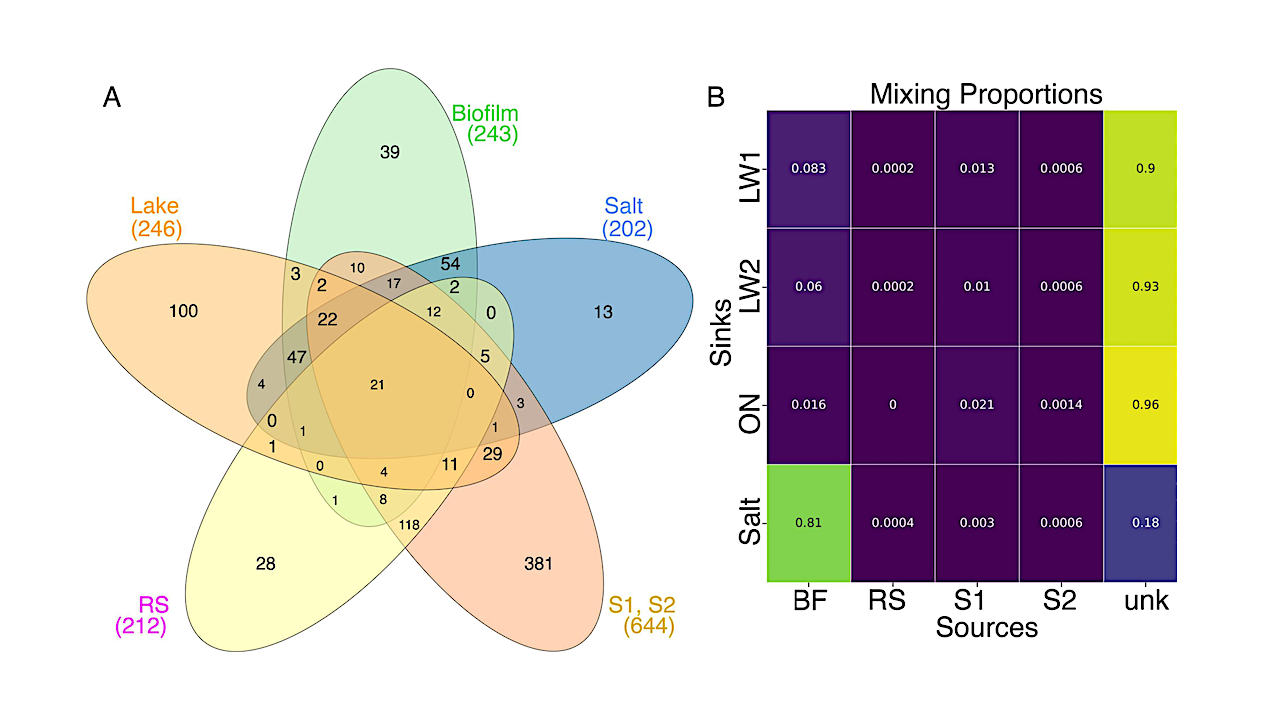
Contribution of springs to the lake. (A) Venn diagram of genera found in the Corral Springs biofilm, salt crust, Springs 1 and 2 (S1, S2 combined), Roberts Ranch/Wyman Creek (RS),