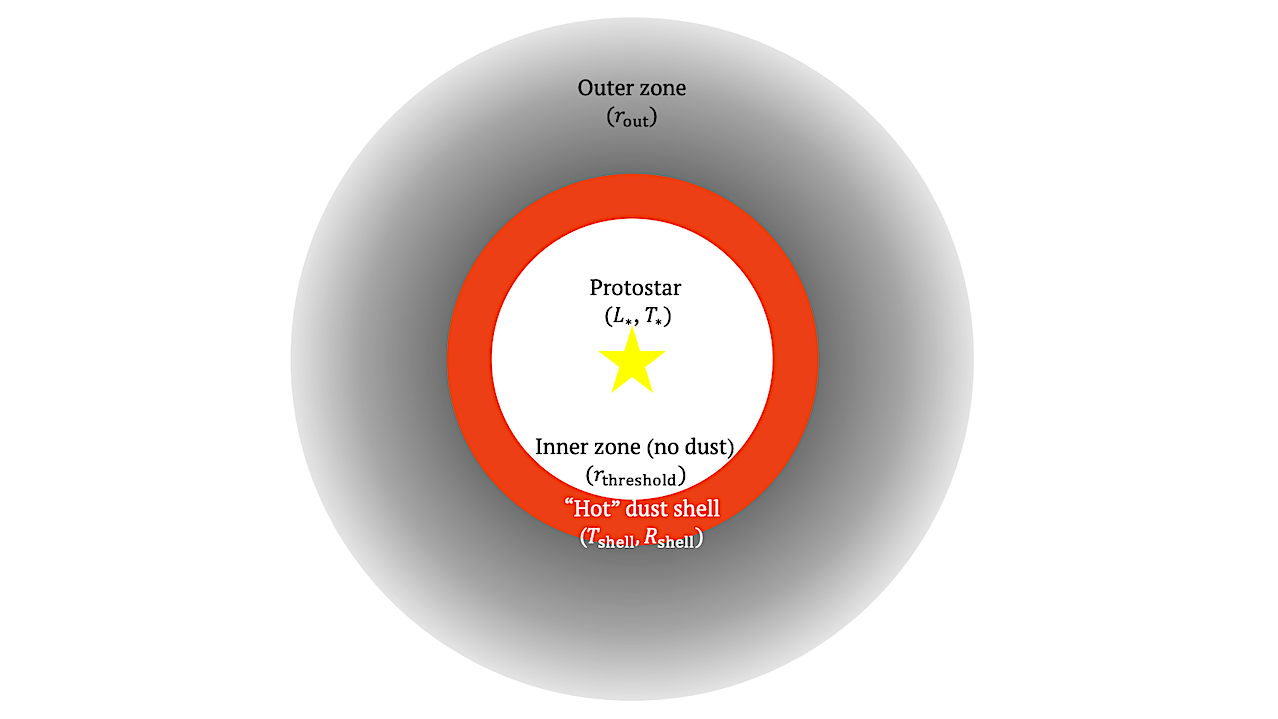
The sketch of the protostellar core adopted in this model, including a central source characterised by the bolometric luminosity (L∗) and the stellar temperature (T∗). The inner zone is characterised

The sketch of the protostellar core adopted in this model, including a central source characterised by the bolometric luminosity (L∗) and the stellar temperature (T∗). The inner zone is characterised
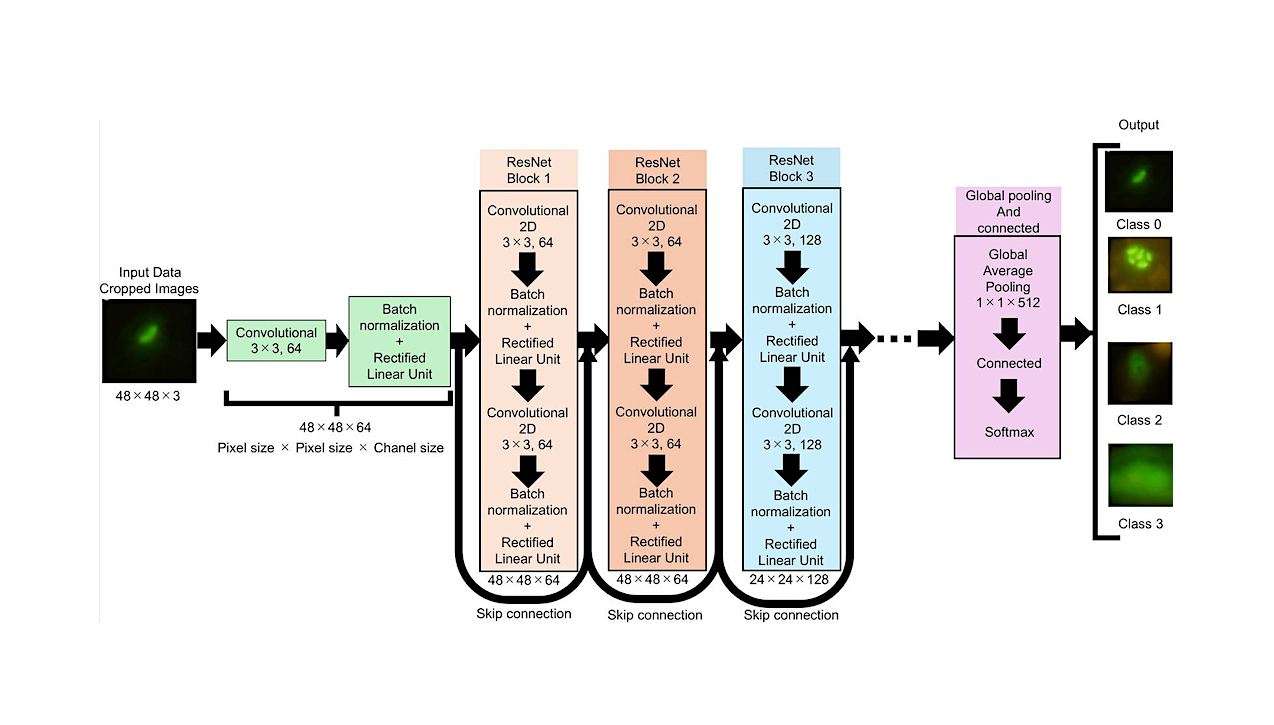
Convolutional Neural Network (CNN) architecture of ResNet-18. — Science Reports via PubMed Microscopic detection and enumeration of microbial biomass provide essential primary information about the biosphere. Unlike aquatic samples, the
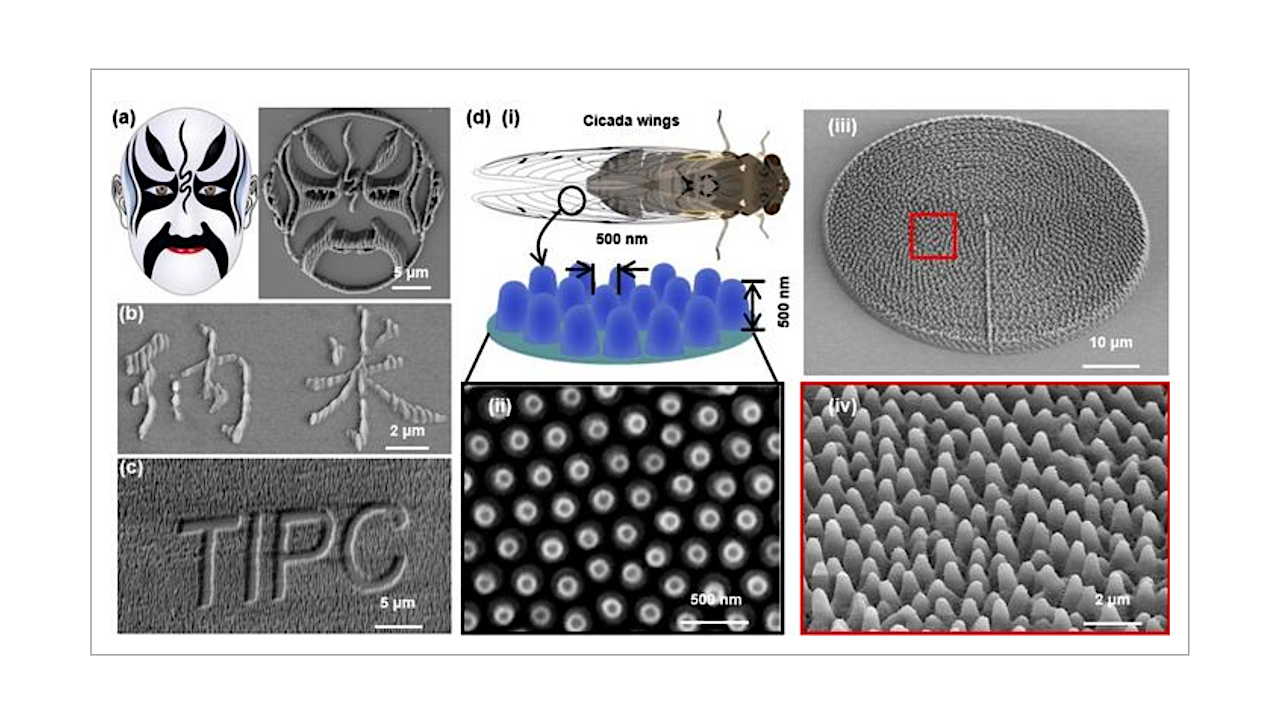
The fabricated Turing-line wrinkles and ordered Turing-column structures demonstrate the programmable nanoscale patterning inspired by nature. Credit By Qi Duan, Xian-Zi Dong, Jie Liu, Fan-Chun Bin, Xin-Yi Wu and Mei-Ling

Echoes In The Void – Grok via Astrobiology.com Keith’s note: I tried an experiment tonight. I simply asked Grok to “write a song with 5 verses and a chorus about
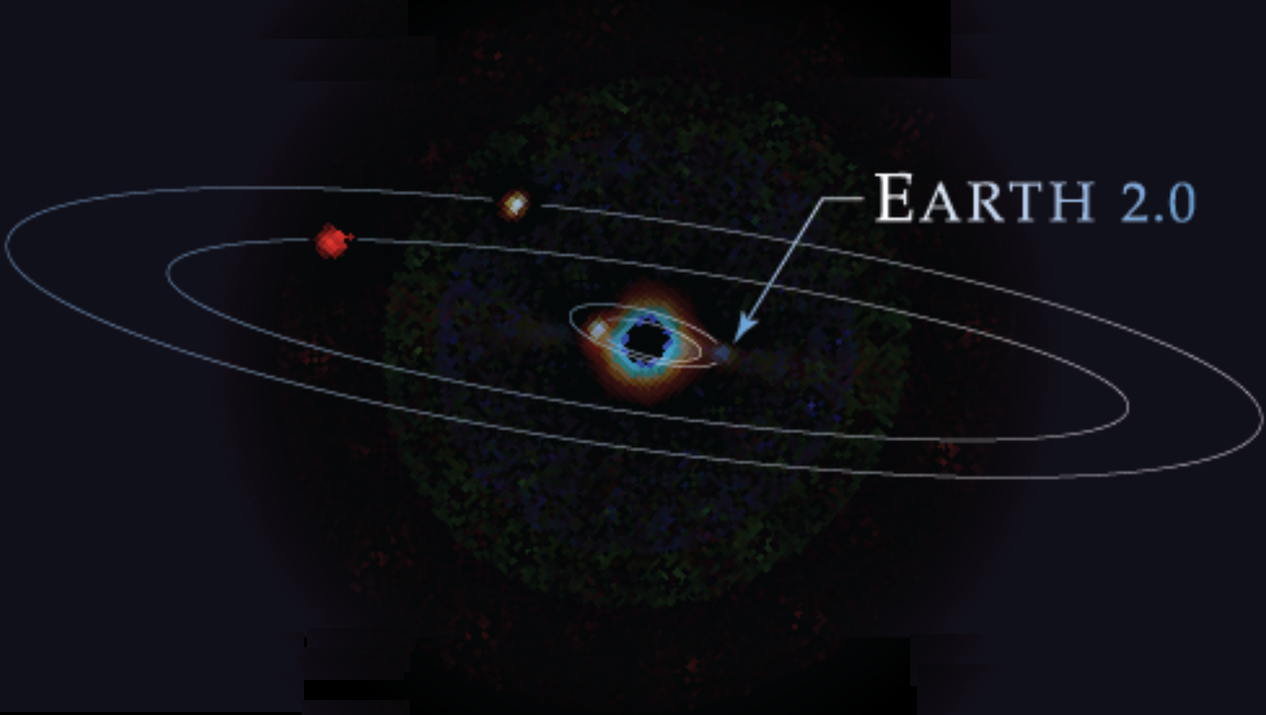
Simulated image of a Solar System analog 30 light-years away, as captured by a large Infrared/Optical/Ultraviolet space telescope. STScI, NASA GSFC NASA announced Monday the selection of industry proposals to

Cape Town – Dale Andersen Keith The team and all of our gear and cargo made it to Cape Town, which feels especially welcoming right now—warm, bright, and easy to
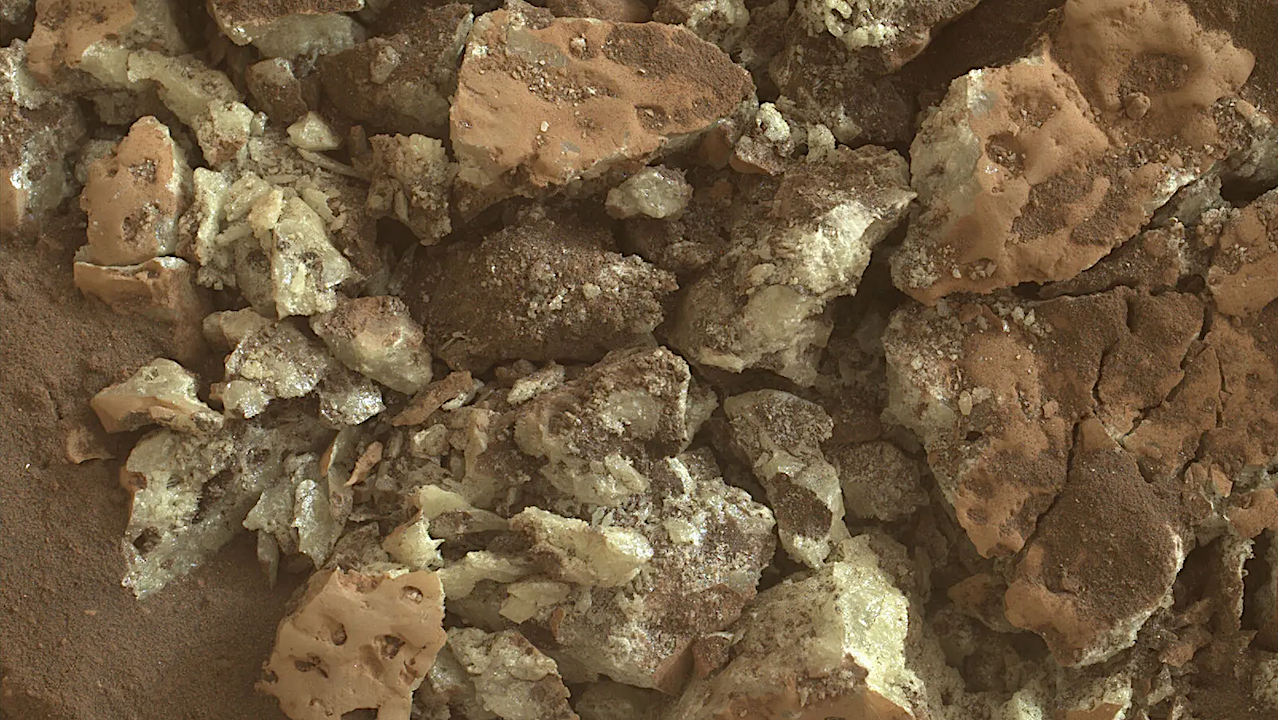
These sulfur crystals were found inside a rock after NASA’s Curiosity Mars rover happened to drive over it and crush it on May 30, 2024, the 4,200th Martian day, or

NASA Astrobiology Program Status Report January 5, 2026 NASA Science Mission Directorate The Science Mission Directorate Science Activation Program encourages all people to actively participate in science through activities and
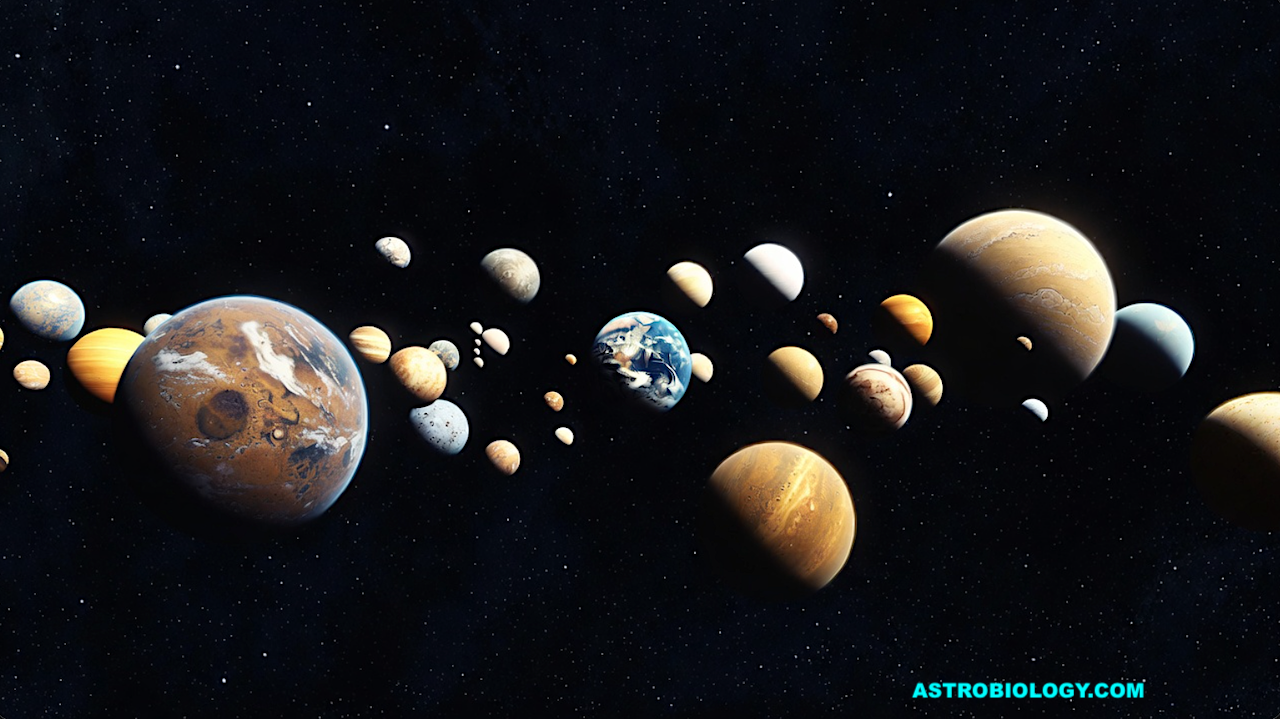
Searching for life on other worlds can provide benefits to our home world — Grok via Astrobiology.com Astrobiology, while traditionally focused on understanding the origin of life on Earth and
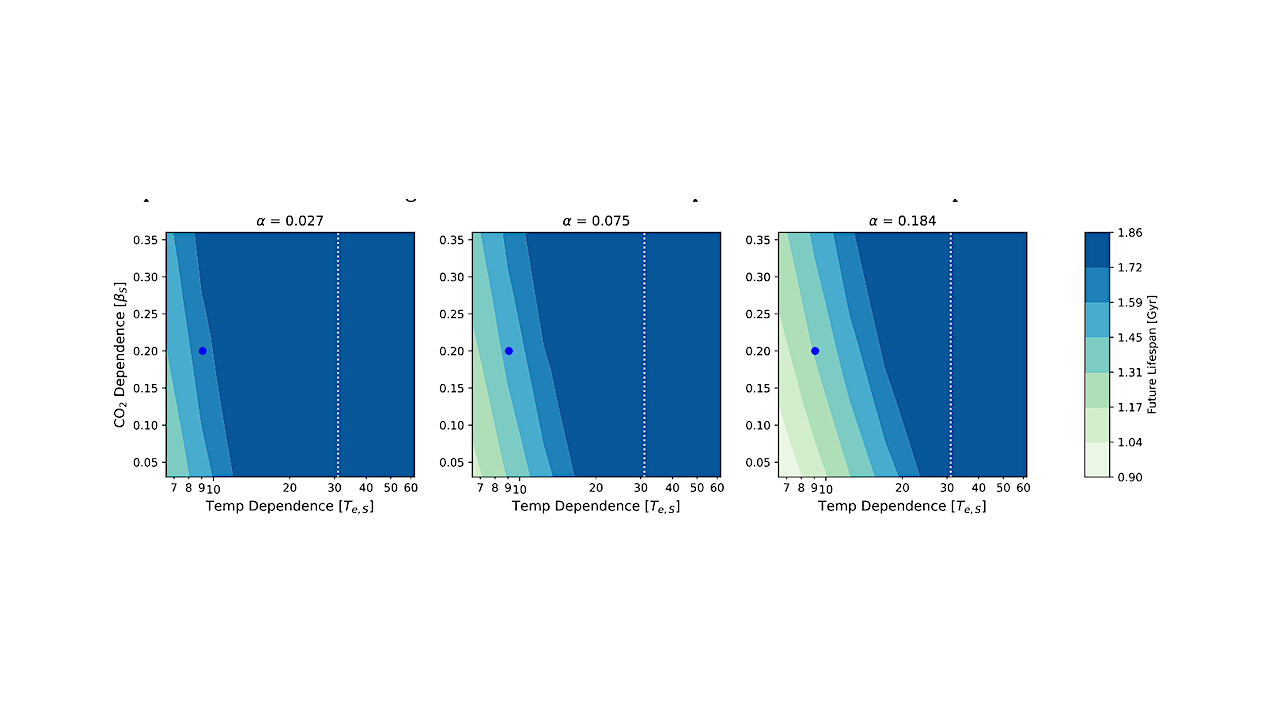
The future lifespan of the terrestrial biosphere is only significantly shortened if seafloor weathering accounts for a large portion of global silicate weathering (large α) and has a strong feedback