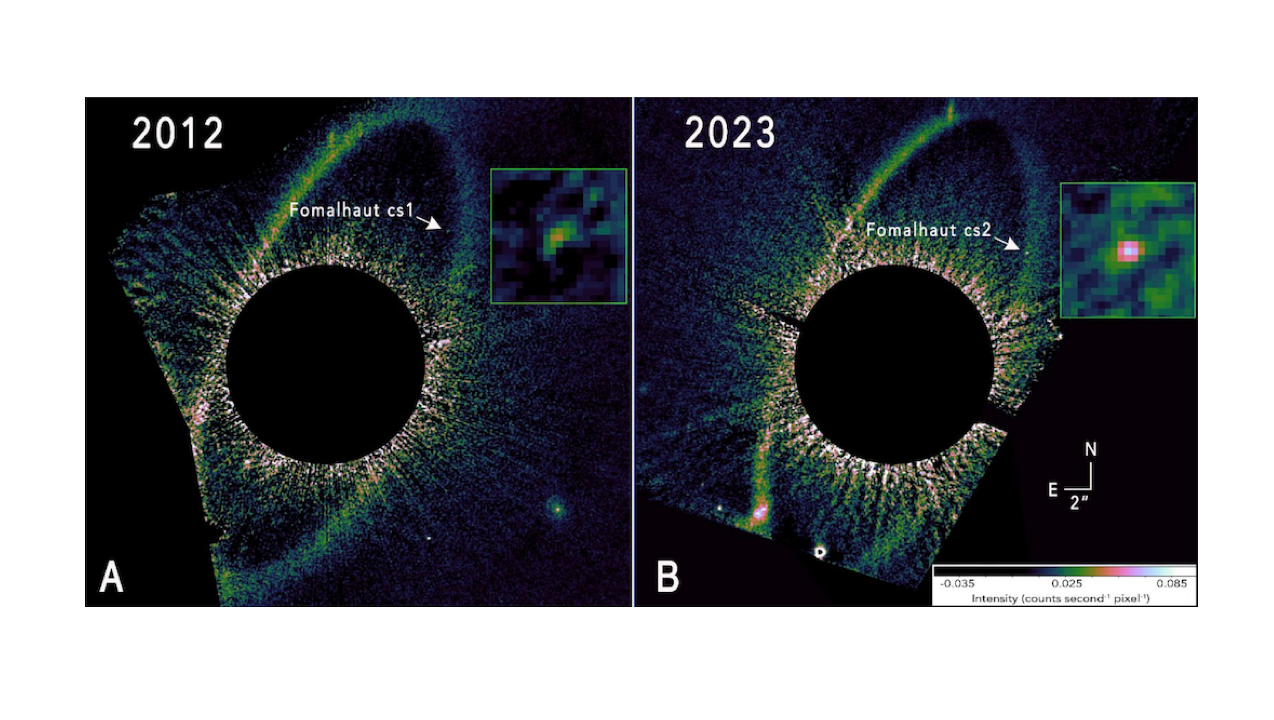
Optical images of the Fomalhaut system in 2012 and 2023. Both panels are white light HST/STIS images. The bright central star has been artificially eclipsed with a coronagraph, to reveal

Optical images of the Fomalhaut system in 2012 and 2023. Both panels are white light HST/STIS images. The bright central star has been artificially eclipsed with a coronagraph, to reveal
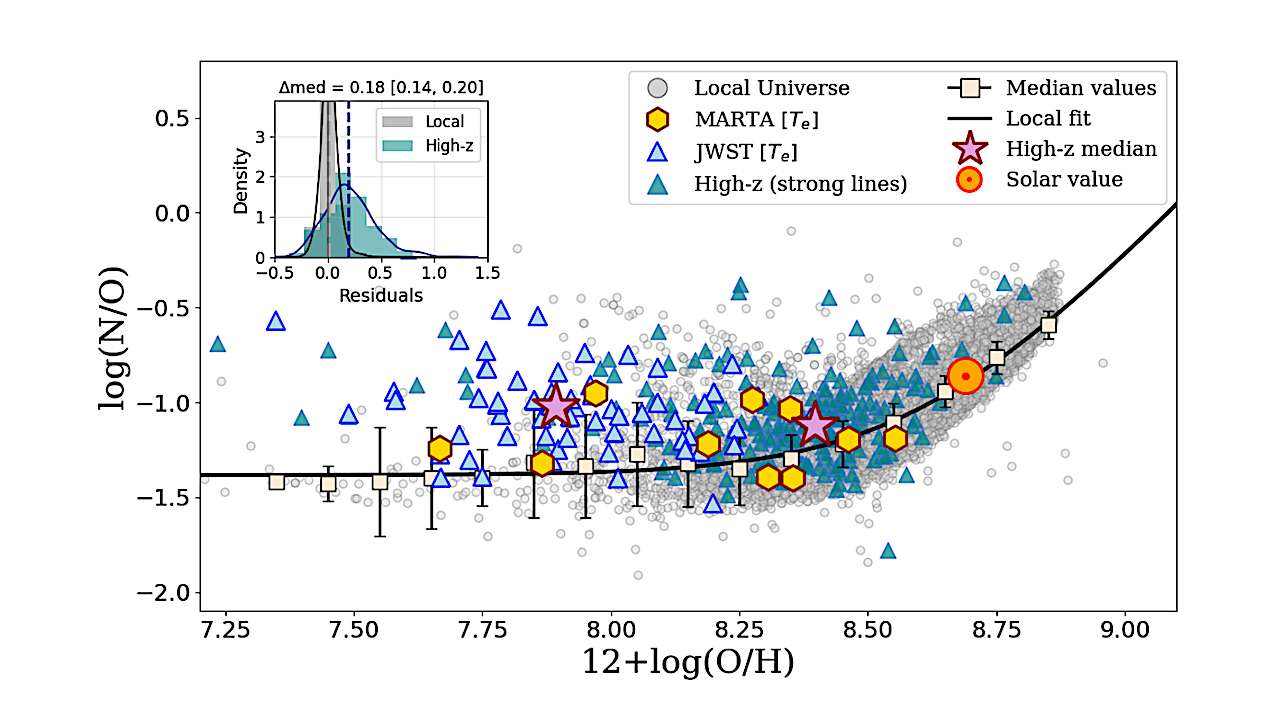
Relation between N/O and O/H for our full sample, as described in Section 2. Gold hexagons indicate MARTA galaxies with direct measurements, and light-blue triangles show the JWST auroral-line dataset.
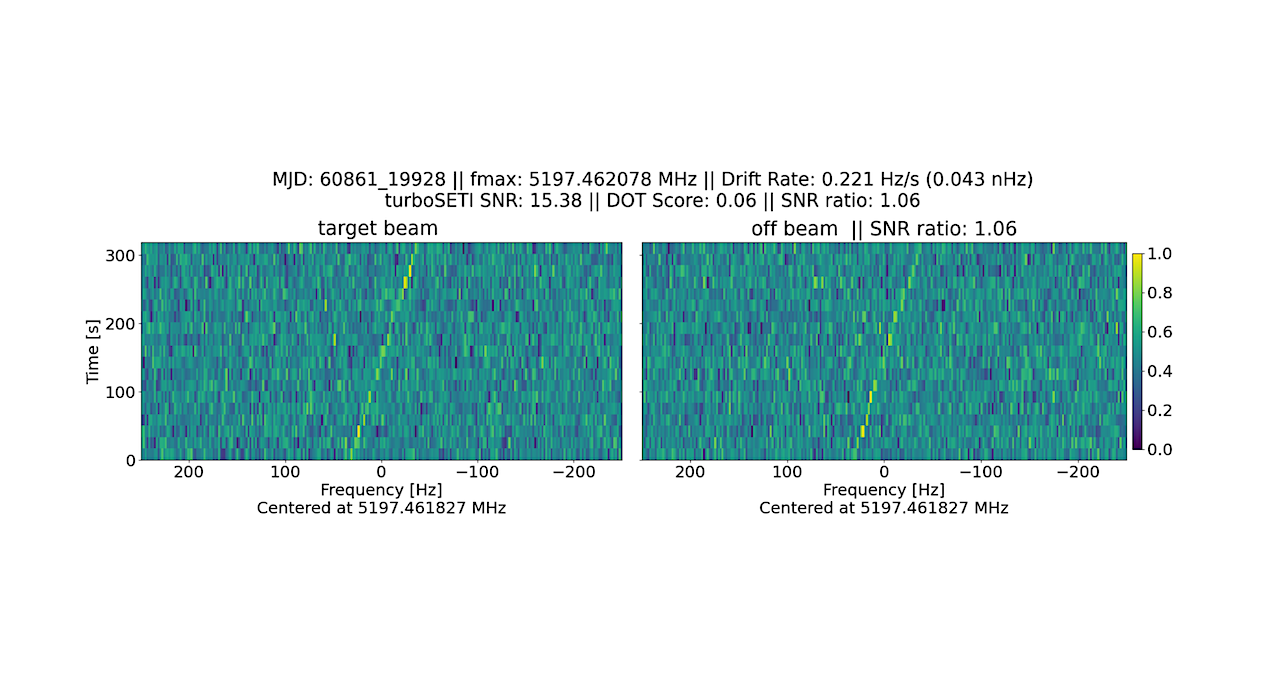
Radio spectrograms from our ATA observations. The diagonal stripe at the center is visible in observations of 3I/ATLAS as well as in off-target observations – characteristics expected from local (human)
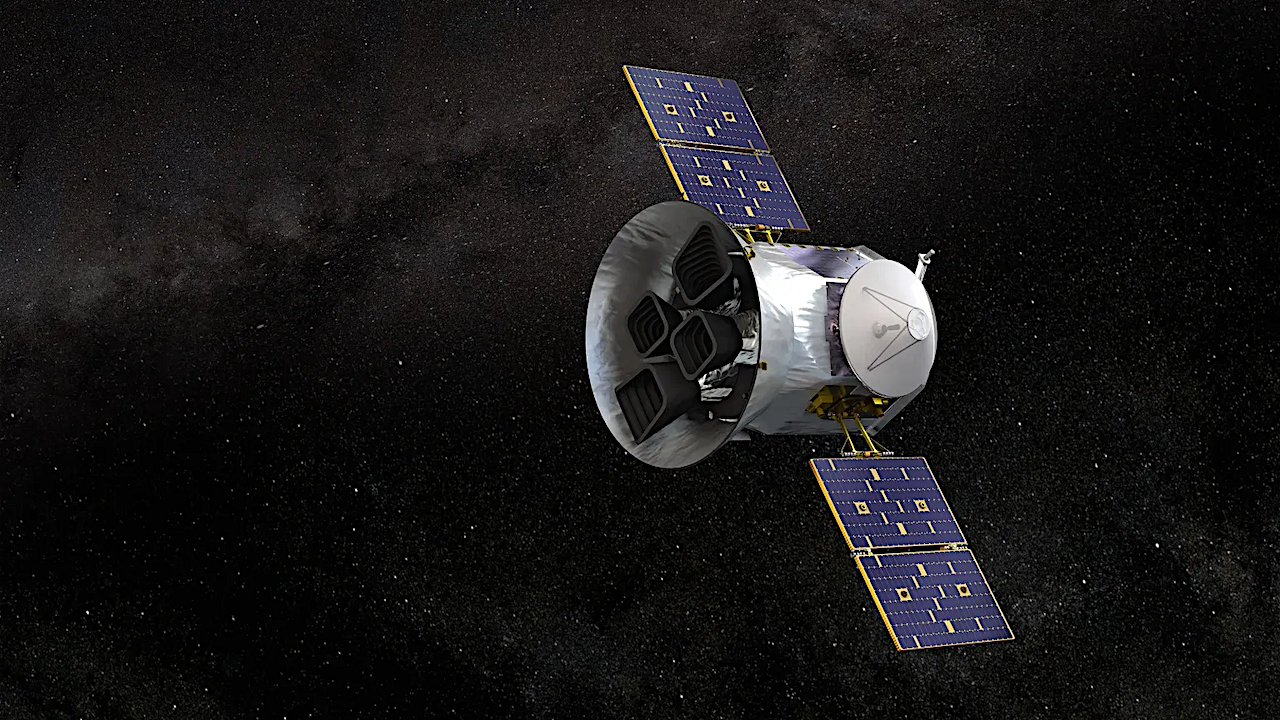
Transiting Exoplanet Survey Satellite (TESS) — NASA ROSES-25 Amendment 33: D.3D TESS General Investigator Final Text and Phase-1 Proposals Due March 10, 2026, via ARK/RPS. The Transiting Exoplanet Survey Satellite
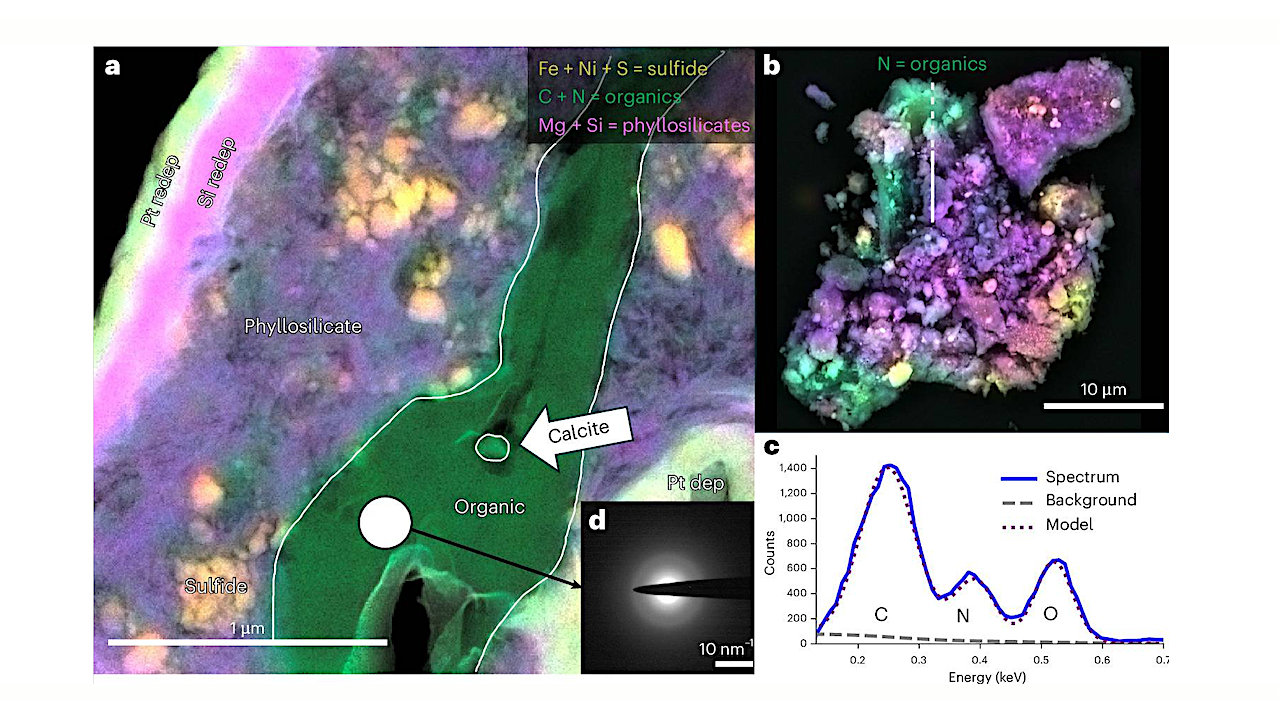
a, STEM high-angle annular dark field (HAADF) + EDS image of Particle 2. A nitrogenous vein (green) is sandwiched between phyllosilicate regions (purple). A circular region shows the location of a selected
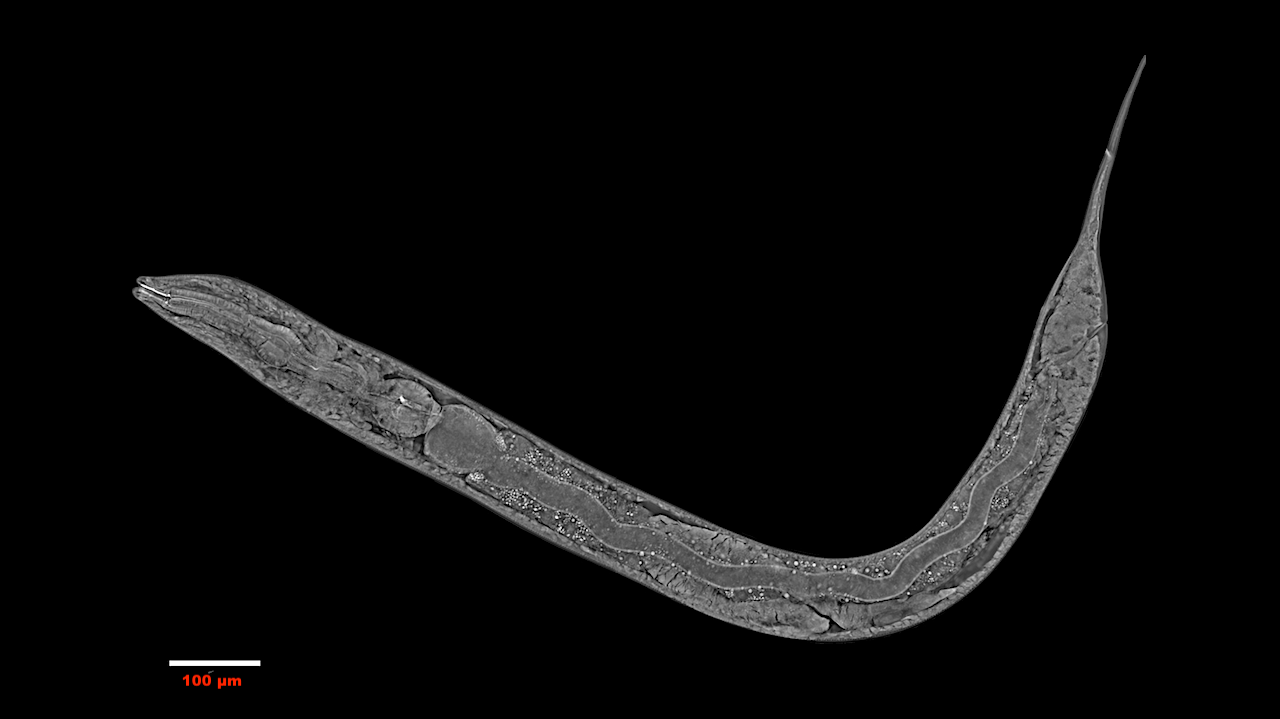
An image of Caenorhabditis elegans, a tiny roundworm, showing internal structures including the intestine, pharynx, and body wall muscle. C. elegans is one of the simplest organisms with a nervous
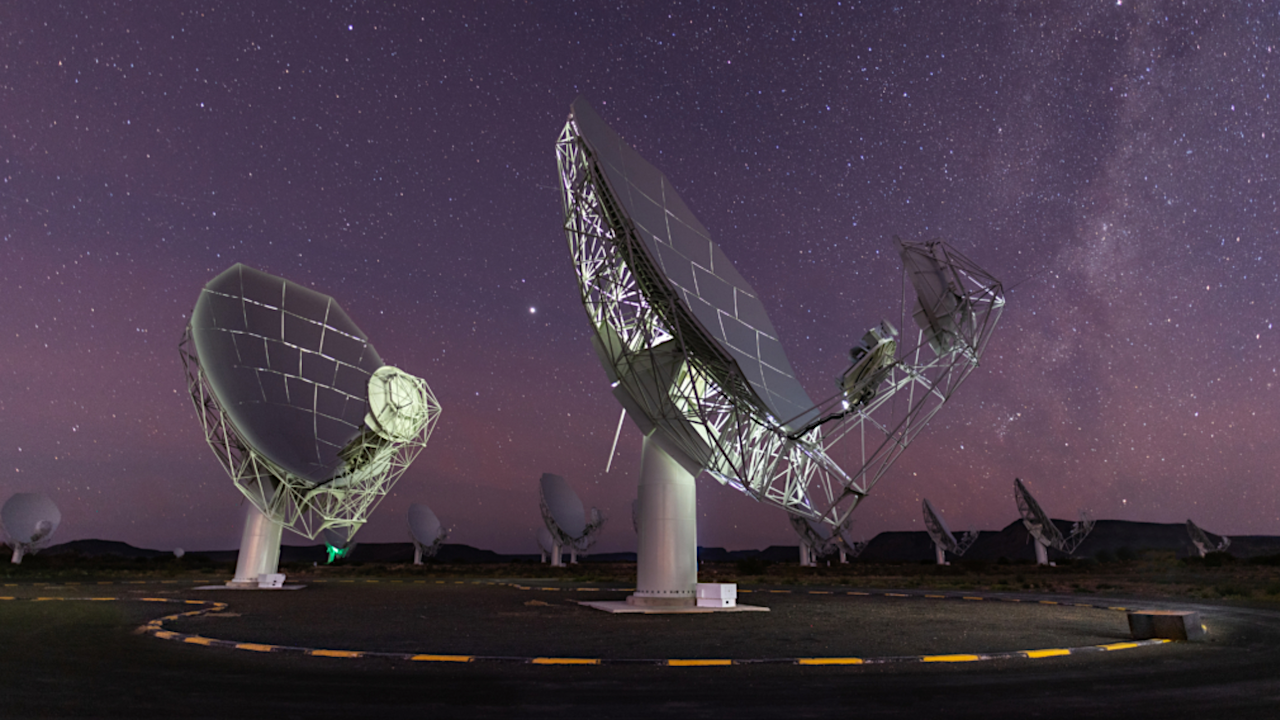
South Africa’s MeerKAT telescope. Credit: South African Radio Astronomy Observatory (SARAO). Since its discovery on 1 July 2025 by the Asteroid Terrestrial-impact Last Alert System (ATLAS), the object known as
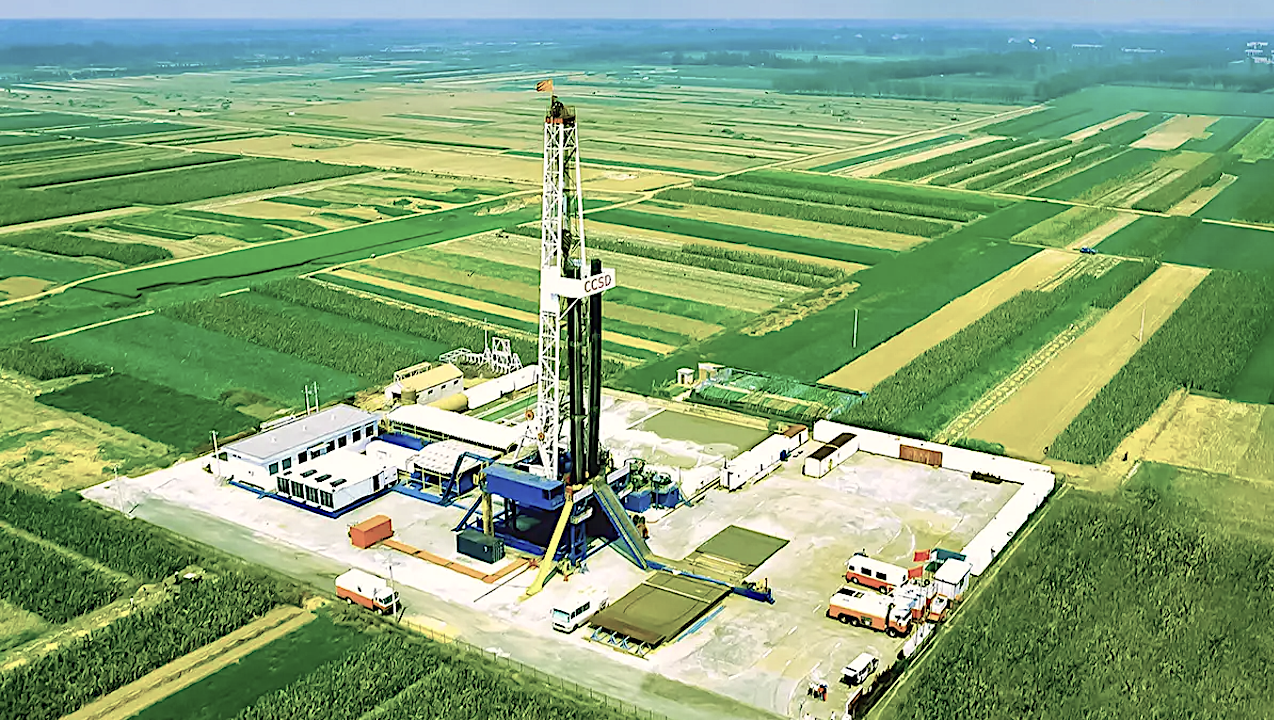
Chinese Continental Scientific Drilling project Facility — CCSD It is generally accepted that there is a vast, well-populated biosphere in the subsurface, but the depth limit of the terrestrial biosphere
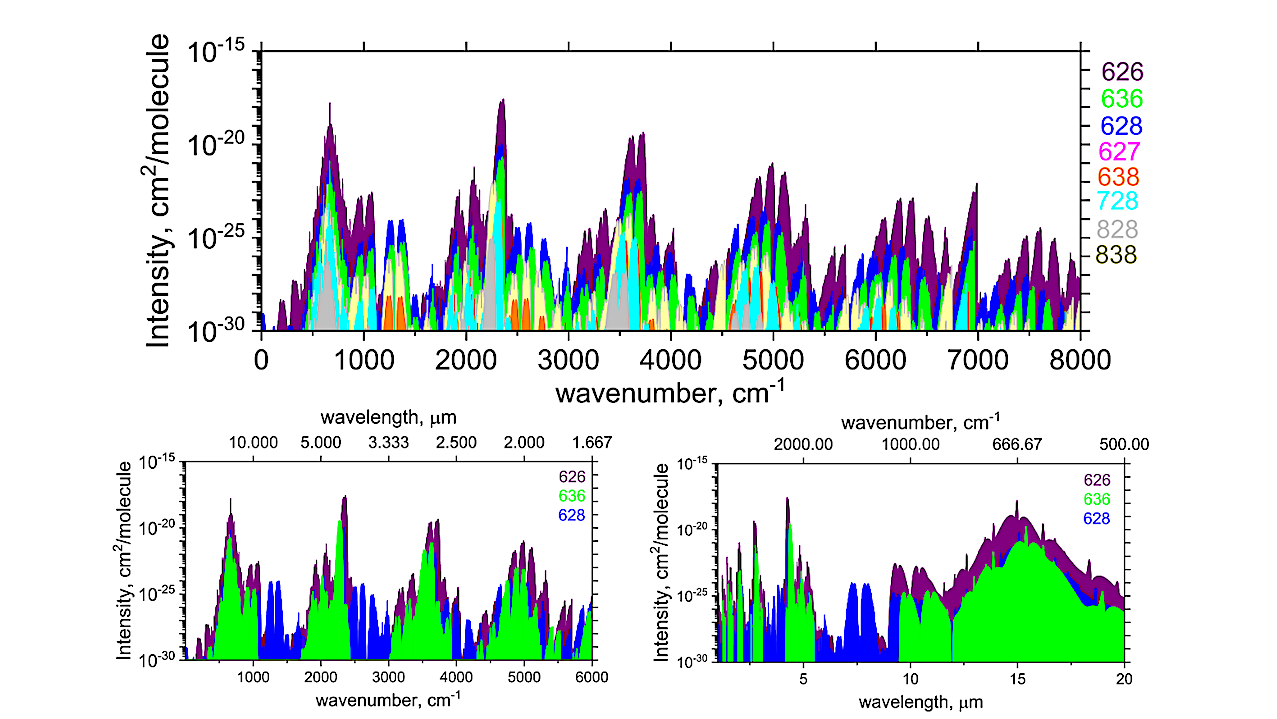
Spectra of selected CO2 isotopologues at T = 296 K, scaled by terrestrial isotopic abundances. In addition to 12C16O2, only 13C16O2 and 16O12C18O produce detectable IR features. — astro-ph.EP Extensive
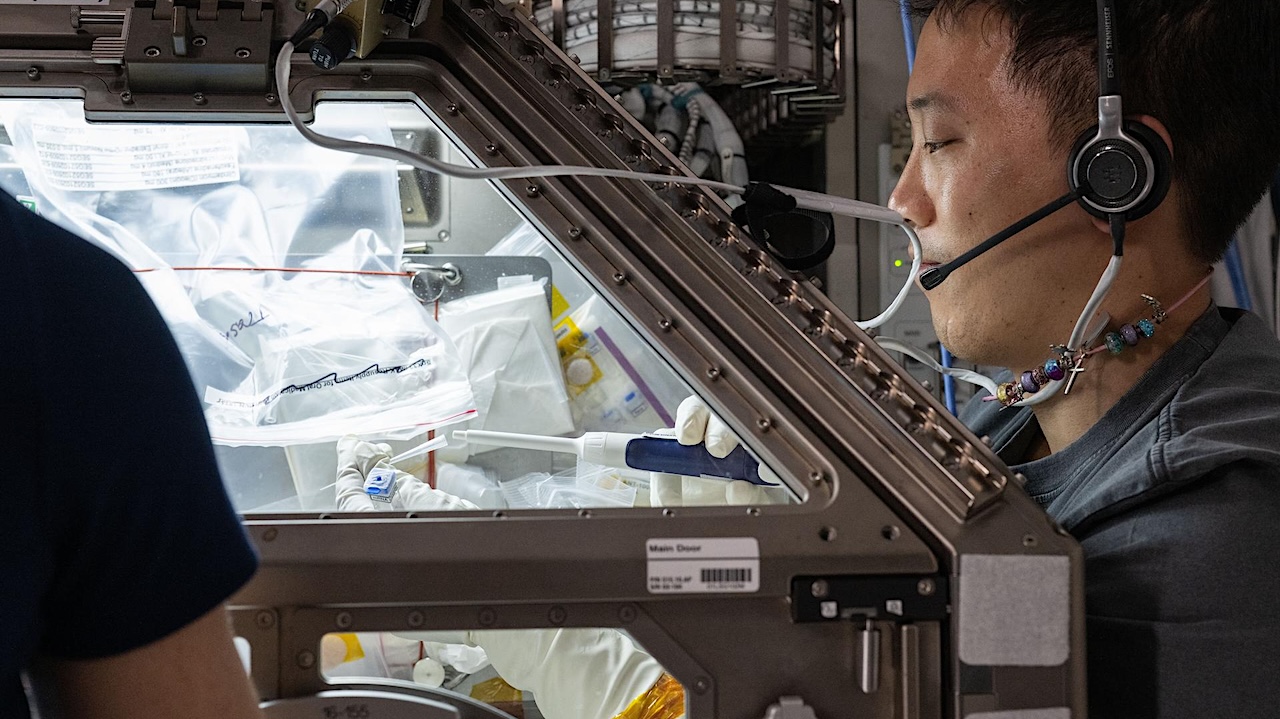
NASA ID: iss073e0025618 iss073e0025618 (May 8, 2025) larger image — NASA Working in the space station’s Microgravity Science Glovebox, NASA astronaut Jonny Kim mixes proteins with Janus base nanomaterials, small