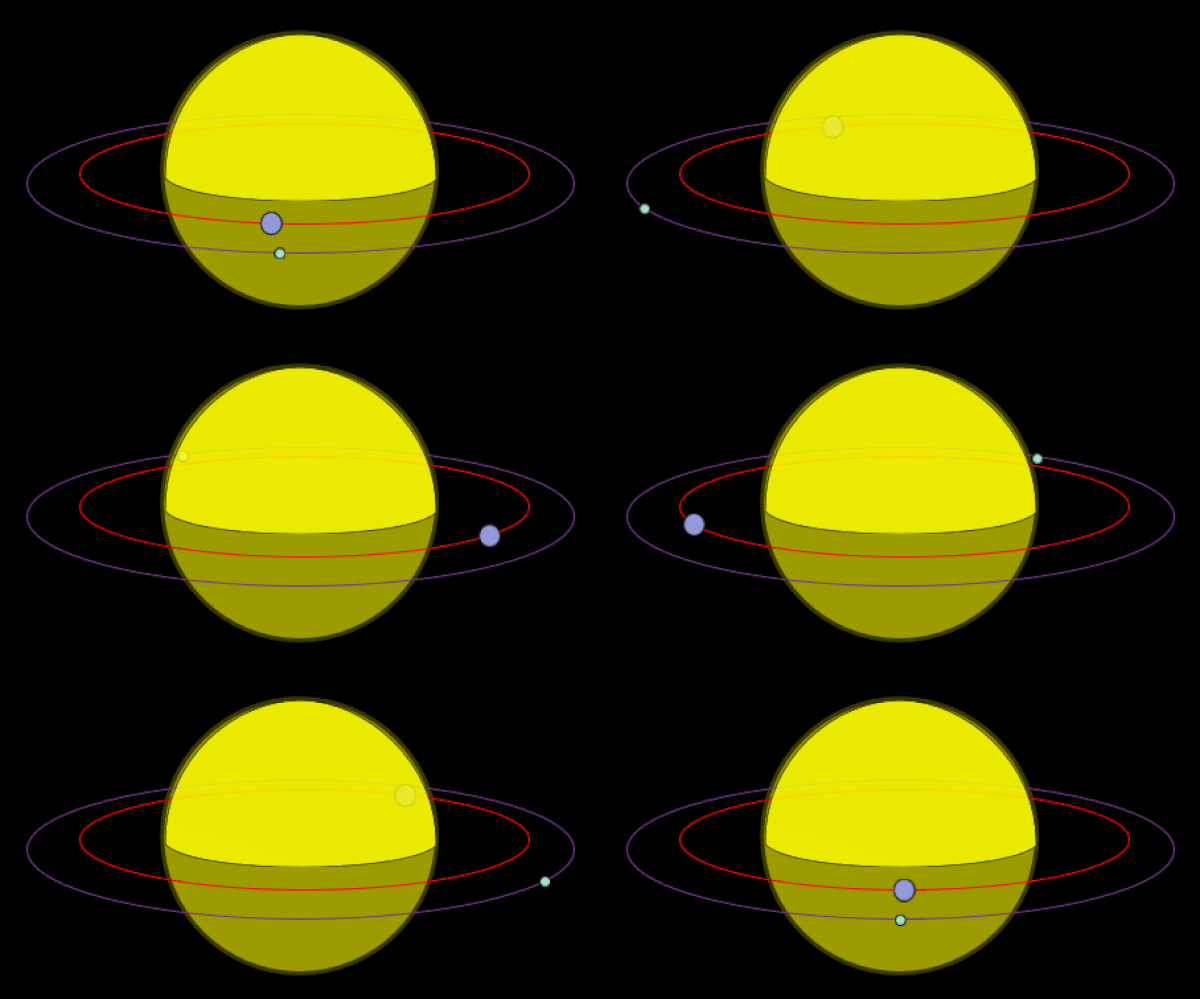
Astronomers use the term orbital resonance to describe the way planets can gravitationally affect each other when their orbits line up in a regular way. Here, we see 2 planets

Astronomers use the term orbital resonance to describe the way planets can gravitationally affect each other when their orbits line up in a regular way. Here, we see 2 planets
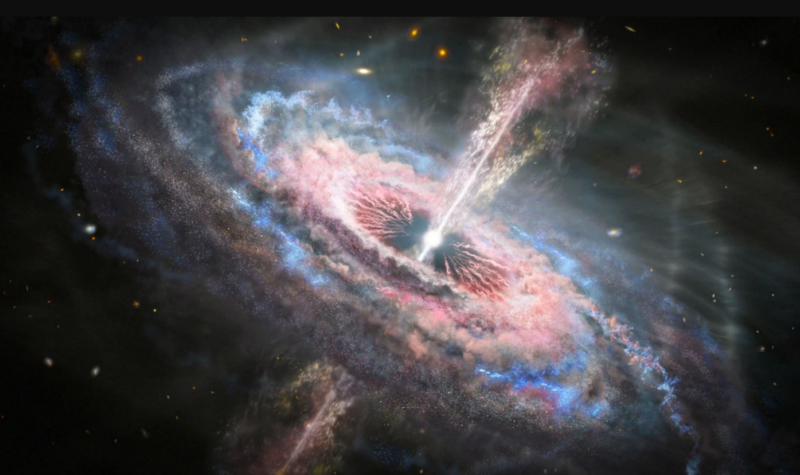
Artist’s concept of a galaxy with an active supermassive black hole millions to billions of times the mass of the sun – also known as a quasar – at its
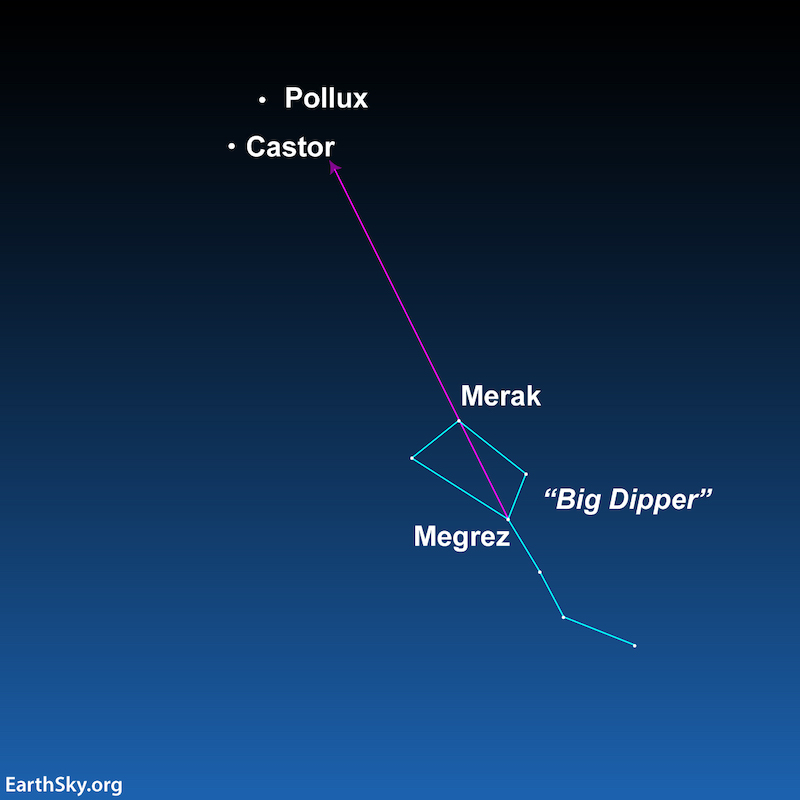
From a Northern Hemisphere location, face generally northward to find the Big Dipper asterism in the constellation Ursa Major. Look mid-evening or later in February, earlier in March. Draw an
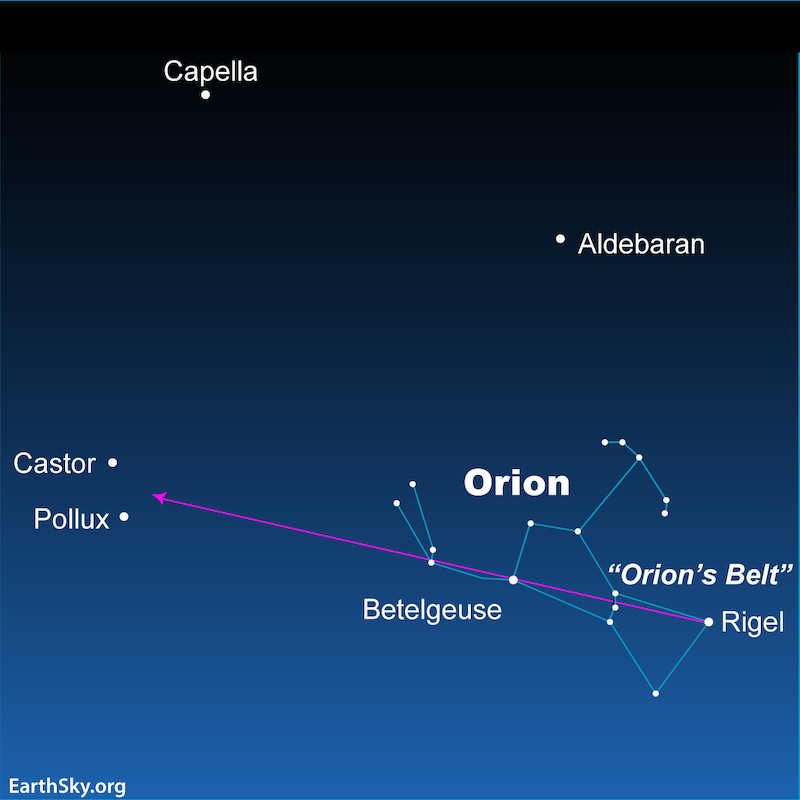
Draw an imaginary line from 2 bright stars in the easy-to-see constellation Orion the Hunter to star-hop to the “twin” stars Castor and Pollux. The line goes from Orion’s bright
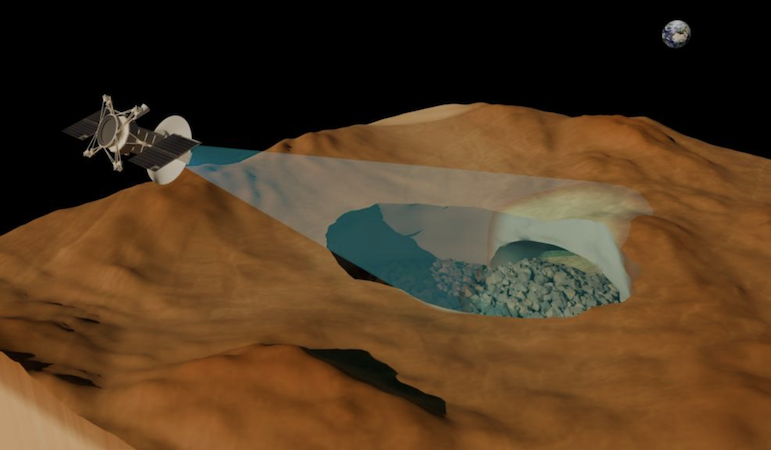
View larger. | Artist’s illustration depicting the skylight – a hole in the ceiling of the lava tube – that leads to the subsurface lava tube on Venus. Image via
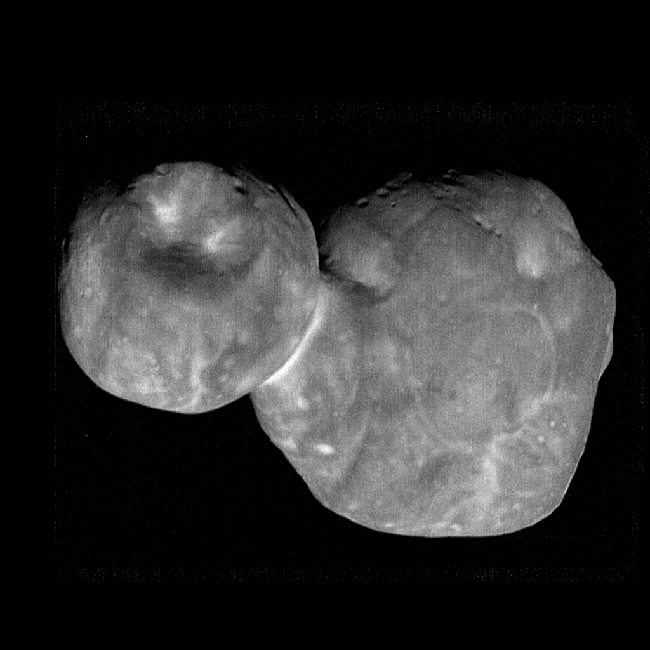
In 2019, NASA’s New Horizons mission flew by Kuiper Belt object 486958 Arrokoth. Arrokoth has a snowman shape – or 2-lobed figure – that is common in our outer solar
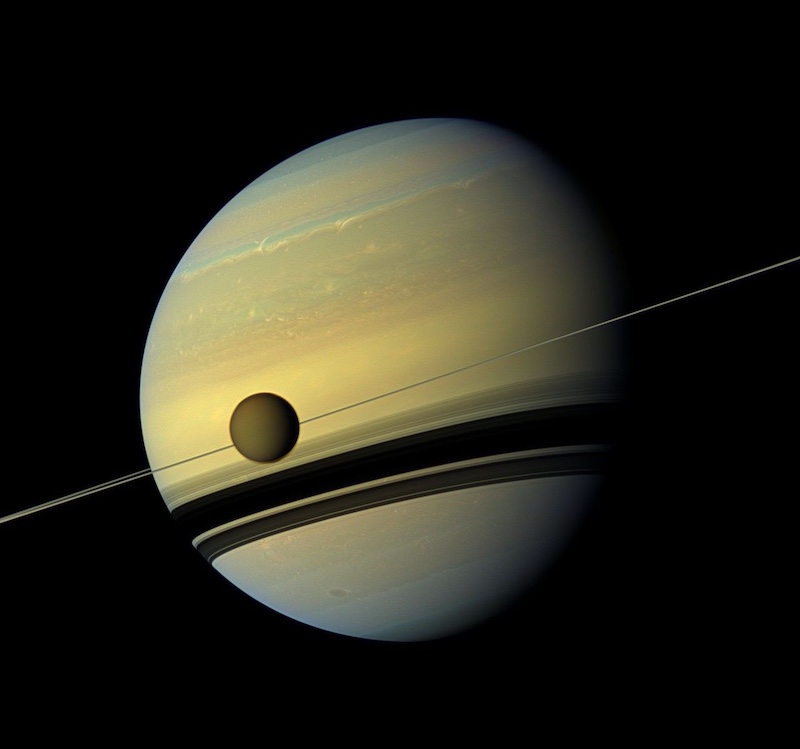
View larger. | NASA’s Cassini spacecraft captured this stunning view of Saturn and Titan in 2012. The thin rings are seen edge-on here, casting a shadow, with Titan floating in
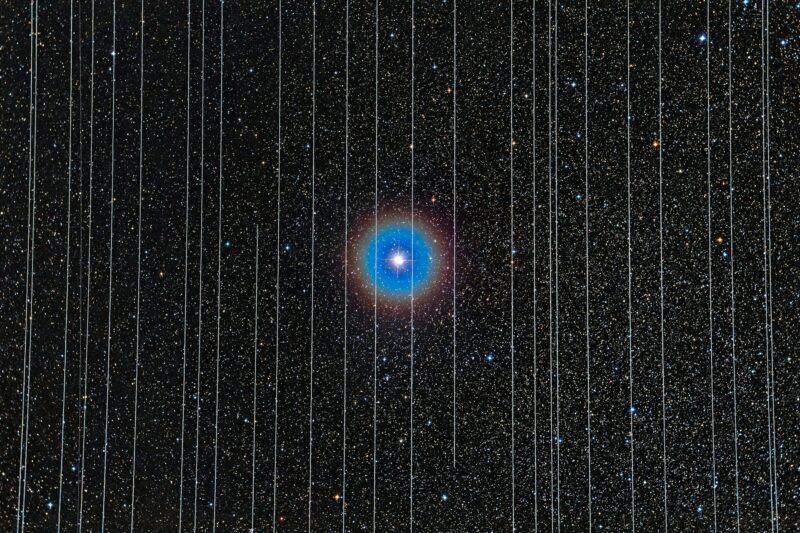
Here’s an astronomer’s view of a star obscured by streaks from Starlink satellites. Are there too many satellites in orbit around Earth? Image via Rafael Schmall/ NOIRLab. The number of
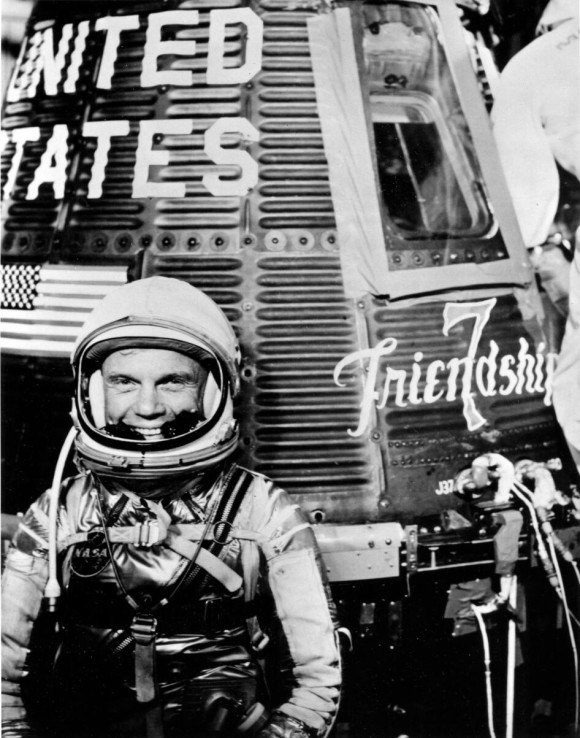
John Glenn became the 1st American in orbit on February 20, 1962. Astronaut Glenn sits outside the space capsule Friendship 7. Image via NASA. EarthSky’s 2026 lunar calendar is available
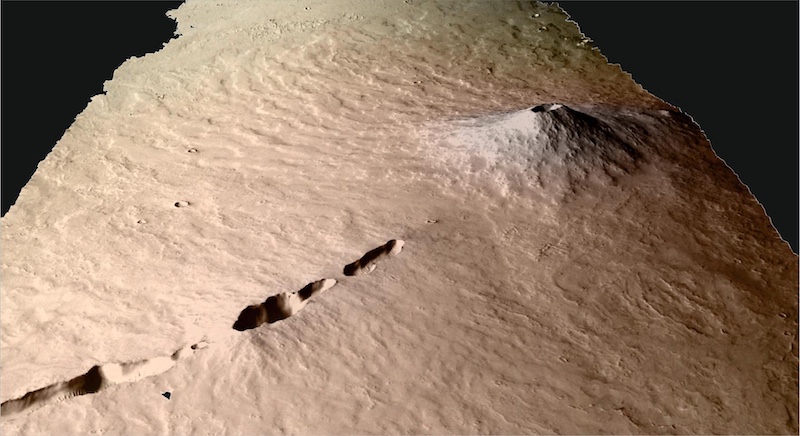
View larger. | Visualization of the volcano Pavonis Mons and the fissure next to it. A new study shows the most recent volcanoes on Mars were more active and complex