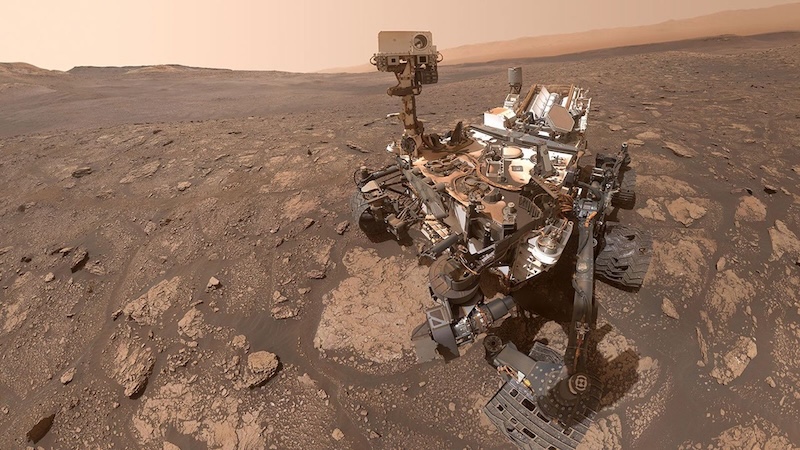
View larger. | The Curiosity rover took this selfie on October 25, 2020. It had just drilled the rock named Mary Anning, located on Mars’ Mount Sharp. It’s within this

View larger. | The Curiosity rover took this selfie on October 25, 2020. It had just drilled the rock named Mary Anning, located on Mars’ Mount Sharp. It’s within this
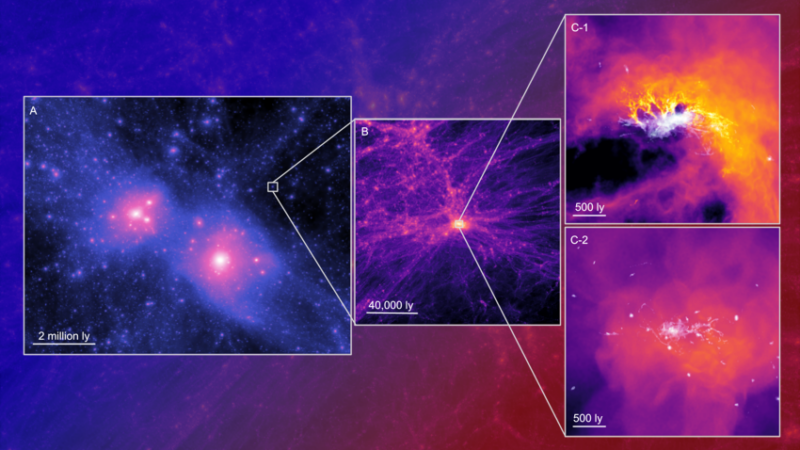
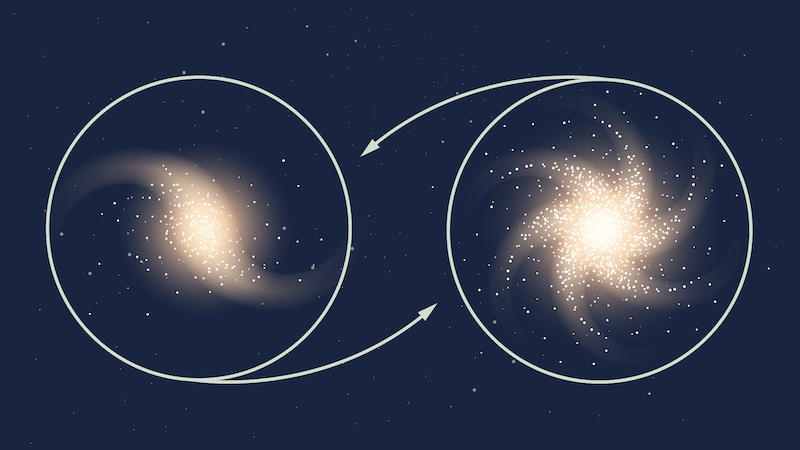
Figure A shows a dark matter map in our neighborhood of the universe. The 2 blobs are dark matter halos of the Milky Way and Andromeda galaxies. Figure B zooms
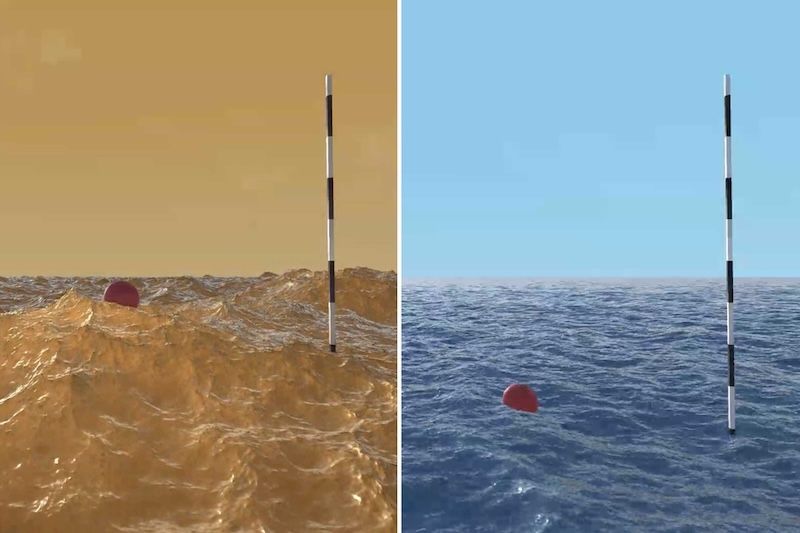
Waves on Saturn’s large moon Titan vs. waves on Earth. A new study from researchers at MIT shows that waves on other worlds – including planets outside our solar system
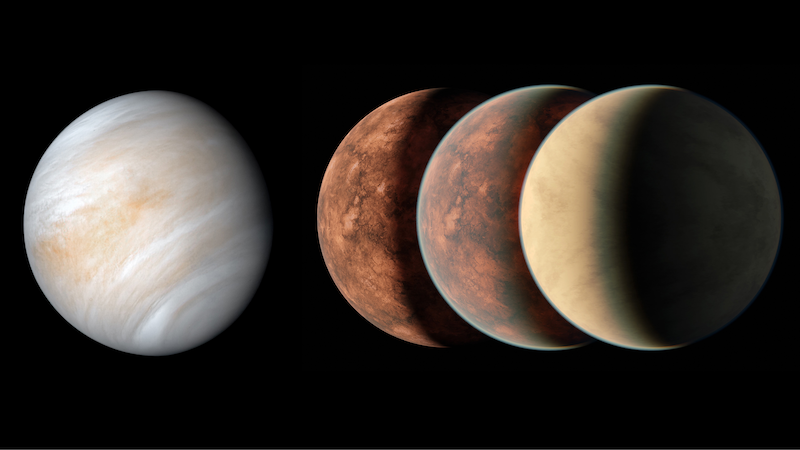
View larger. | This image compares Venus (left) with 3 possible atmospheres for Gliese 12 b, an exoplanet that’s 40 light-years away. Venus is now a hot and arid planet,
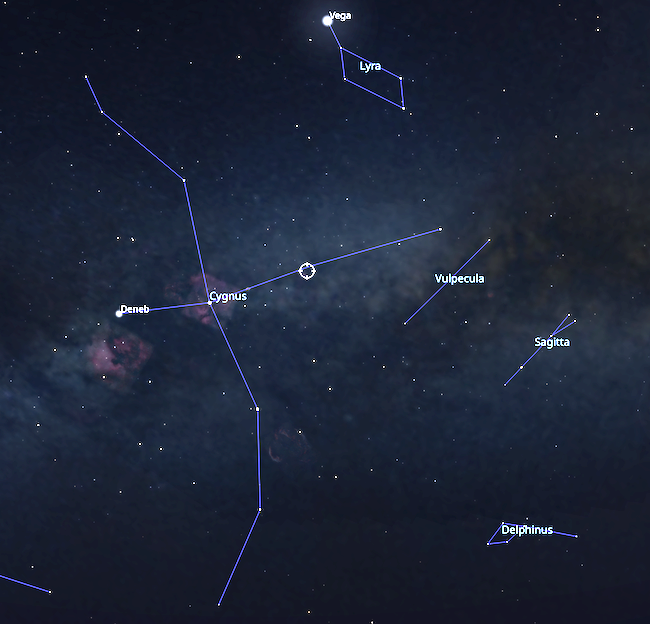
An animation of the interaction between the Cygnus X-1 black hole and its large companion star. The force of stellar winds from the star bends the jets from Cygnus X-1.
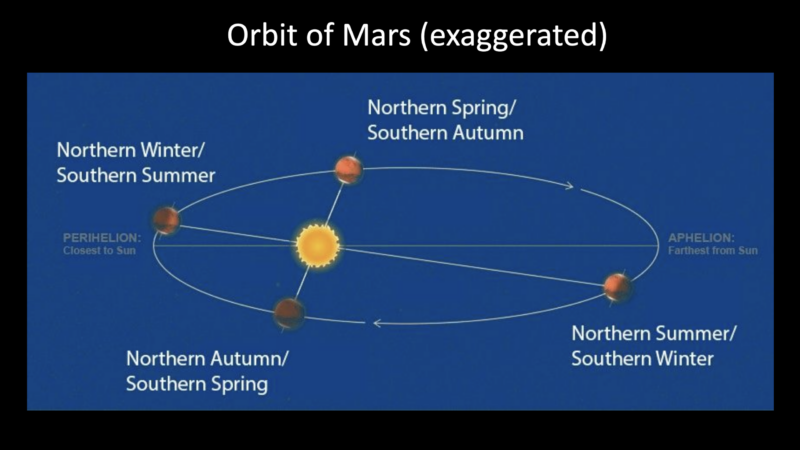
On Earth, nothing could feel as familiar as the passing of our seasons. And our days are steady, too – 24 hours, over and over, all our lives. But not
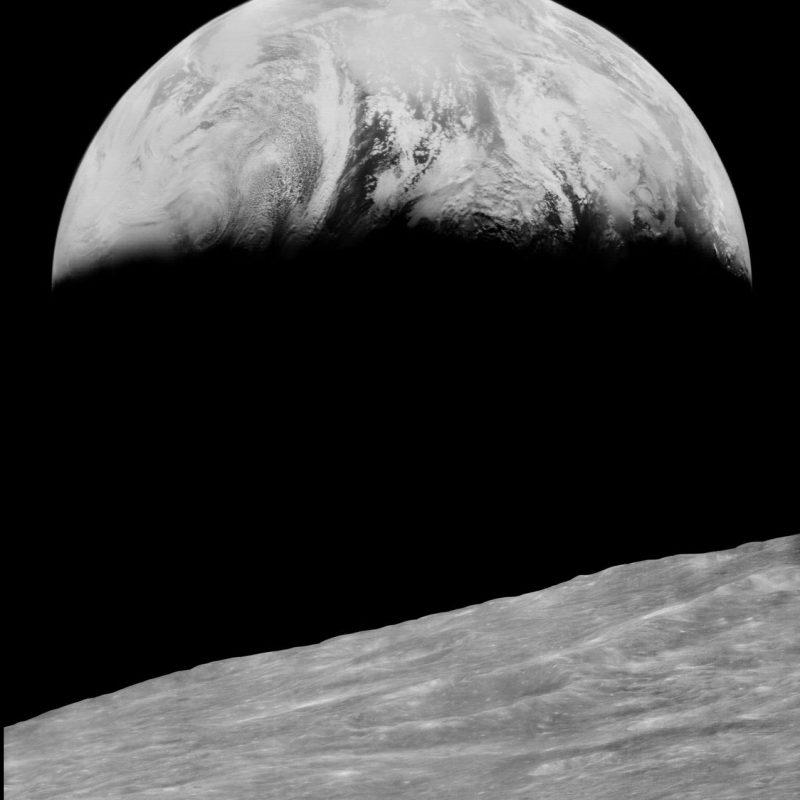
NASA’s Lunar Orbiter 1 took the 1st Earth image as seen from the vicinity of the moon in 1966. And then, 42 years later, NASA released this much higher resolution
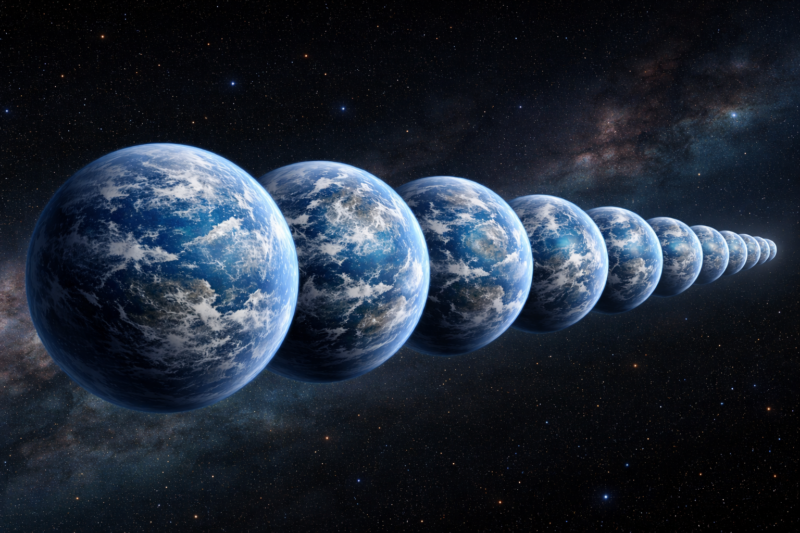
A new study from researchers in Japan suggests that a better way to search for alien life might be to look for suspiciously similar planets that are close to each
View larger. | Artist’s concept of the cosmic microwave background, the oldest light in the universe: the faint afterglow of the Big Bang. Because its passage through massive galaxy clusters
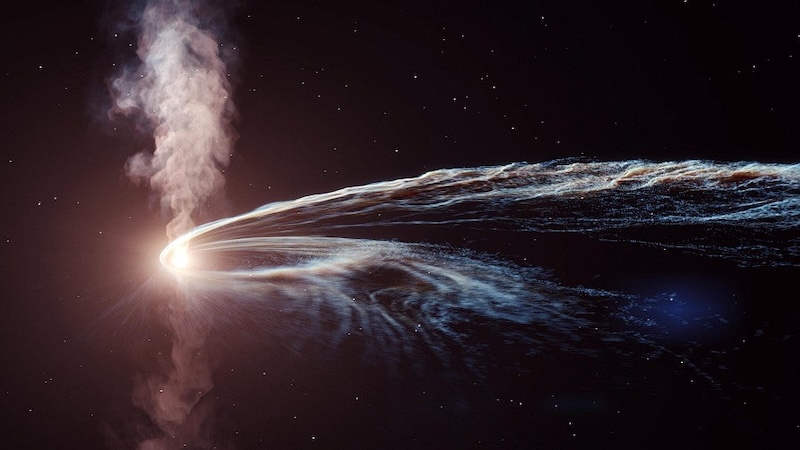
Artist’s depiction of a supermassive black hole tearing apart a star. Roughly half of the stellar debris gets flung back into space while the remainder forms a glowing accretion disk