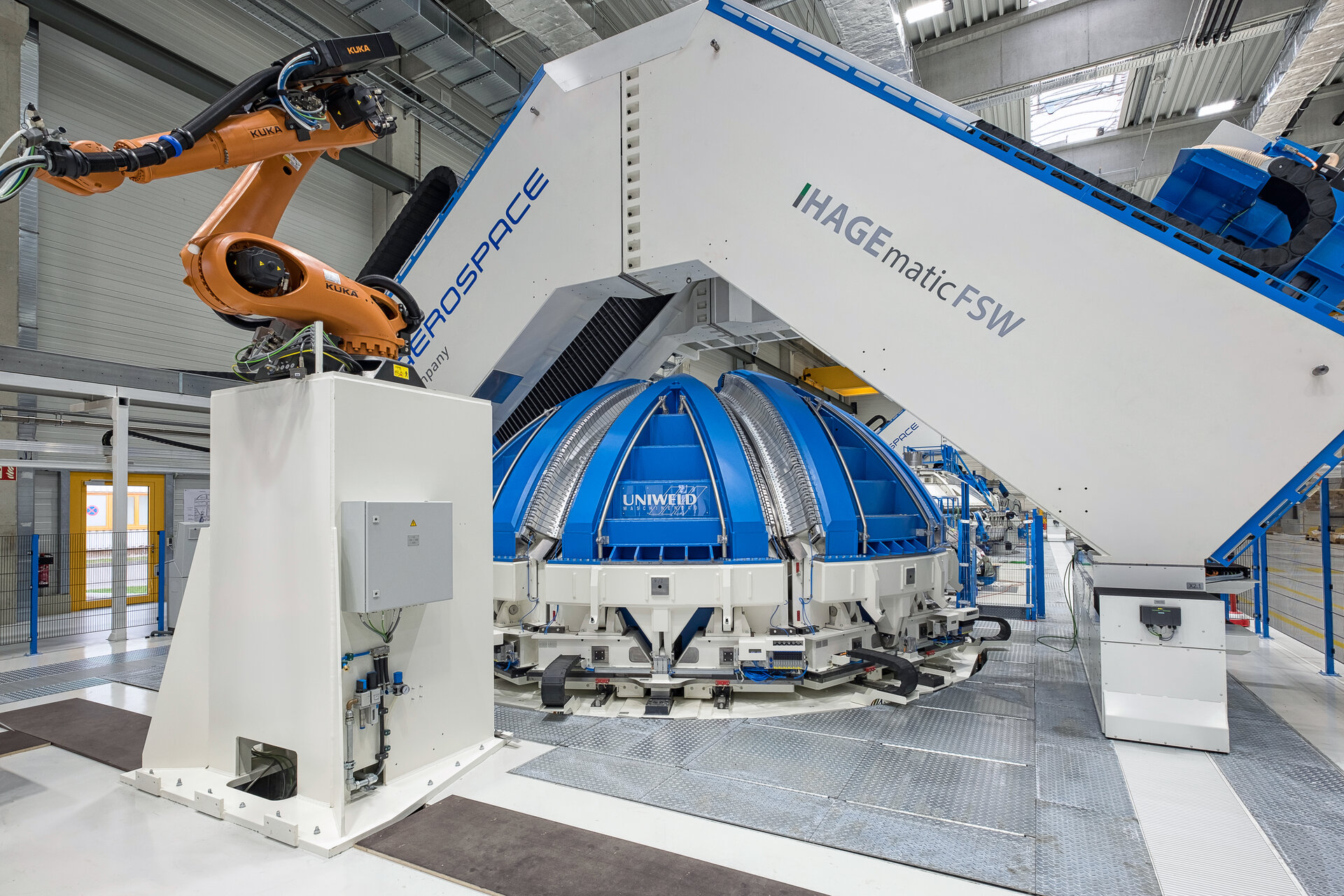
Enabling & Support 21/01/2026 104 views 2 likes In brief Artificial intelligence is being used to aid industrial manufacturing in space transportation Three European Space Agency-supported projects are delivering clear

Enabling & Support 21/01/2026 104 views 2 likes In brief Artificial intelligence is being used to aid industrial manufacturing in space transportation Three European Space Agency-supported projects are delivering clear
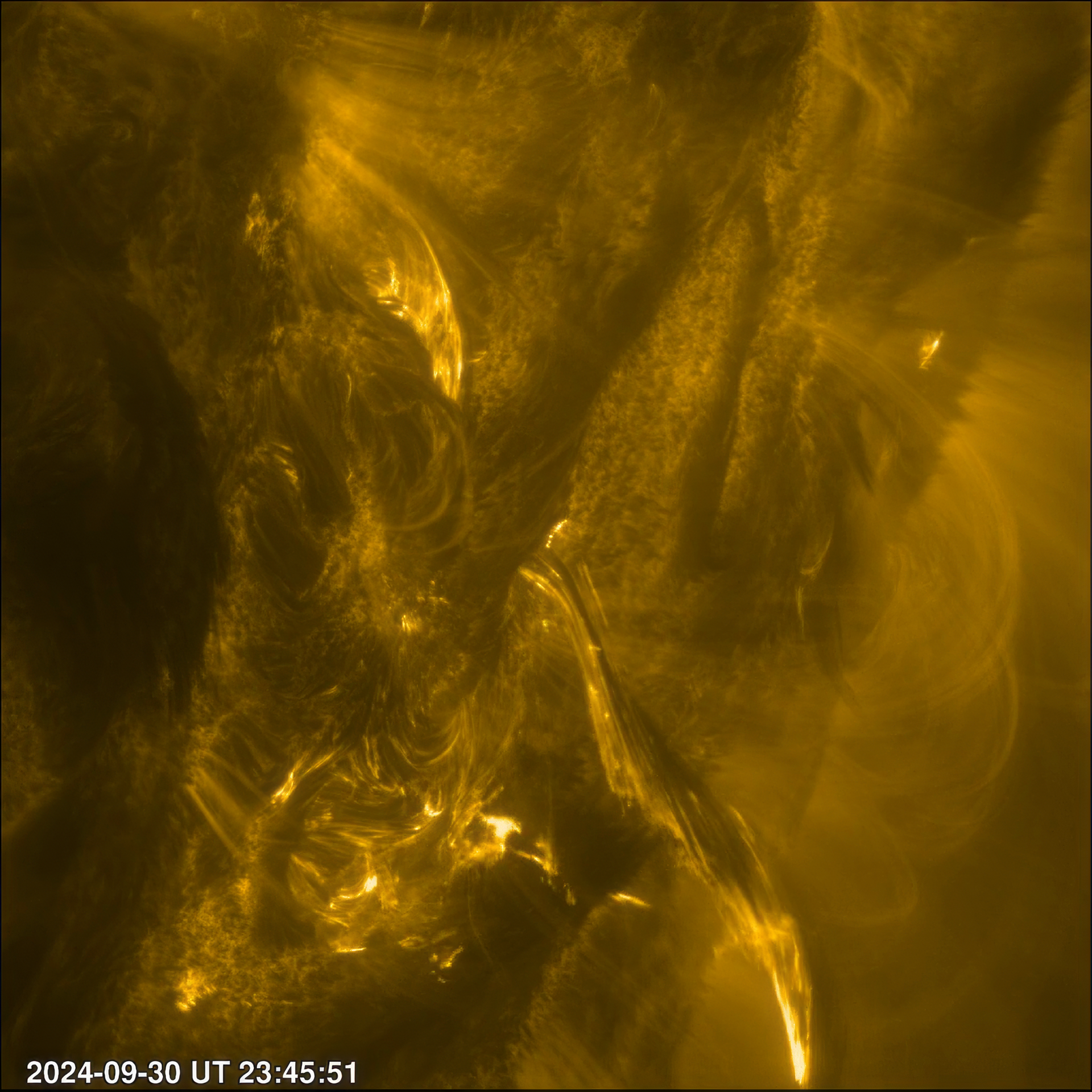
Science & Exploration 21/01/2026 357 views 6 likes Just as avalanches on snowy mountains start with the movement of a small quantity of snow, the ESA-led Solar Orbiter spacecraft has
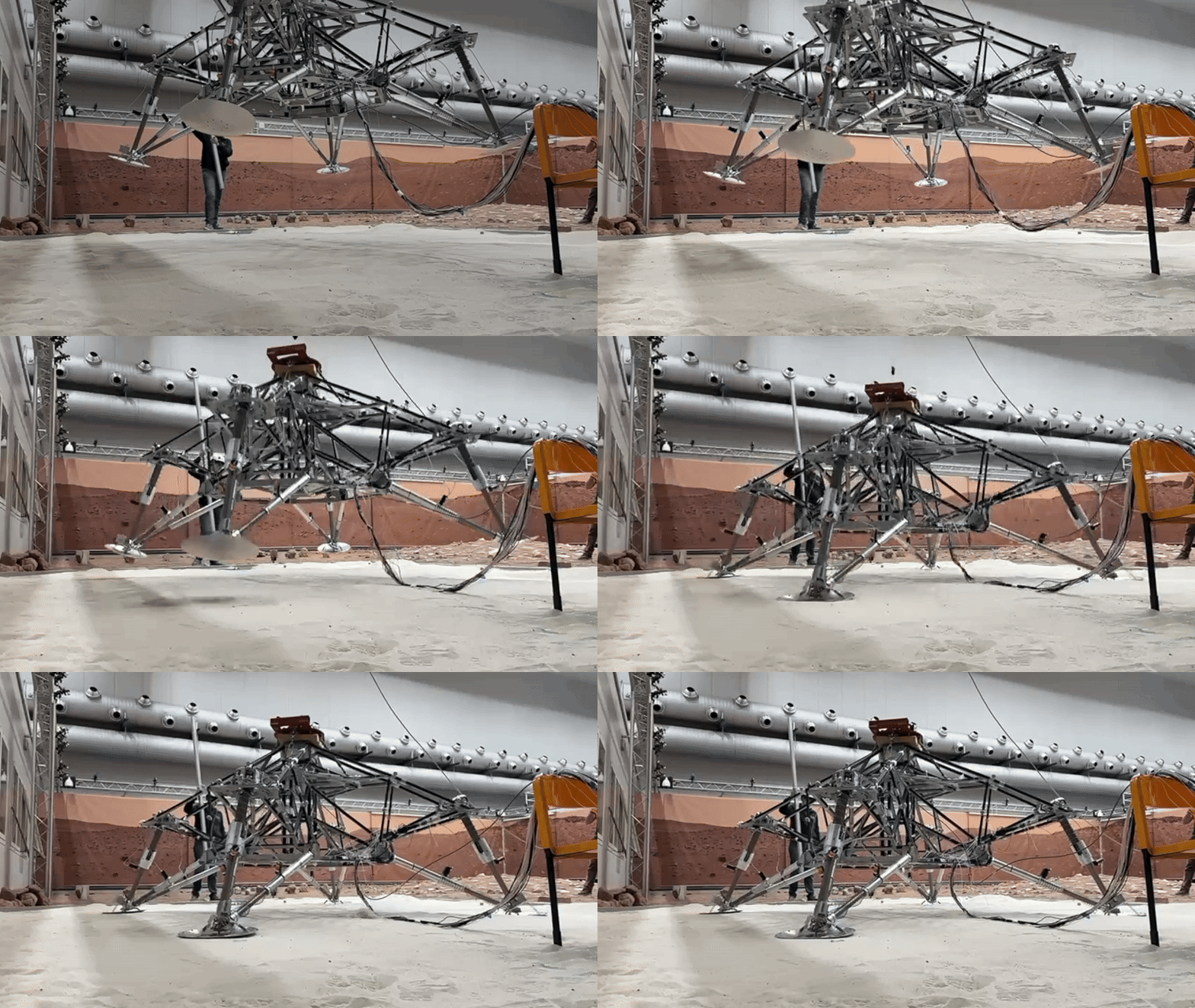
Science & Exploration 21/01/2026 309 views 4 likes To land on the right foot on the Red Planet, European engineers have been dropping a skeleton of the four-legged ExoMars descent
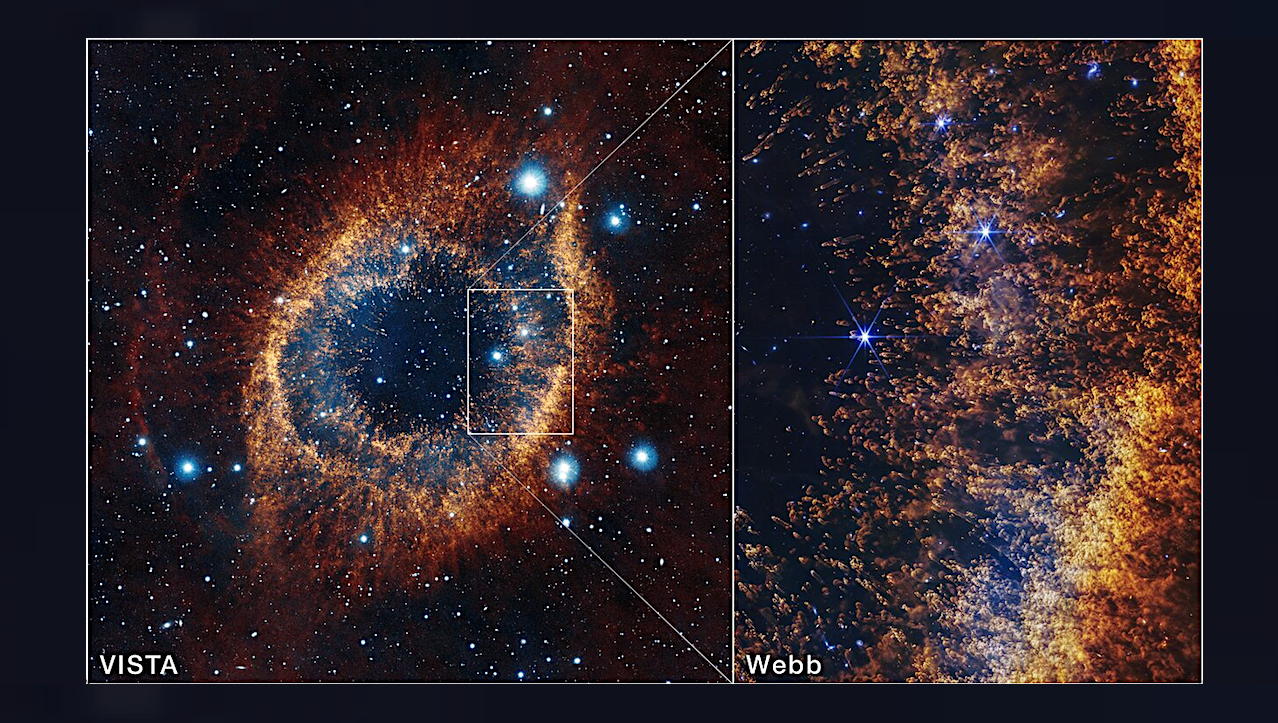
This image of the Helix Nebula from the Visible and Infrared Telescope for Astronomy (left) shows the full view of the planetary nebula, with a box highlighting the smaller field
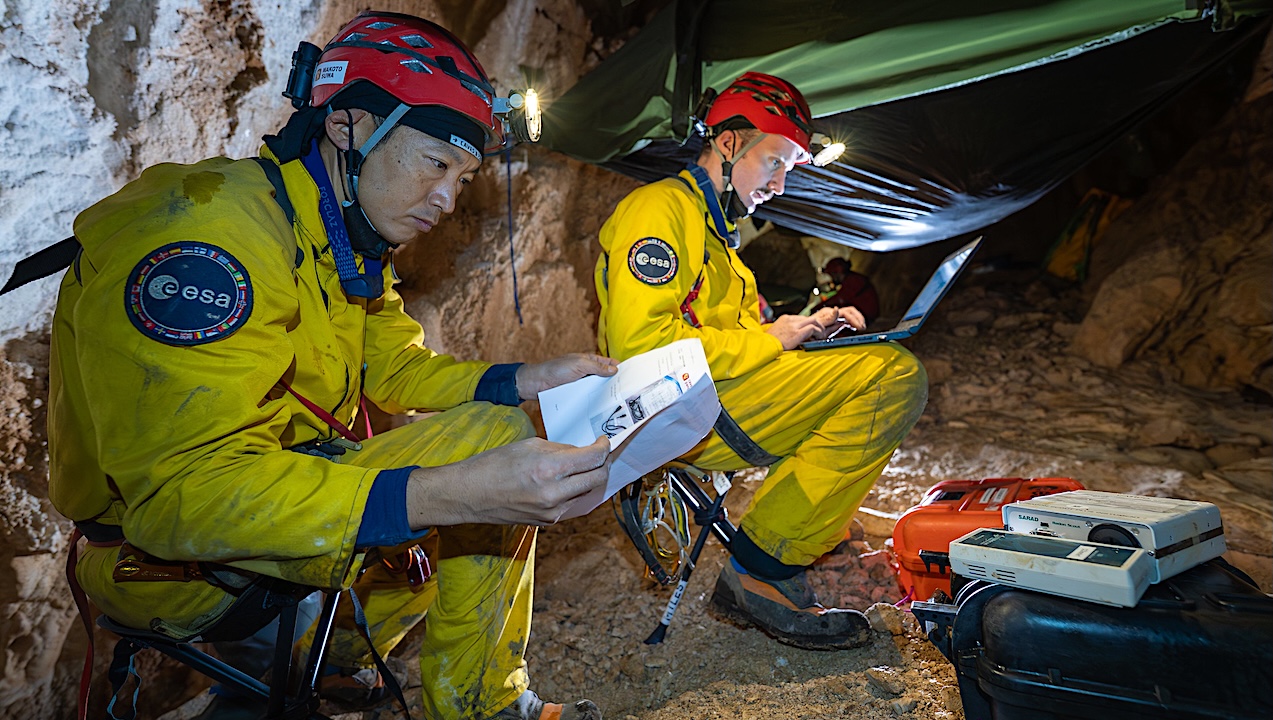
Keith Cowing Explorers Club Fellow, ex-NASA Space Station Payload manager/space biologist, Away Teams, Journalist, Lapsed climber, Synaesthete, Na’Vi-Jedi-Freman-Buddhist-mix, ASL, Devon Island and Everest Base Camp veteran, (he/him) 🖖🏻 Follow on
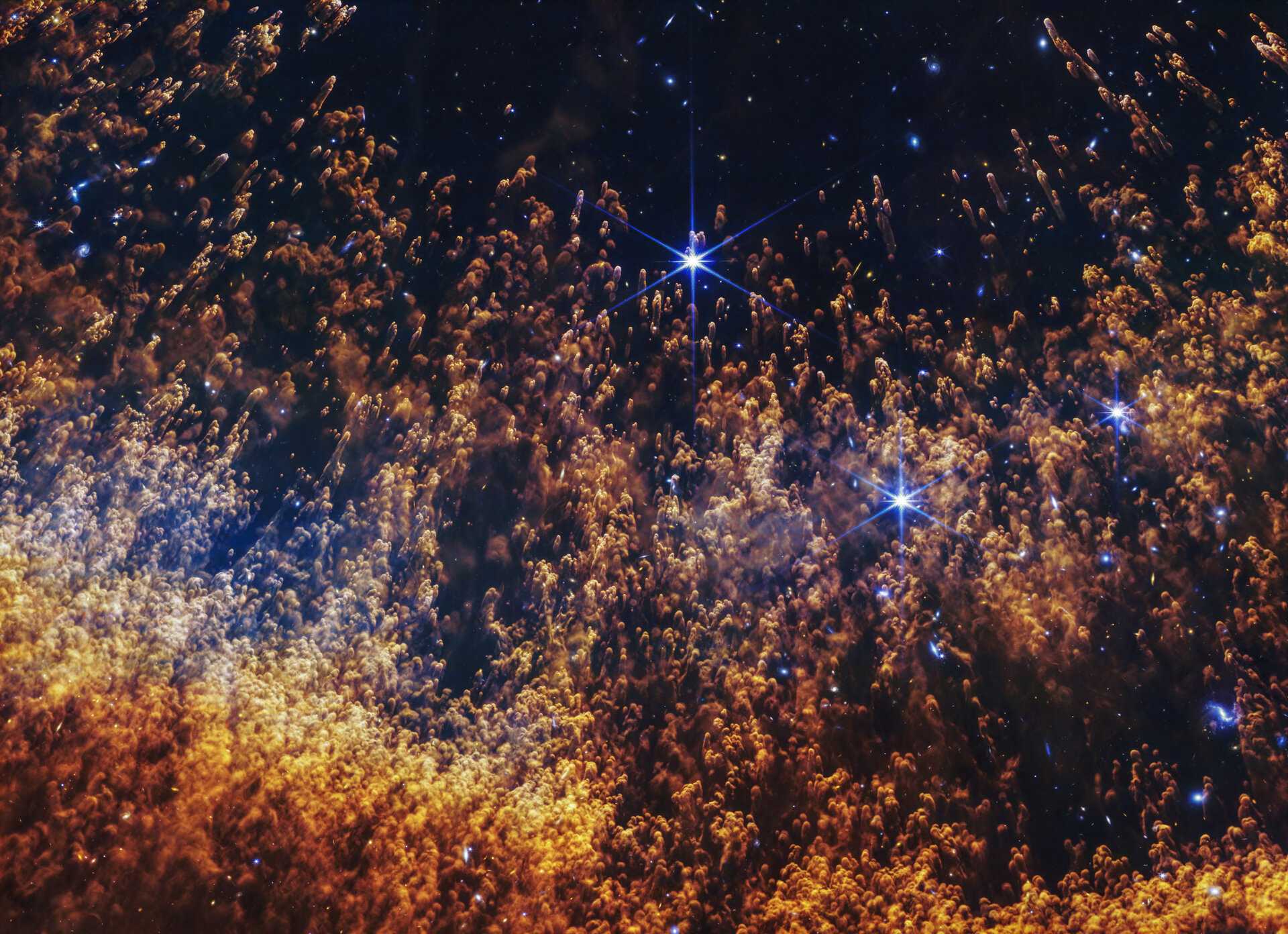
One of the closest planetary nebulas to Earth, the Helix Nebula has become a favorite among astronomers using ground- and space-based telescopes to study the final moments of a dying
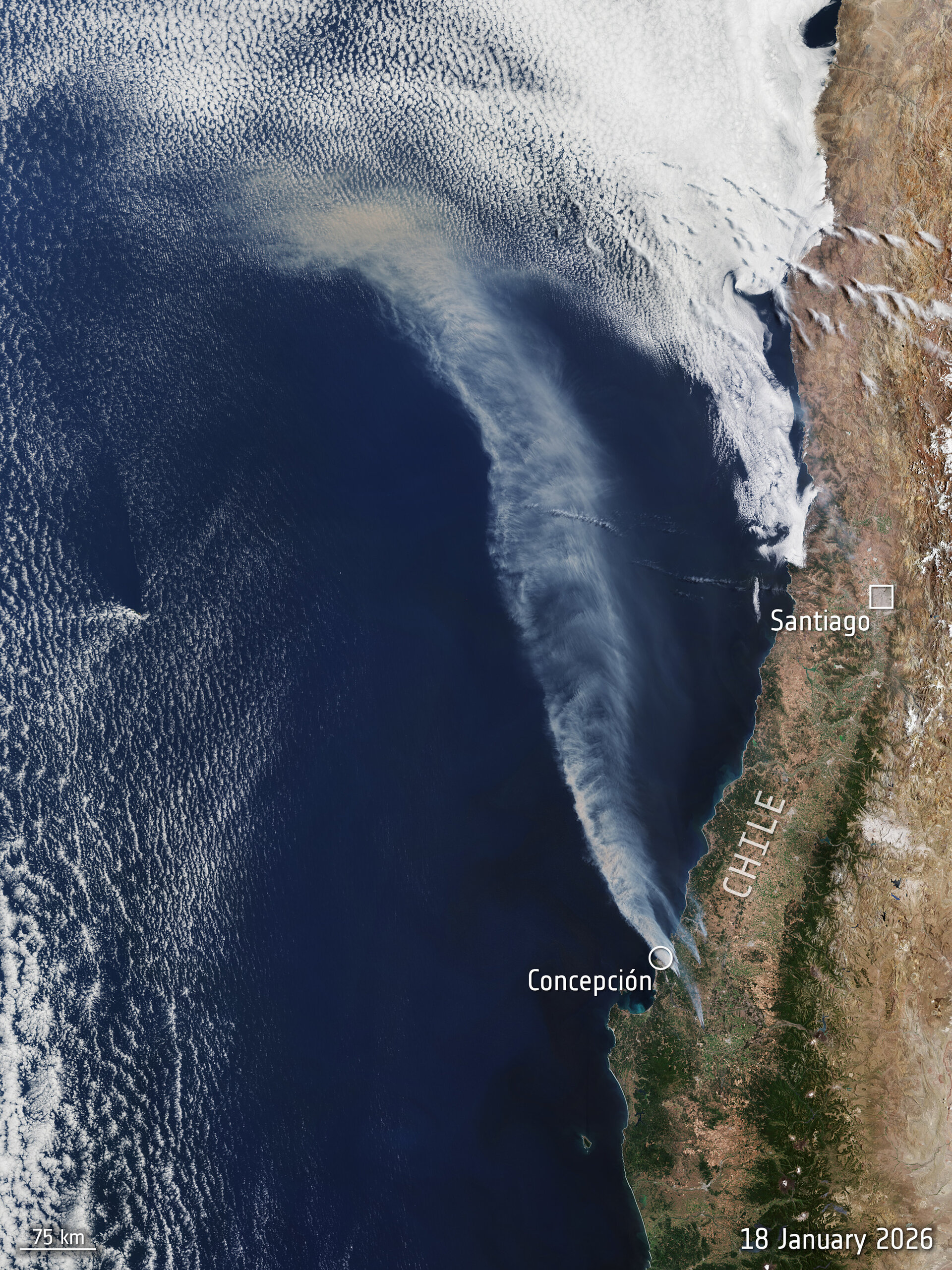
This image, captured by Copernicus Sentinel-3 on 18 January 2026, shows clouds of smoke from wildfires on the coast of Chile. The fires have been burning in numerous locations along
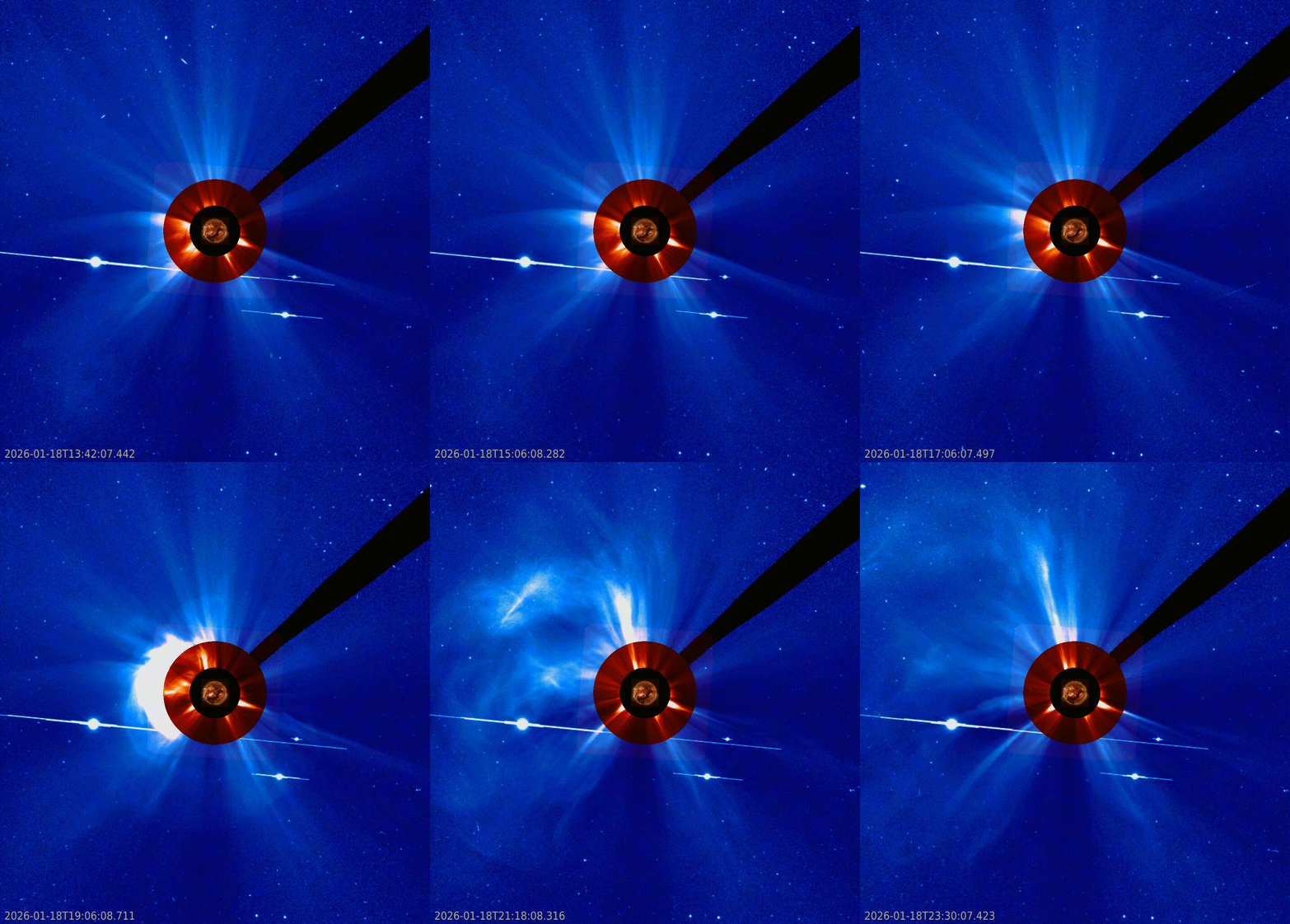
Space Safety 20/01/2026 1829 views 7 likes The European Space Agency’s (ESA) Space Weather Office is closely monitoring a notable space weather event, first detected 18:09 UTC on Sunday, 18
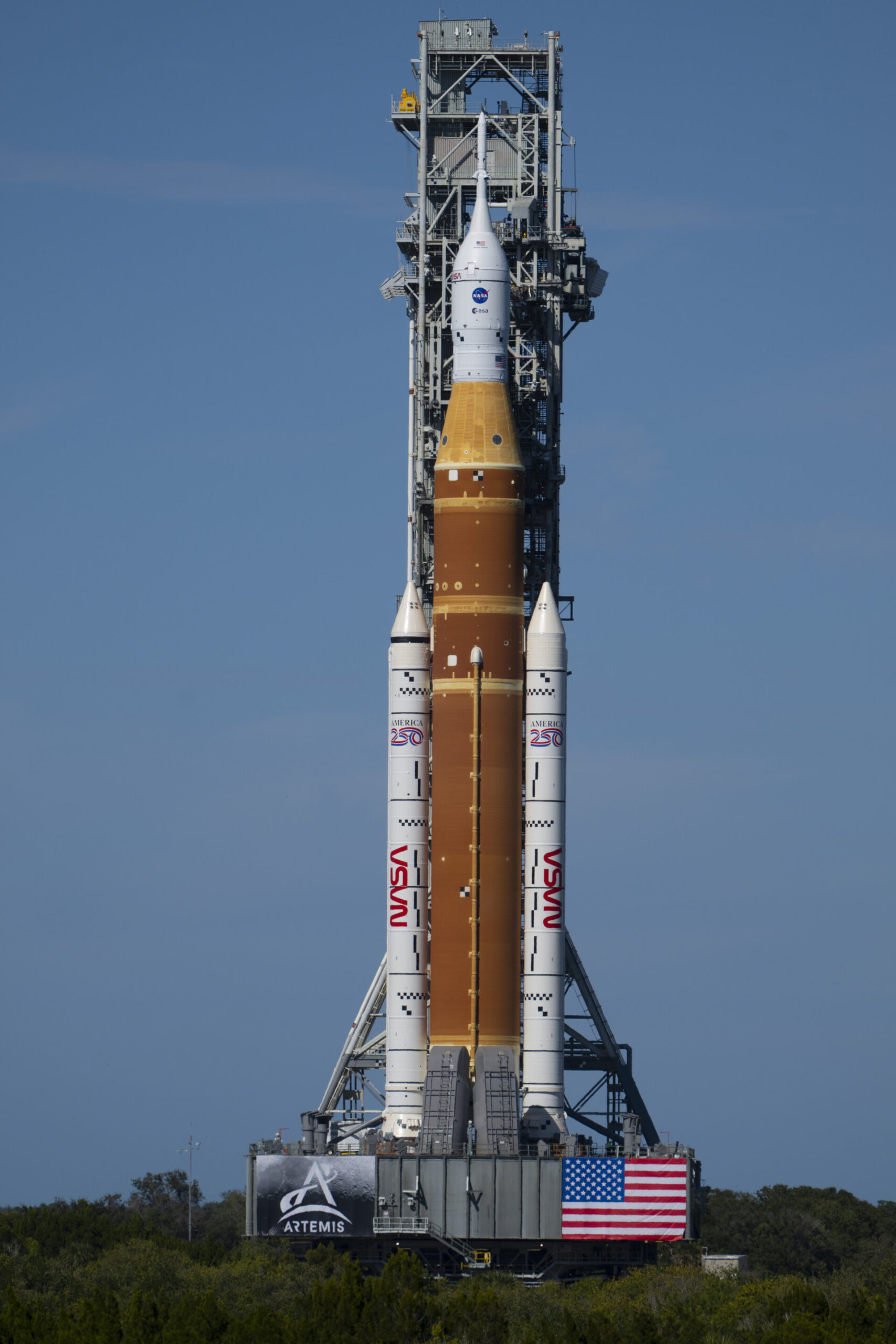
The Artemis II rocket has reached its launch pad at NASA’s Kennedy Space Center in Florida, United States, ready for a historic journey. Over the weekend, engineers slowly and carefully rolled the nearly 100-metre-tall Space Launch System rocket from the
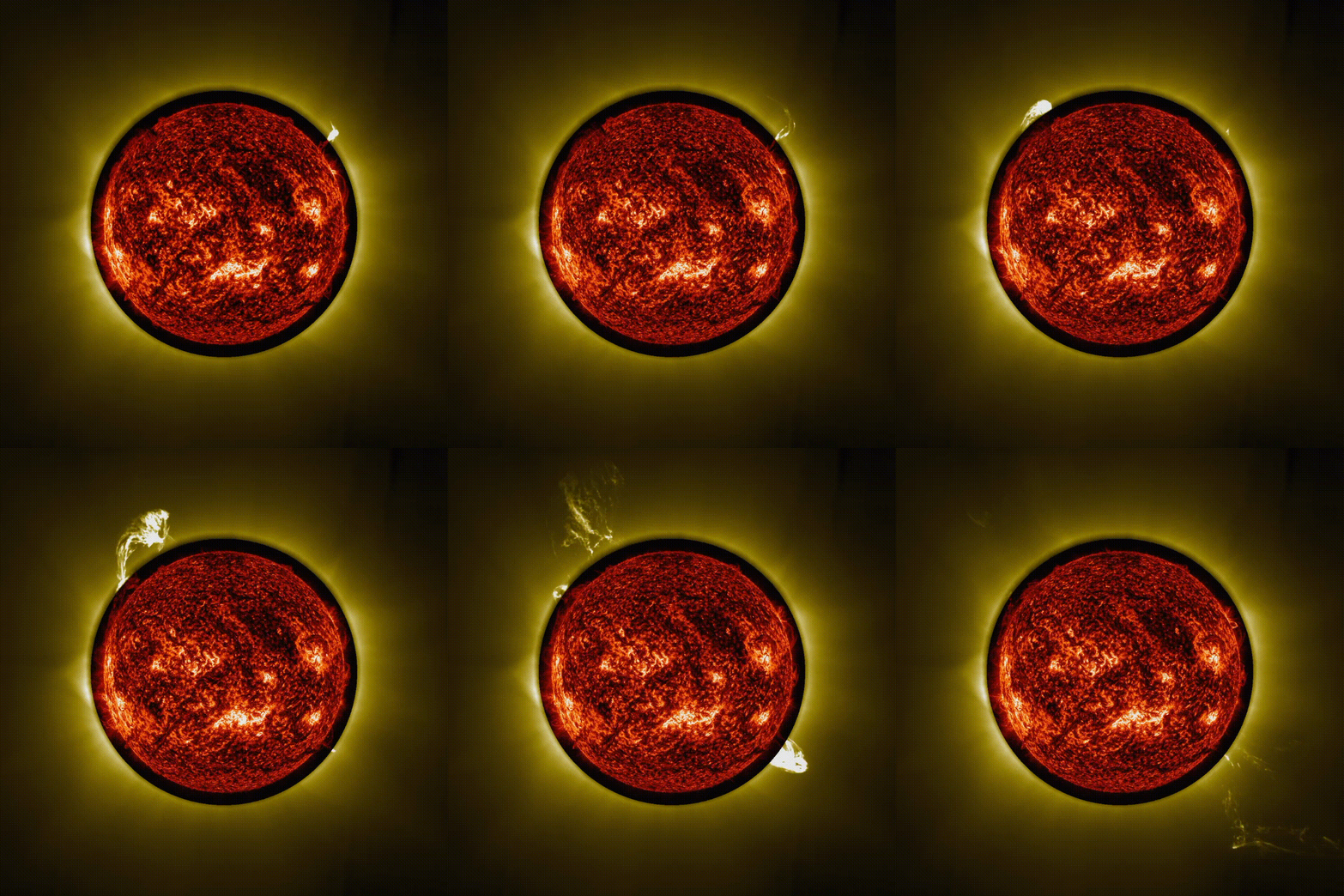
The Sun’s inner corona, the hottest part of our star’s atmosphere, appears faint yellow in this time-lapse made from images taken by the ASPIICS coronagraph aboard Proba-3. The European Space