WASHINGTON — Defense Secretary Pete Hegseth used a visit to Blue Origin’s Florida rocket factory to sharpen the Trump administration’s message that the Pentagon intends to favor faster, commercially driven

WASHINGTON — Defense Secretary Pete Hegseth used a visit to Blue Origin’s Florida rocket factory to sharpen the Trump administration’s message that the Pentagon intends to favor faster, commercially driven

TAMPA, Fla. — Paul Bate is stepping down as CEO of the UK Space Agency (UKSA) at the end of March as it transitions from a standalone body into the
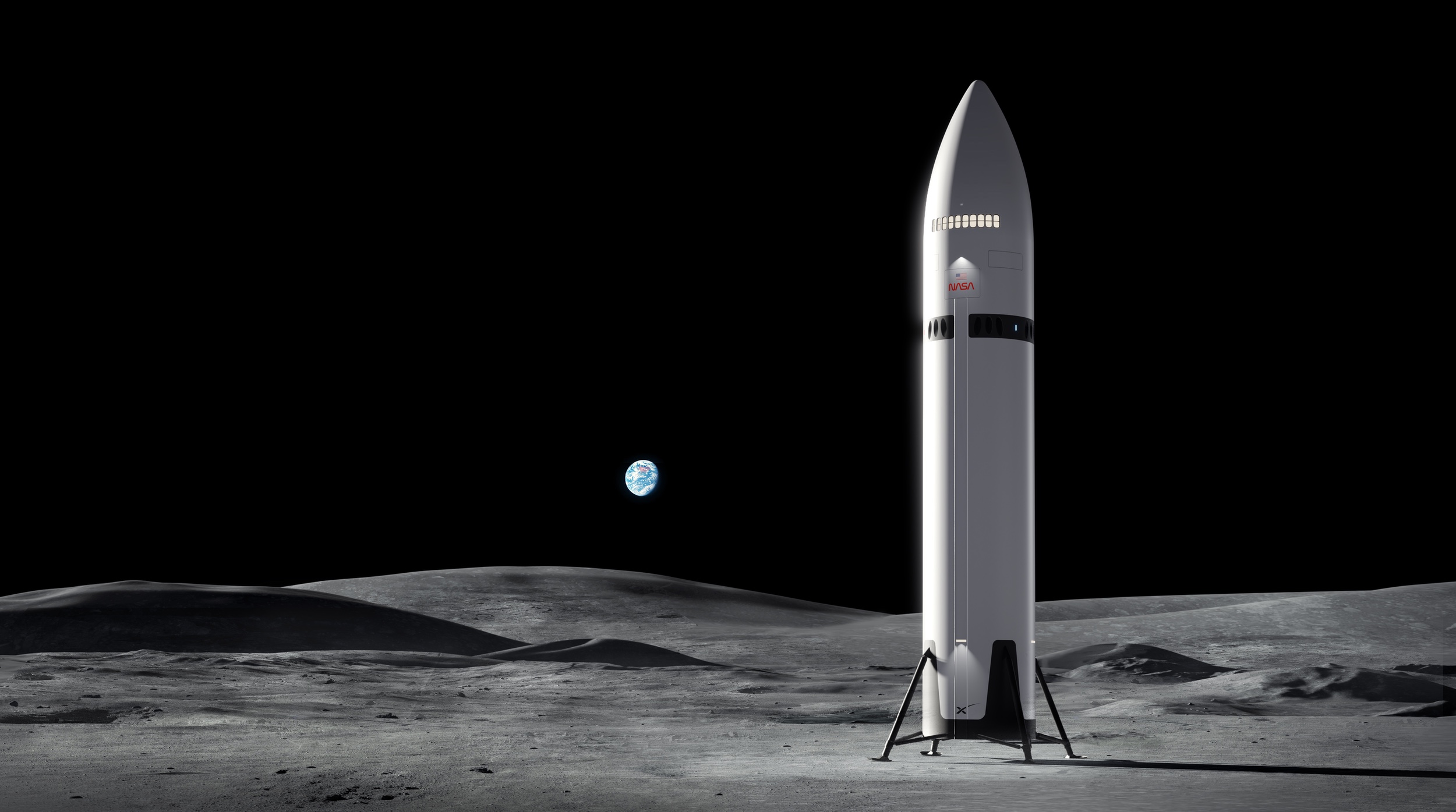
WASHINGTON — A NASA authorization bill the House Science Committee is scheduled to take up this week would require closer scrutiny of lunar lander and spacesuit development for the Artemis
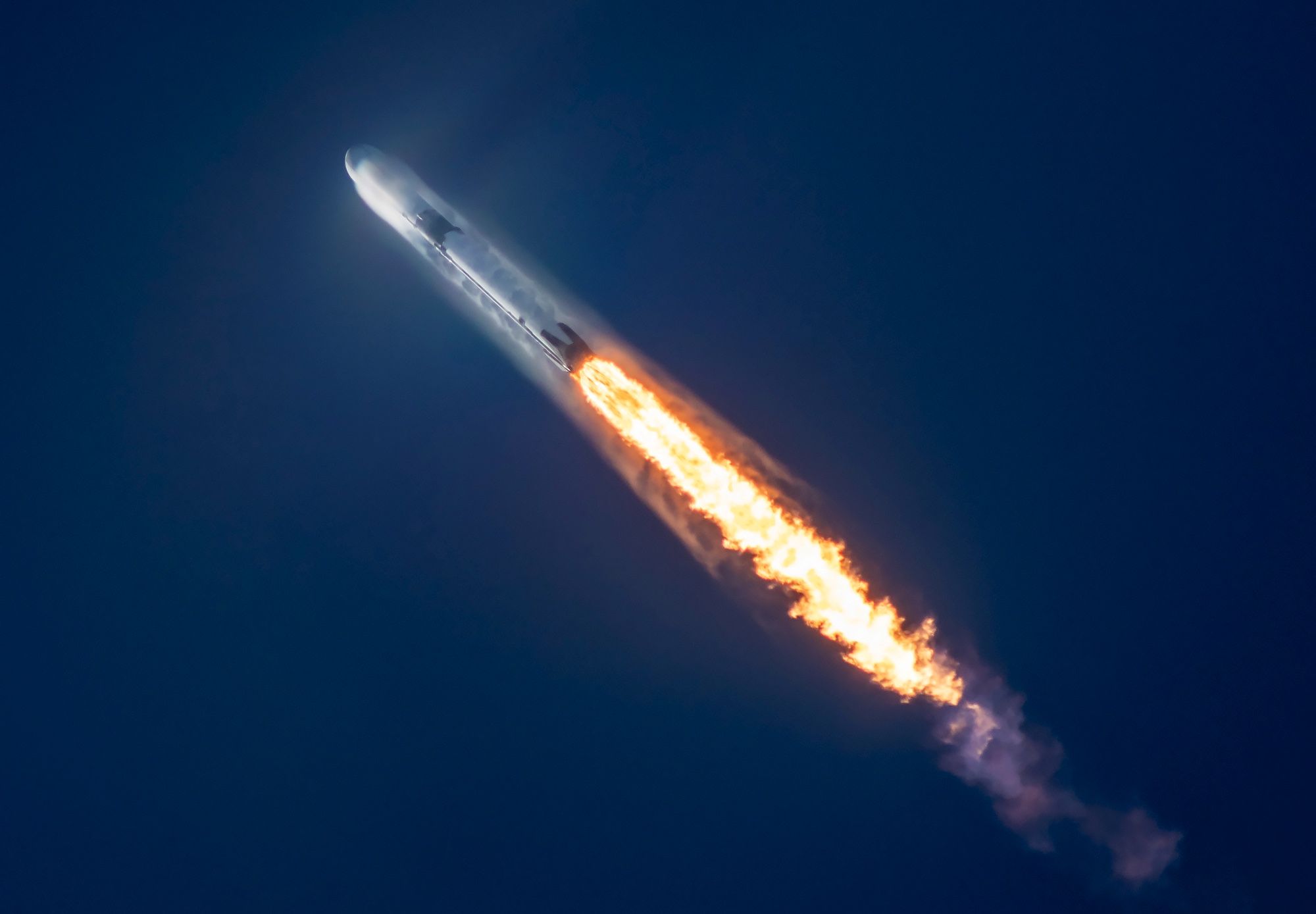
WASHINGTON — Amazon has purchased an additional 10 Falcon 9 launches from SpaceX as part of its efforts to accelerate deployment of its broadband satellite constellation. The deal, which neither
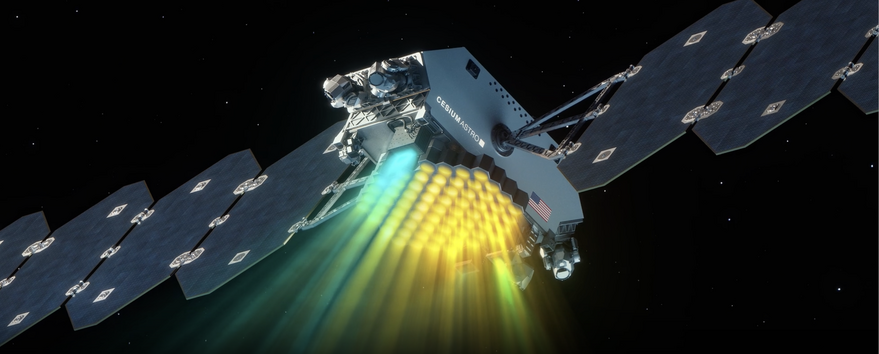
SAN FRANCISCO – CesiumAstro is preparing for rapid expansion thanks to an influx of cash announced Feb. 2: $270 million in equity and $200 million in debt financing. CesiumAstro raised

In January 2026, Iranian authorities shut down landline and mobile telecommunications infrastructure in the country to clamp down on coordinated protests. Starlink terminals, which were discreetly mounted on rooftops, helped
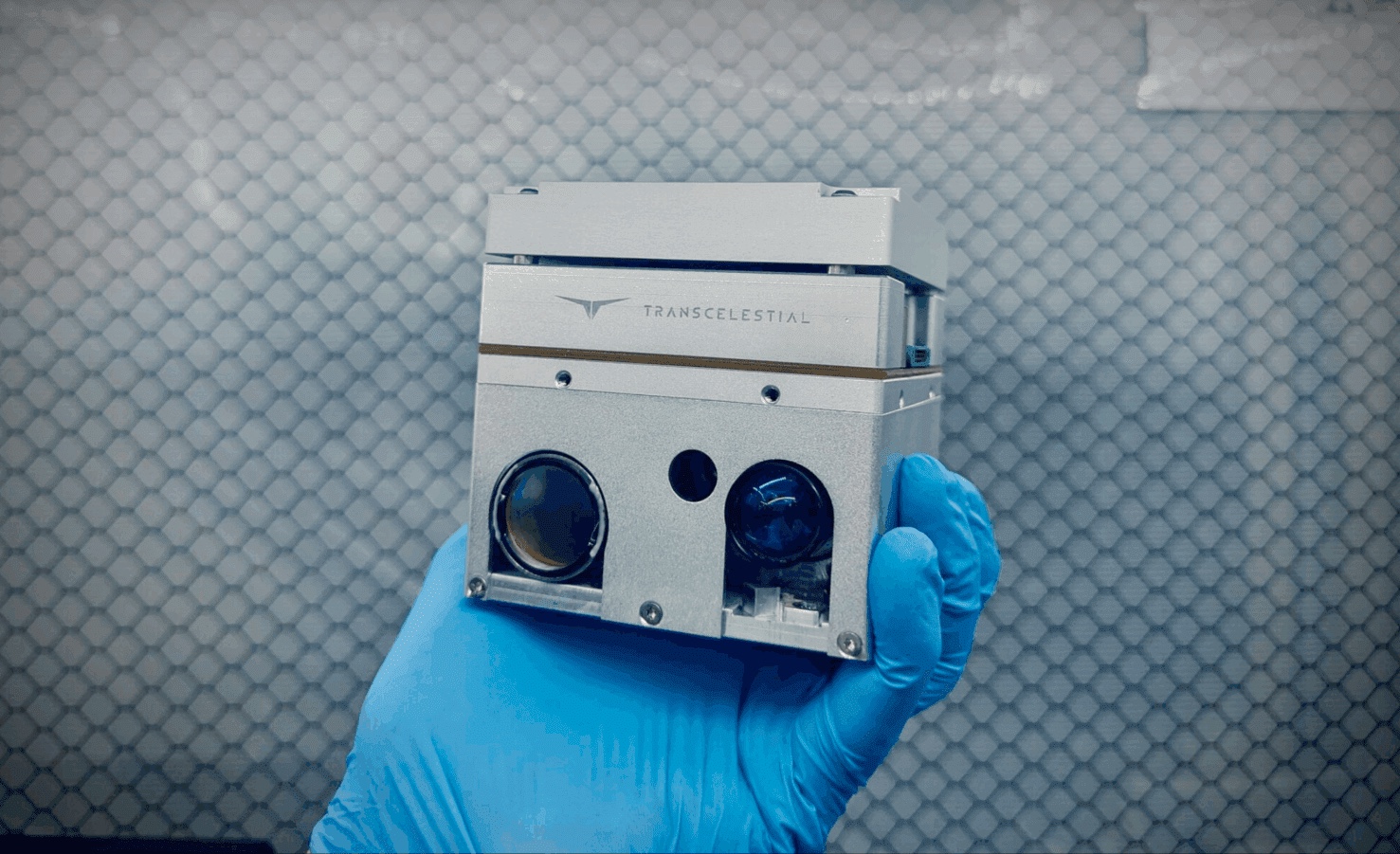
WASHINGTON — Transcelestial, a startup developing optical communications technologies, has signed an agreement with Gilmour Space Technologies to incorporate its technology on Gilmour Space spacecraft. Singapore-based Transcelestial announced Feb. 2
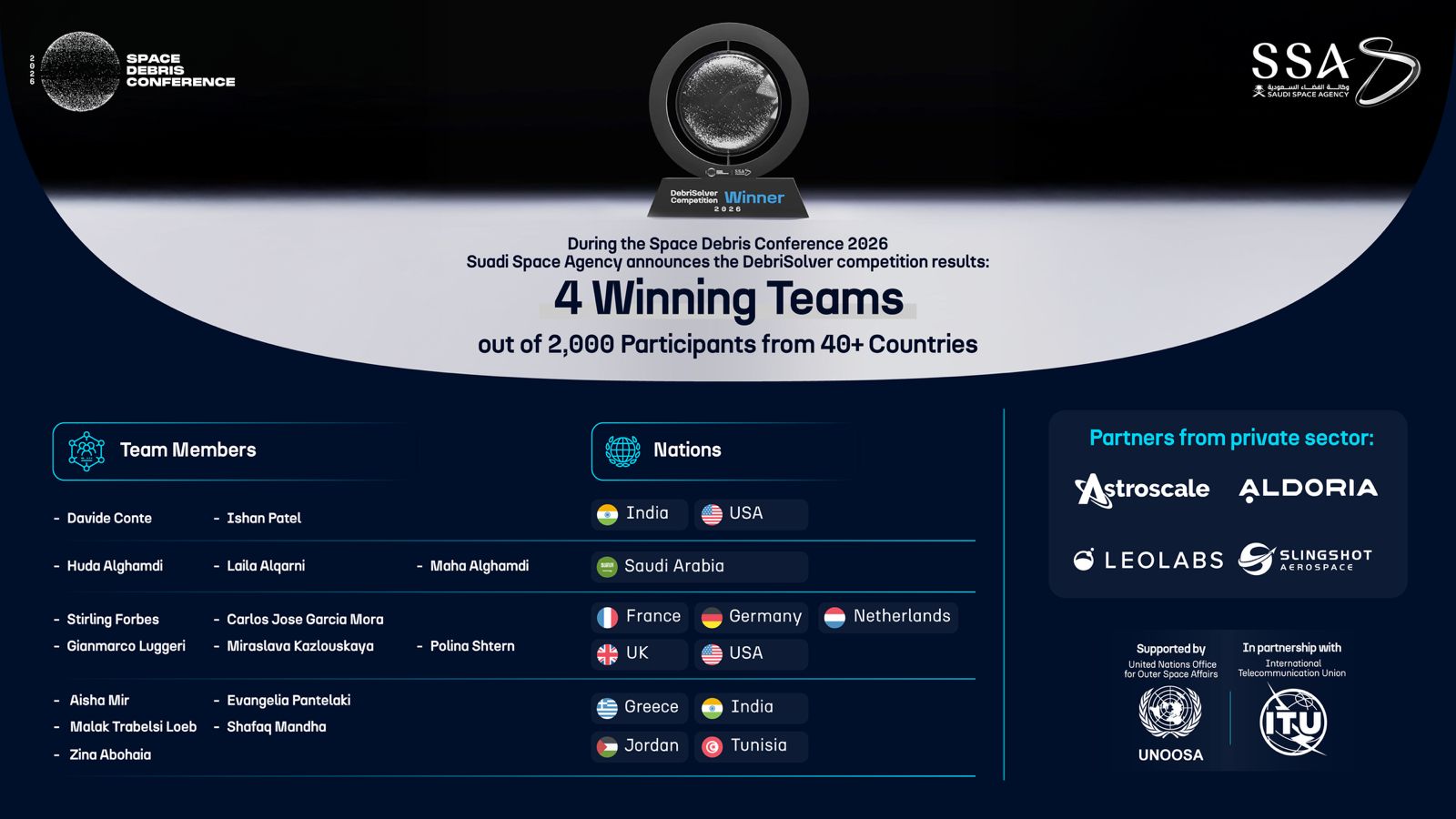
The Saudi Space Agency announced on Tuesday the names of the winning teams of the global “DebriSolver” competition, one of the flagship initiatives accompanying the Space Debris Conference 2026. Launched
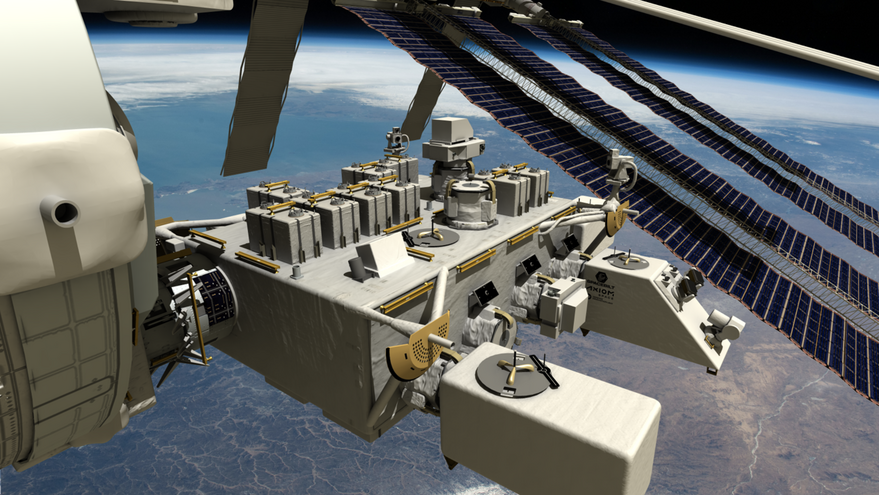
One of the biggest questions in the tech sector has been if AI is the future, where does all the infrastructure go? Some space industry leaders — including Elon Musk
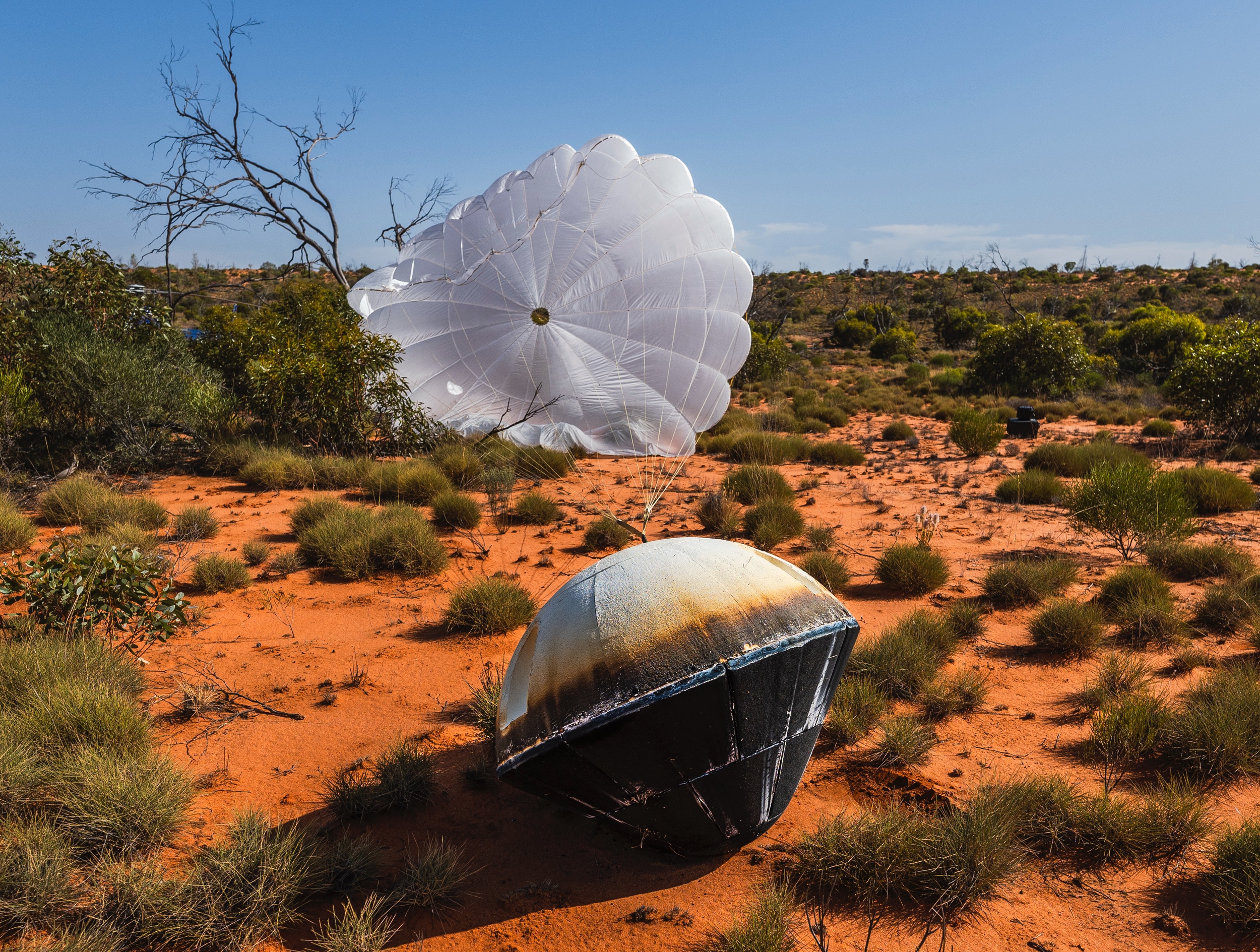
WASHINGTON — Varda Space Industries completed its latest reentry mission Jan. 29, completing an end-to-end demonstration of a new in-house spacecraft design. The W-5 mission concluded with a reentry Jan.