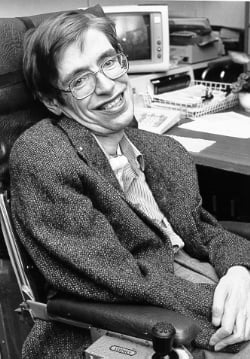
Hawking faced a question with no answer hiding behind it. The best boundary condition for the universe, he decided, was that there was no boundary at all. To make that

Hawking faced a question with no answer hiding behind it. The best boundary condition for the universe, he decided, was that there was no boundary at all. To make that
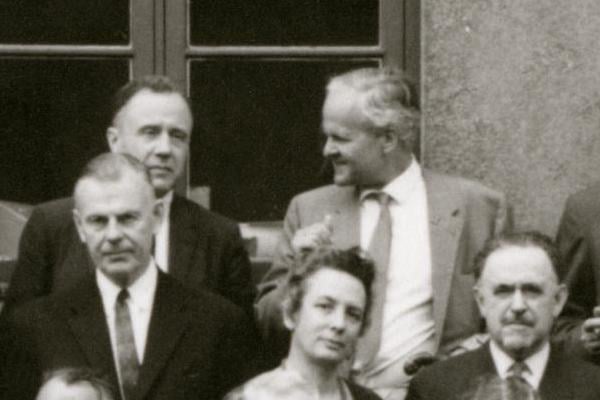
The equations of general relativity give up at the singularity. Decades before Stephen Hawking dared to guess what came before, John Wheeler and Bryce DeWitt built the strange mathematical machinery
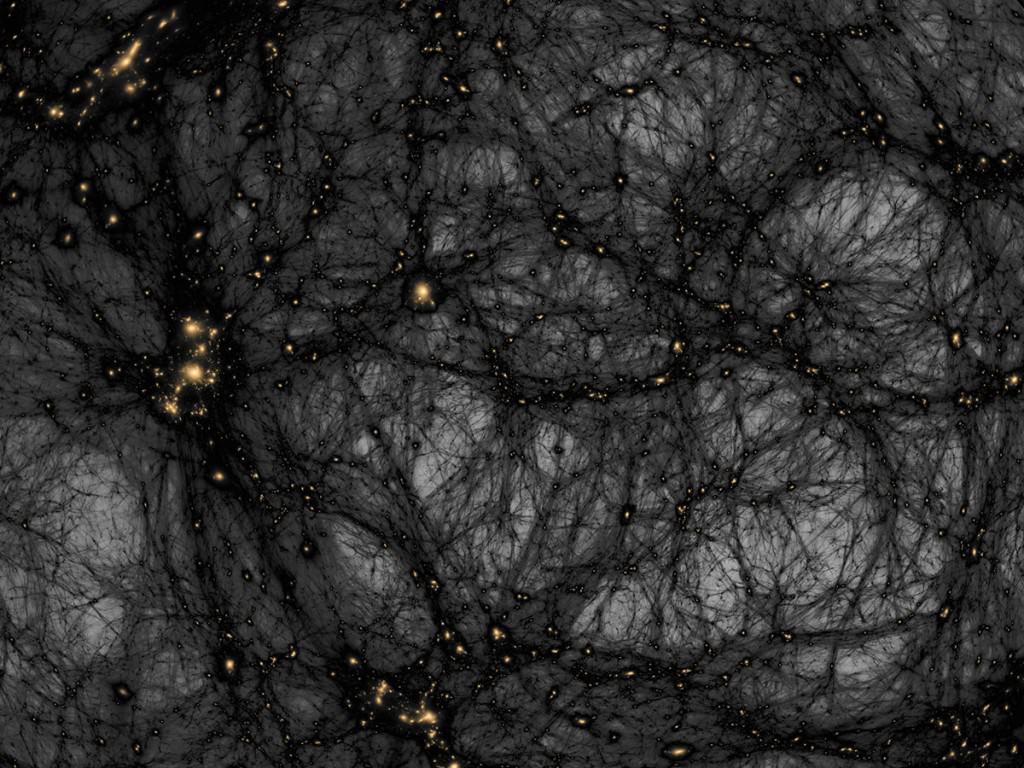
A study led by UC Riverside physicist Hai-Bo Yu suggests that a new type of dark matter could explain three astrophysical puzzles across vastly different environments.
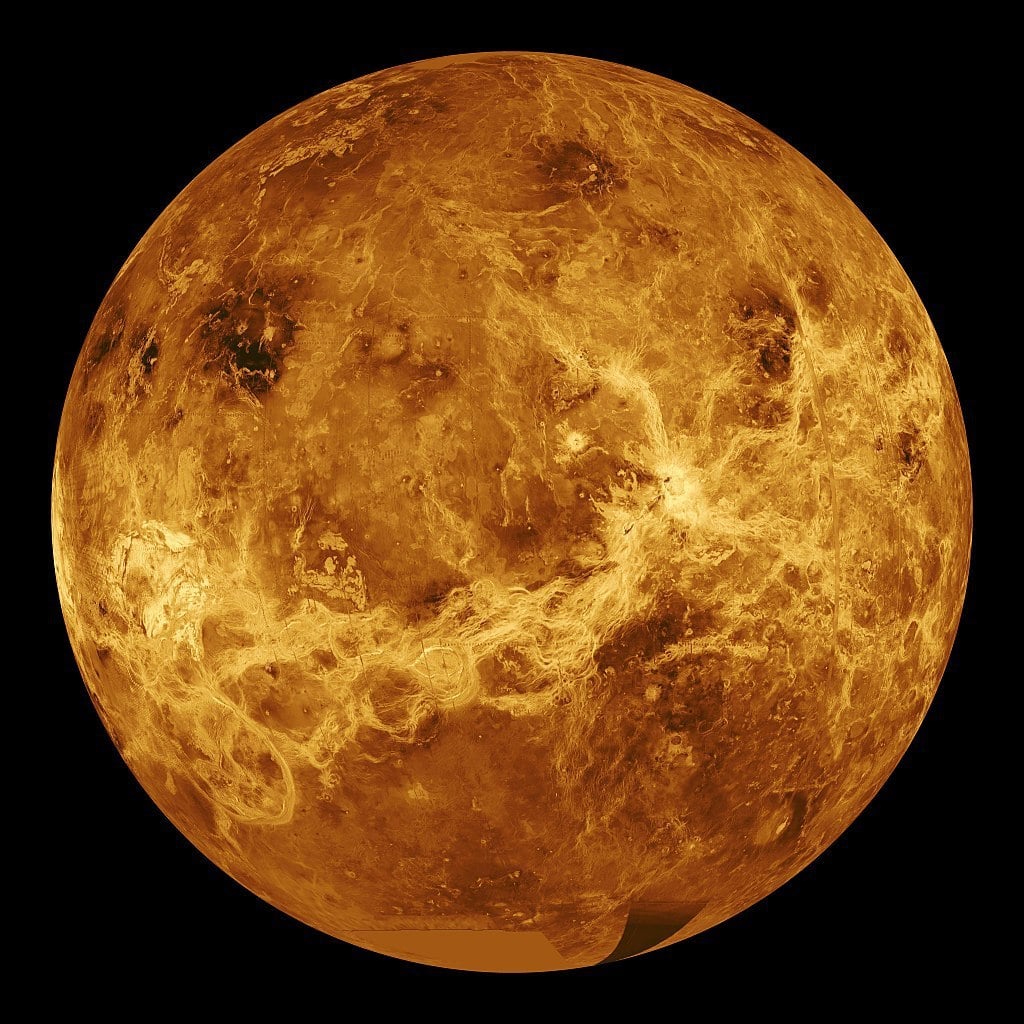
Enigmatic crownlike surface formations on Venus hold keys to understanding our twin planet’s deep interior. Or so says a new paper presented at the recent European Geosciences Union 2026 general
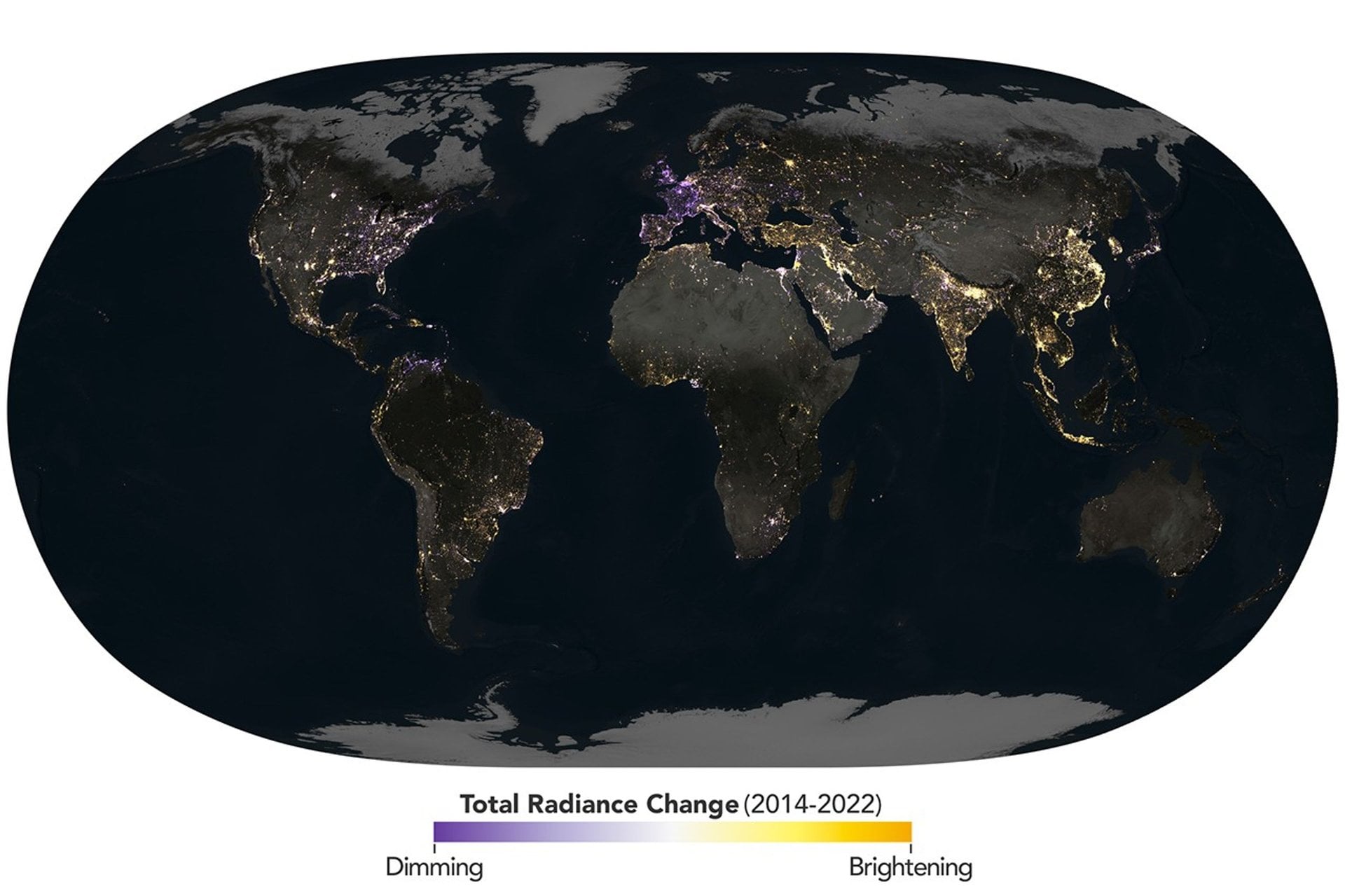
A study of NASA’s Black Marble data reveals a pattern of regional volatility in nighttime illumination across the planet.
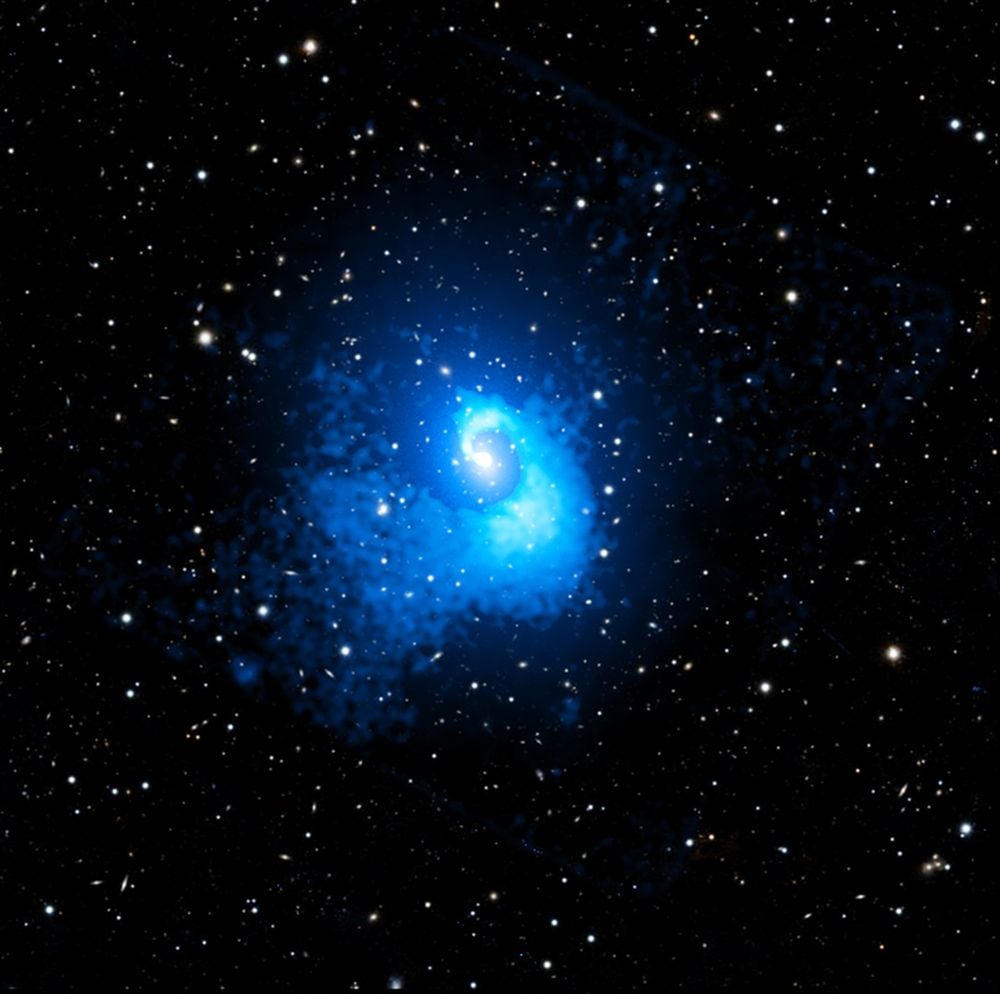
The galaxy cluster Abell 2029 is sometimes described as “the most relaxed cluster in the Universe.” This moniker does not arise from some sort of mellow vibe, but rather because
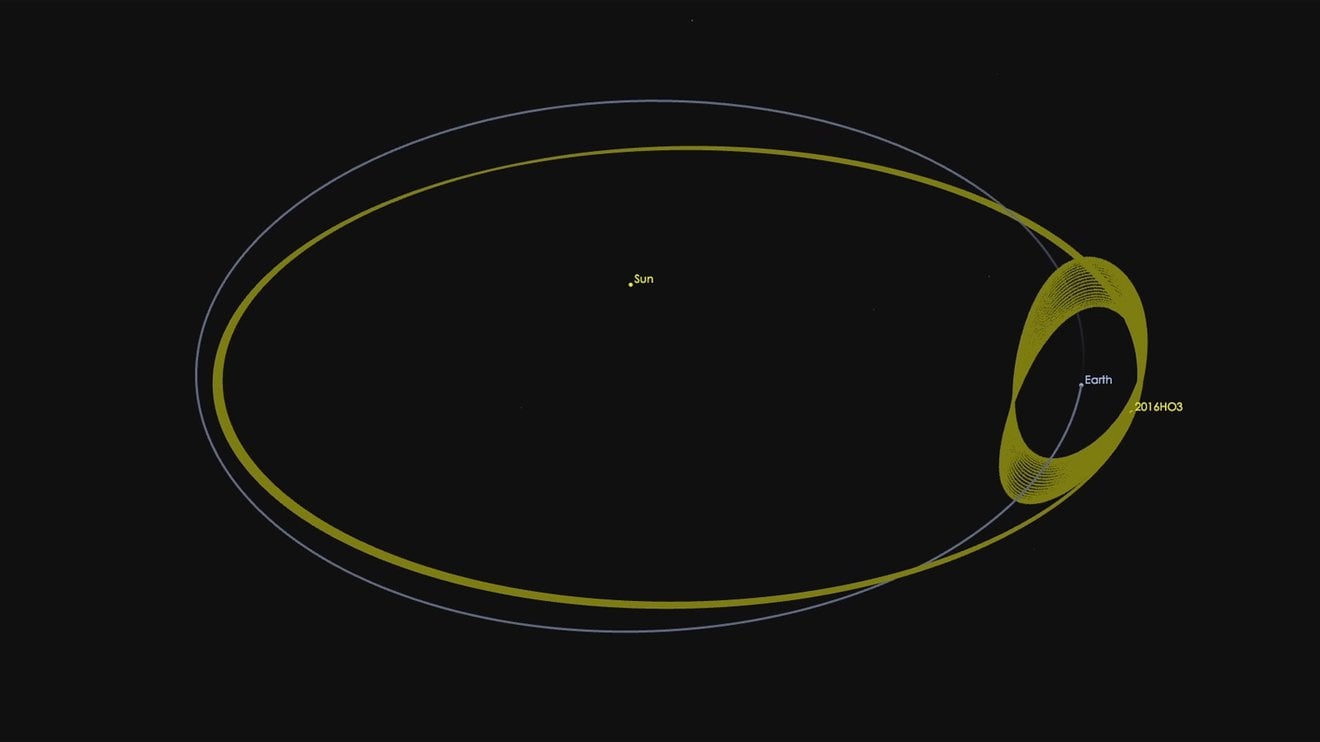
Earth has a group of cosmic stalkers. Known as “co-orbitals”, these small bits of rock have a 1:1 mean motion resonance with Earth. Basically, they take the exact same amount
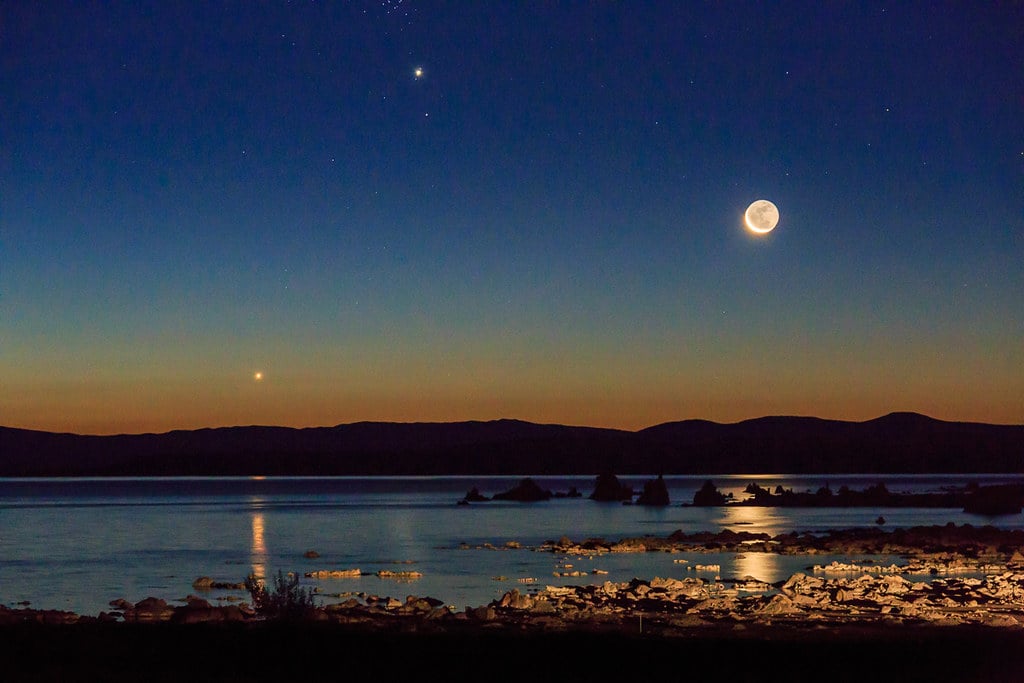
The Moon has a busy week ahead of it. If skies are clear, be sure to get outside on the evenings of May 18th/19th and surrounding nights to check out
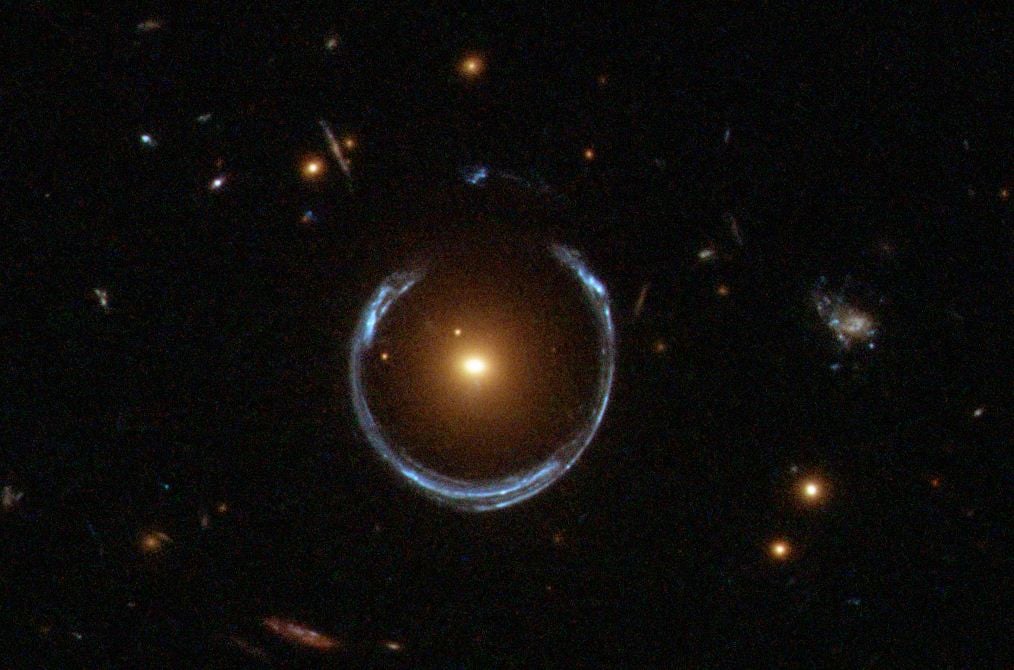
Dark matter makes up roughly 85 percent of all the matter in the universe. We have never directly detected a single particle of it. But a new method developed by
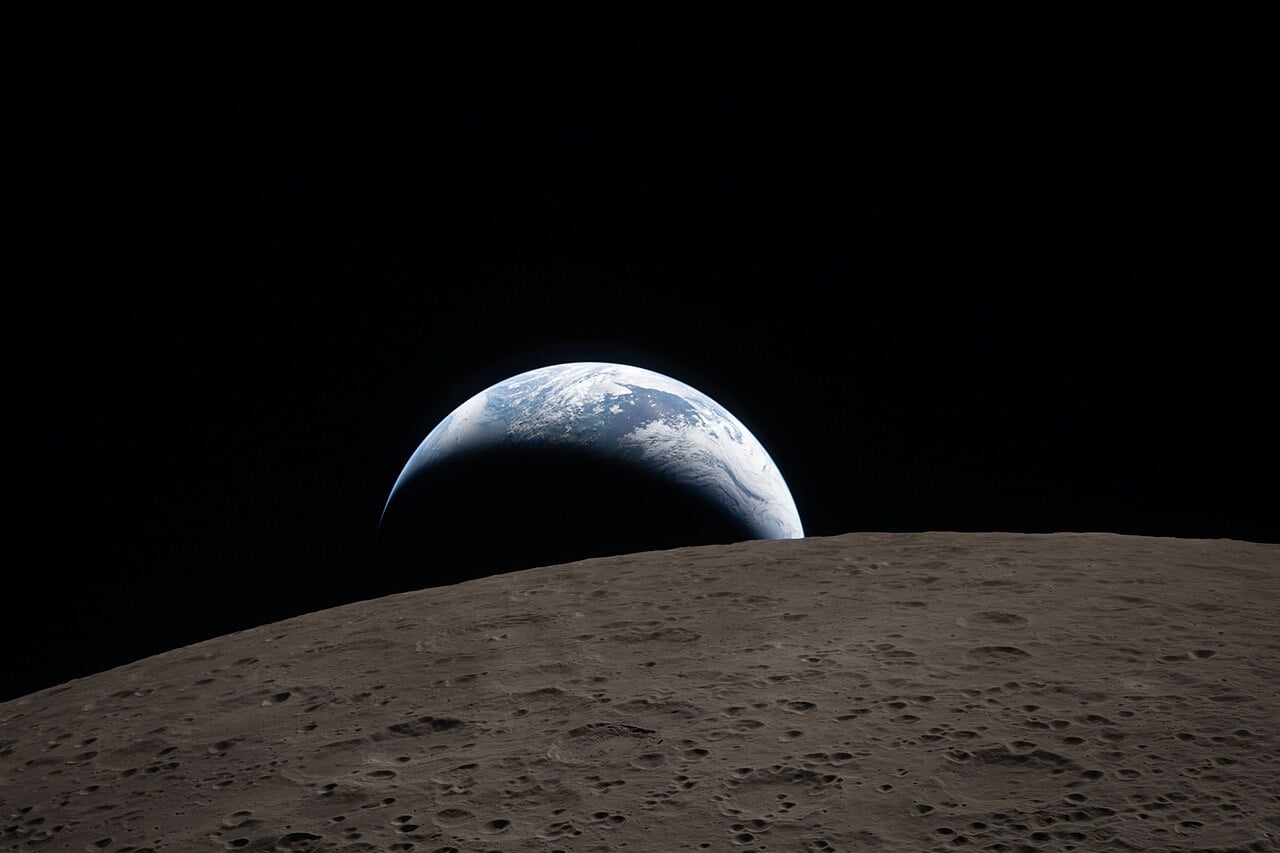
Artemis II has barely left the headlines. On April 1st 2026, four astronauts climbed aboard NASA’s Orion spacecraft, rode the most powerful rocket ever to carry humans beyond low Earth