We have the crowd. We have the star. Now it’s time to put them together. Here’s exactly what happens — and why — when a charged particle outruns the local

We have the crowd. We have the star. Now it’s time to put them together. Here’s exactly what happens — and why — when a charged particle outruns the local
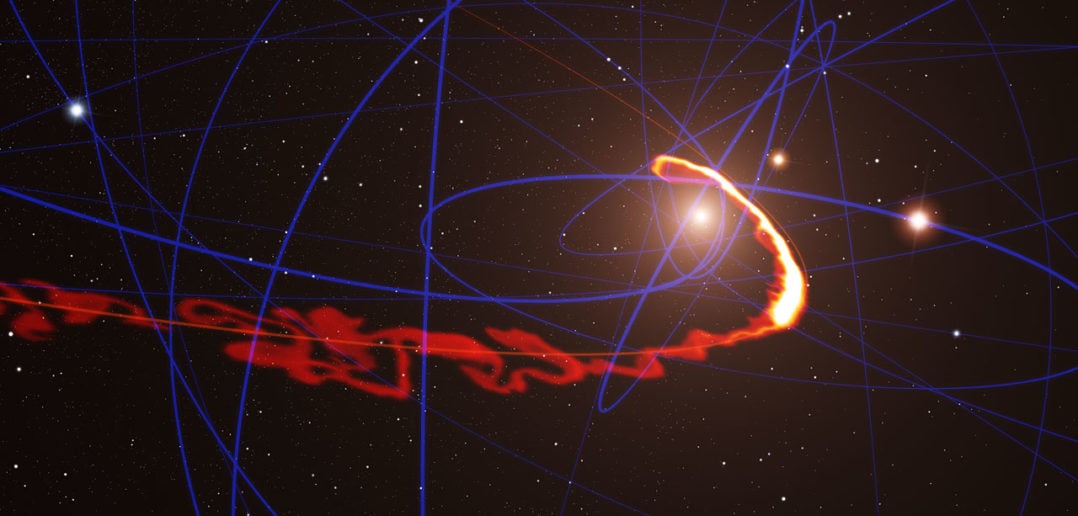
In 2014, a strange cloudy object called G2 made a close approach to Sagittarius A*, (Sag A*) the supermassive black hole at the heart of the Milky Way Galaxy. Astronomers
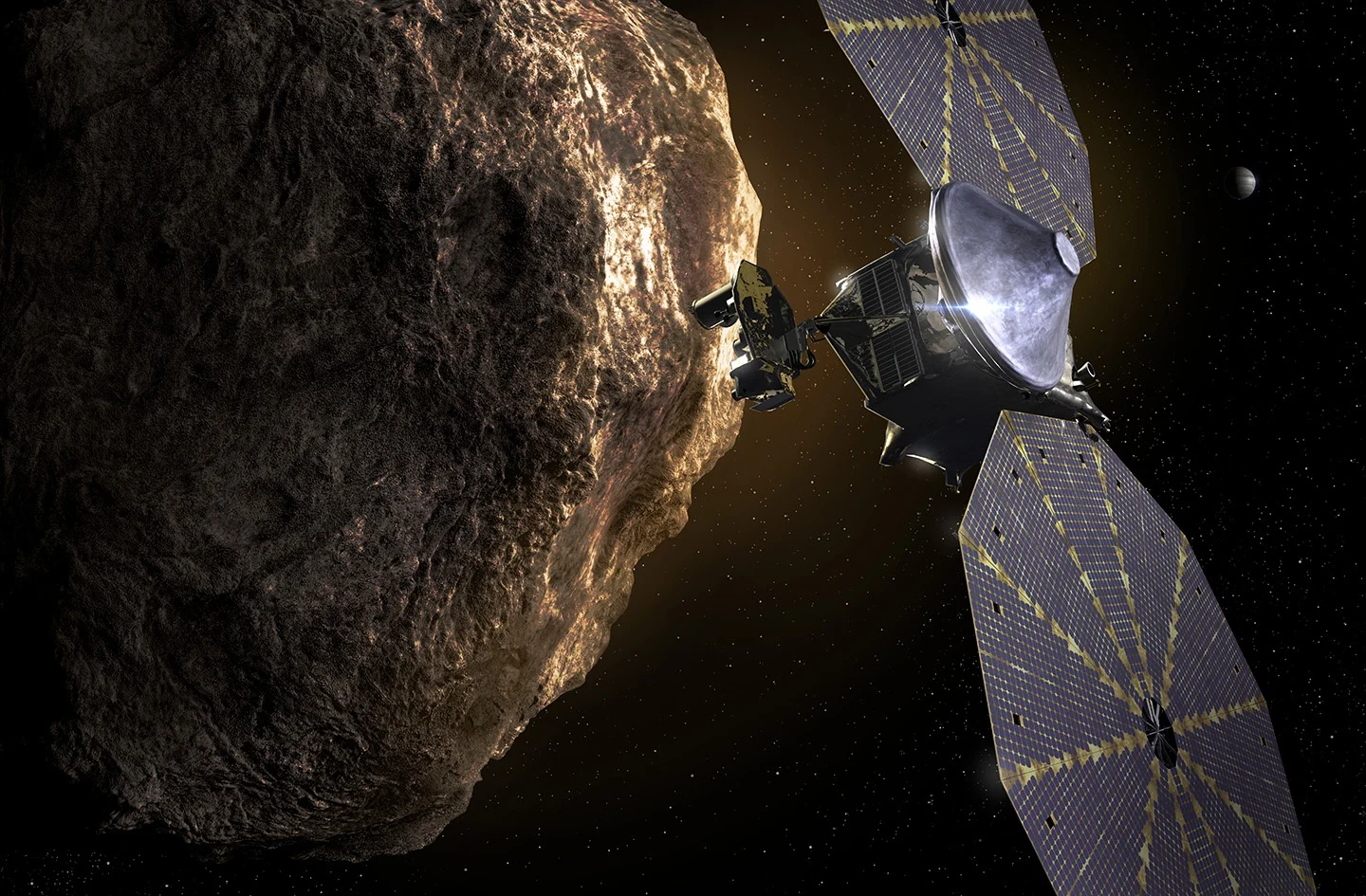
Understanding the beginning of the solar system requires us to look at some very strange places. One such place is at the so-called “Trojan” asteroids that share Jupiter’s orbit in
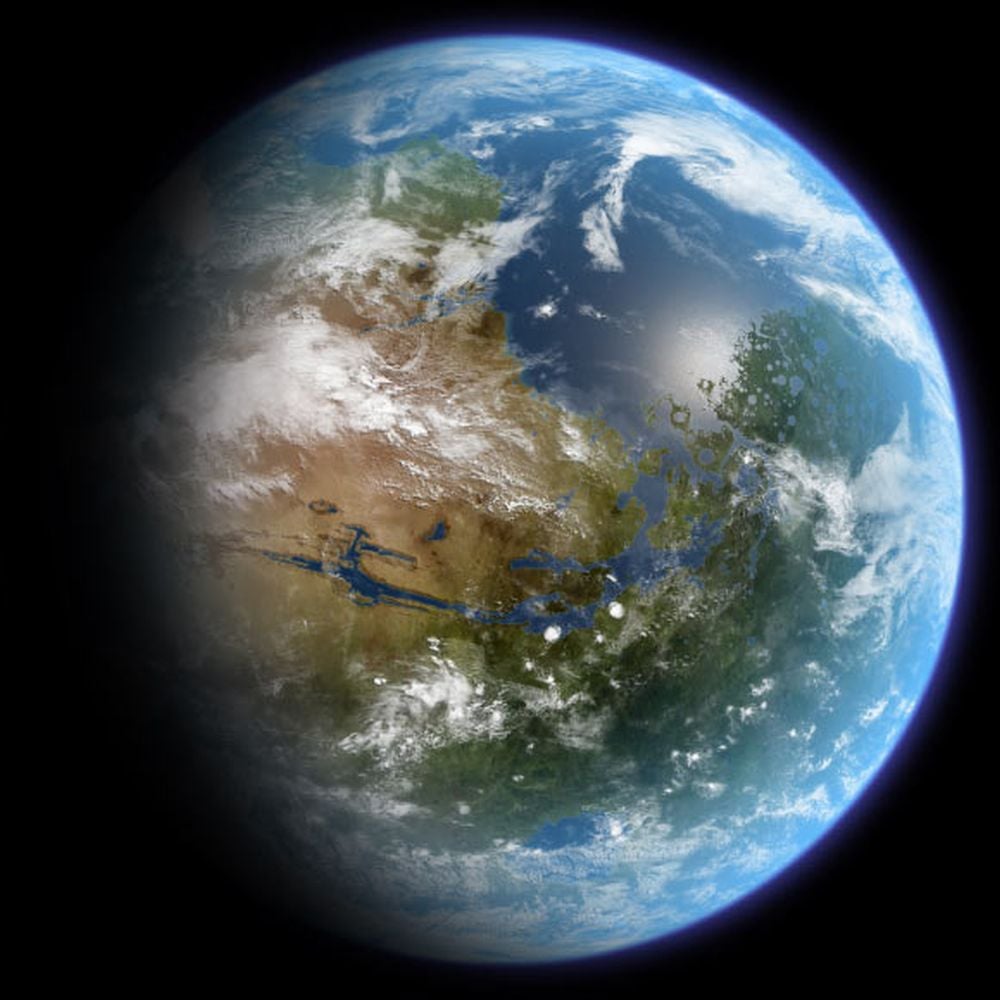
Researchers from the Earth-Life Science Institute (ELSI) and National Institute for Basic Biology have developed a new method to detect extraterrestrial life without relying on traditional biosignatures. By modelling how
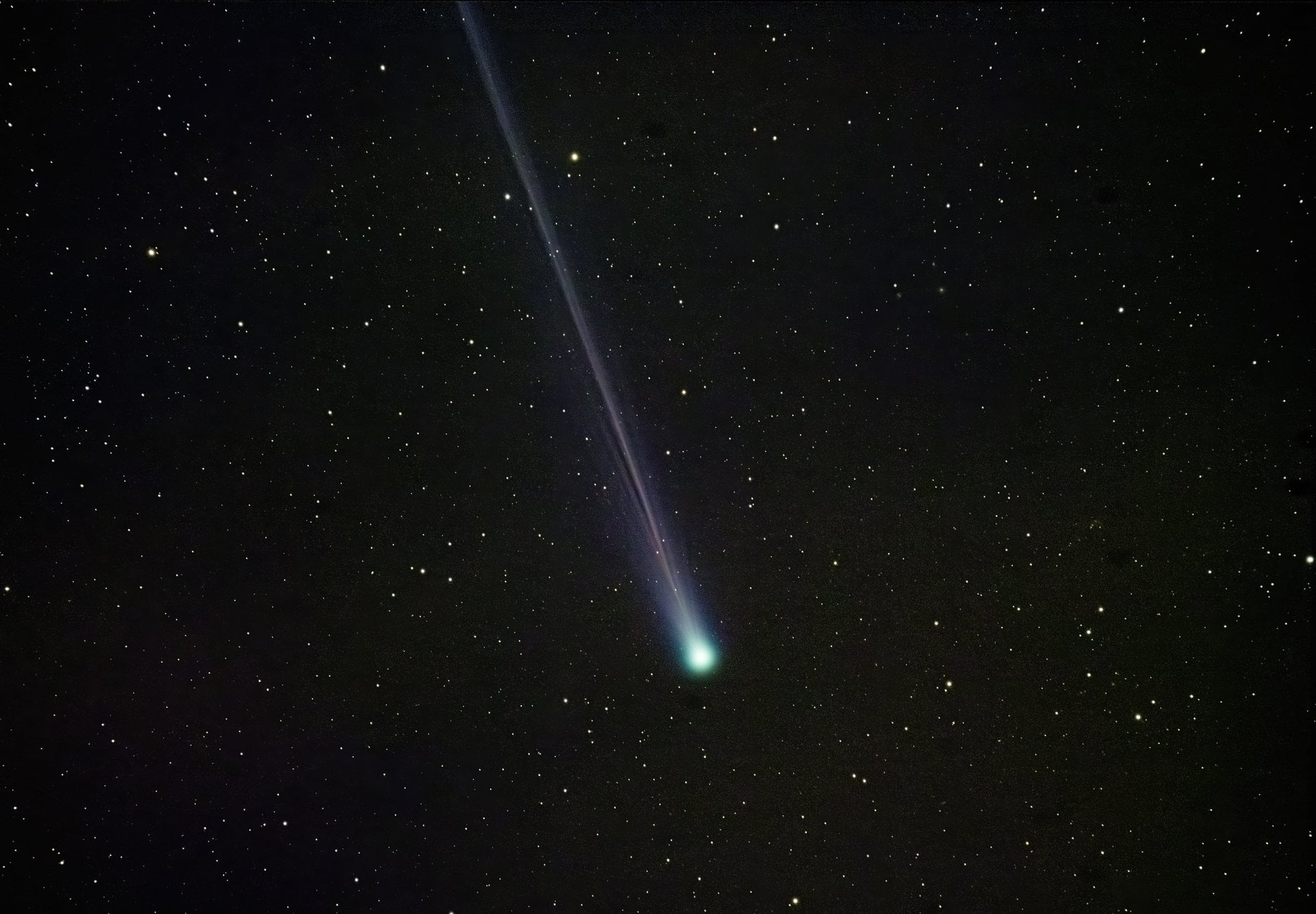
We’re one comet down, and one to go for spring season 2026. We recently wrote about prospects for sungrazer C/2026 A1 MAPS and comet C/2025 R3 Pan-STARRS in April 2026.
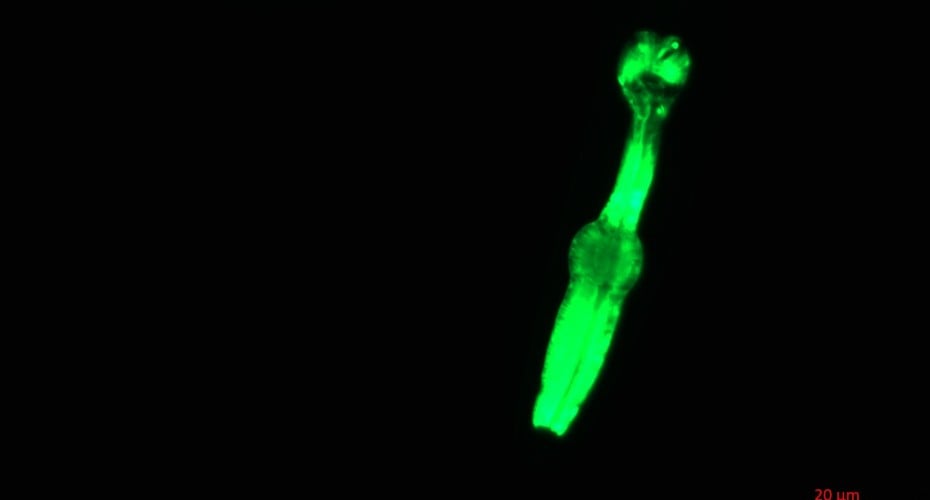
Living long-term on the Moon means surviving the devastating toll that deep space takes on a human body. Astronauts in low gravity environments suffer muscle and bone loss, vision-altering fluid
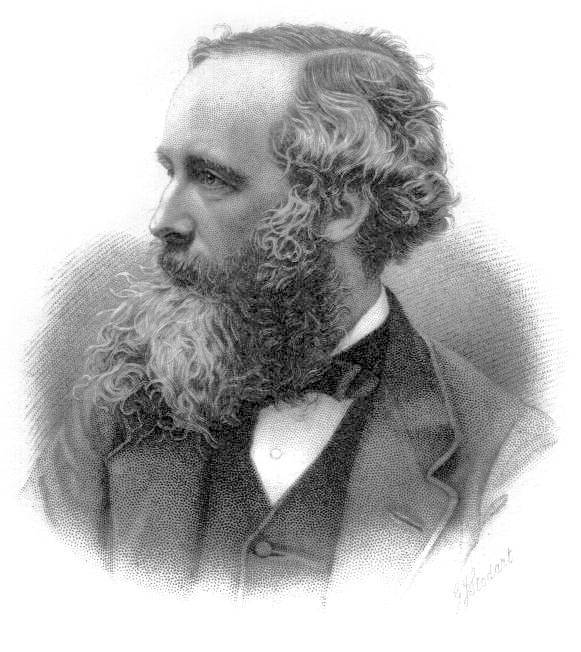
Before Brad Bradington can sprint down the red carpet, we need to understand the crowd. Specifically, we need to understand why a crowd of atoms and molecules slows down light
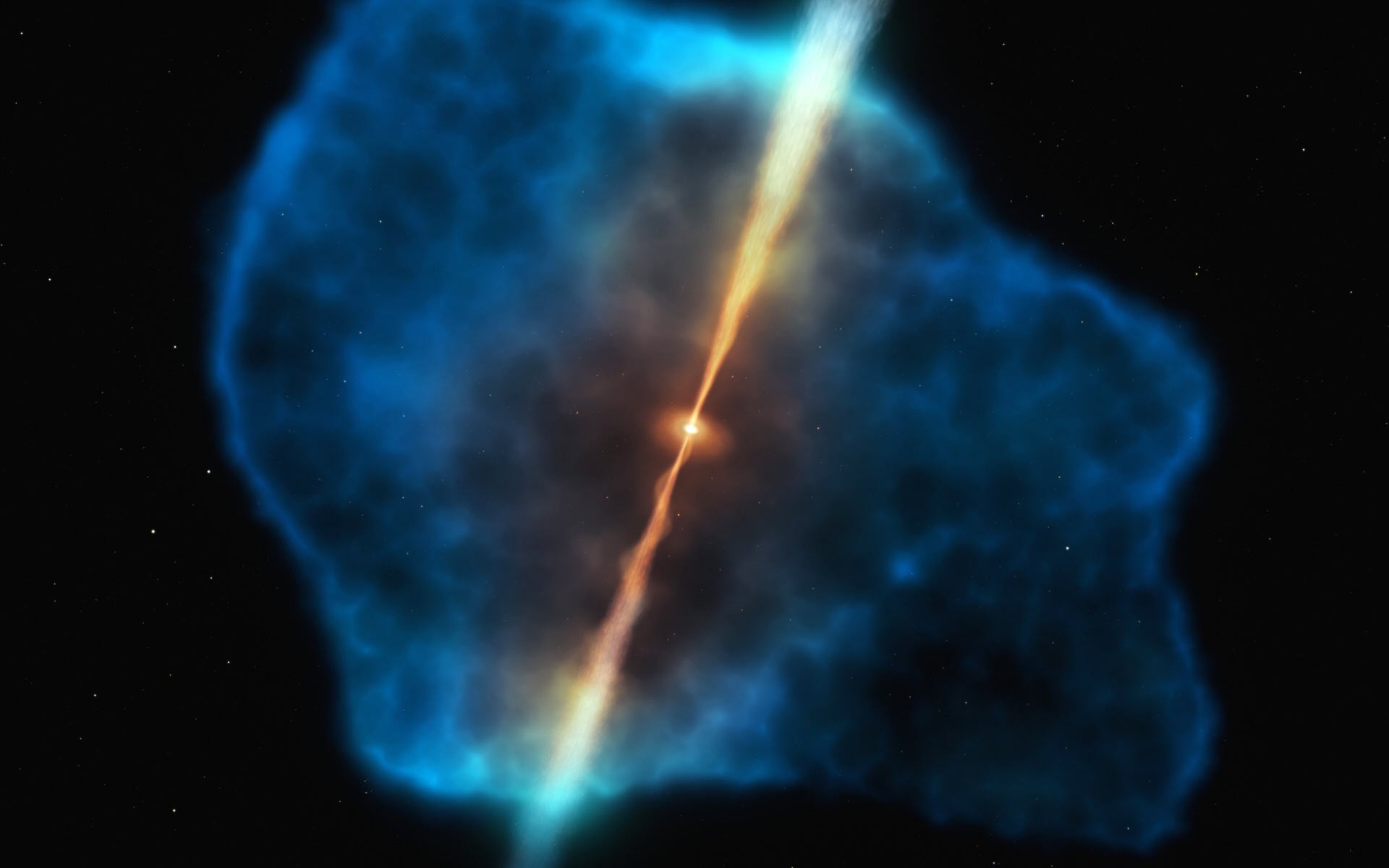
Astronomers using data from the Hobby–Eberly Telescope Dark Energy Experiment (HETDEX) have discovered tens of thousands of gigantic hydrogen gas halos, called “Lyman-alpha nebulae,” surrounding galaxies 10 billion to 12
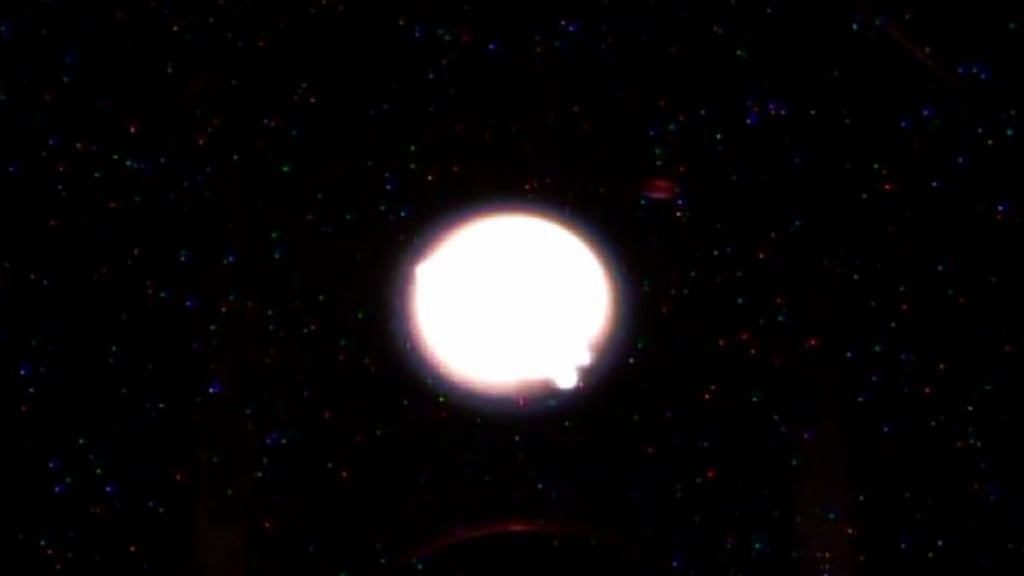
Engineers love a good practical challenge, especially when it comes to spaceflight. But there’s one particular challenge facing the crewed missions of the near future that scares mission planners above
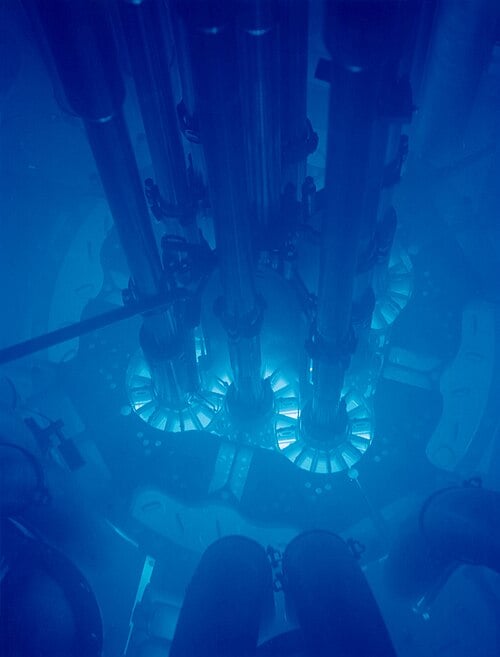
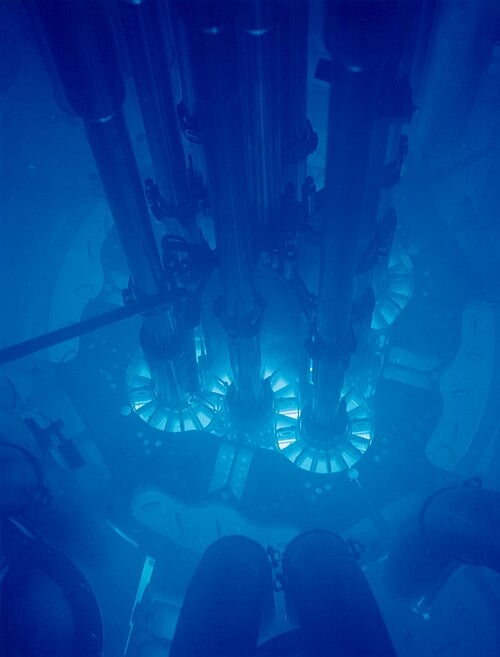
In 1934, a Soviet physicist named Pavel Cherenkov shone gamma rays into a bottle of water and noticed a faint blue glow. So had others before him. They all shrugged