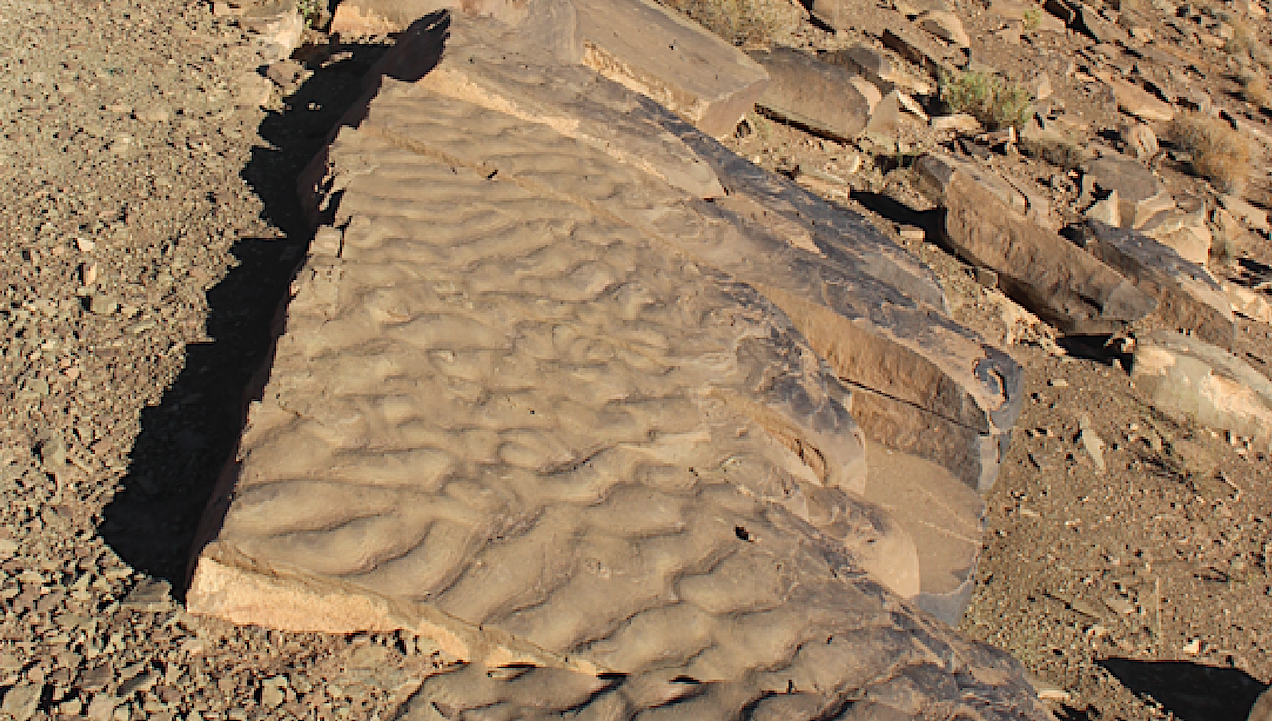
Tagoudite Formation in the Central High Atlas Mountains, Morocco In 2016 while hiking on a hillside in Morocco, geologist Rowan Martindale saw something that made her stop in her tracks:

Tagoudite Formation in the Central High Atlas Mountains, Morocco In 2016 while hiking on a hillside in Morocco, geologist Rowan Martindale saw something that made her stop in her tracks:
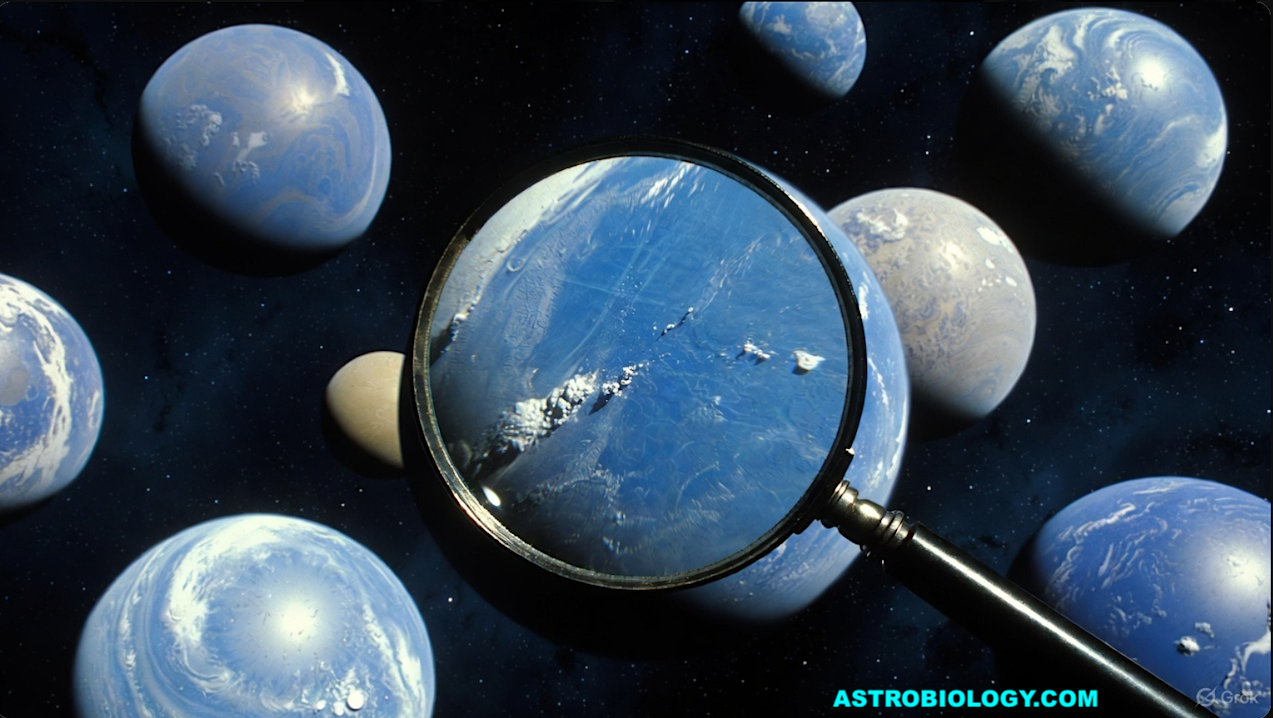
A First Order Filter For The Detection of Potentially Habitable Exoplanets — Grok via Astrobiology.com The search for potentially habitable exoplanets is a primary objective in modern astrophysics, yet the
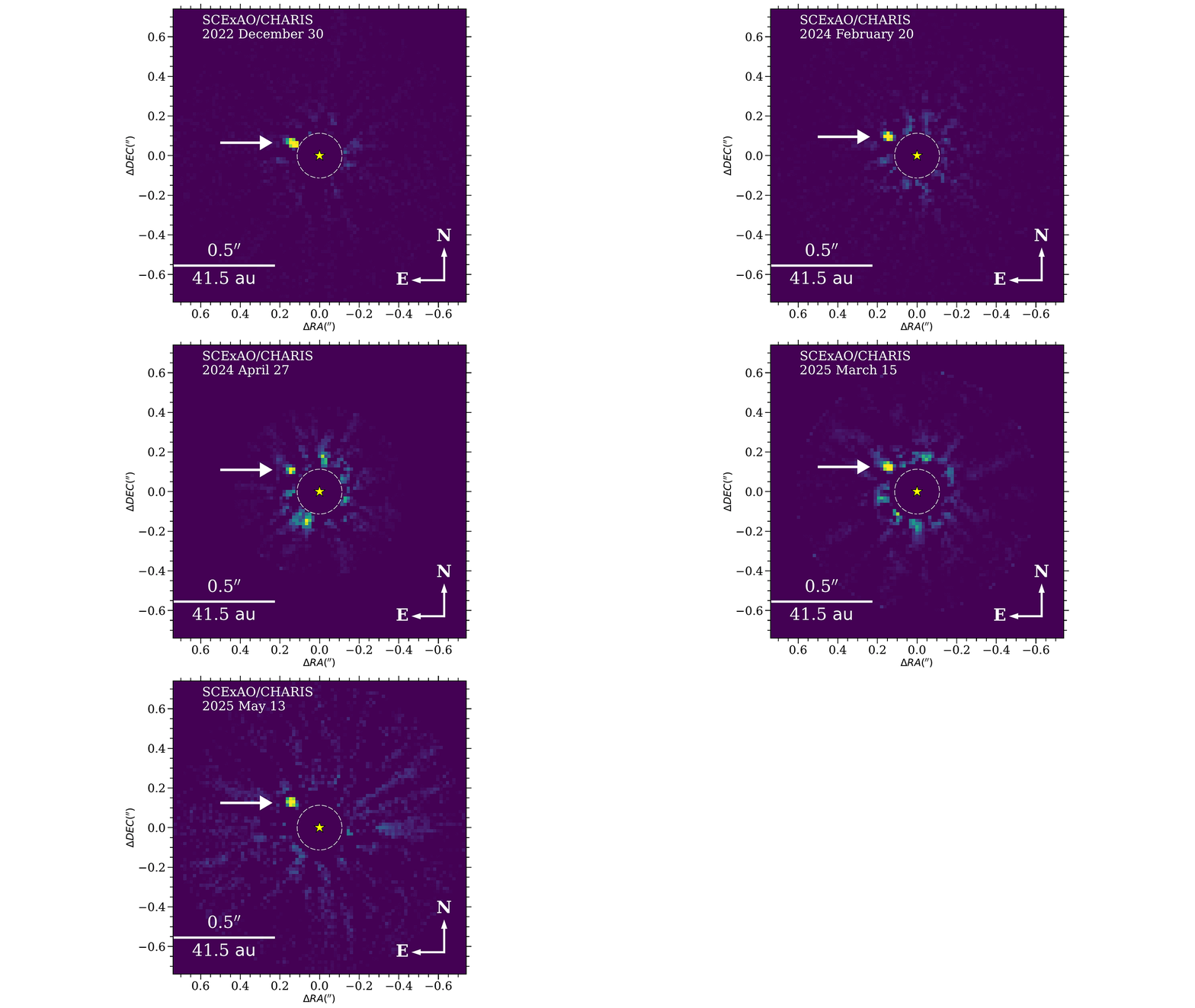
While our ability to view distant worlds with advanced telescopes has come a long way in a short time, we can still only photograph a tiny fraction of the planets
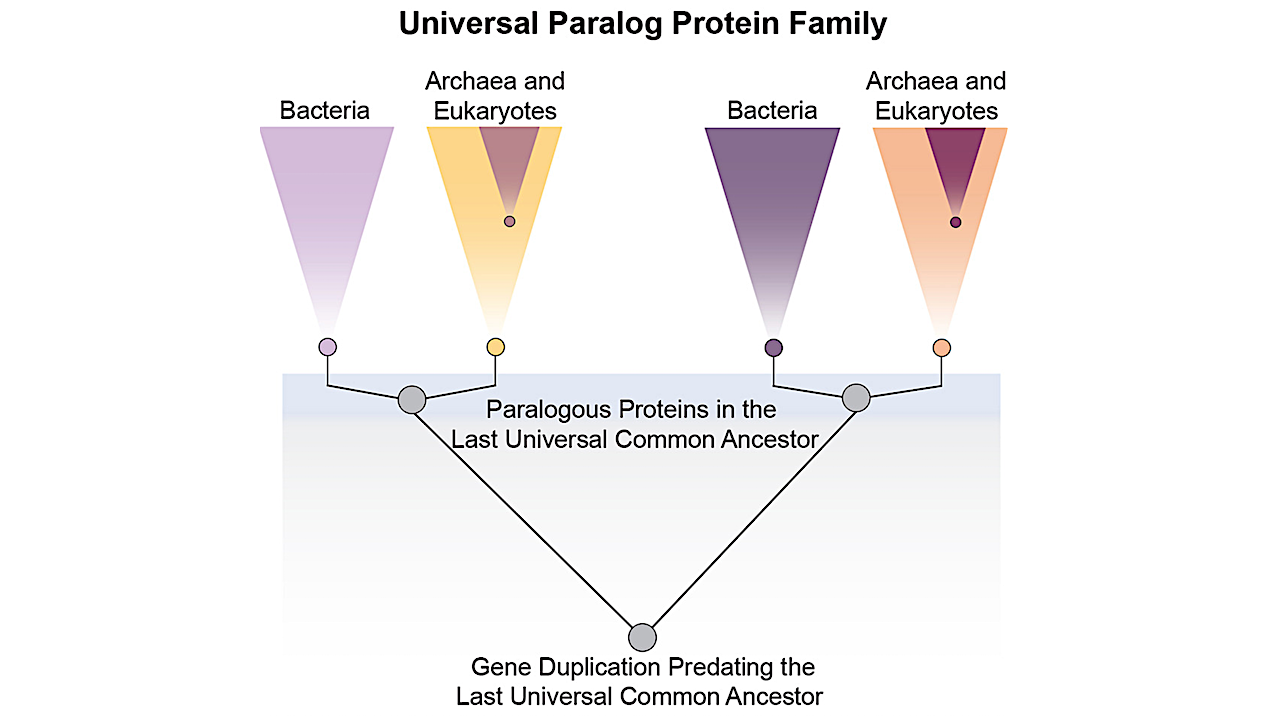
Graphical Abstract – Cell Genomics All life on Earth shares a common ancestor that lived roughly four billion years ago. This so-called “last universal common ancestor” represents the most ancient

Keith Cowing Explorers Club Fellow, ex-NASA Space Station Payload manager/space biologist, Away Teams, Journalist, Lapsed climber, Synaesthete, Na’Vi-Jedi-Freman-Buddhist-mix, ASL, Devon Island and Everest Base Camp veteran, (he/him) 🖖🏻 Follow on
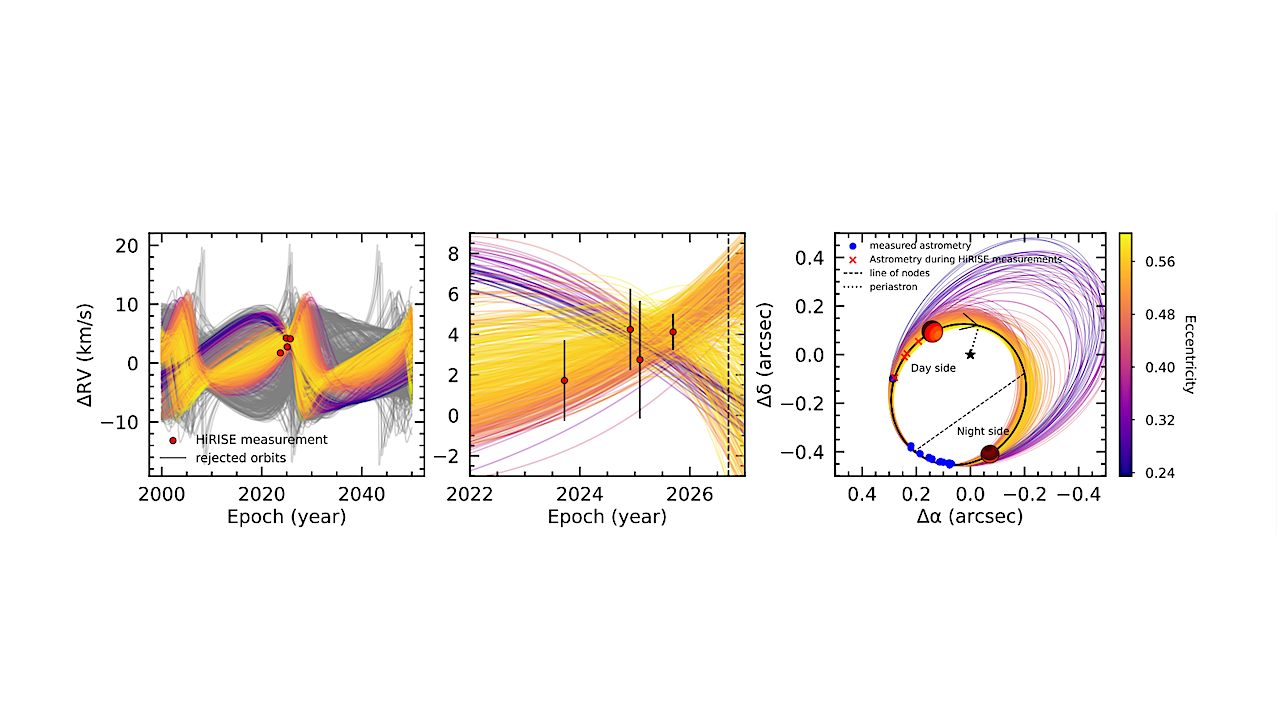
Orbit of 51 Eri b. The left panel shows the predicted RV of the planet as a function of time. The HiRISE RV measurements are overplotted as red dots, along
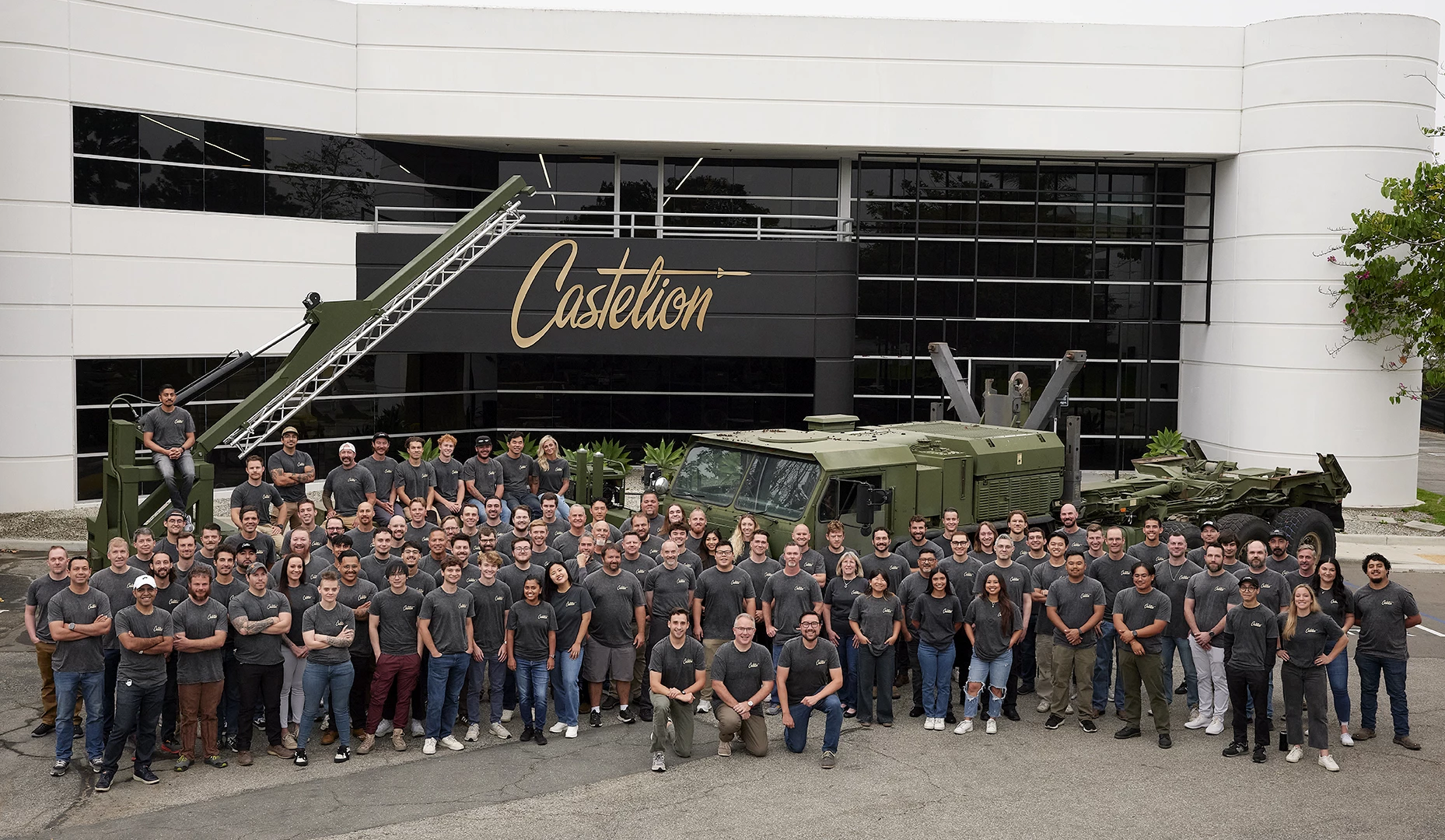
WASHINGTON — Castelion, a defense technology startup led by former SpaceX engineers, announced Dec. 5 it raised $350 million in Series B financing to accelerate high-volume production of hypersonic weapons

WASHINGTON — The Senate Commerce Committee advanced the nomination of Jared Isaacman to be NASA administrator to the full Senate in a Dec. 8 vote. The committee voted 18-10 to
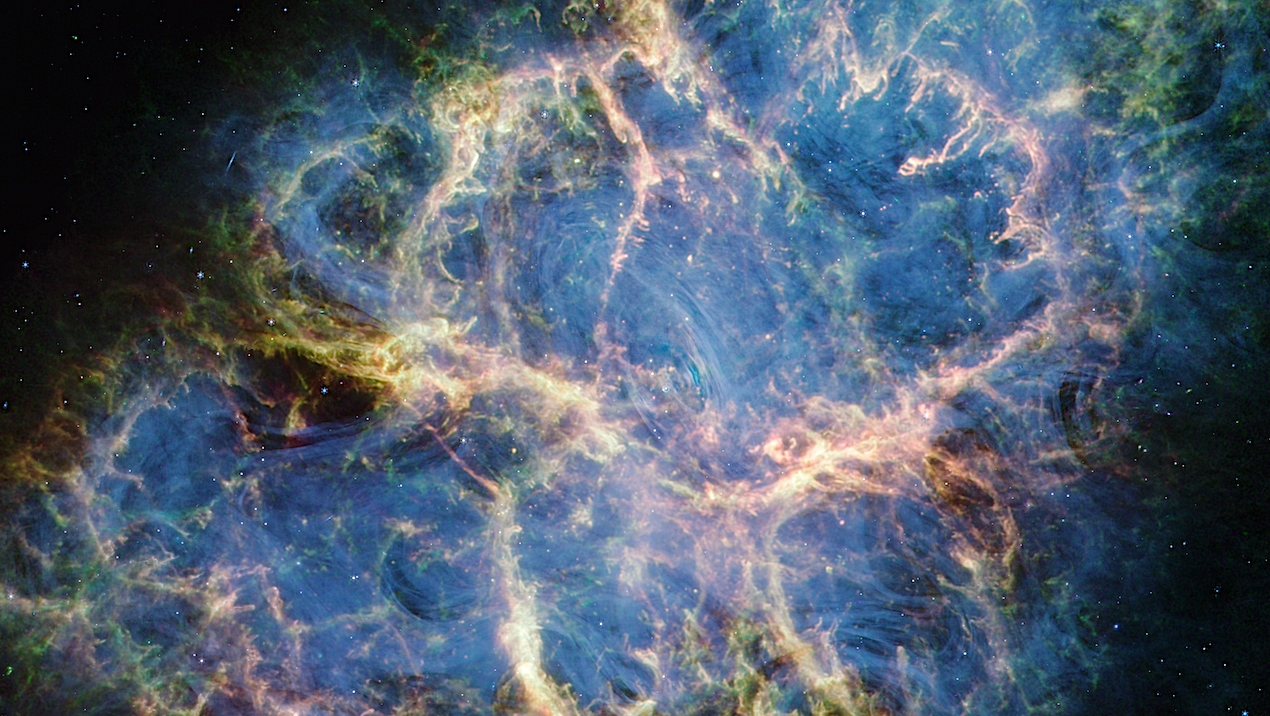
This image by NASA’s James Webb Space Telescope’s NIRCam (Near-Infrared Camera) and MIRI (Mid-Infrared Instrument) shows different structural details of the Crab Nebula. Credits: NASA, ESA, CSA, STScI, Tea Temim
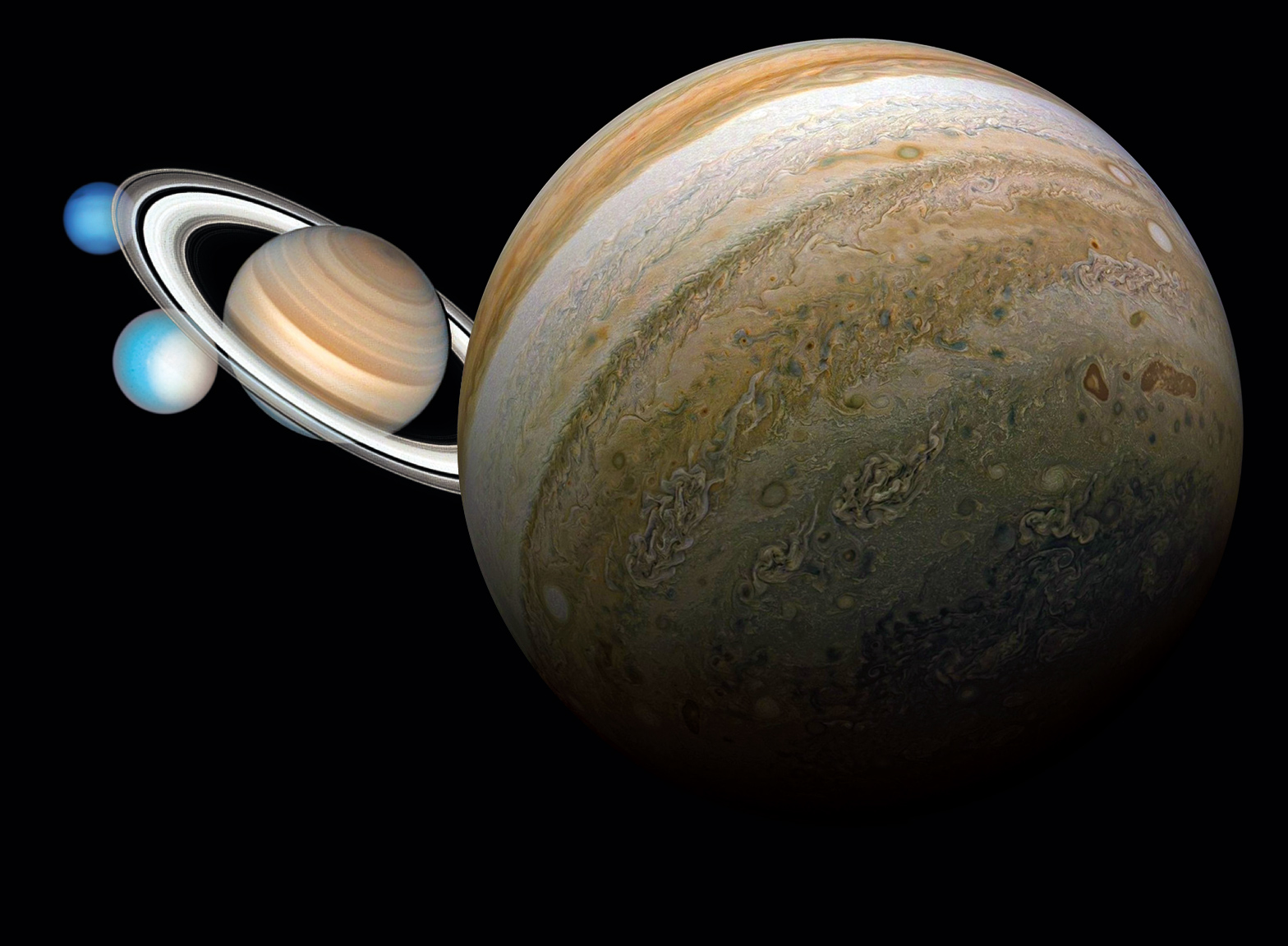
In a dazzling twist ideal for lovers and stargazers alike this Valentine’s Day, a recent weather forecast from Astronomy Now magazine reveals the outer reaches of our Solar System are