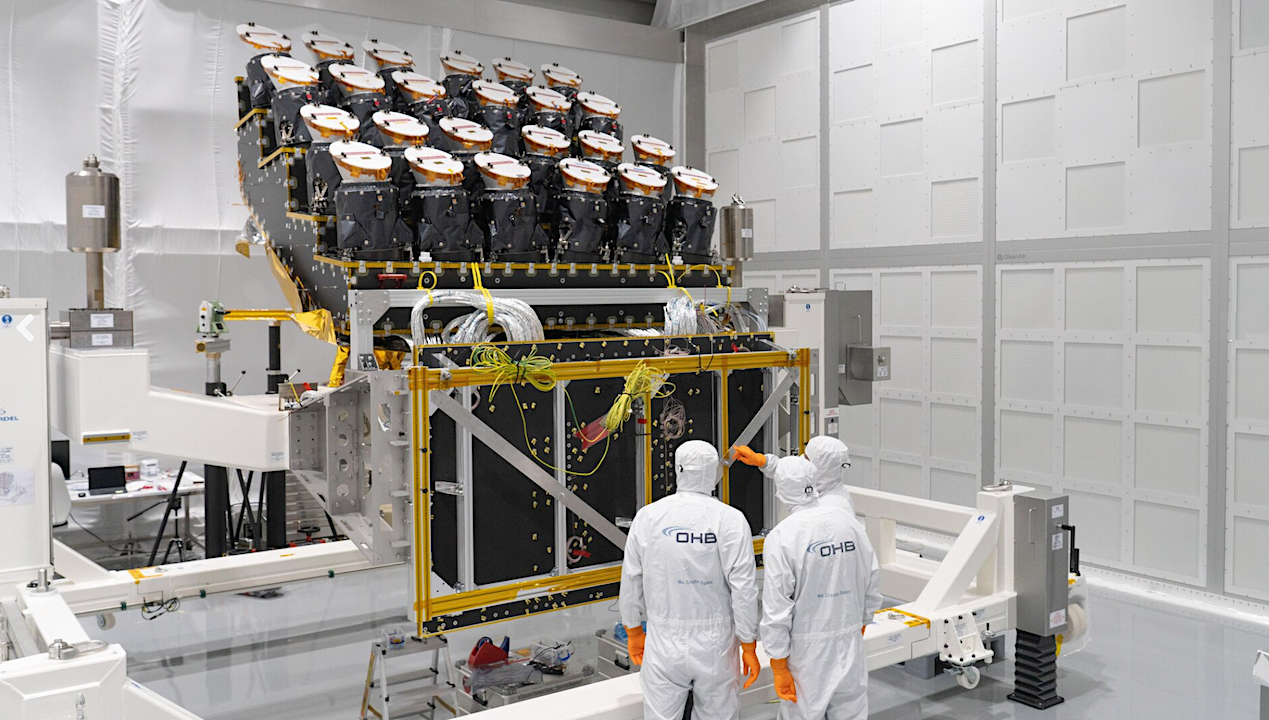
Engineers at OHB, Germany, inspect Plato’s newly installed 24 cameras on the spacecraft’s optical bench, the structure that keeps all cameras firmly pointed in the right direction. — ESA Larger

Engineers at OHB, Germany, inspect Plato’s newly installed 24 cameras on the spacecraft’s optical bench, the structure that keeps all cameras firmly pointed in the right direction. — ESA Larger
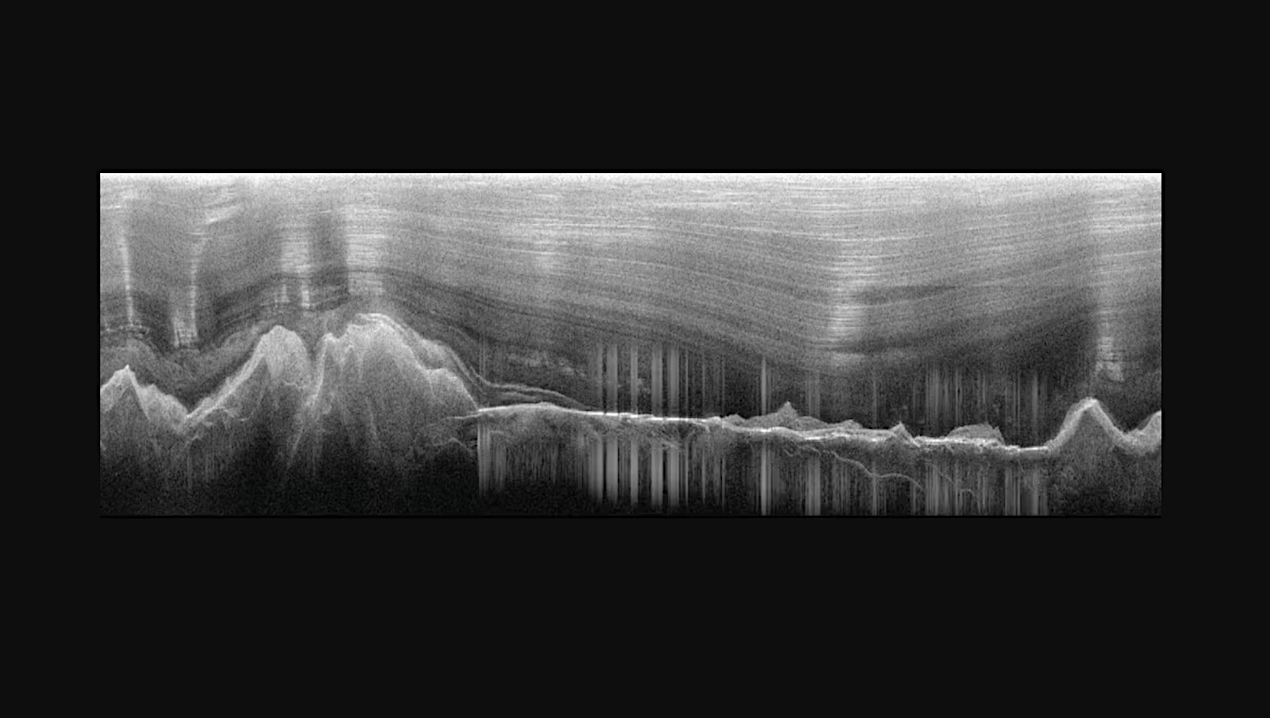
Have you ever imagined what Antarctica looks like beneath its thick blanket of ice? Hidden below are rugged mountains, valleys, hills and plains. Some peaks, like the towering Transantarctic Mountains,
Earth Observatory Science Earth Observatory Kona Storms Flood Oʻahu Earth Earth Observatory Image of the Day EO Explorer Topics All Topics Atmosphere Land Heat & Radiation Life on Earth Human
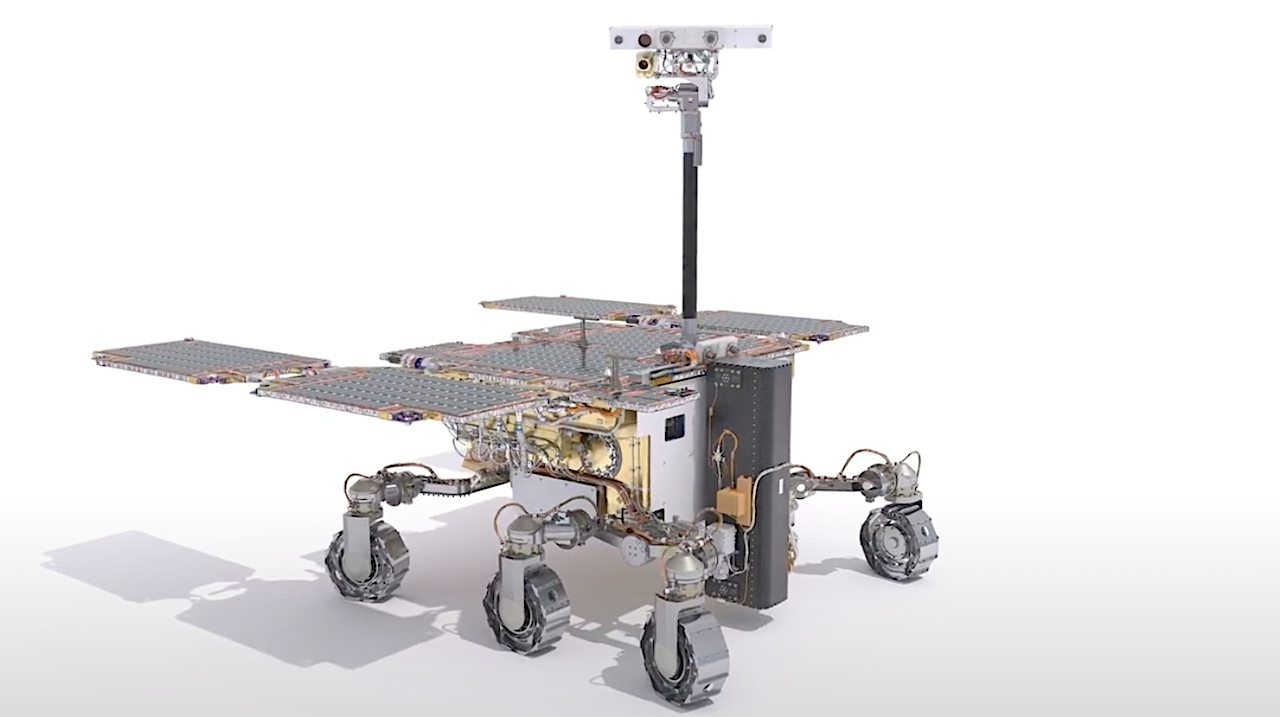
ESA/NASA Rosalind Franklin rover — ESA The ESA/NASA Rosalind Franklin rover, planned for launch in 2028, will carry the first laser desorption ionization mass spectrometer (LDI-MS) to Mars as part
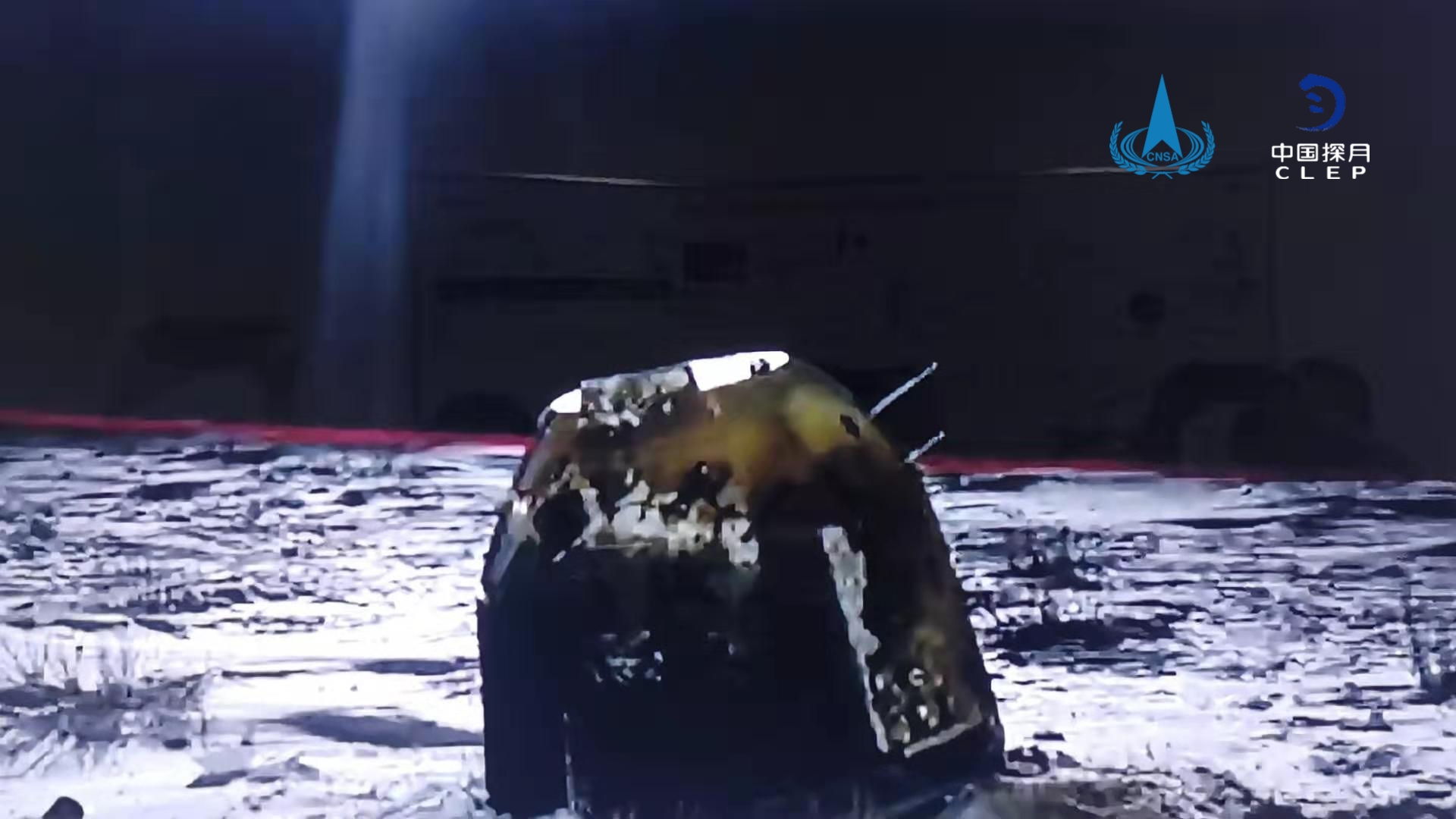
A tiny glass bead retrieved by China’s Chang’e-5 lunar mission is offering scientists a glimpse into the moon’s hidden depths and providing insight into the violent forces that helped shape
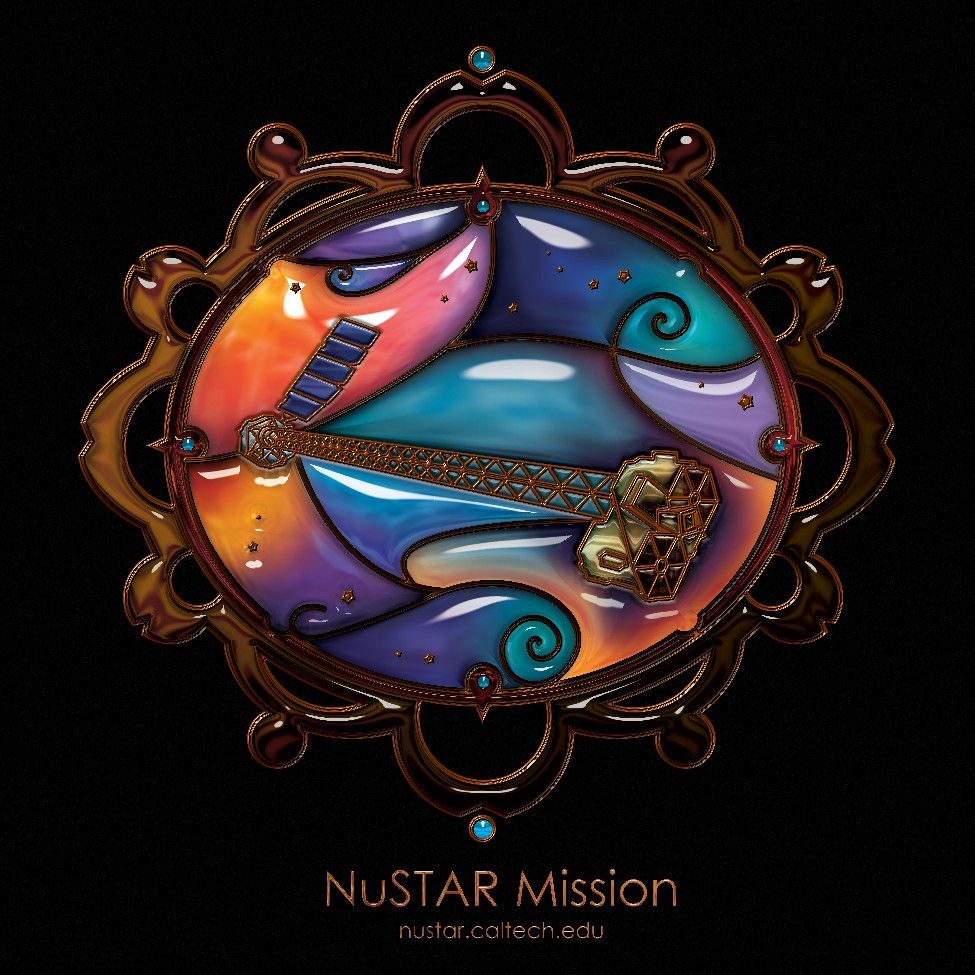
Art inspired by the NuSTAR Mission. A coloring page for NASA’s NuSTAR mission. Downloads NuSTAR Coloring Page – Spacecraft (PNG) Jun 12, 2025 PNG (187.75 KB) NuSTAR Coloring Page –

Drake Awards Celebrate the Search for Life Beyond Earth On May 20, the SETI Institute held its annual Drake Awards event in Mountain View, CA, honoring contributions to SETI or

Join our newsletter to get the latest military space news every Tuesday by veteran defense journalist Sandra Erwin. As the United States advances its ambitious Golden Dome missile defense strategy,
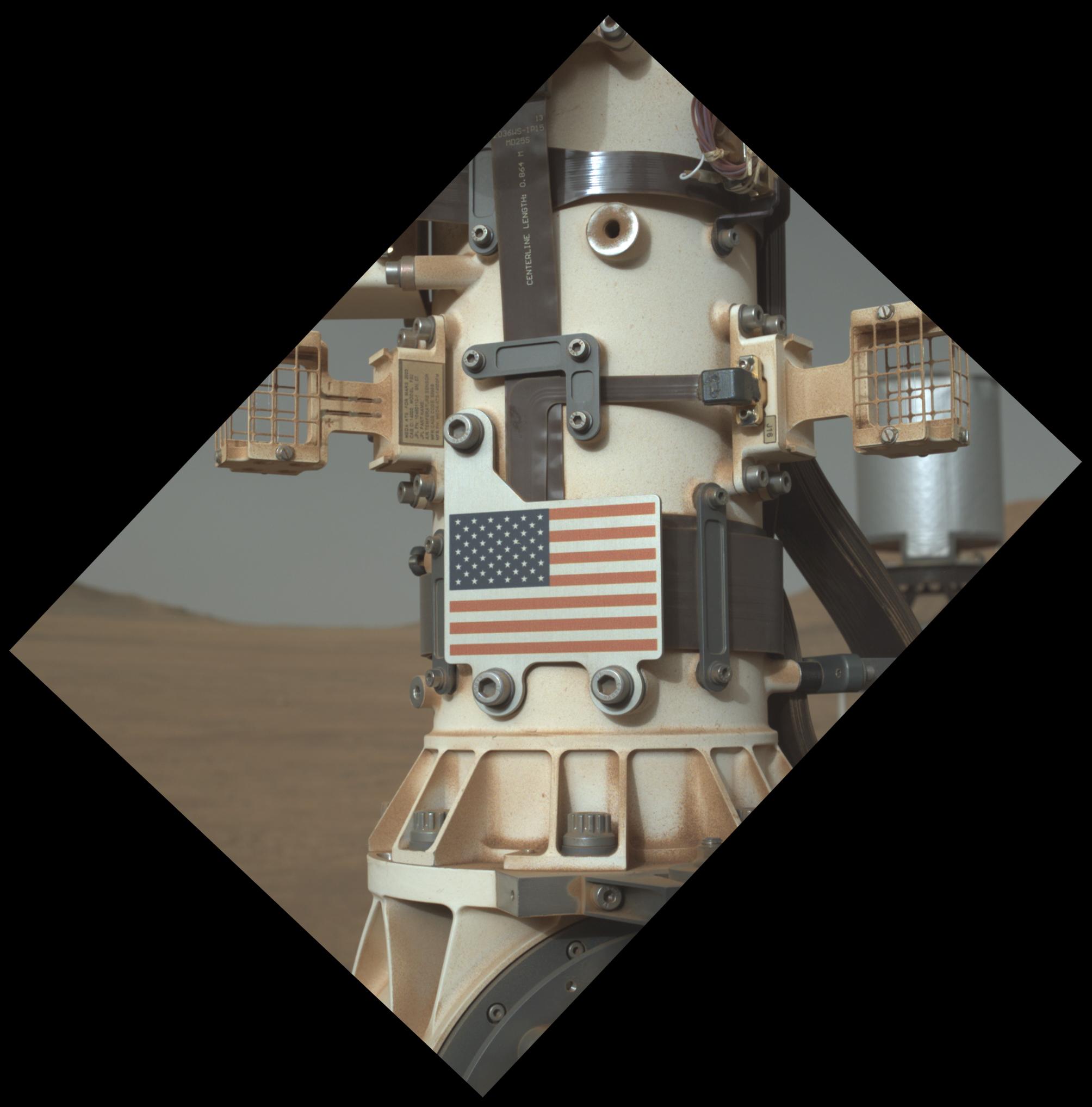
NASA/JPL-Caltech/MSSS The United States flag adorns an aluminum plate mounted at the base of the mast, or “head,” of NASA’s Perseverance Mars rover. This image of the plate was taken
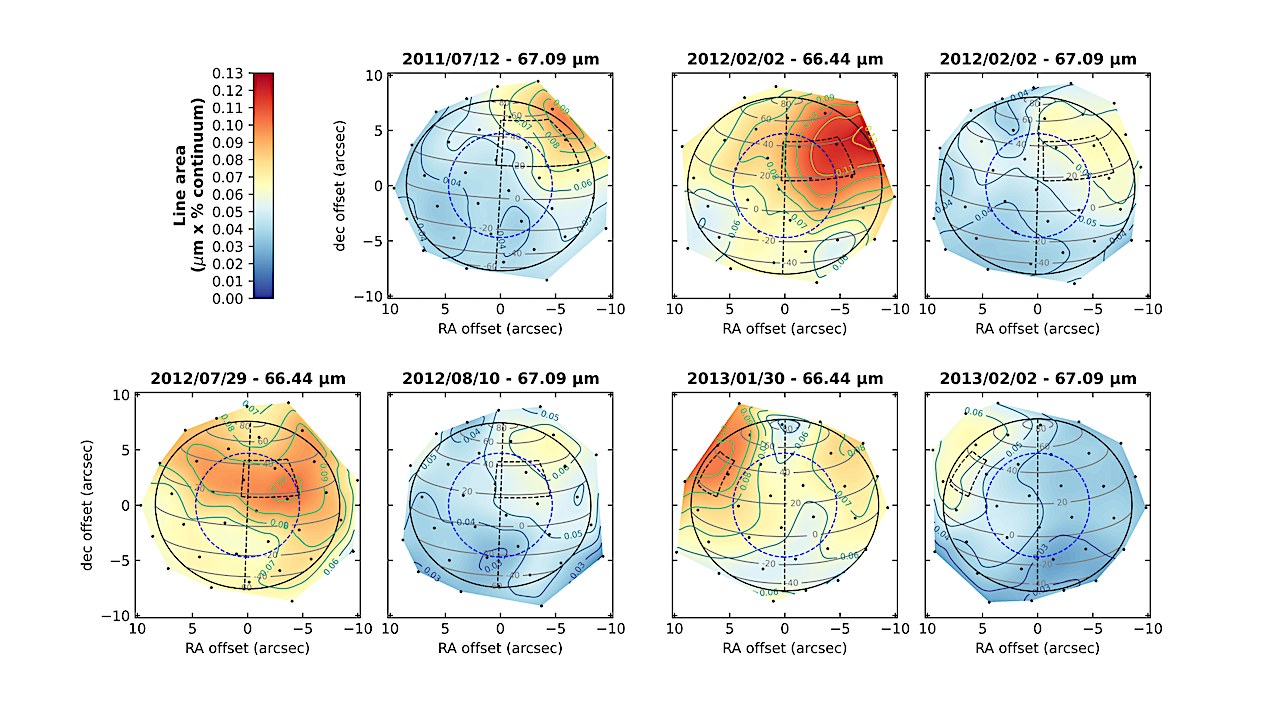
Water line area maps expressed in units of µmˆ% of continuum. The four observation time windows are July 2011 at 67.09 µm, February 2012 at 66.44 and 67.09 µm, July-August