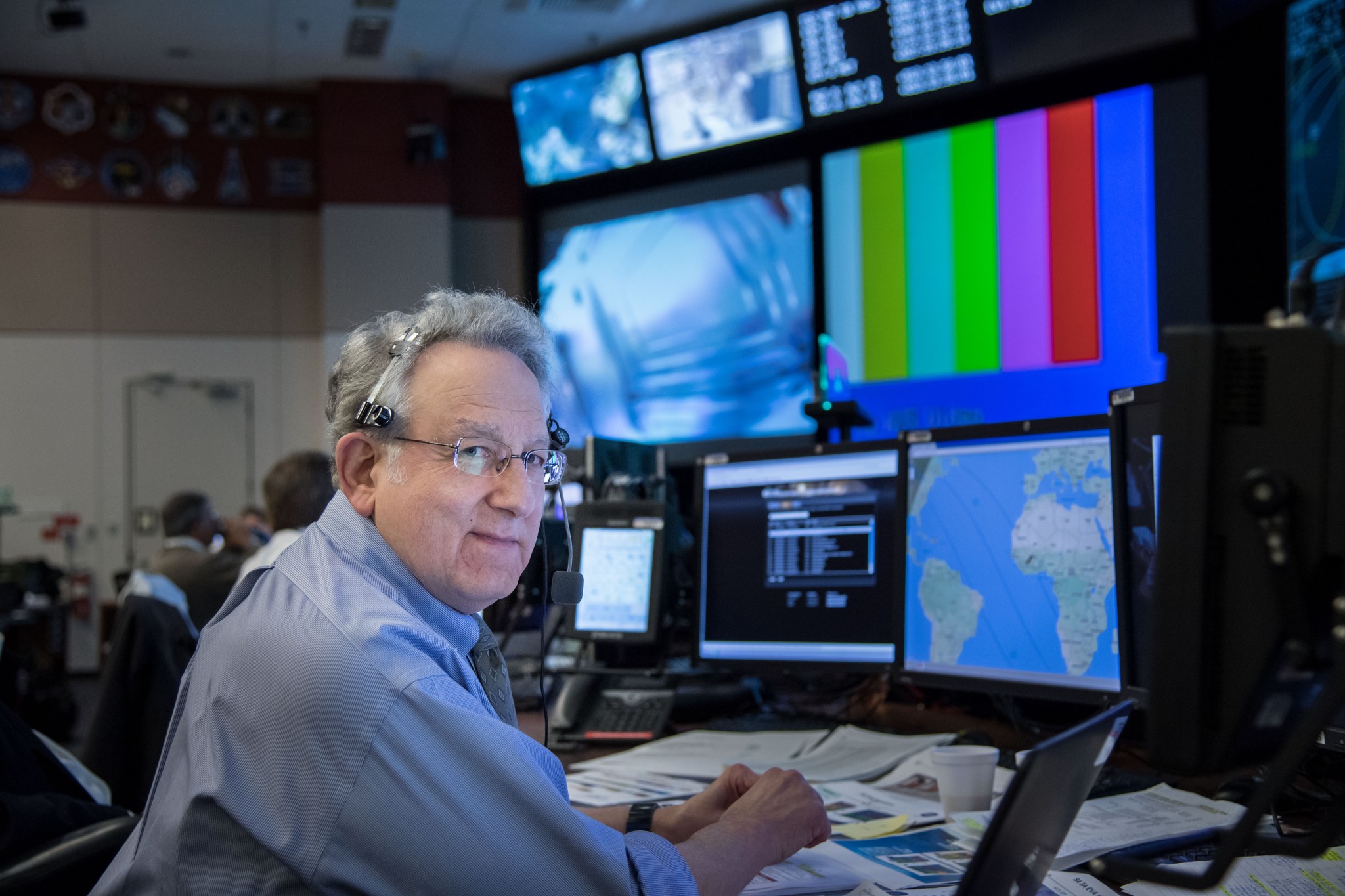
Editor’s note: This interview was conducted in October 2023. As the International Space Station approaches 25 years of continuous human presence on Nov. 2, 2025, it is a meaningful moment

Editor’s note: This interview was conducted in October 2023. As the International Space Station approaches 25 years of continuous human presence on Nov. 2, 2025, it is a meaningful moment
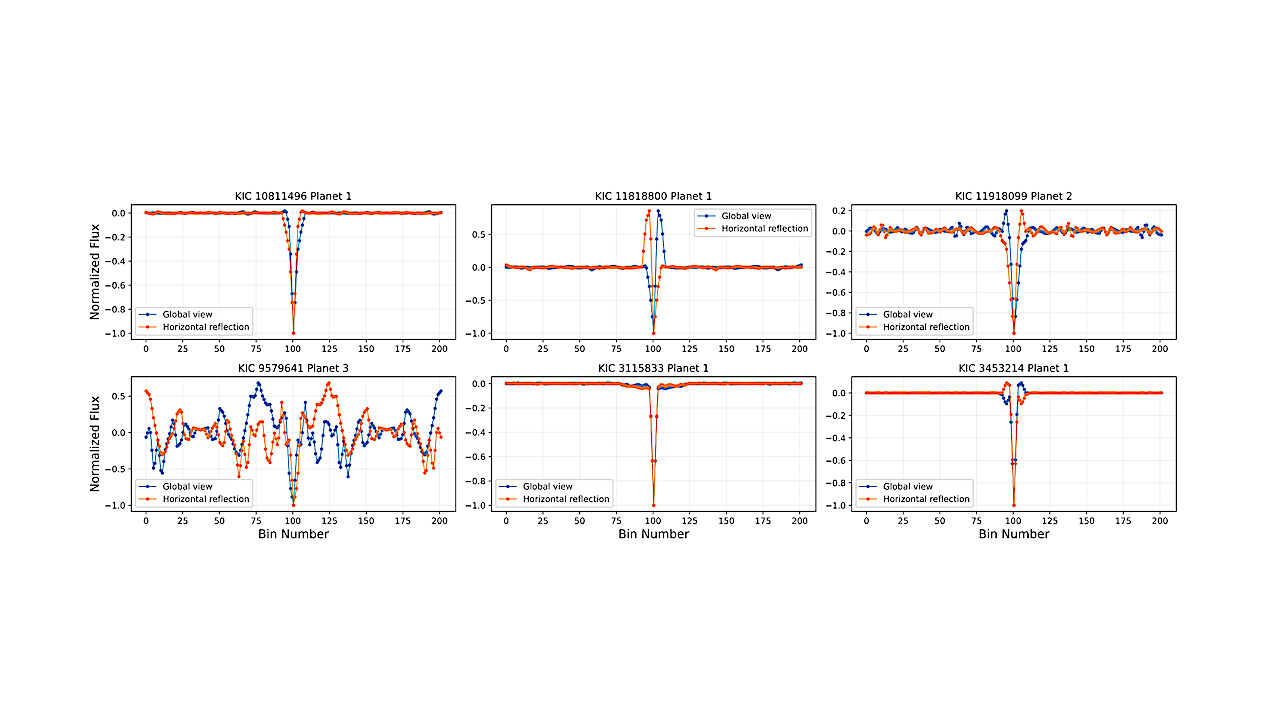
An example of the output obtained by the horizontal reflection. From top left to bottom right we display six global views (blue lines) generated for six planet candidates KOIs from
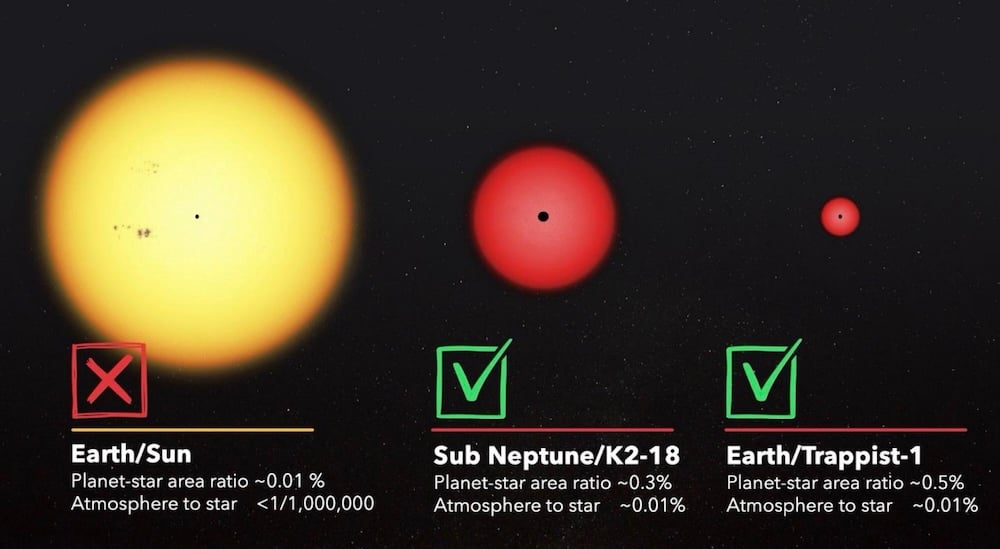
With over 5,000 exoplanets now identified, astronomers have found that our Solar System isn’t the only model of planetary formation. There are super-Earths, sub-Neptunes, hot-Jupiters, and Earth-sized worlds orbiting around
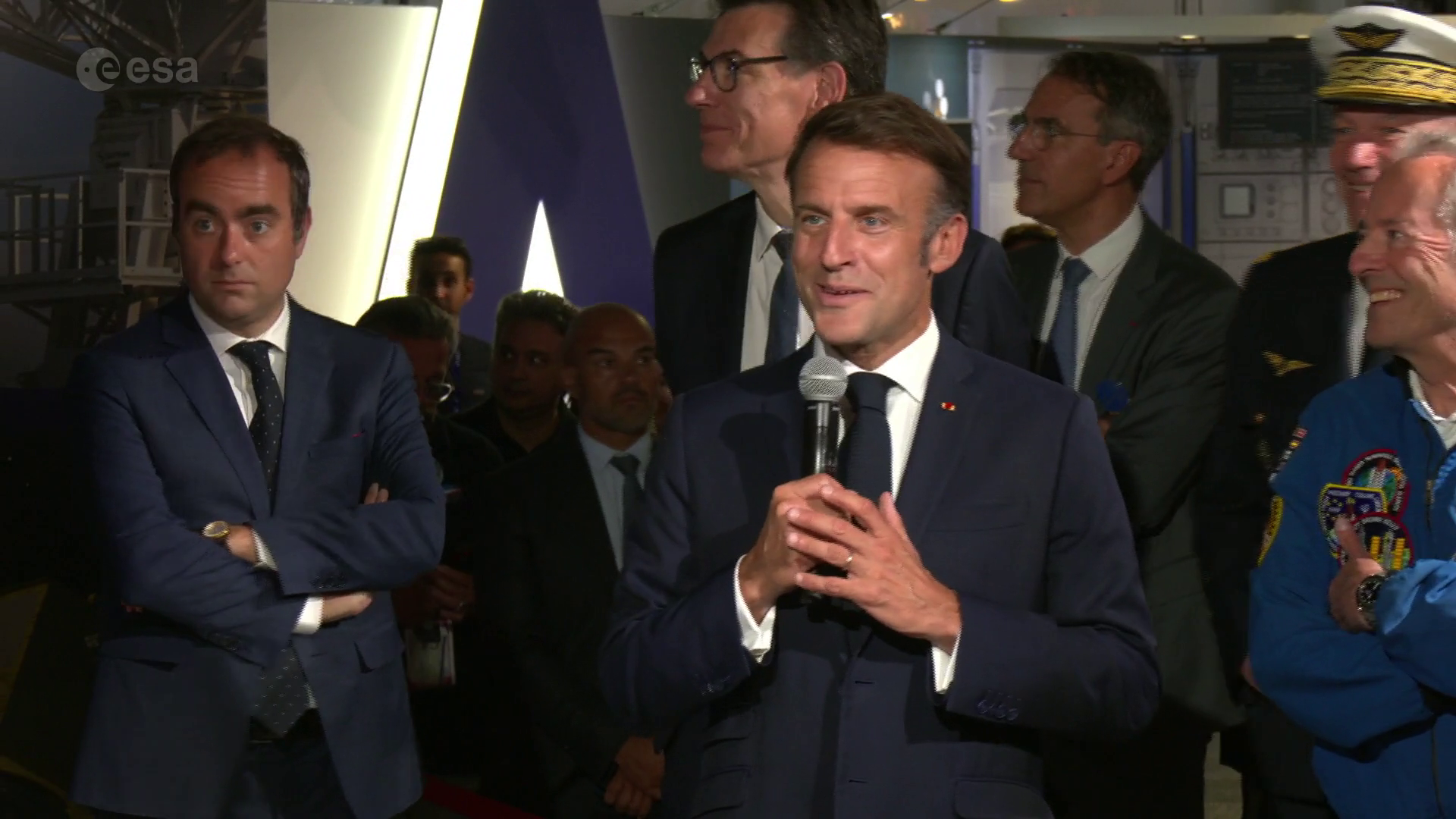
At Le Bourget Paris Air Show, French President Emmanuel Macron talks with ESA Astronaut Sophie Adenot about her mission ‘εpsilon’. Embed code <iframe width=”649″ height=”360″ src=”https://www.youtube.com/embed/MPWD5tz4Zts?rel=0″ frameborder=”0″ allow=”encrypted-media” allowfullscreen></iframe>

IRVINE, Calif. – July 1, 2025 – CAPSTONE™ (Cislunar Autonomous Positioning System Technology Operations and Navigation Experiment), owned and operated by Advanced Space, proudly celebrates its three-year anniversary. Serving as
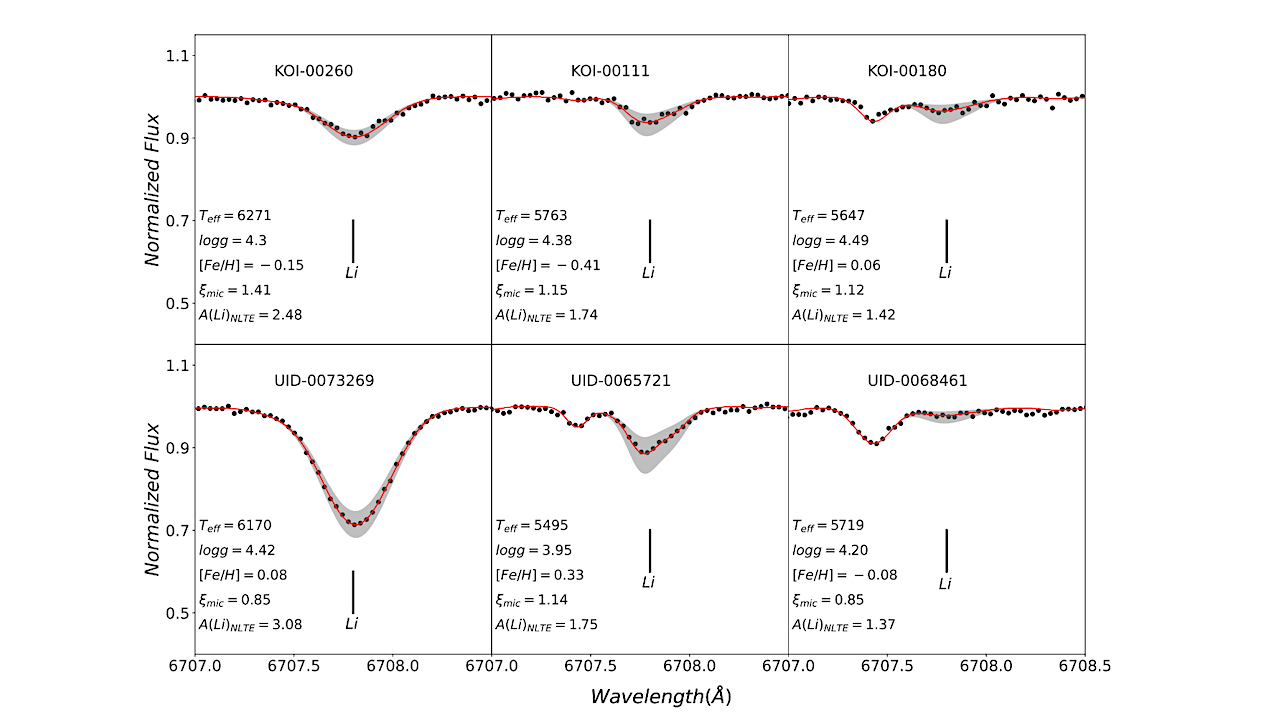
Examples of spectral synthesis used in this work. The black dots are the observed spectra and the red lines are the theoretical spectra. From right to left, the gray areas

WASHINGTON — The European Space Agency will soon select the finalists for a competition intended to support the development of new launch vehicles by European companies. During a panel discussion
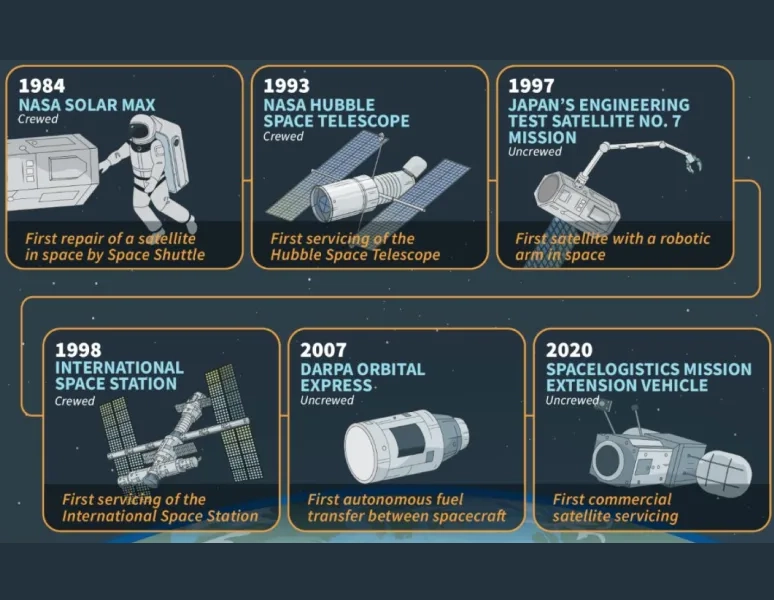
WASHINGTON — Despite a surge in satellite deployments, the fundamental operating model for spacecraft hasn’t evolved much since Sputnik launched in 1957: build it, launch it, use it, discard it.
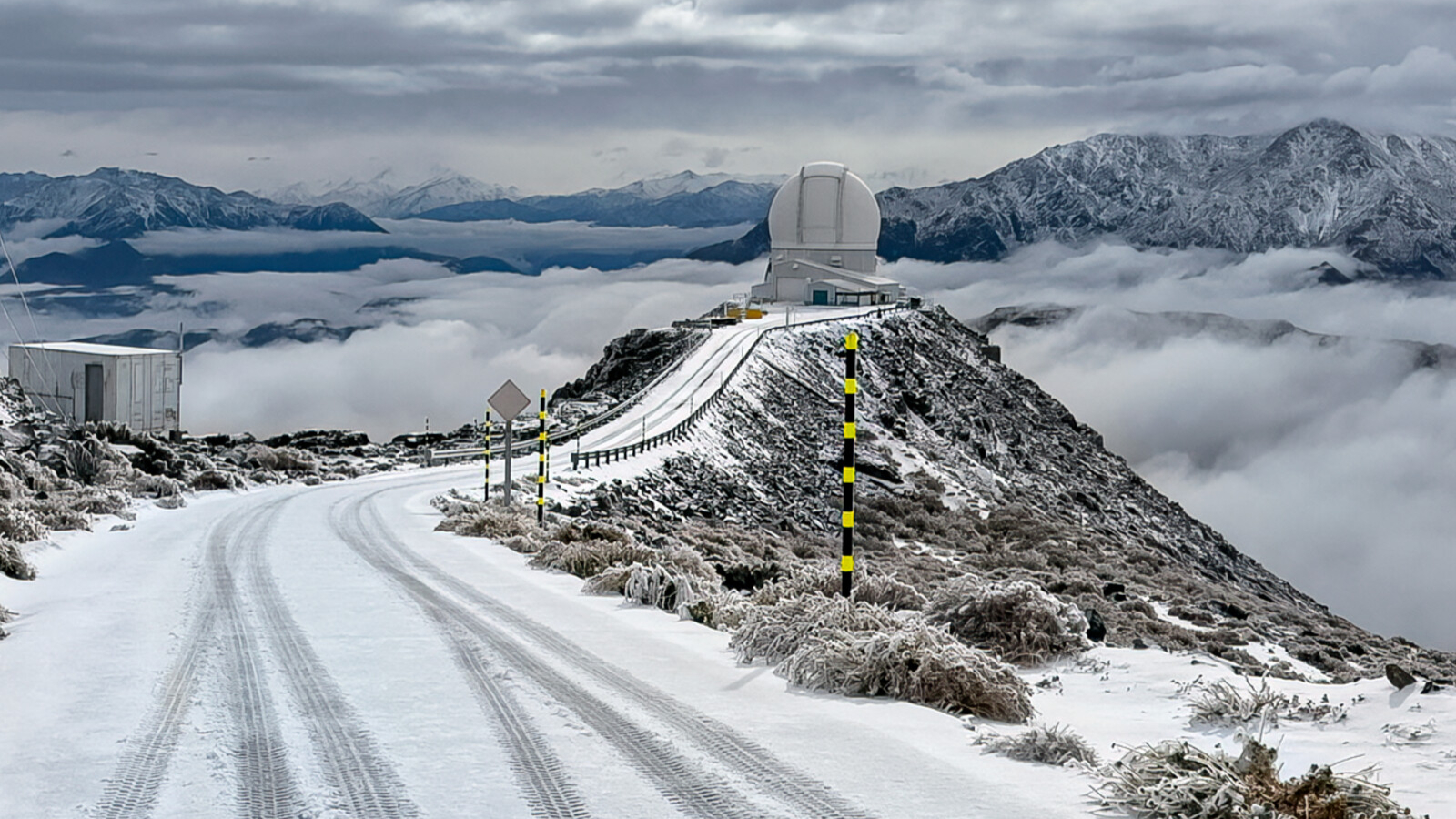
A recent unexpected frost graced high-altitude peaks in Chile, dusting the Southern Astrophysical Research (SOAR) Telescope with a delicate layer of snow. What is it? The 13.4 foot (4.1 meter)
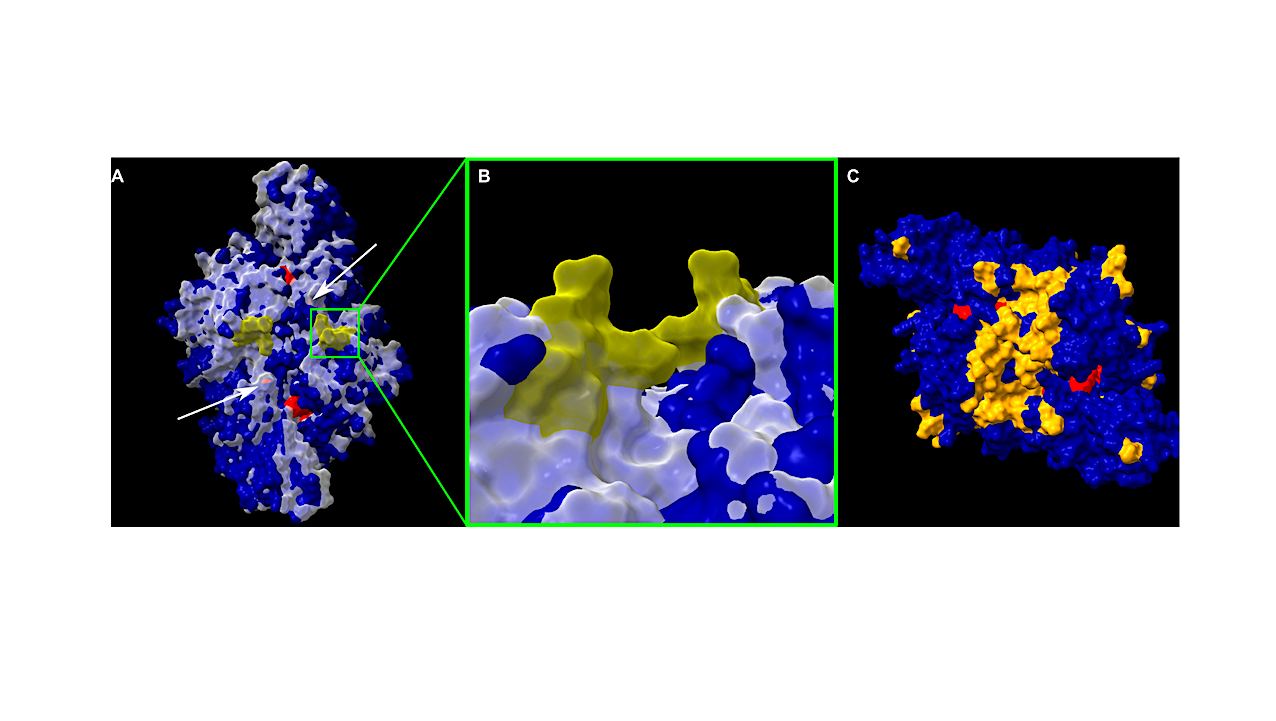
Rubisco form II structural differences between T. arctica UC1 and H. marinus. (A) AlphaFold-generated structures for H. marinus (transparent white) and T. arctica UC1 (dark blue) Rubisco form II dimers.