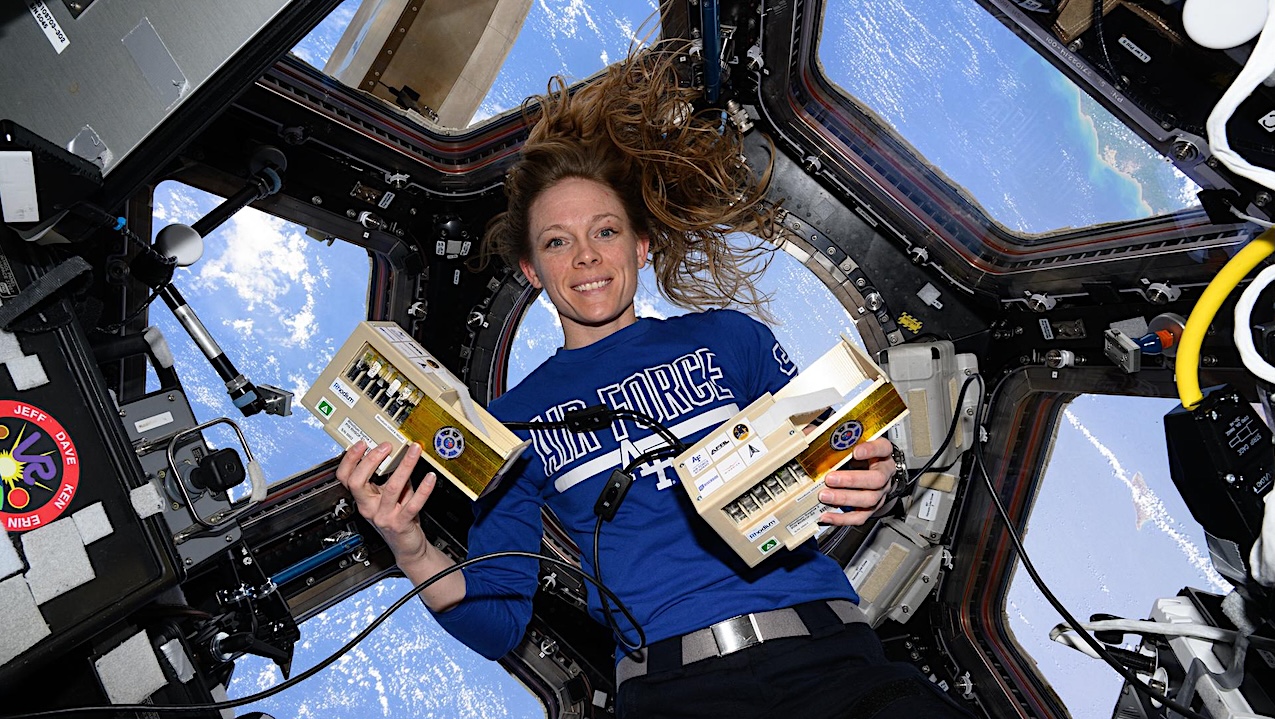
NASA astronaut Nichole Ayers is pictured inside the cupola with space botany hardware that supports the LEO Integrated Flori-culture Experiment (LIFE) 01 (Rhodium Plant LIFE) investigation. Rhodium Plant LIFE studies

NASA astronaut Nichole Ayers is pictured inside the cupola with space botany hardware that supports the LEO Integrated Flori-culture Experiment (LIFE) 01 (Rhodium Plant LIFE) investigation. Rhodium Plant LIFE studies
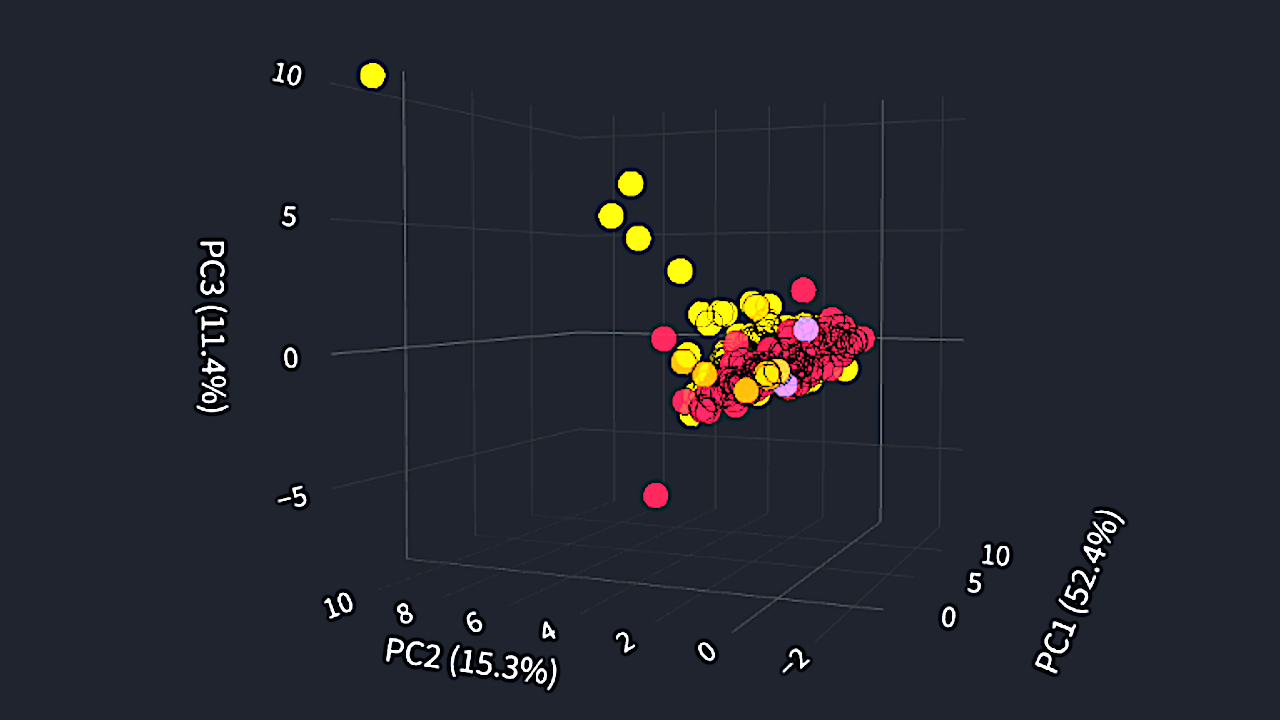
Three-dimensional PCA visualization of 517 exoplanets colored by habitability classification. PC1 (52.4% variance) captures stellar-planetary size coupling, PC2 (15.3% variance) reflects planetary composition gradients, and PC3 (9.4% variance) represents stellar
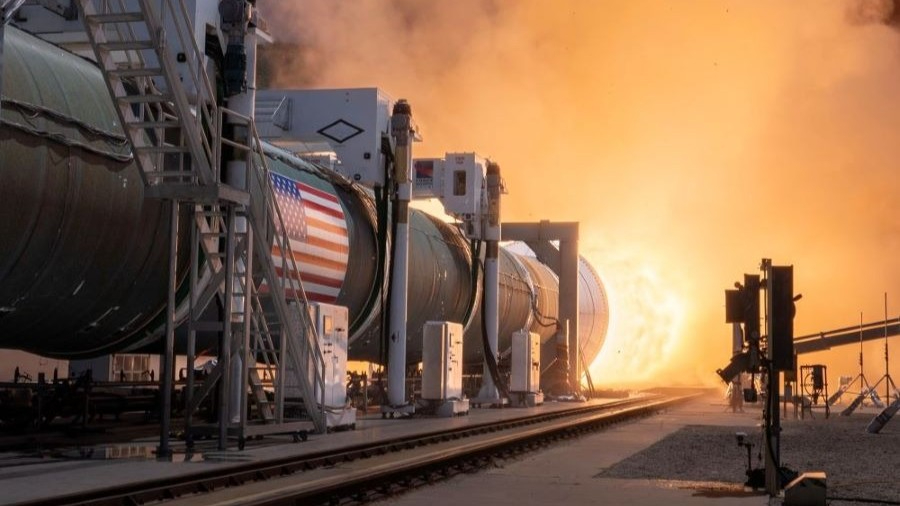
An upgraded version of one of the solid rocket boosters being used for NASA’s Space Launch System (SLS) experienced an anomaly during a test June 26. The Demonstration Motor-1 (DM-1)
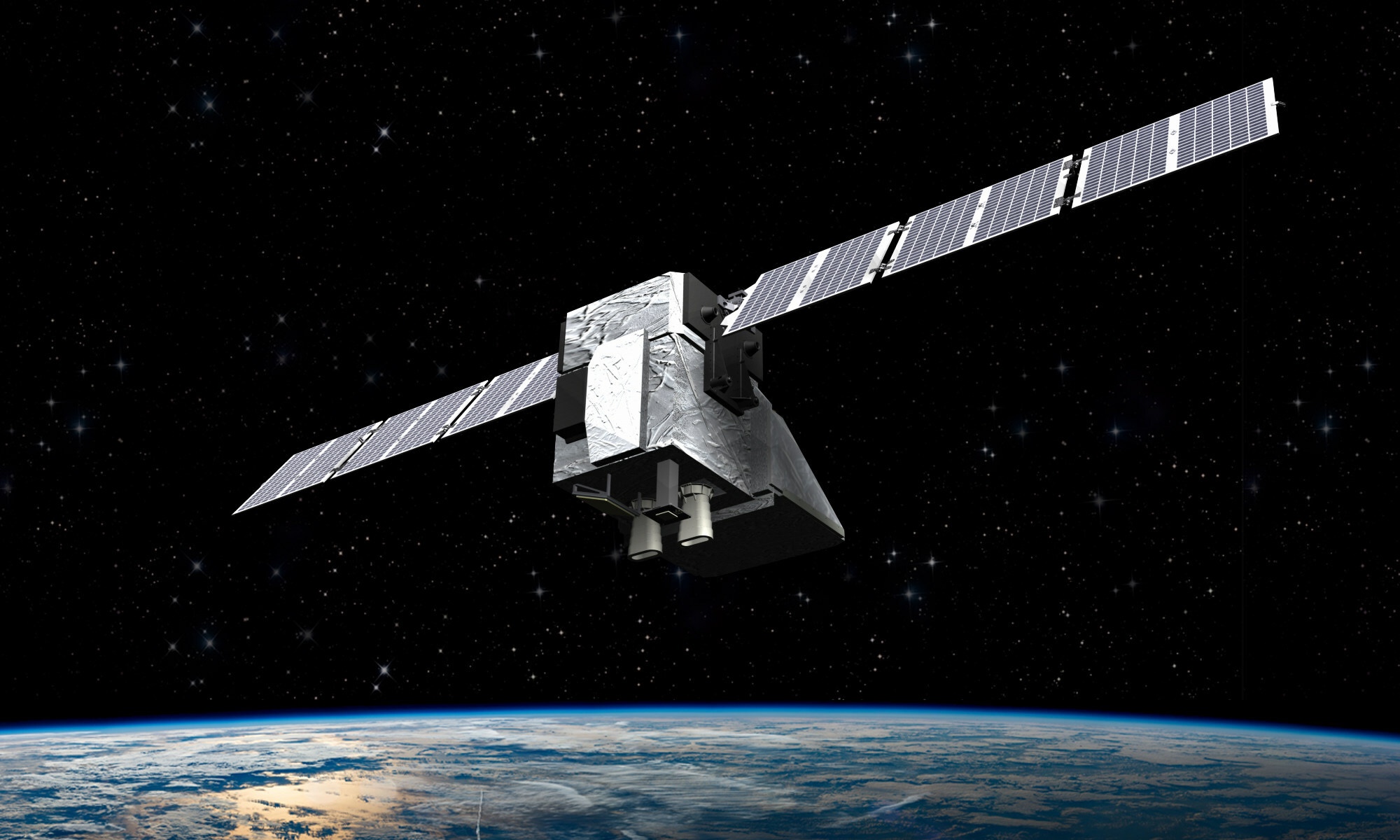
WASHINGTON — A privately funded satellite designed to measure methane emissions has failed after only a little more than a year in orbit. To continue reading this article: Register now
Enabling & Support 07/07/2025 400 views 5 likes What is the European Launcher Challenge? The European Launcher Challenge is part of ESA’s preparation for future European space transportation services, promoting
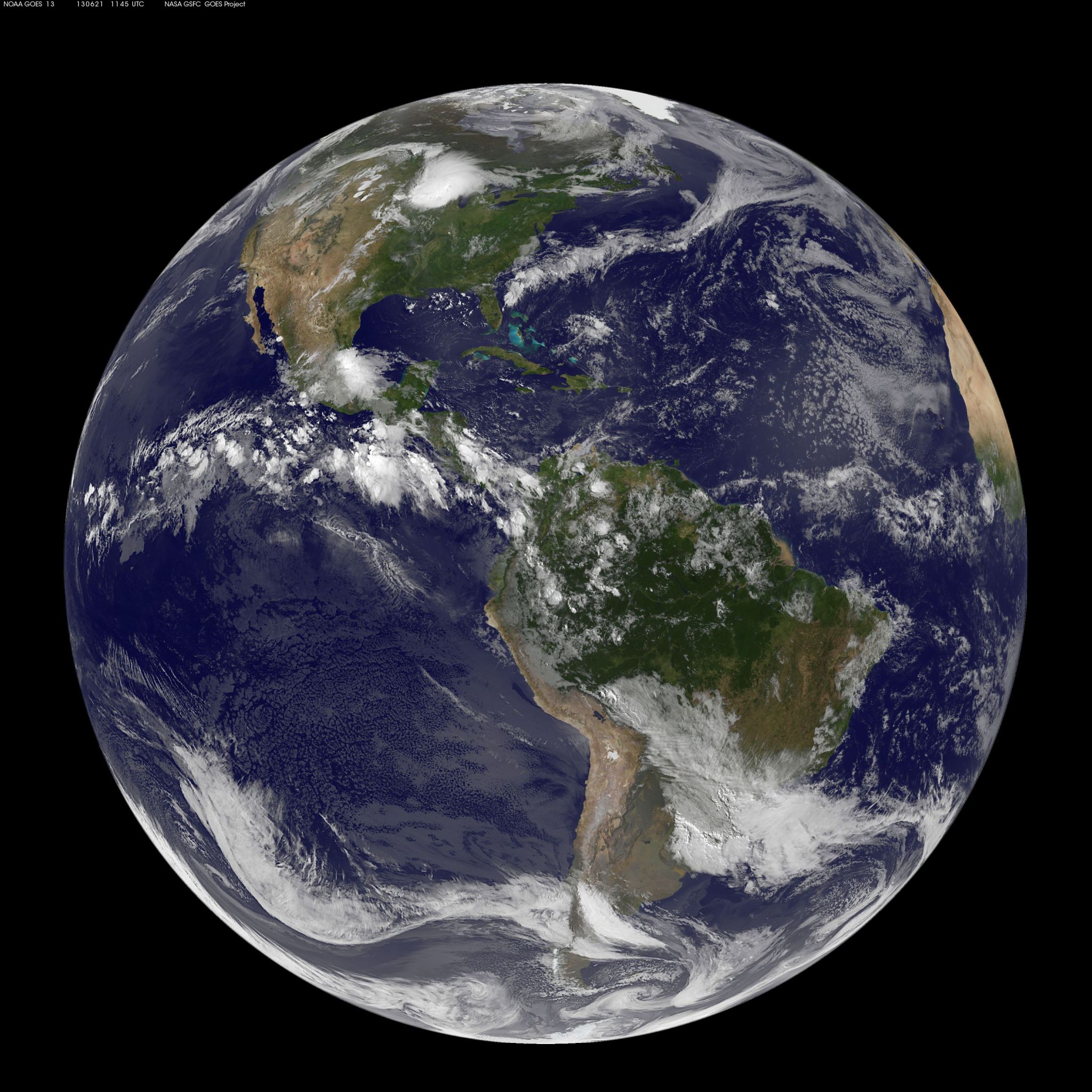
This full-disk image from NOAA’s GOES-13 satellite shows the Americas at the start of astronomical summer in the Northern Hemisphere on June 21, 2012. NASA This full-disk image from NOAA’s
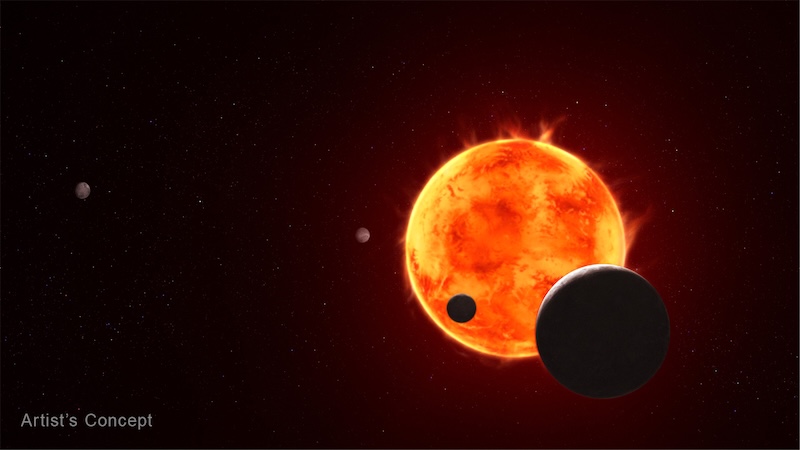
View larger. | Artist’s concept of exoplanet TRAPPIST-1e (lower right), with 3 more of the 7 planets nearby. The 1st results from observations by the James Webb Space Telescope show
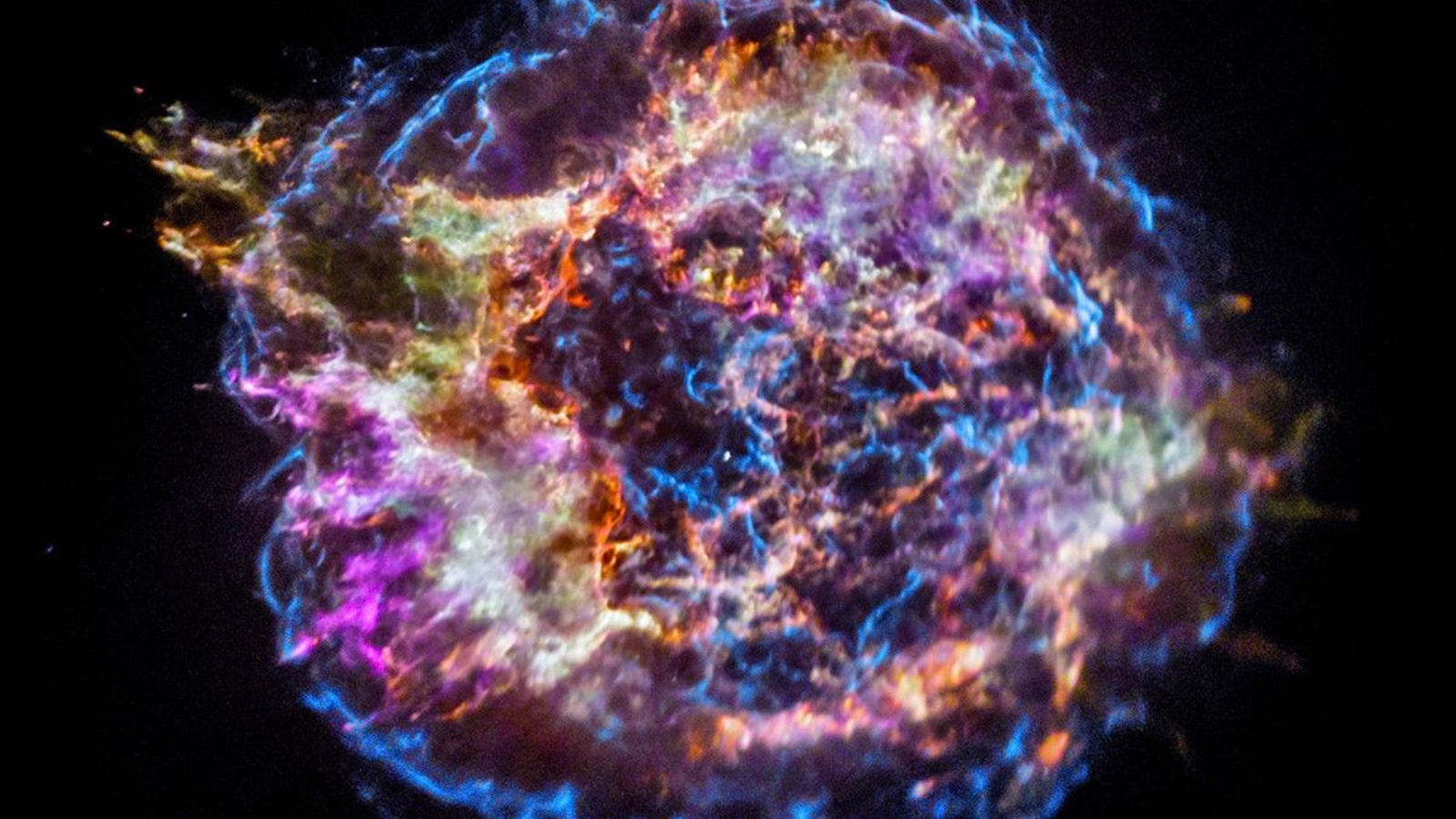
New research suggests that the explosive death throes of massive stars, known as supernovas, may have had dramatic effects on our planet’s climate over its distant history. Investigating historic incidents
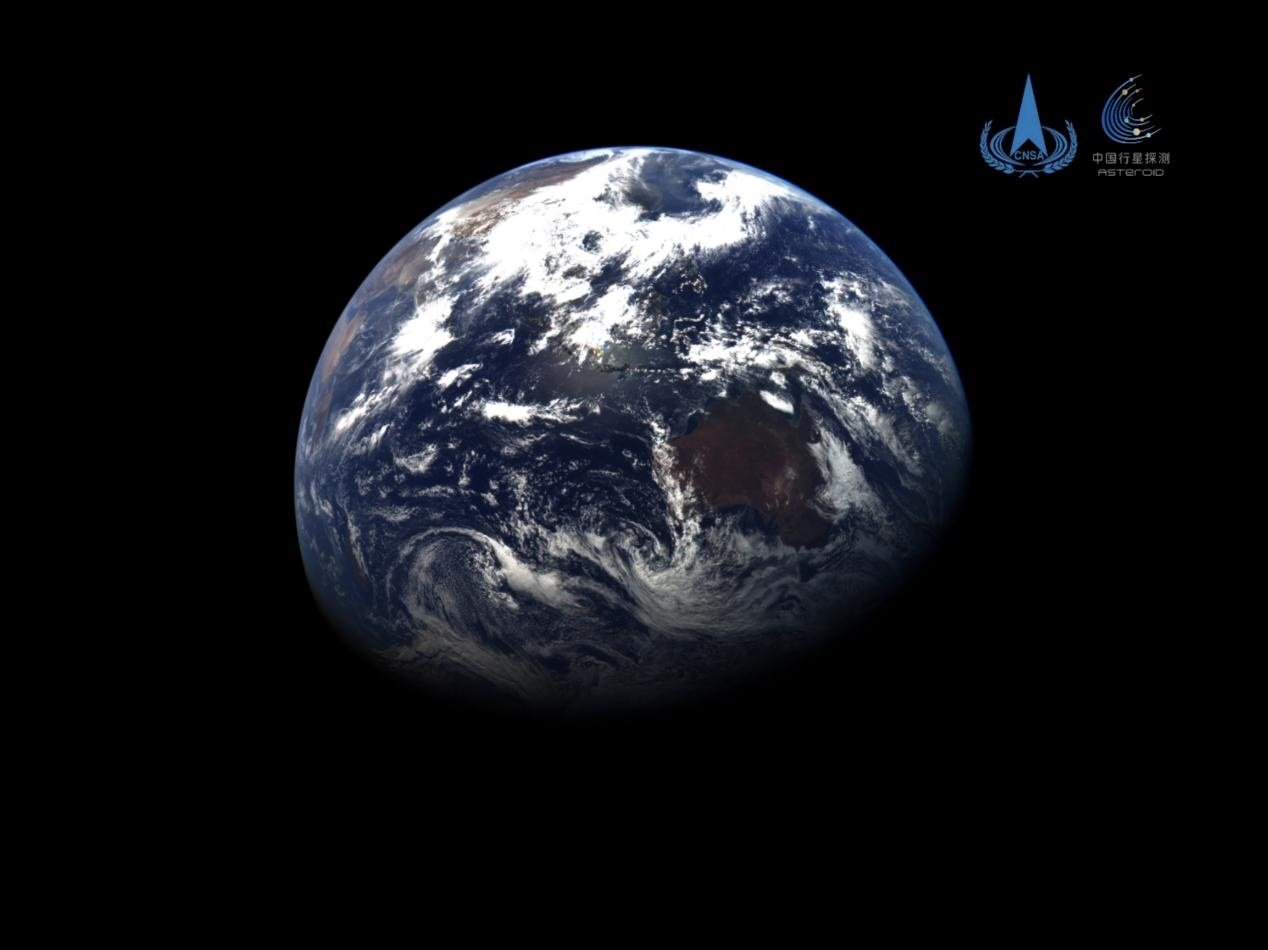
China’s asteroid probe turned its cameras back towards the Earth and Moon, capturing an image of our home planet on May 30, 2025. The image was taken when the spacecraft
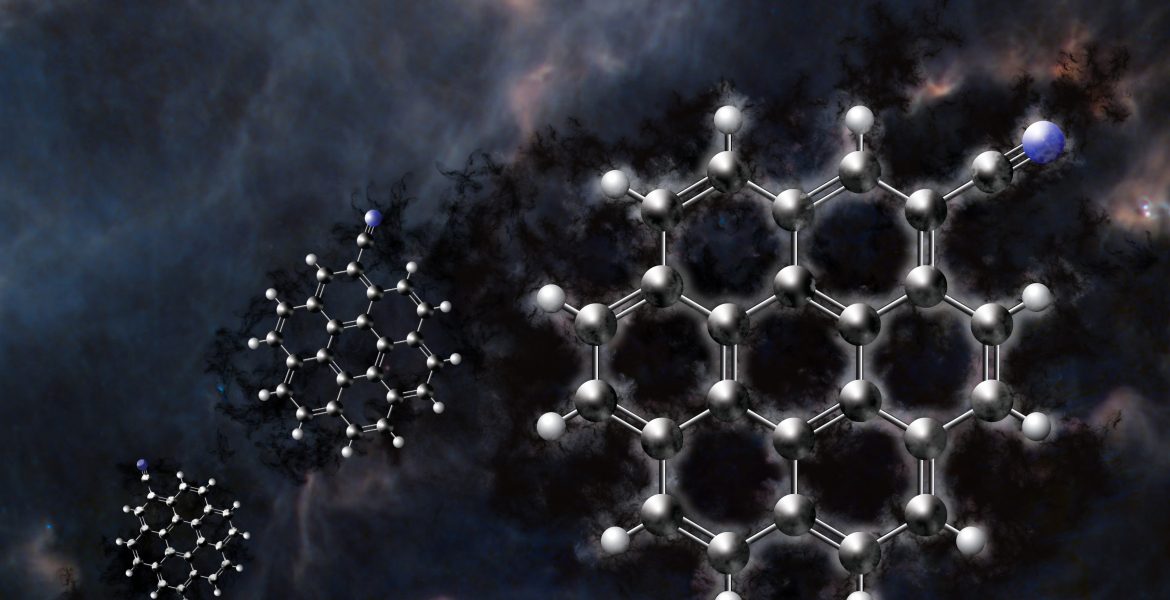
Scientists are claiming a “cosmic chemistry breakthrough” following the discovery of a large “aromatic” molecule in deep space. The discovery suggests that these molecules could help seed planetary systems with