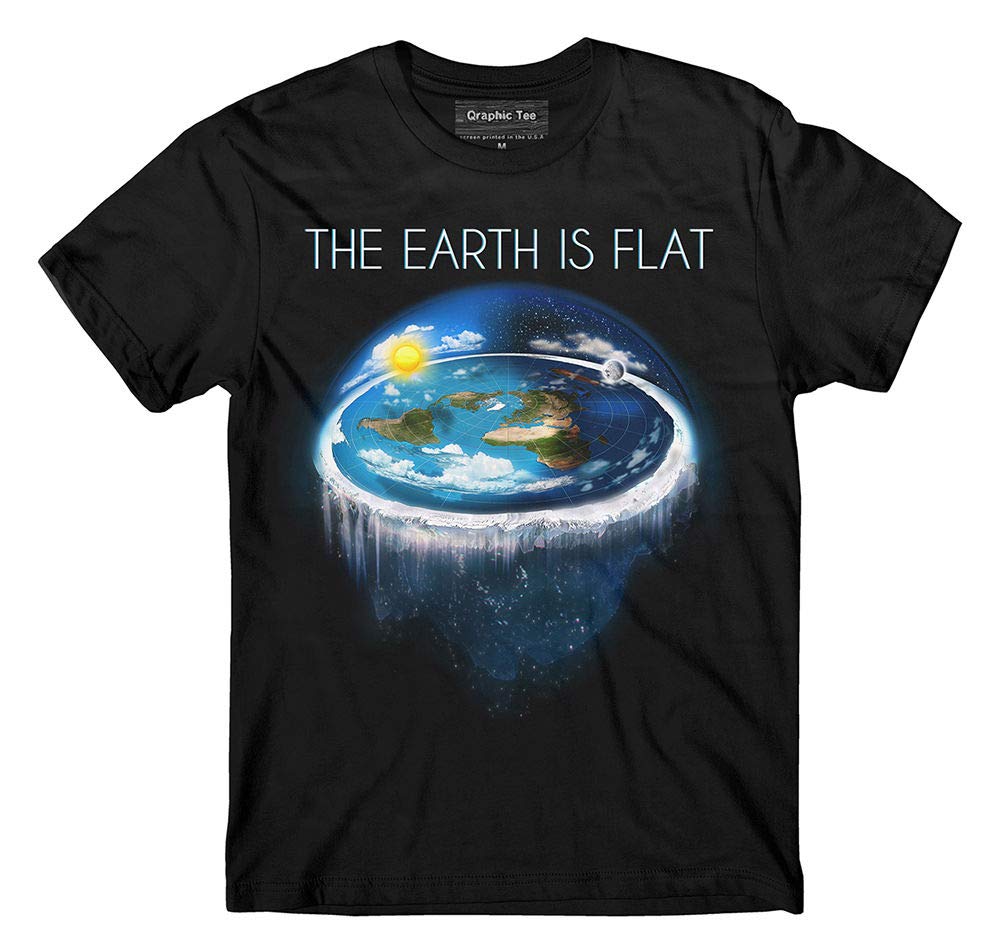
Flat Earth T-Shirt: Embrace the Cosmic Debate! Greetings, fellow seekers of truth! Have you ever gazed up at the vast expanse of the sky and pondered the mysteries of our

Flat Earth T-Shirt: Embrace the Cosmic Debate! Greetings, fellow seekers of truth! Have you ever gazed up at the vast expanse of the sky and pondered the mysteries of our
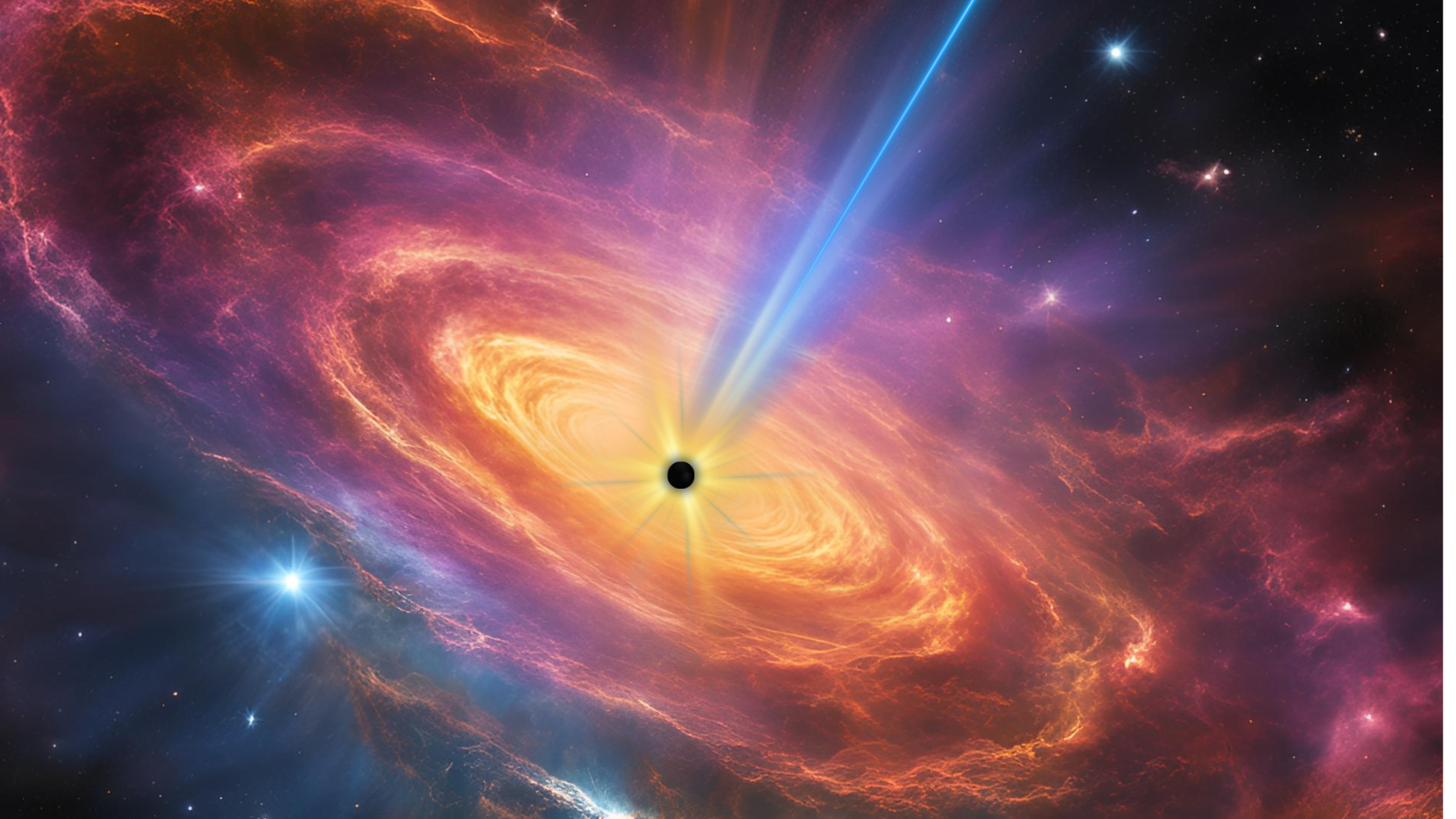
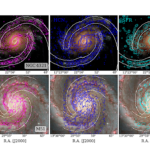
Astronomers have discovered a staggering clutch of 15 new Giant Radio Galaxies within the “Sculptor Field” view of Australia’s Square Kilometer Array Pathfinder (ASKAP) telescope. This is a big deal
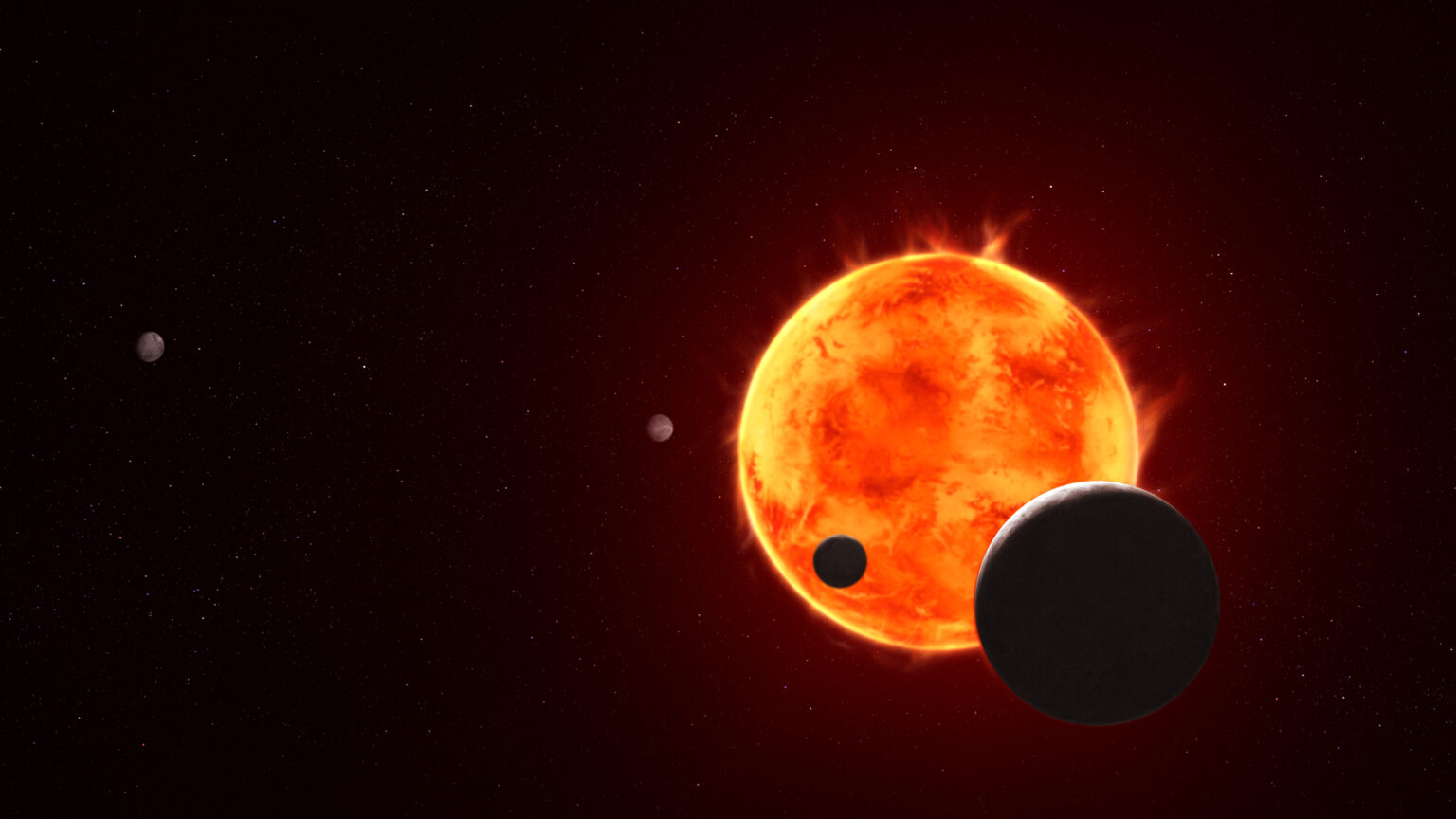
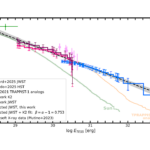
An artist’s impression of the Earth-size exoplanet TRAPPIST-1e, depicted at the lower right, is silhouetted as it passes in front of its host star. Scientists call this event a transit.

Amazon’s second fleet of internet satellites now has a target launch date. The stack of 27 satellites, part of Amazon’s Project Kuiper constellation, is scheduled to launch on a United
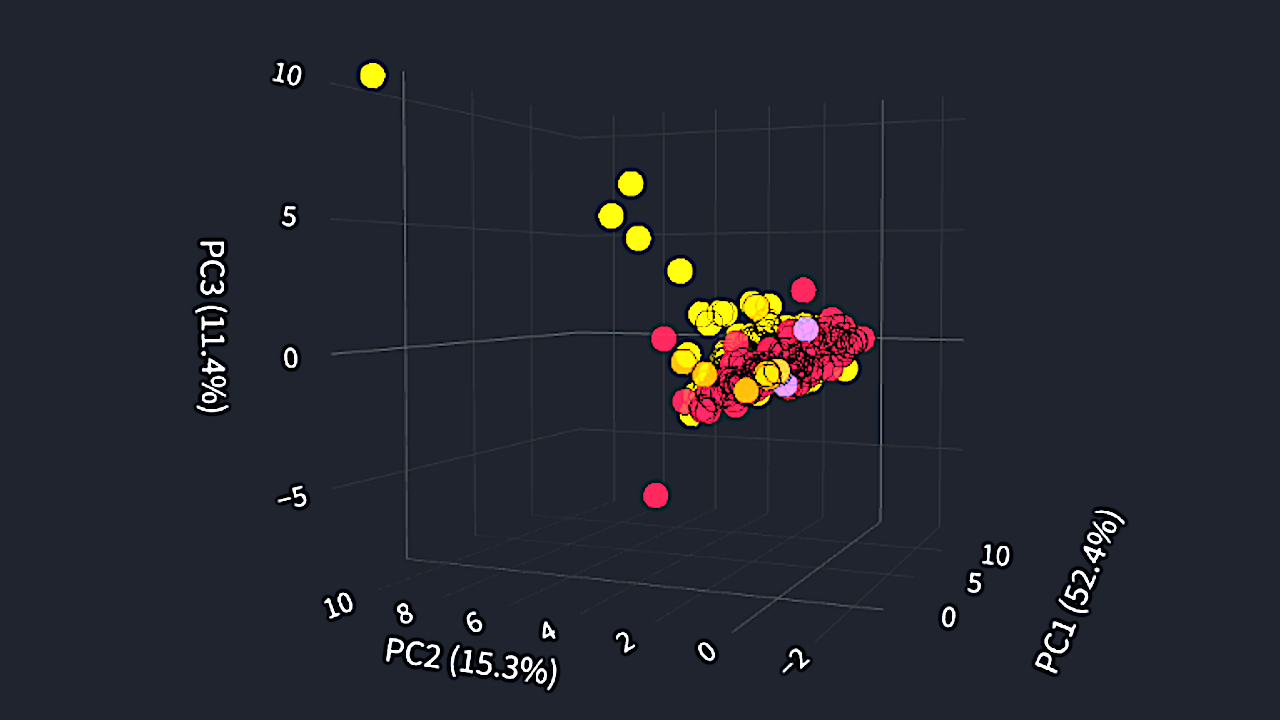
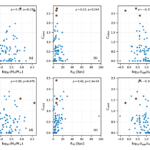
Three-dimensional PCA visualization of 517 exoplanets colored by habitability classification. PC1 (52.4% variance) captures stellar-planetary size coupling, PC2 (15.3% variance) reflects planetary composition gradients, and PC3 (9.4% variance) represents stellar
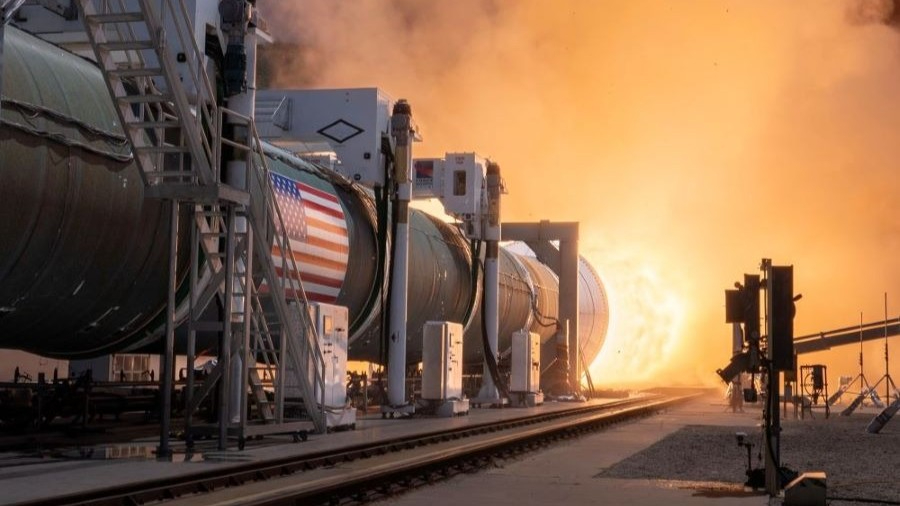
An upgraded version of one of the solid rocket boosters being used for NASA’s Space Launch System (SLS) experienced an anomaly during a test June 26. The Demonstration Motor-1 (DM-1)
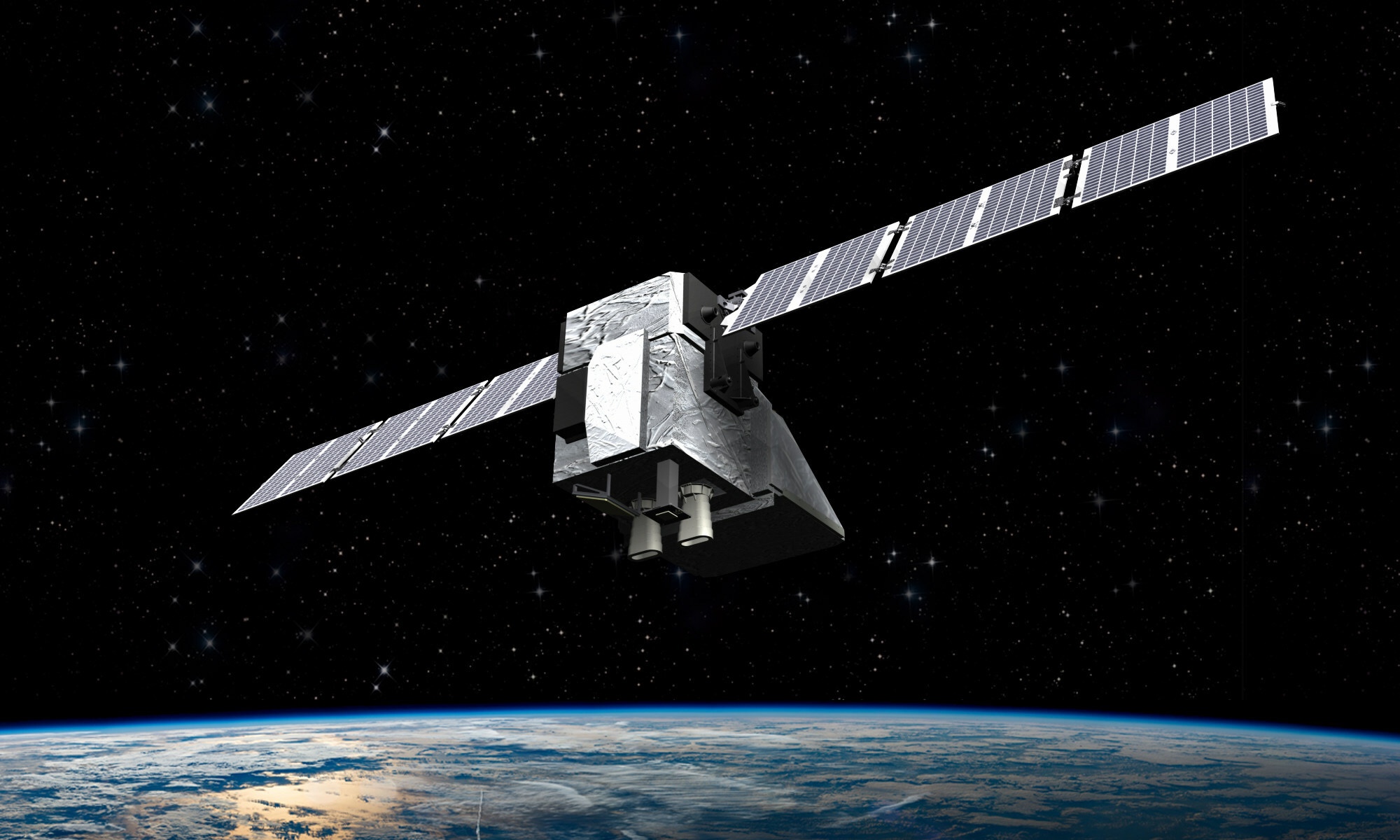
WASHINGTON — A privately funded satellite designed to measure methane emissions has failed after only a little more than a year in orbit. To continue reading this article: Register now
Enabling & Support 07/07/2025 400 views 5 likes What is the European Launcher Challenge? The European Launcher Challenge is part of ESA’s preparation for future European space transportation services, promoting
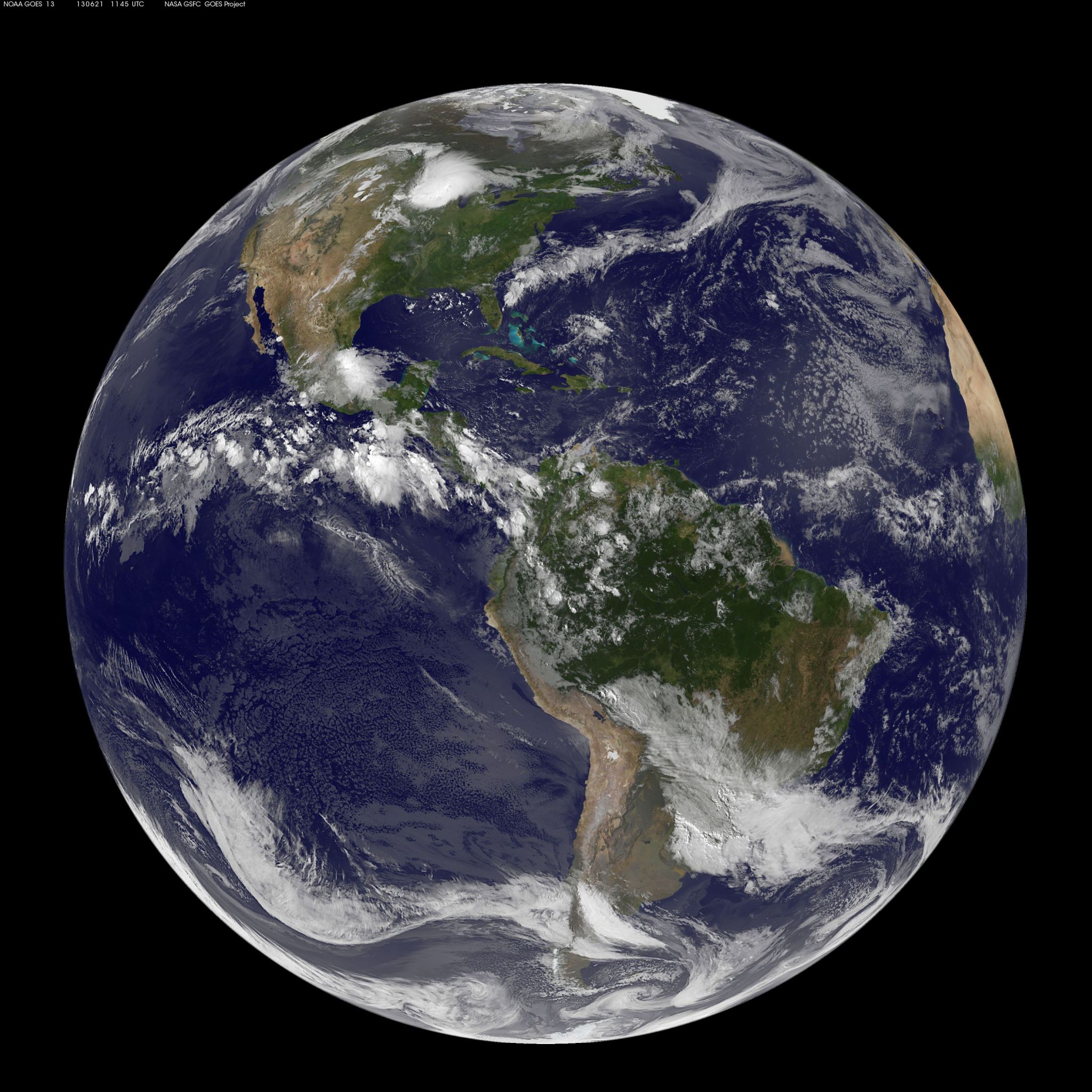
This full-disk image from NOAA’s GOES-13 satellite shows the Americas at the start of astronomical summer in the Northern Hemisphere on June 21, 2012. NASA This full-disk image from NOAA’s
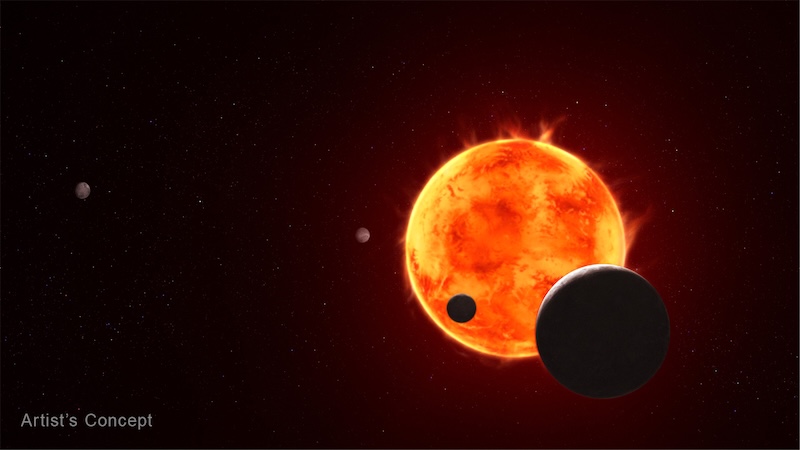
View larger. | Artist’s concept of exoplanet TRAPPIST-1e (lower right), with 3 more of the 7 planets nearby. The 1st results from observations by the James Webb Space Telescope show