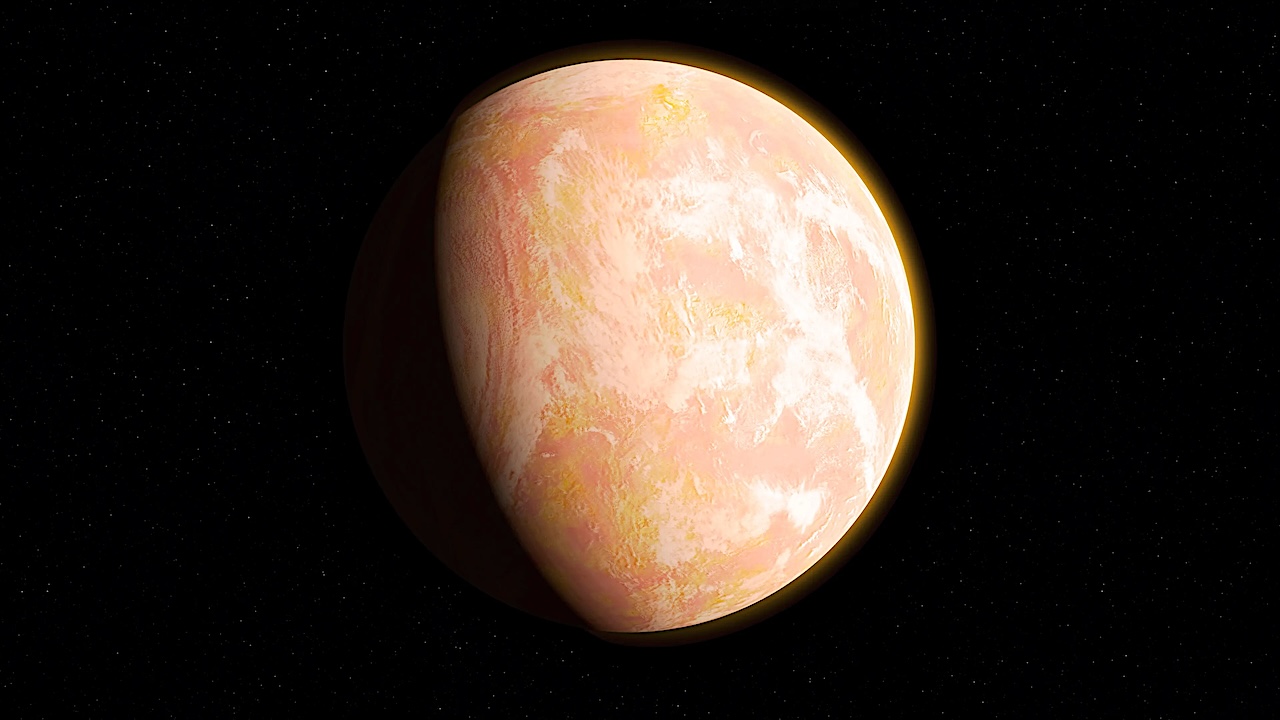
Archean Earth. Credit: NASA’s Goddard Space Flight Center/Francis Reddy The Eoarchean quartz-pyroxene rock from Akilia Island in Greenland has been proposed as one of Earth’s oldest banded iron formations (BIF)

Archean Earth. Credit: NASA’s Goddard Space Flight Center/Francis Reddy The Eoarchean quartz-pyroxene rock from Akilia Island in Greenland has been proposed as one of Earth’s oldest banded iron formations (BIF)
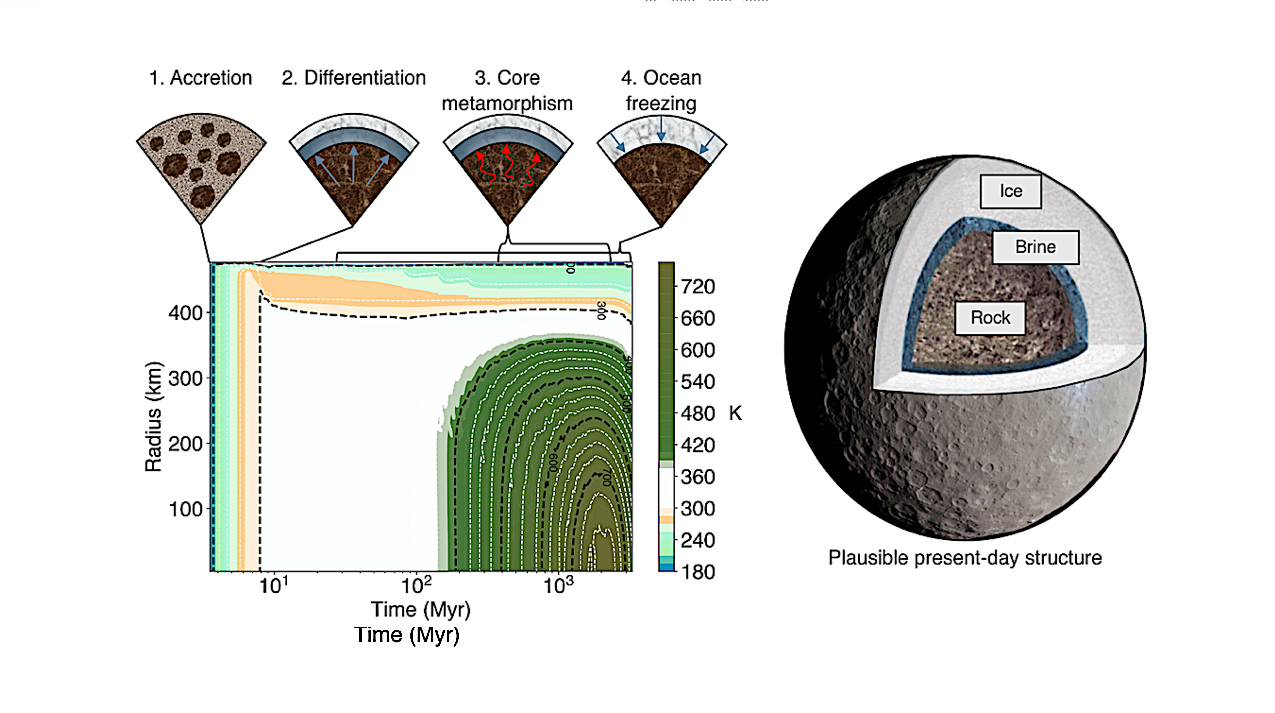
Ceres’s temperature evolution drives major interior events. – Depending on the extent of internal heating, a mid-sized (~500- to 1000-km radius) icy body such as Ceres may undergo differentiation and

Praise the Emperor, because Dawn of War 4 has just been announced at Gamescom. For many 40K fans (including us), the original Dawn of War sits atop the list of
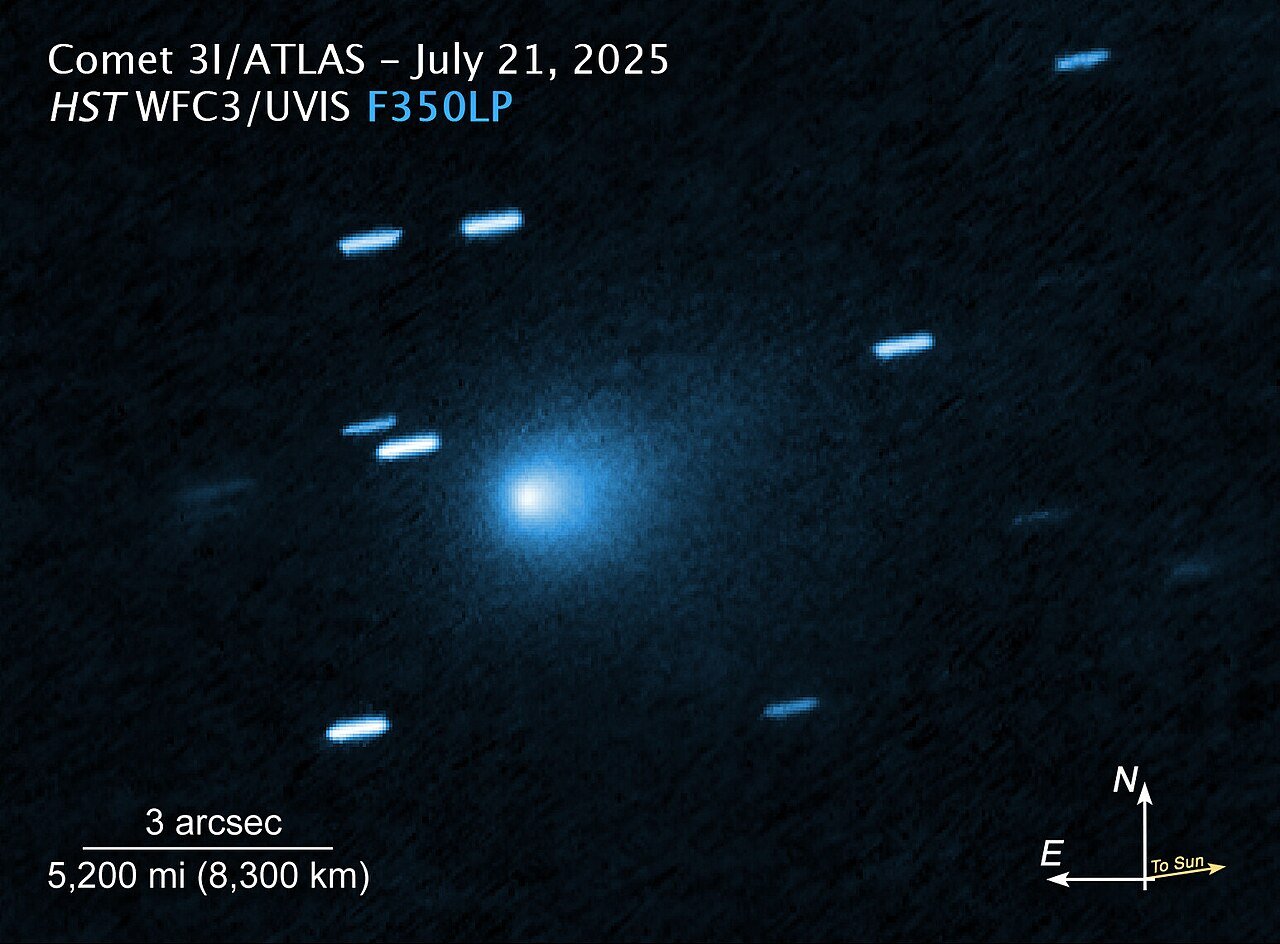
A new development study from the Southwestern Research Institute outlines a possible mission that could rendezvous with and explore the interstellar comet 3I/ATLAS.

In a recent media briefing, European Space Agency (ESA) Director General Josef Aschbacher and ESA Council Chair Renato Krpoun addressed journalists regarding significant resolutions made during the ESA Council meeting,
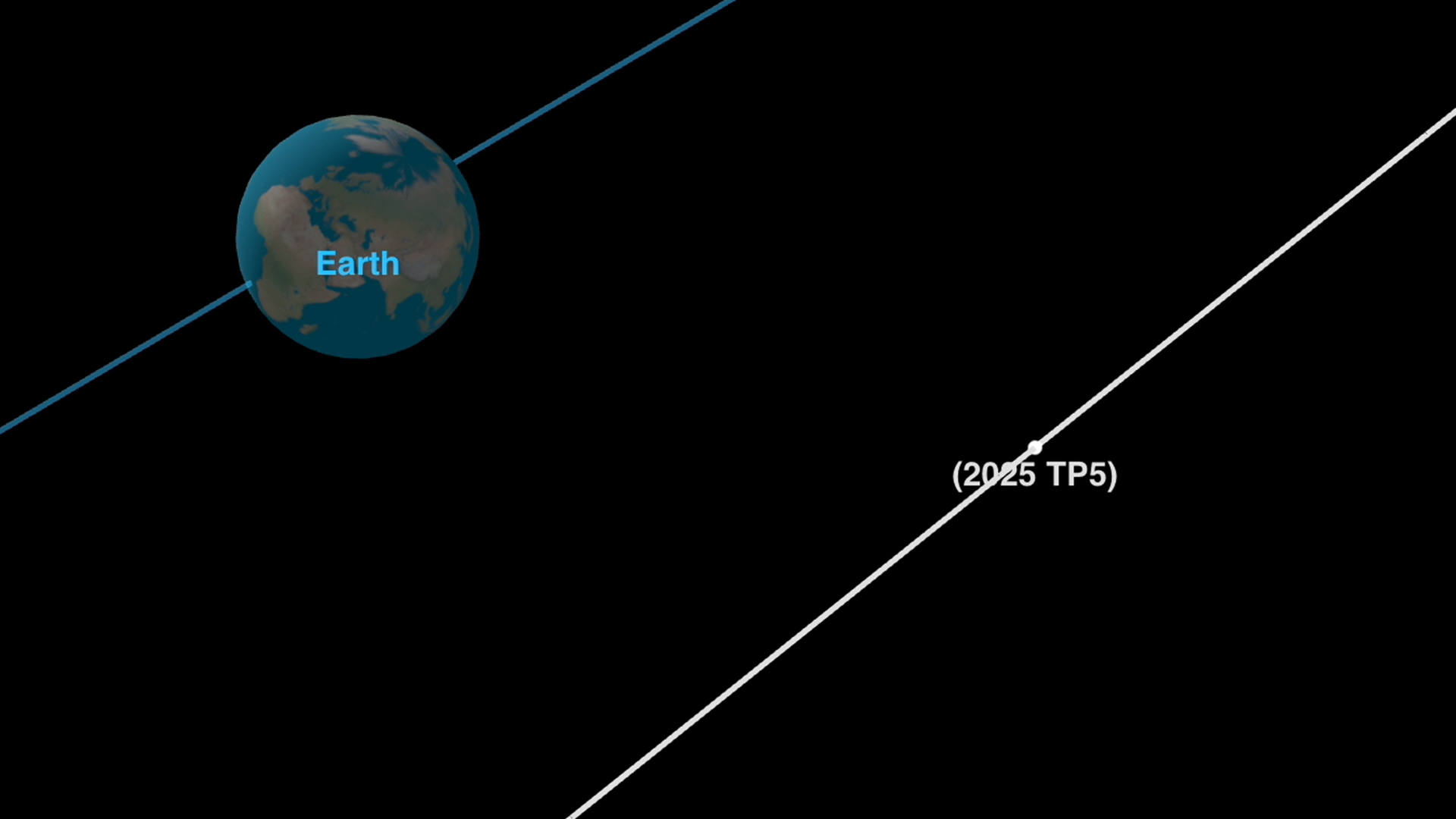
A newly discovered space rock will zoom safely by Earth later today (Oct. 15) at only about a quarter of the average distance to the moon. The asteroid, called 2025

Keith Cowing Explorers Club Fellow, ex-NASA Space Station Payload manager/space biologist, Away Teams, Journalist, Lapsed climber, Synaesthete, Na’Vi-Jedi-Freman-Buddhist-mix, ASL, Devon Island and Everest Base Camp veteran, (he/him) 🖖🏻 Follow on
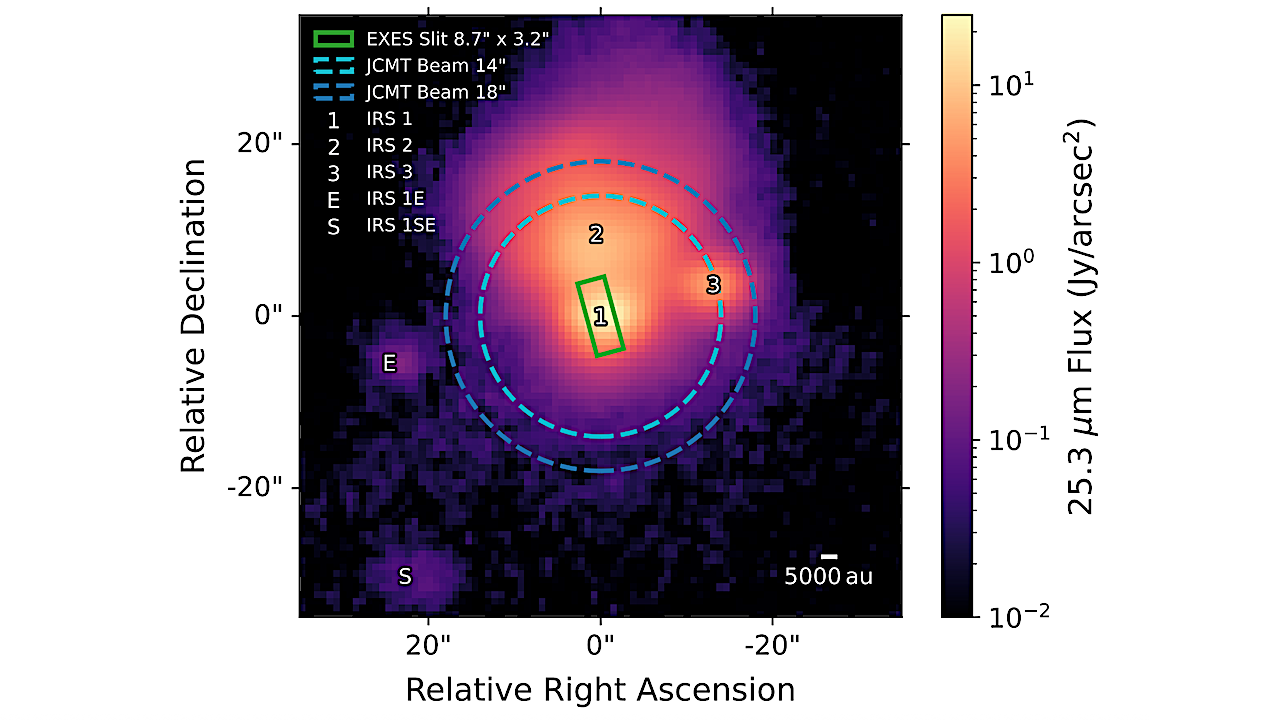
25.3 µm map of the NGC 7538 region from SOFIA/Faint Object infraRed Camera (FORCAST; Herter et al. 2013) archival data (Cycle 1 Program 0034, PI A. G. G. M. Tielens).
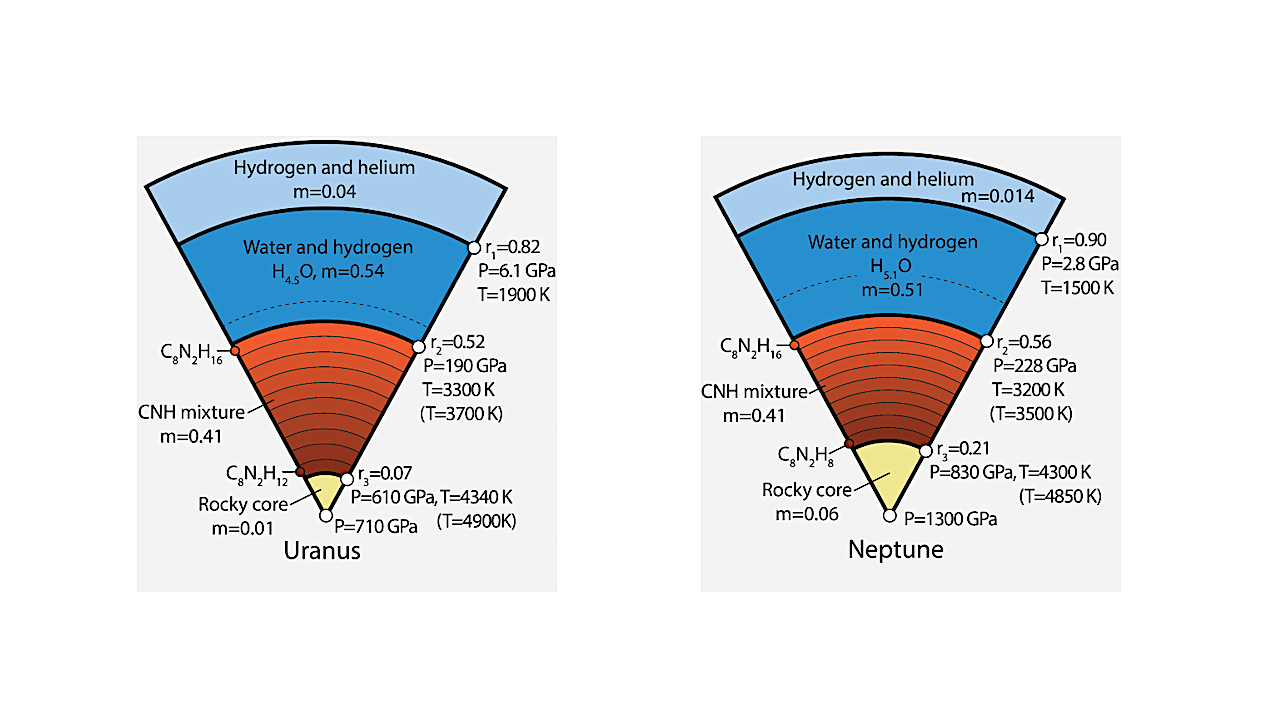
Two representative interior models for Uranus and Neptune with four layers: 1) hydrogen and helium, 2) H2O and hydrogen, 3) carbon-nitrogen-hydrogen mixture and 4) the rocky core composed of iron
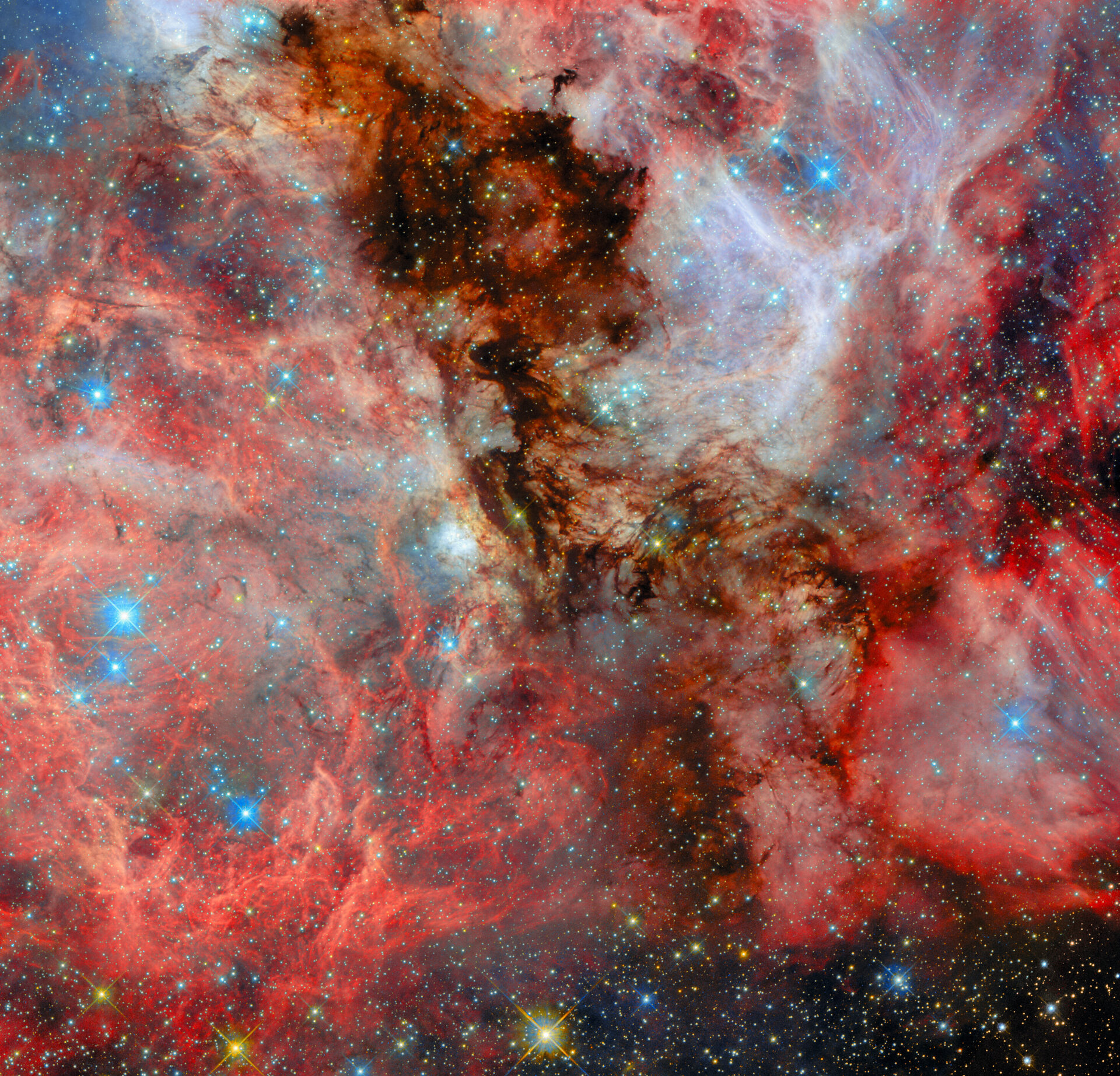
The European Space Agency’s Hubble Space Telescope has captured a stunning new image of a star-forming region located within the N159 complex, part of the Large Magellanic Cloud, which is