
In a distant galaxy called Makani, particles of dust were warmed by the light of newborn stars before being flung out into space by a massive starburst-driven wind. Over the

Hot Posts452- Page
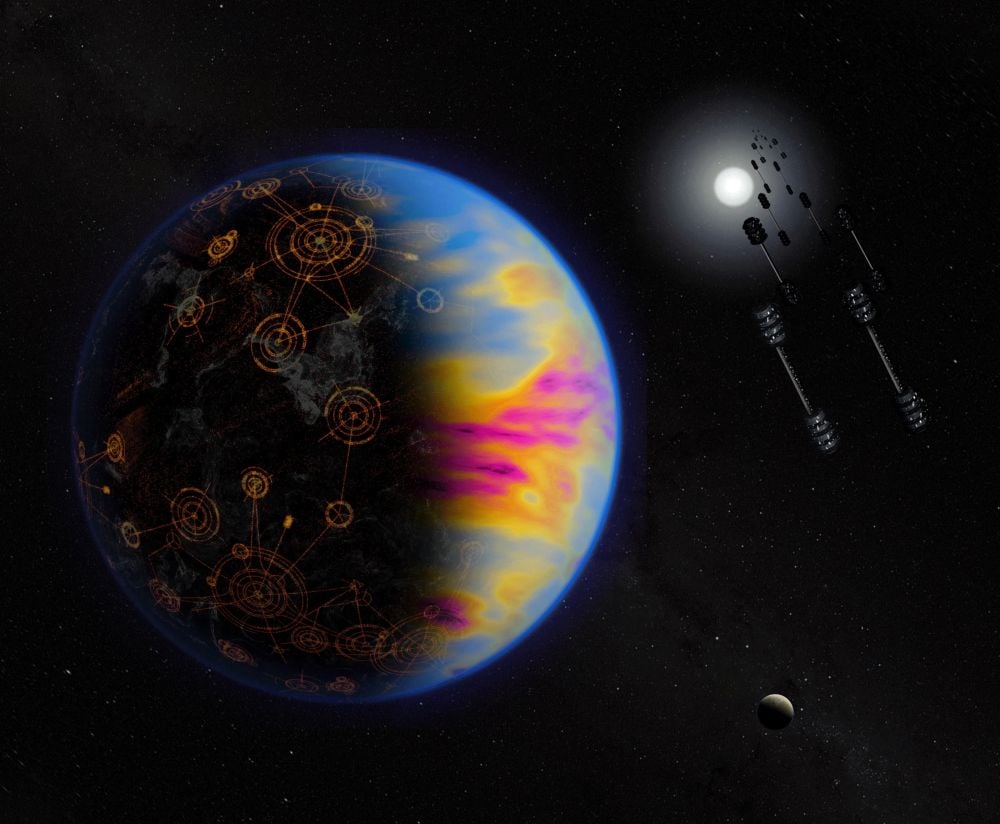
When we gaze up at the night sky, we assume that what we’re seeing is a representative population of similar stars at similar distances. But it’s not. The stars we
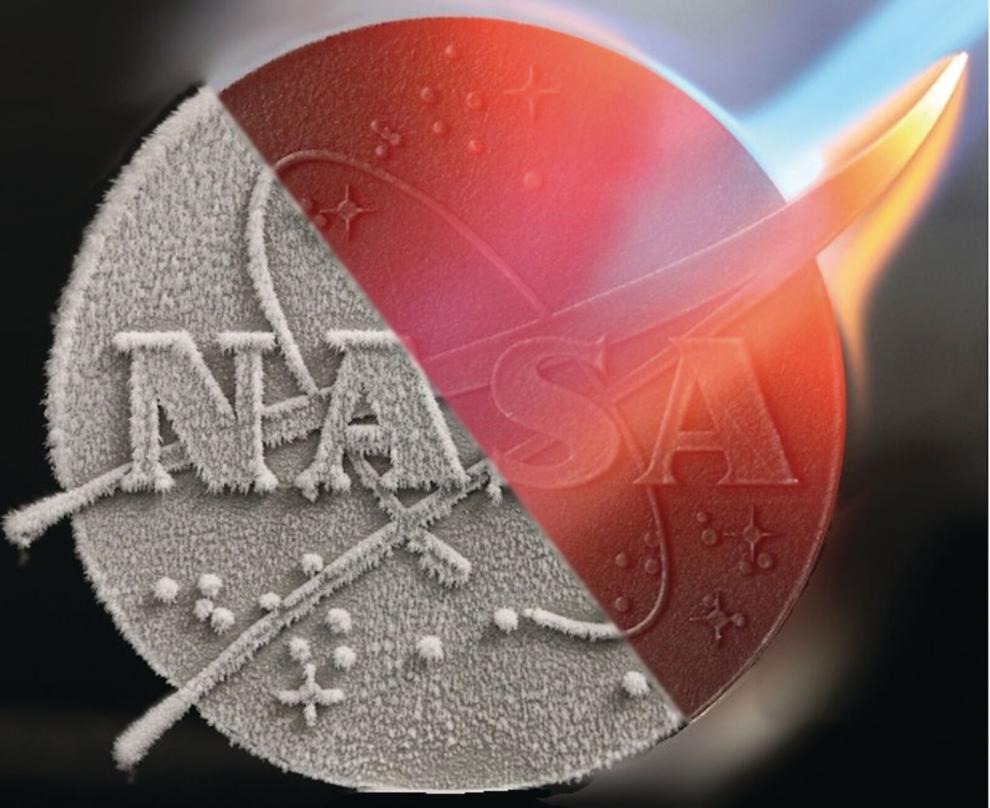
3 min read Preparations for Next Moonwalk Simulations Underway (and Underwater) GRX-810 is a new metal alloy developed by NASA for 3D printing parts that can withstand the extreme temperatures
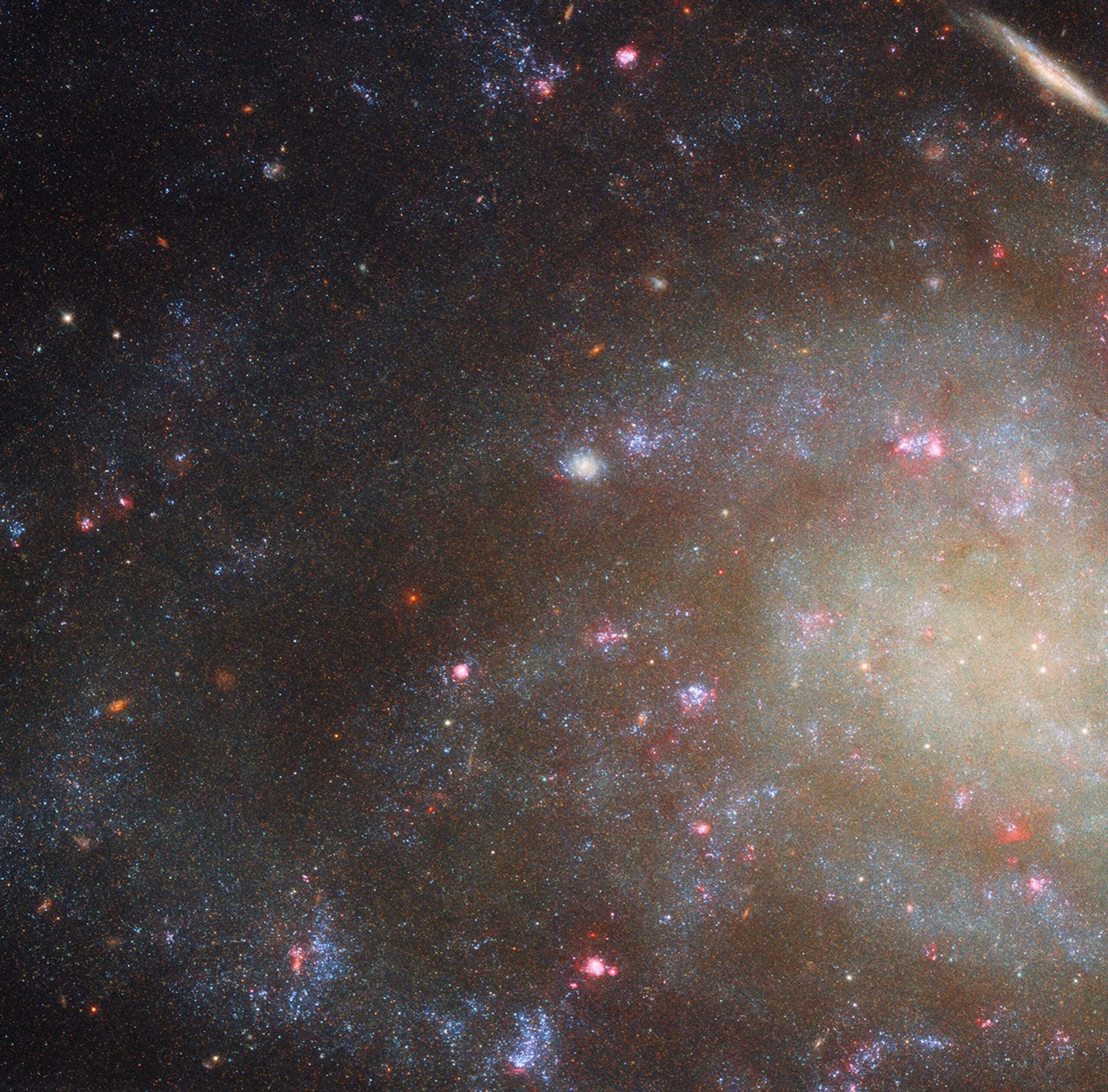
Explore Hubble Hubble Home Overview About Hubble The History of Hubble Hubble Timeline Why Have a Telescope in Space? Hubble by the Numbers At the Museum FAQs Impact & Benefits

NASA Spaceline Current Awareness List — grok via Astrobiology.com SPACELINE Current Awareness Lists are distributed via listserv and are available on the NASA Task Book website at https://taskbook.nasaprs.com/tbp/spaceline.cfm. Please send any correspondence
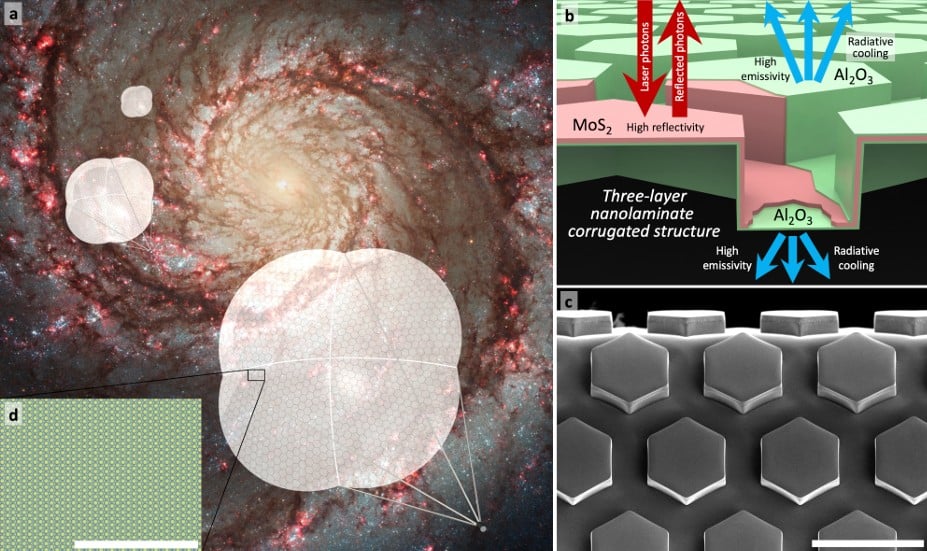
Any material used as a light sail is bound by very restrictive physical requirements. It has to be extremely light , can’t melt from the energy applied to it, and
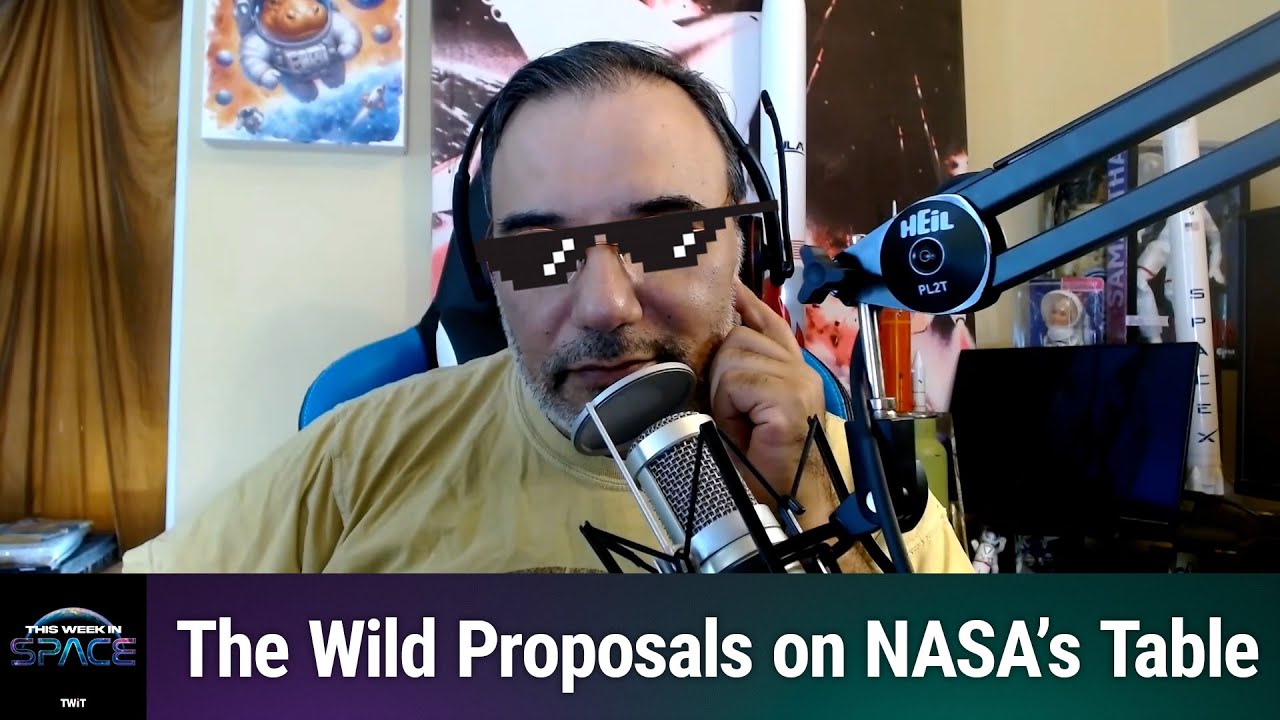
The Return of the Malik – The Wild Proposals on NASA’s Table – YouTube Watch On On Episode 173 of This Week In Space, Rod Pyle and and Tariq Malik
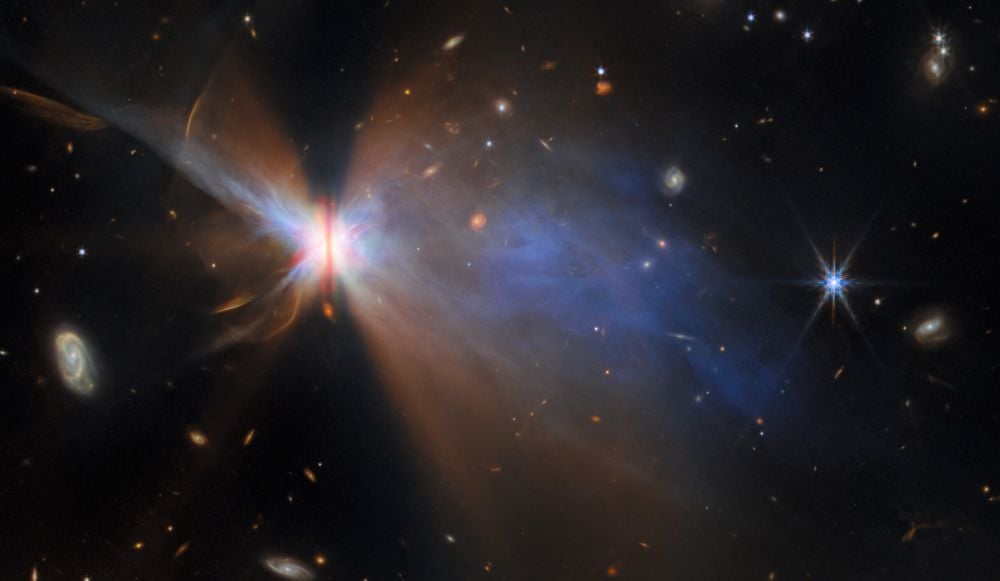
The so-called Butterfly star gets its name from its edge-on appearance. The star’s protoplanetary disk blocks out starlight revealing a nebula, or butterfly wing, on each side. Deeper JWST observations
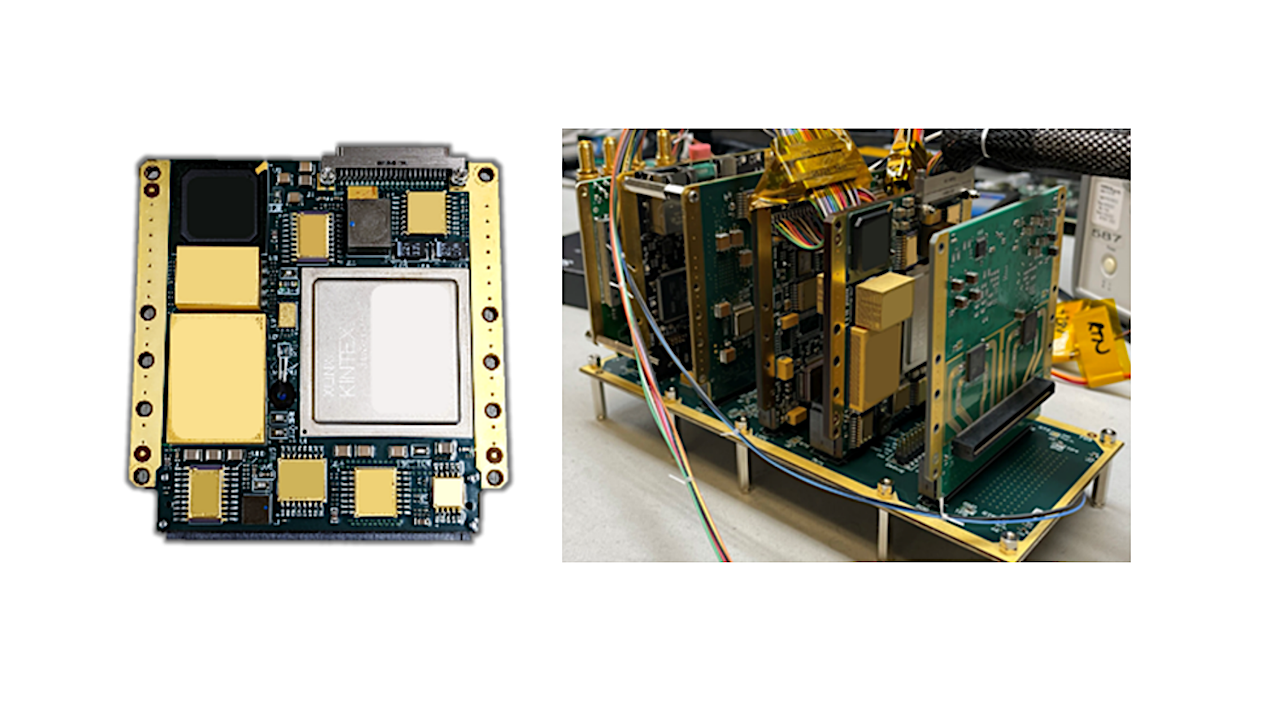
The proposed readout system builds upon high-TRL modular SpaceCube hardware. Left panel: The readout system uses a build-to-print SpaceCube v3.0 Mini FPGA card (primary side pictured) housing a Xilinx Kintex

Size matters when it comes to telescopes. The bigger they are, the farther they can see. Prioritizing constructing large ones is therefore high on the priority list for many observational
Advertisement
Popular Now
-
 01Two Black Holes Observed Circling Each Other for the First Time
 -
 02From Polymerization-Enabled Folding and Assembly to Chemical Evolution: Key Processes for Emergence of Functional Polymers in the Origin of Life
 -
 03Astronomy 101: From the Sun and Moon to Wormholes and Warp Drive, Key Theories, Discoveries, and Facts about the Universe (The Adams 101 Series)
 -
 04True Anomaly hires former York Space executive as chief operating officer
 -
 05Φsat-2 begins science phase for AI Earth images
 -
 06Hurricane forecasters are losing 3 key satellites ahead of peak storm season − a meteorologist explains why it matters
 -
 07Binary star systems are complex astronomical objects − a new AI approach could pin down their properties quickly
Scroll to Top