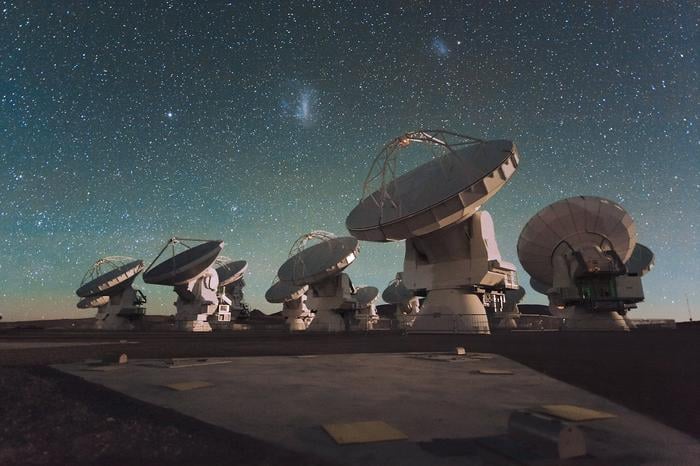
The Atacama Millimeter/Submillimeter Array (ALMA), the world’s most powerful radio telescope, has received 145 new low-noise amplifiers (LNAs) that will increase its range and sensitivity.

The Atacama Millimeter/Submillimeter Array (ALMA), the world’s most powerful radio telescope, has received 145 new low-noise amplifiers (LNAs) that will increase its range and sensitivity.
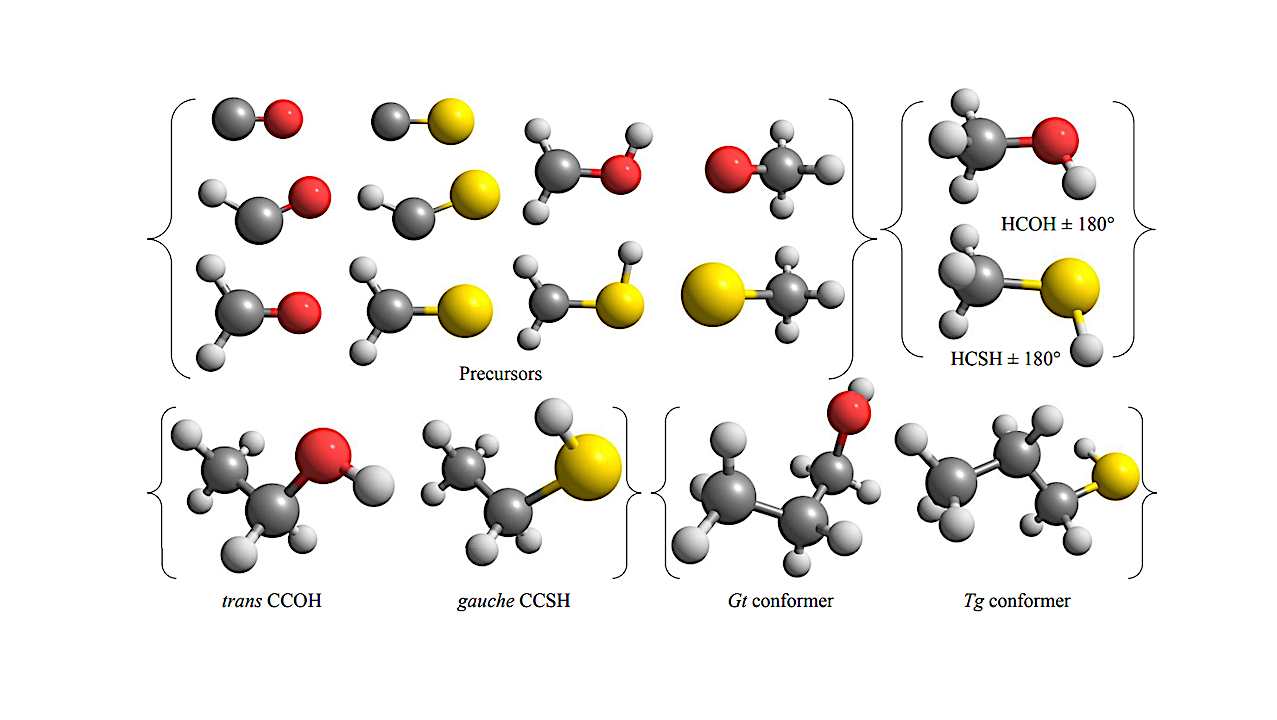
The most stable structures of formaldehyde, thioformaldehyde, and their corresponding radicals as precursors, along with the monohydric alcohols and thiol analogues. — Red, white, grey, and yellow balls represent Oxygen,
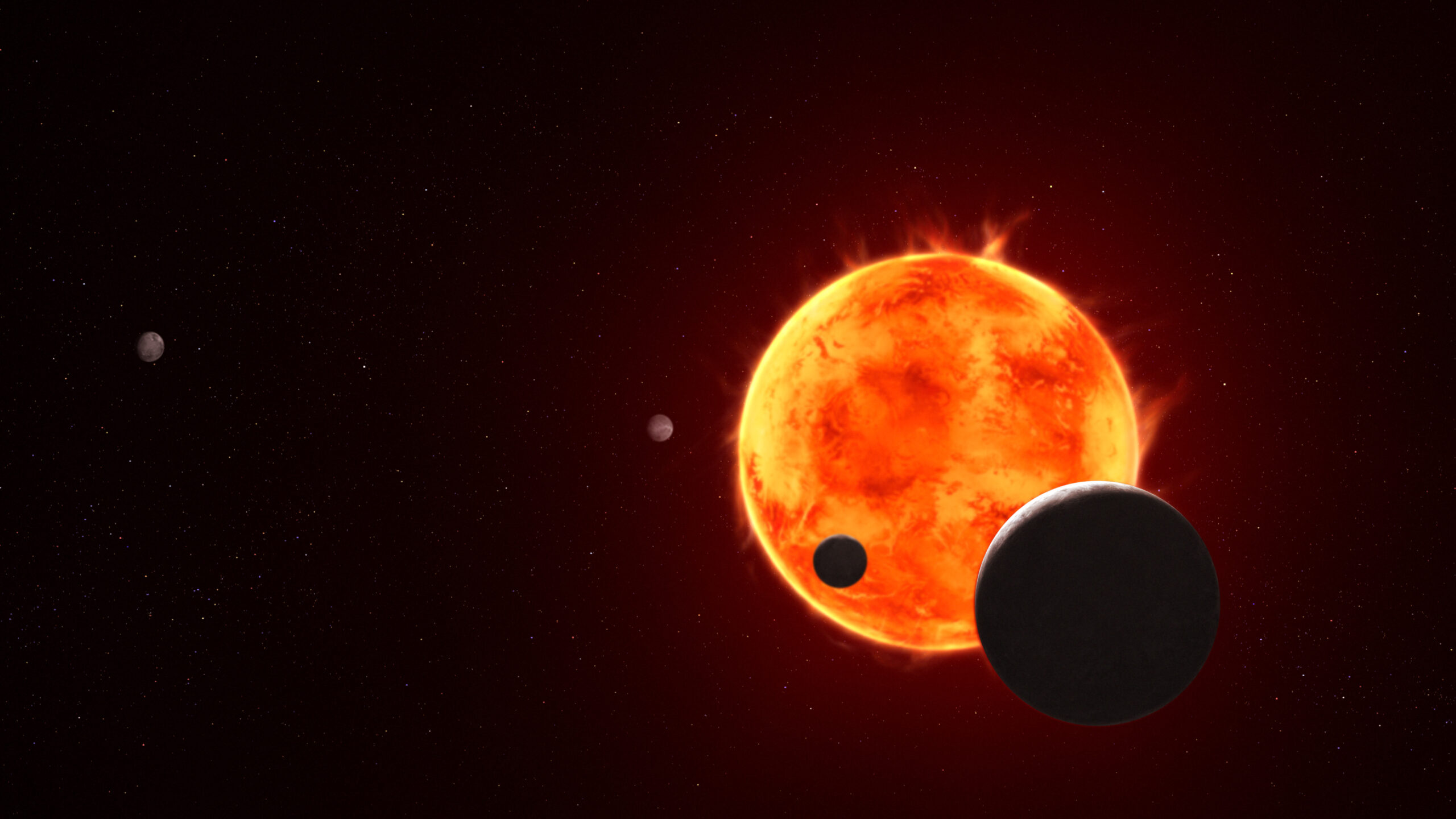
An artist’s impression captures the essence of TRAPPIST-1e, an Earth-sized exoplanet situated approximately 40 light-years away. As the fourth planet in a remarkable system of seven orbiting the ultracool red

For all the macroeconomic uncertainty, the mood among space financiers is strikingly bullish. After a sluggish stretch that left satellite valuations near all-time lows at the end of 2024, investors

In this week’s episode of Space Minds, host David Aireosto speaks with Steve Kitay— former Deputy Assistant Secretary of Defense for Space Policy, former head of Microsoft’s space
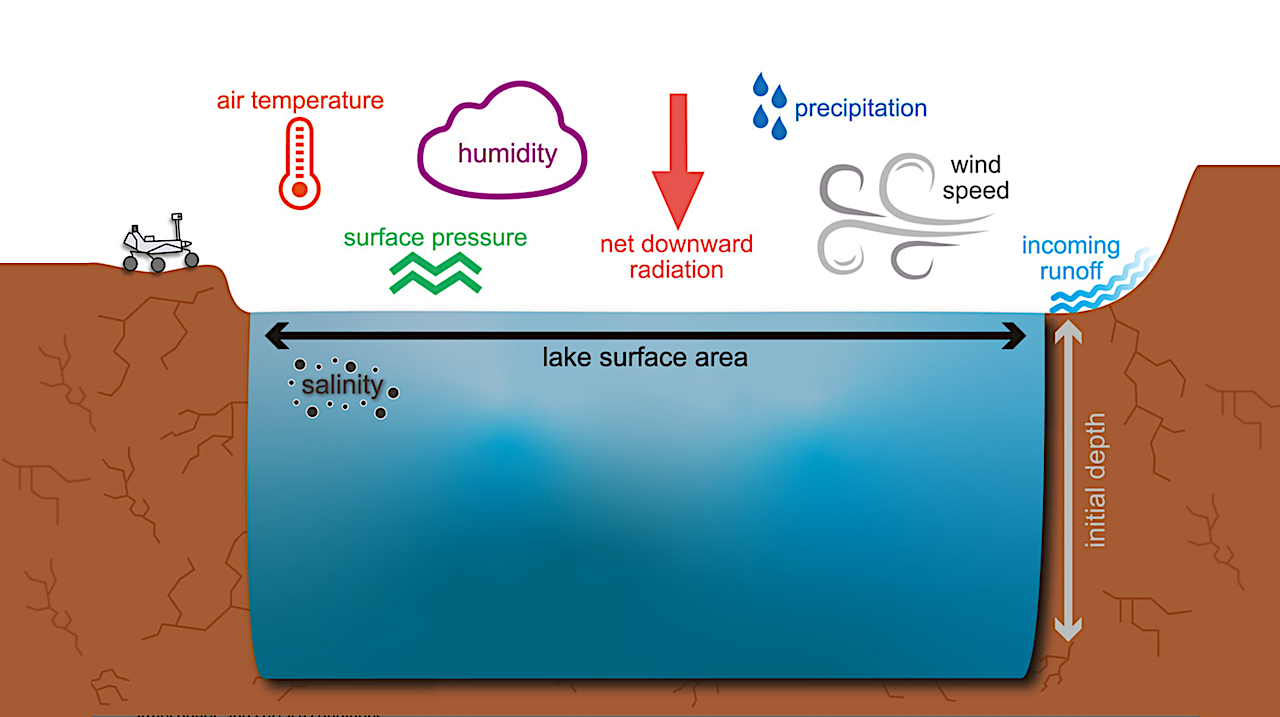
Small lakes on ancient Mars may have remained liquid for decades, even with average air temperatures well below freezing. — Rice University Using a climate model adapted for Martian conditions,
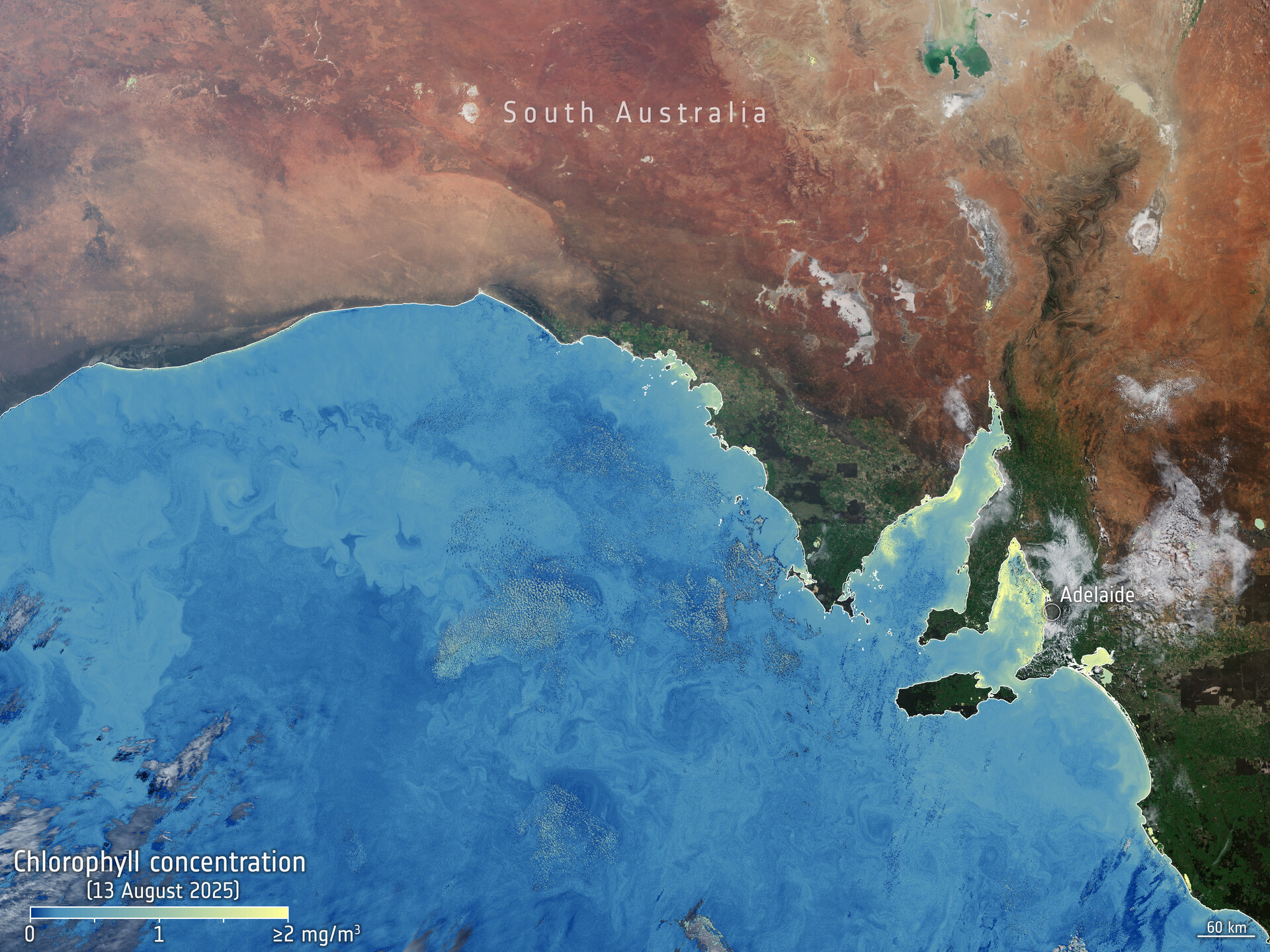
This image acquired by the Copernicus Sentinel-3 mission – by its Ocean and Land Colour Instrument – shows high concentrations of chlorophyll in yellow-green along the coastline of South Australia,
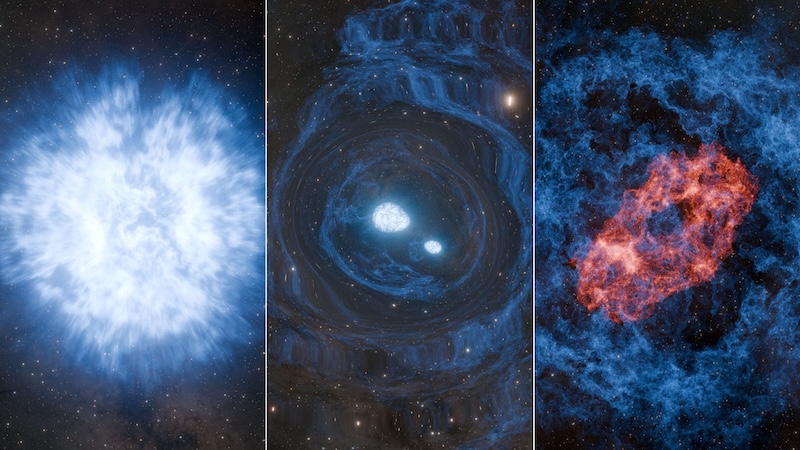
This artist’s animation shows a hypothesized event known as a superkilonova. First, the massive star ends its life in a supernova, generating elements like carbon and iron. In the aftermath,
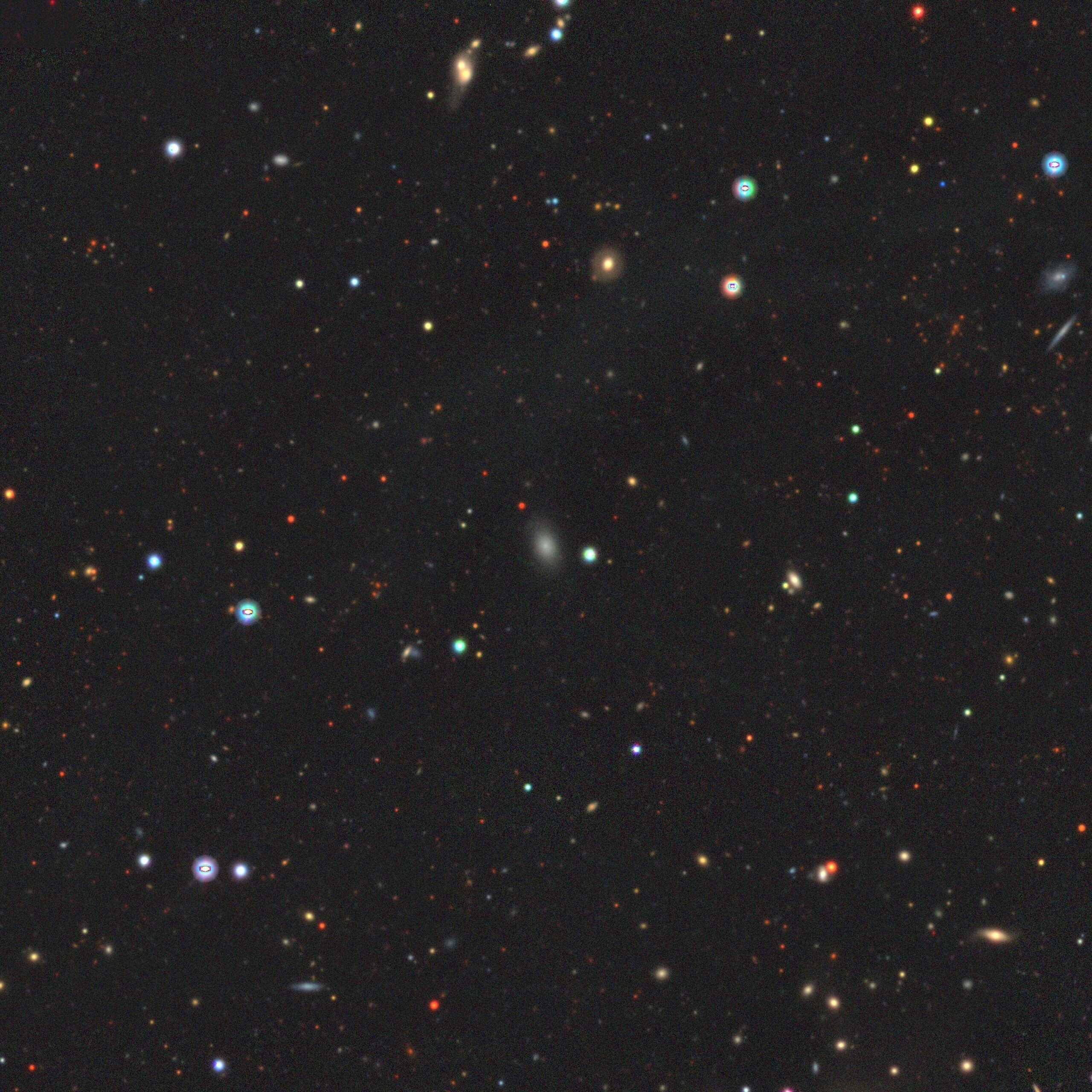
Astronomers have discovered a tiny, ghostly galaxy in a remote corner of the universe, likely a cosmic castaway flung from its original galactic group billions of years ago and left
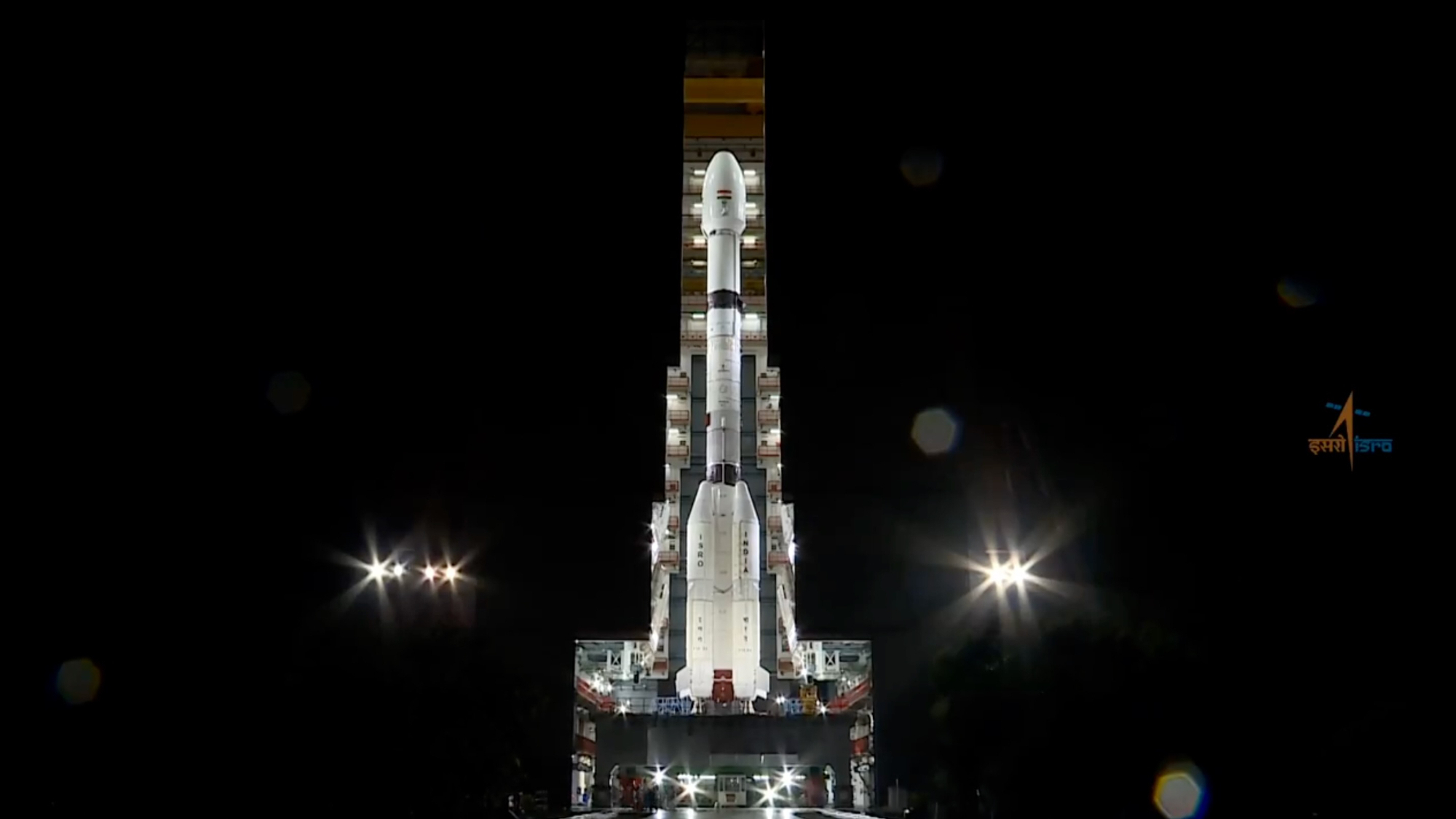
A powerful U.S.-Indian Earth-observing satellite has made it to the launch pad. On July 24, the Indian Space Research Organization (ISRO) rolled the NISAR (NASA-ISRO Synthetic Aperture Radar) spacecraft and