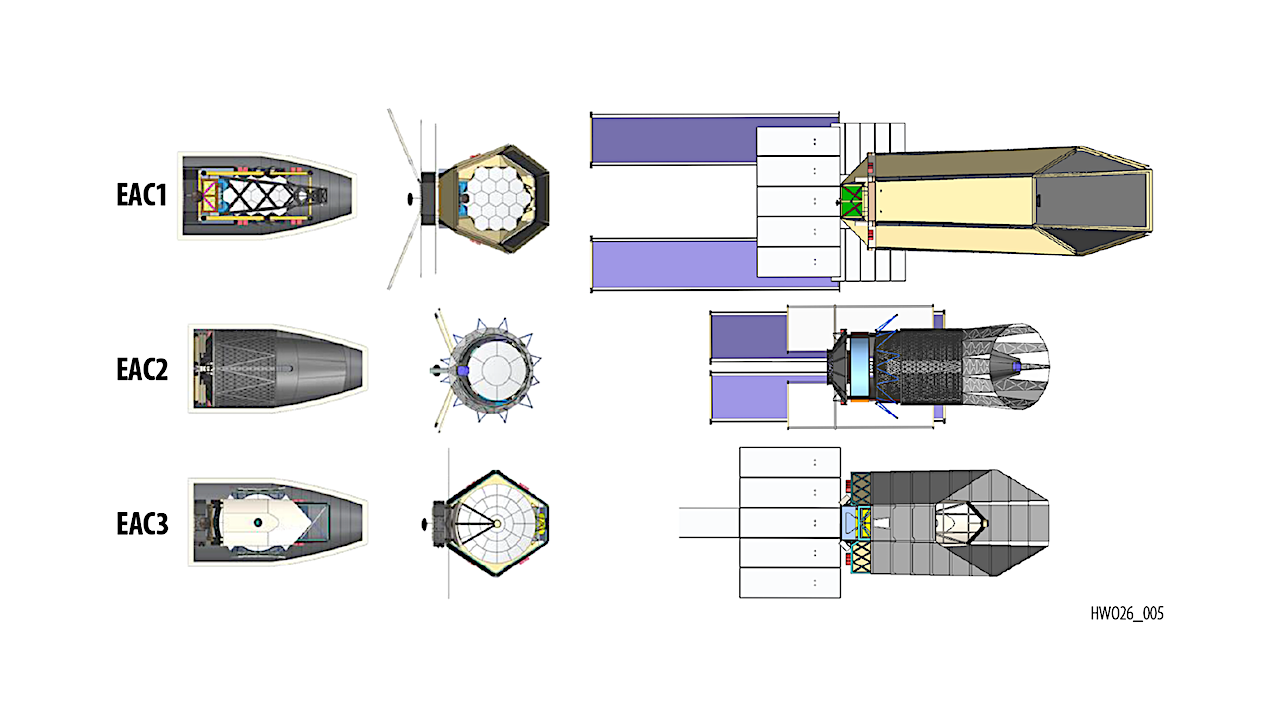
The EAC-1 (top row), EAC-2 (middle row), and EAC-3 (bottom row) designs shown to relative scale. The left column shows the stowed, launch configuration for each architecture and its fit

The EAC-1 (top row), EAC-2 (middle row), and EAC-3 (bottom row) designs shown to relative scale. The left column shows the stowed, launch configuration for each architecture and its fit
NASA Science Mission Directorate C.2 Solar System Science solicits proposals for research, data analysis, data preservation, and tools that support investigations to help ascertain the content, origin, and evolution of
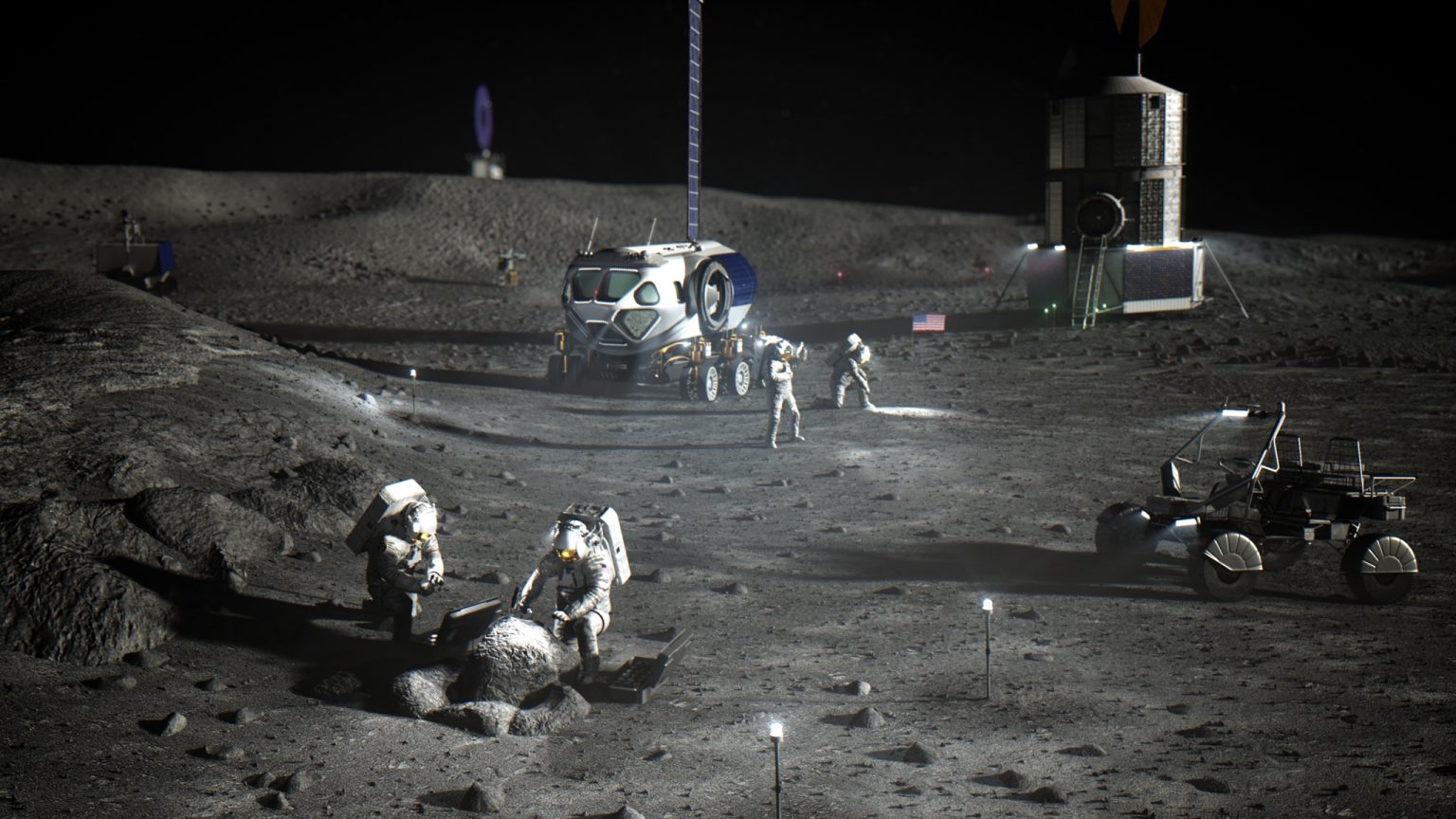
As NASA prepares to put astronauts on the moon in the next few years, the agency is thinking about “how to live and operate away from the Earth, on other
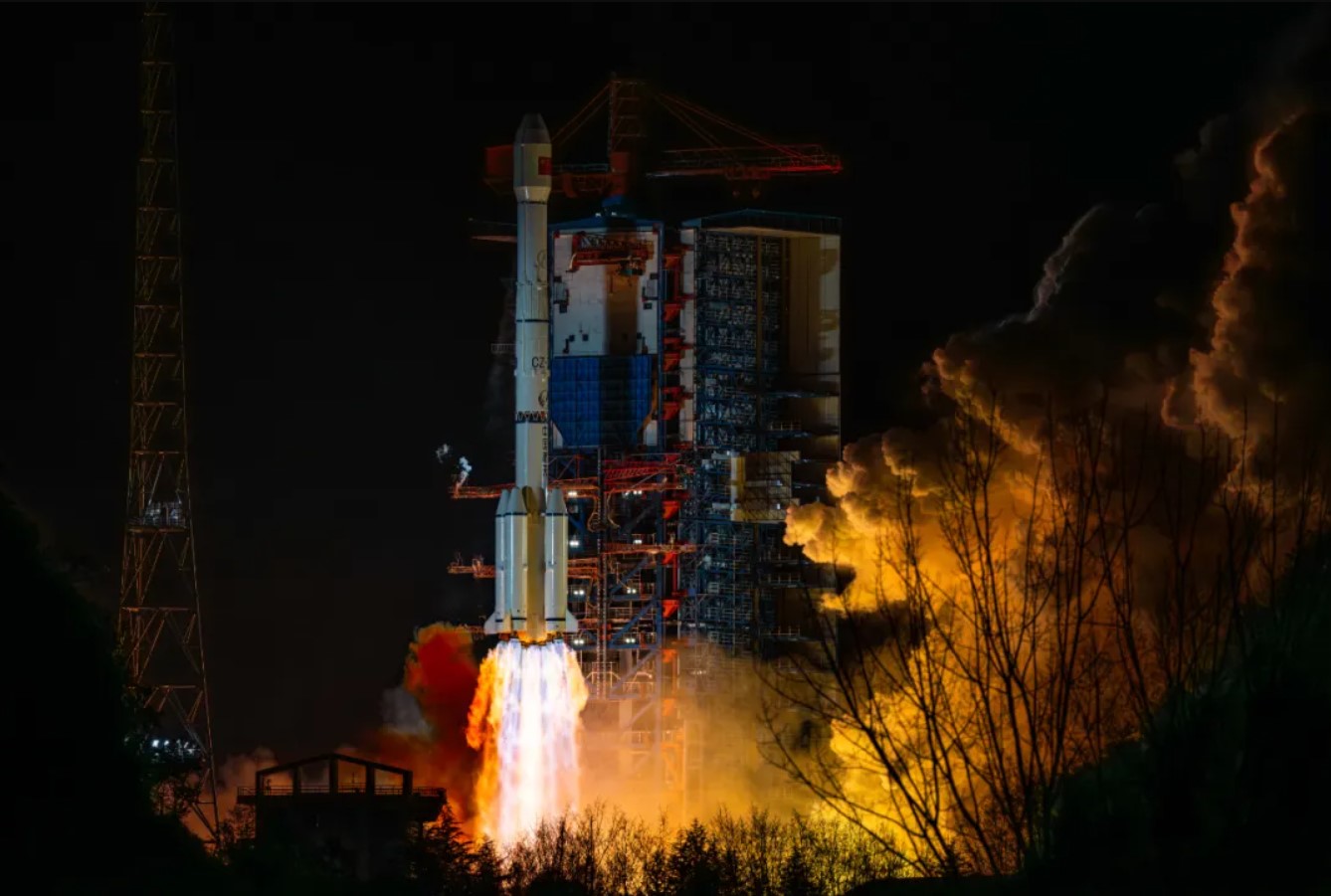
HELSINKI — China’s experimental Shijian-21 and Shijian-25 satellites have separated in geosynchronous orbit after being docked for months conducting apparent low-profile on-orbit refueling tests. Shijian-21 and Shijian-25 performed rendezvous and
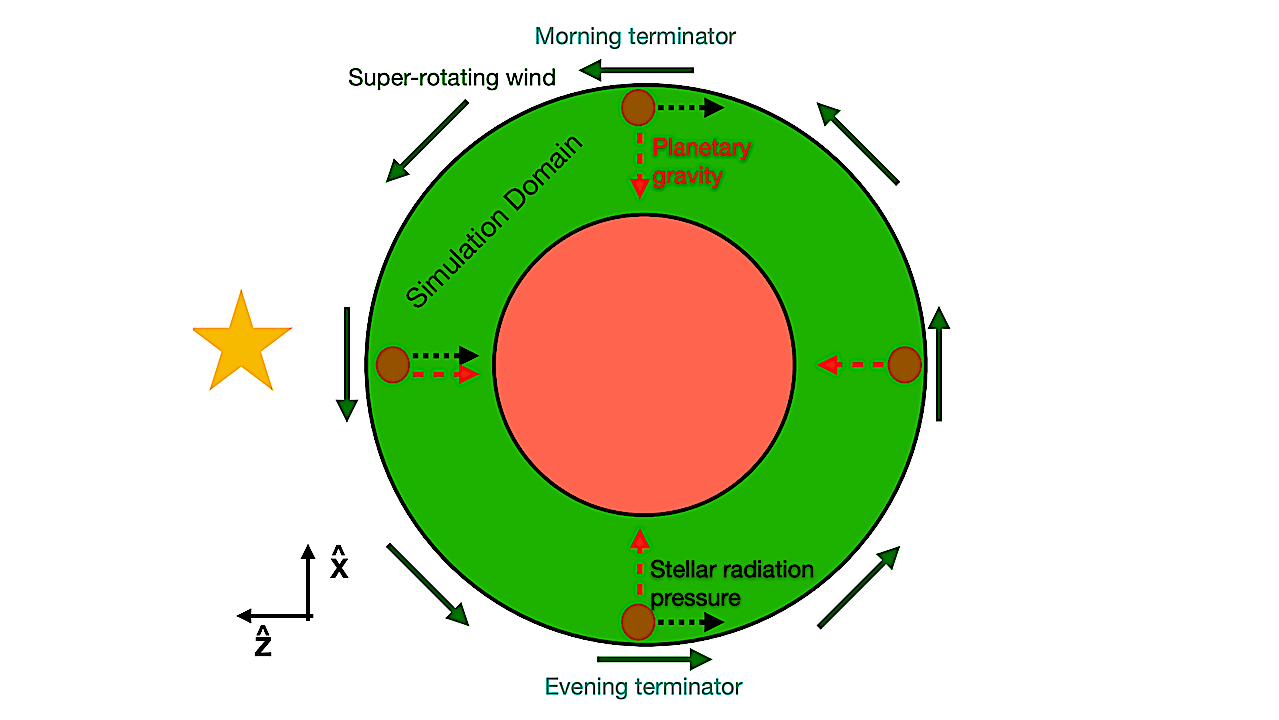
The schematic setup of our 2D equatorial band simulations, with our defined Cartesian coordinate system. The simulated band is shown in green. Aerosols with the directions of the gravitational force
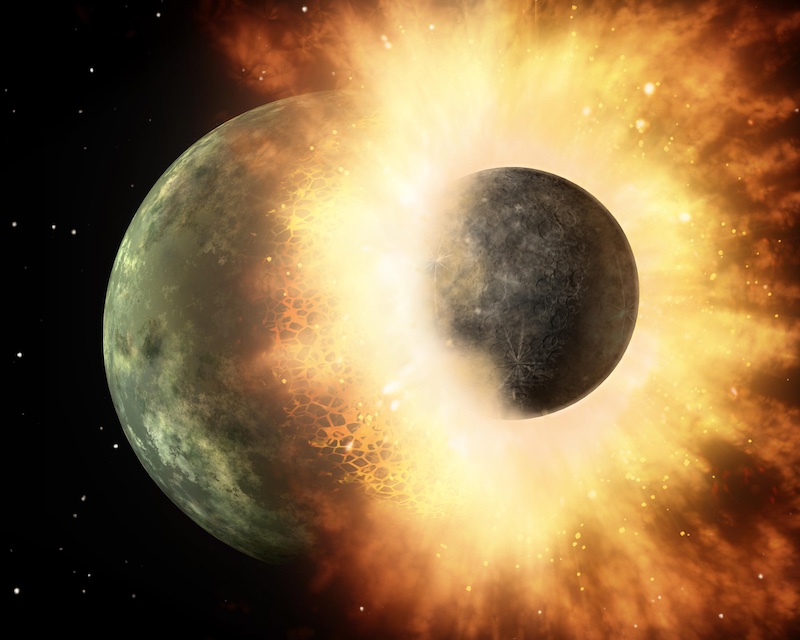
View larger. | Artist’s concept of a collision between 2 rocky bodies in the early solar system. A new study suggests that such a collision created Mercury, although with more
WASHINGTON — The Pentagon’s $1 billion investment in L3Harris Technologies’ missile business has turned a spotlight on the company’s munitions growth, even as analysts look for signals about the future
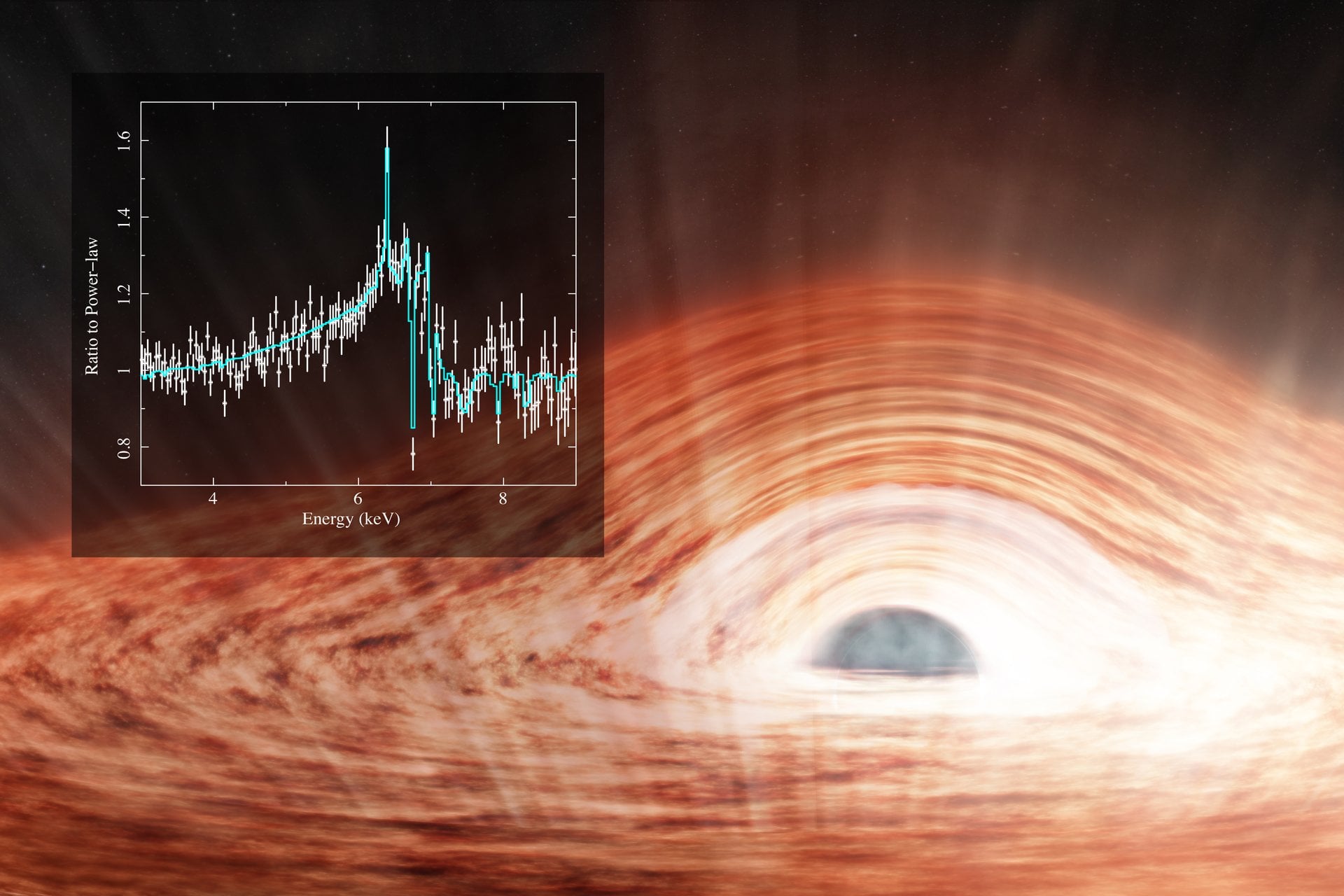
The first results on the iconic active galactic nucleus MCG–6-30-15 captured with the XRISM mission show the most precise signatures yet of its supermassive black hole’s extreme gravity and the

Explore Hubble Hubble Home Overview About Hubble The History of Hubble Hubble Timeline Why Have a Telescope in Space? Hubble by the Numbers At the Museum FAQs Impact & Benefits
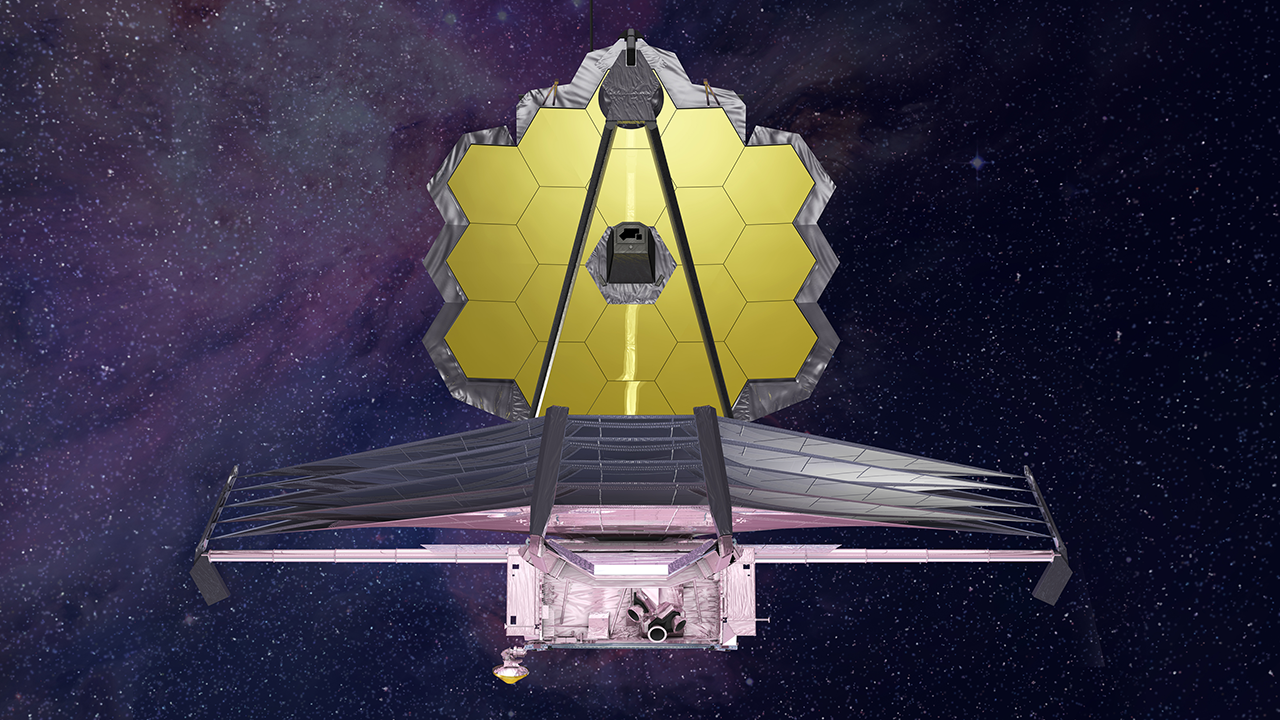
James Webb Space Telescope — NASA January 23, 2026 NASA has recently begun preparations for the Artemis II mission, which will send four astronauts on a journey around the Moon.