
Astronomers using W. M. Keck Observatory on Maunakea, Hawaiʻi Island have taken the closest-ever look at the dusty regions where planets form, offering new insight into the earliest stages of

Hot Posts910- Page
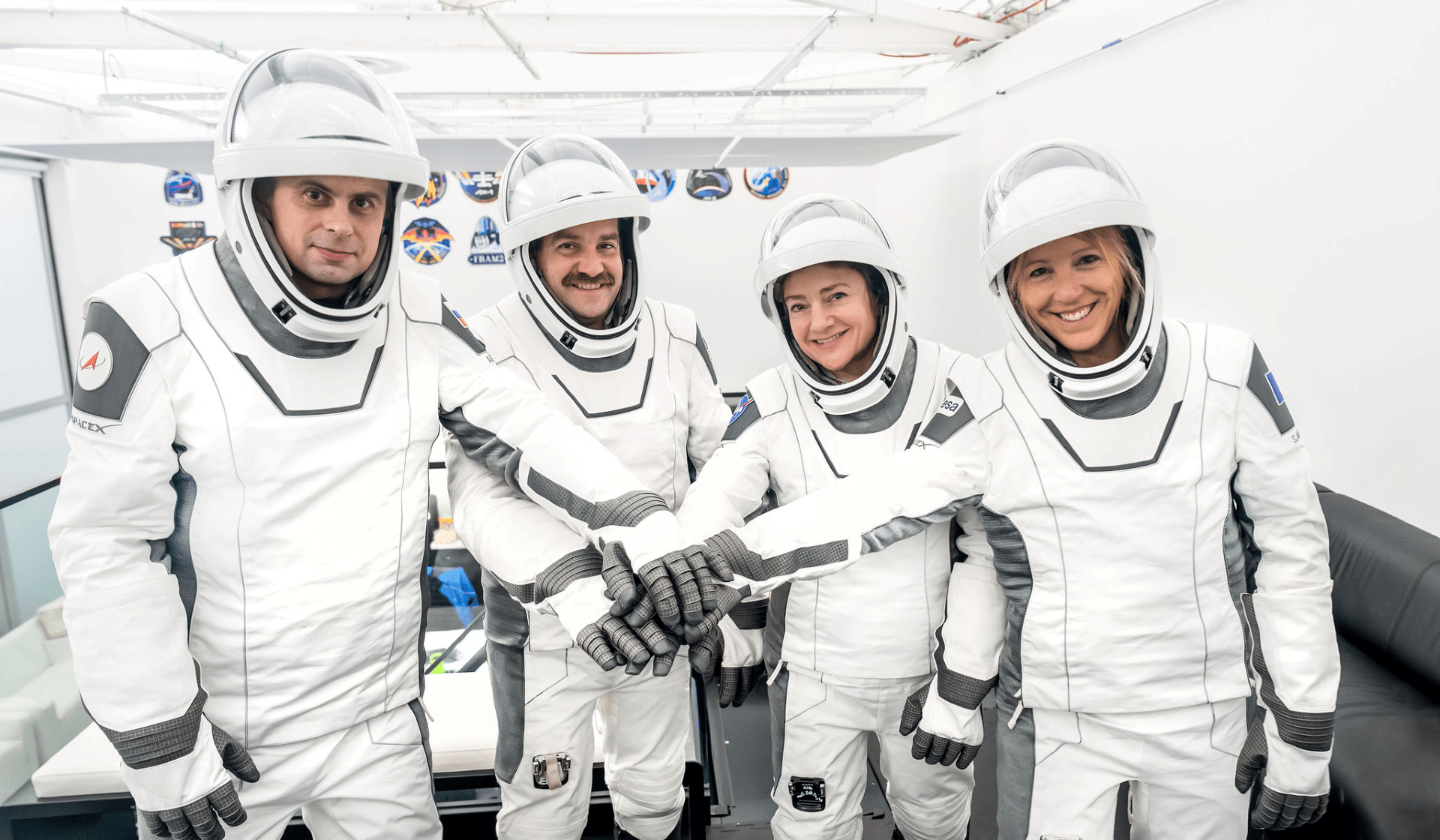
Pictured from left: Roscosmos cosmonaut Andrey Fedyaev, NASA astronauts Jack Hathaway and Jessica Meir, and ESA (European Space Agency) astronaut Sophie Adenot. Credit: NASA NASA’s SpaceX Crew-12 mission is preparing
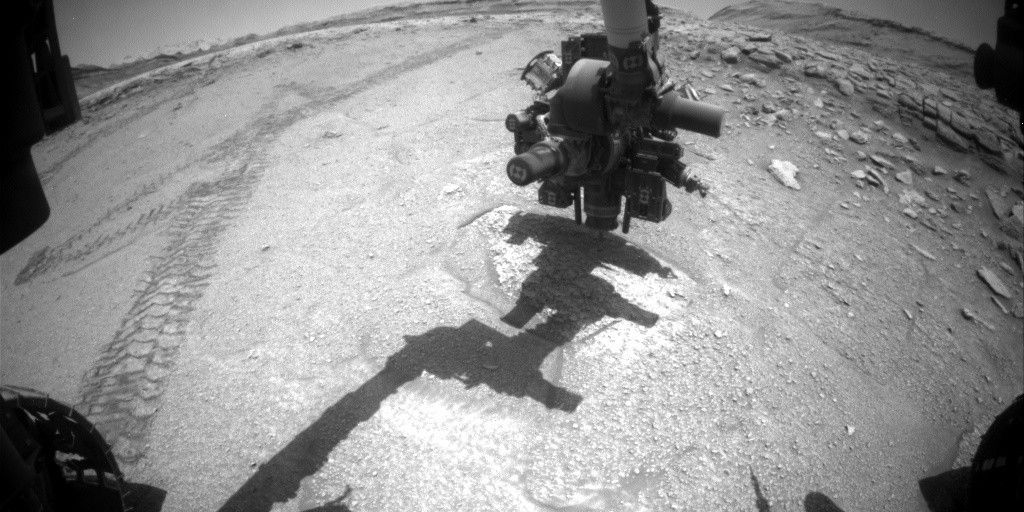
Curiosity Navigation Curiosity Home Mission Overview Where is Curiosity? Mission Updates Science Overview Instruments Highlights Exploration Goals News and Features Multimedia Curiosity Raw Images Images Videos Audio Mosaics More Resources
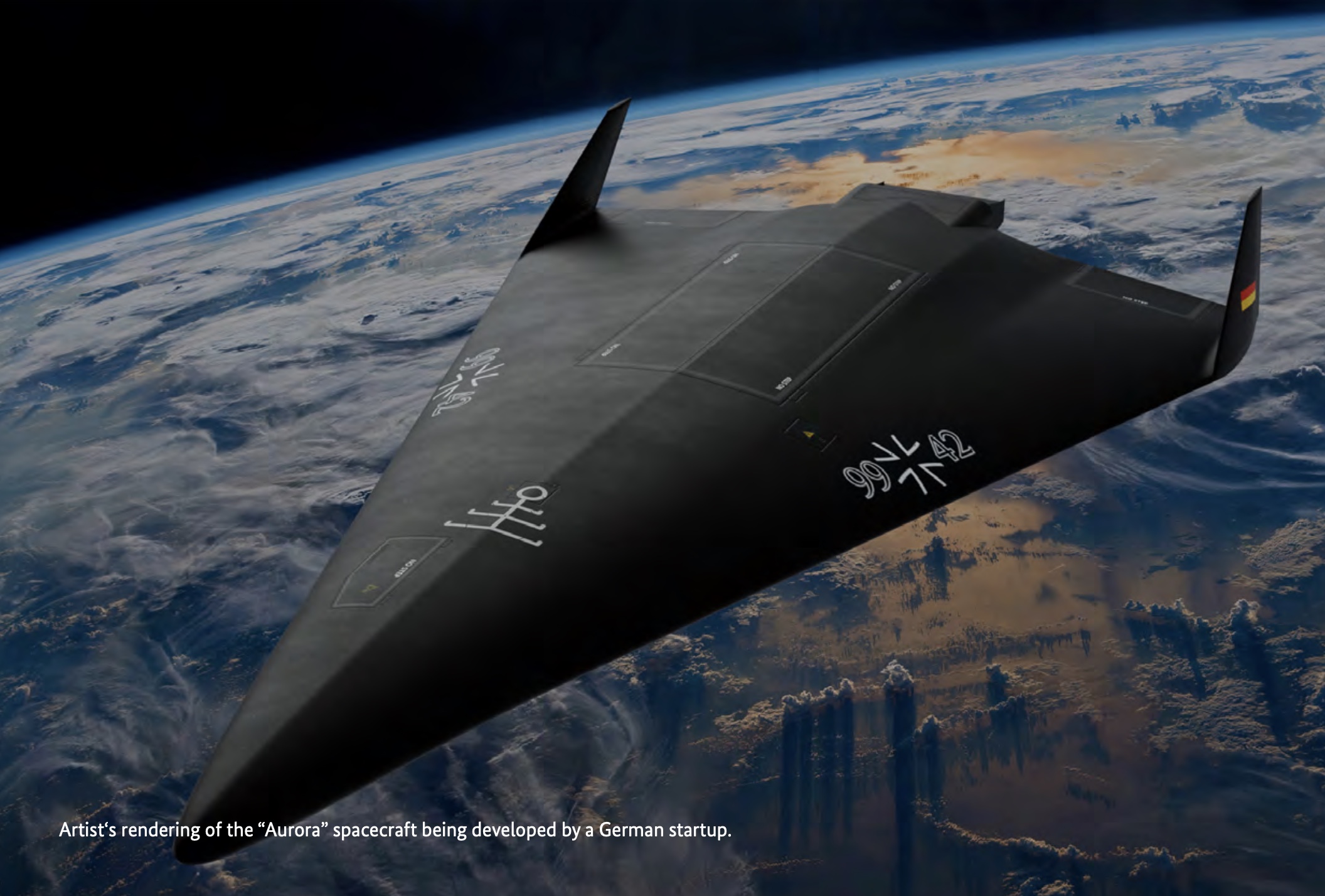
BREMEN, Germany — A new German military space policy outlines the ambitions the country has fueled by tens of billions of euros of new spending over the next several years.
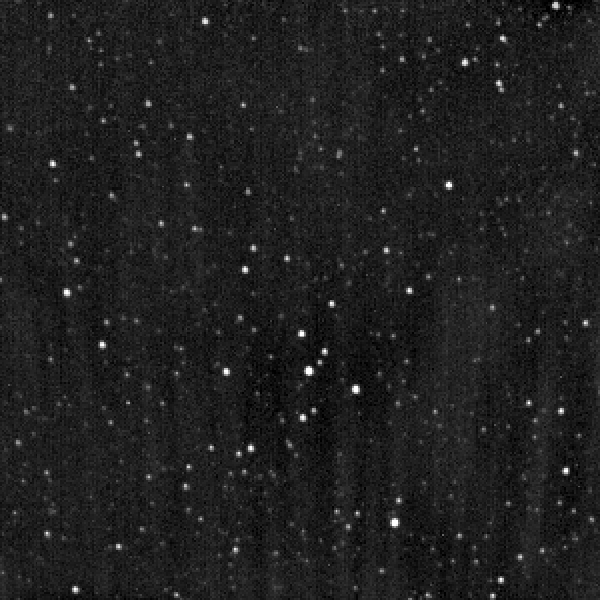
2 Min Read Europa Clipper Captures Uranus With Star Tracker Camera PIA26544 Credits: NASA/JPL-Caltech Photojournal Navigation Science Photojournal Europa Clipper Captures Uranus… Photojournal Home Photojournal Search Latest Content Galleries Feedback
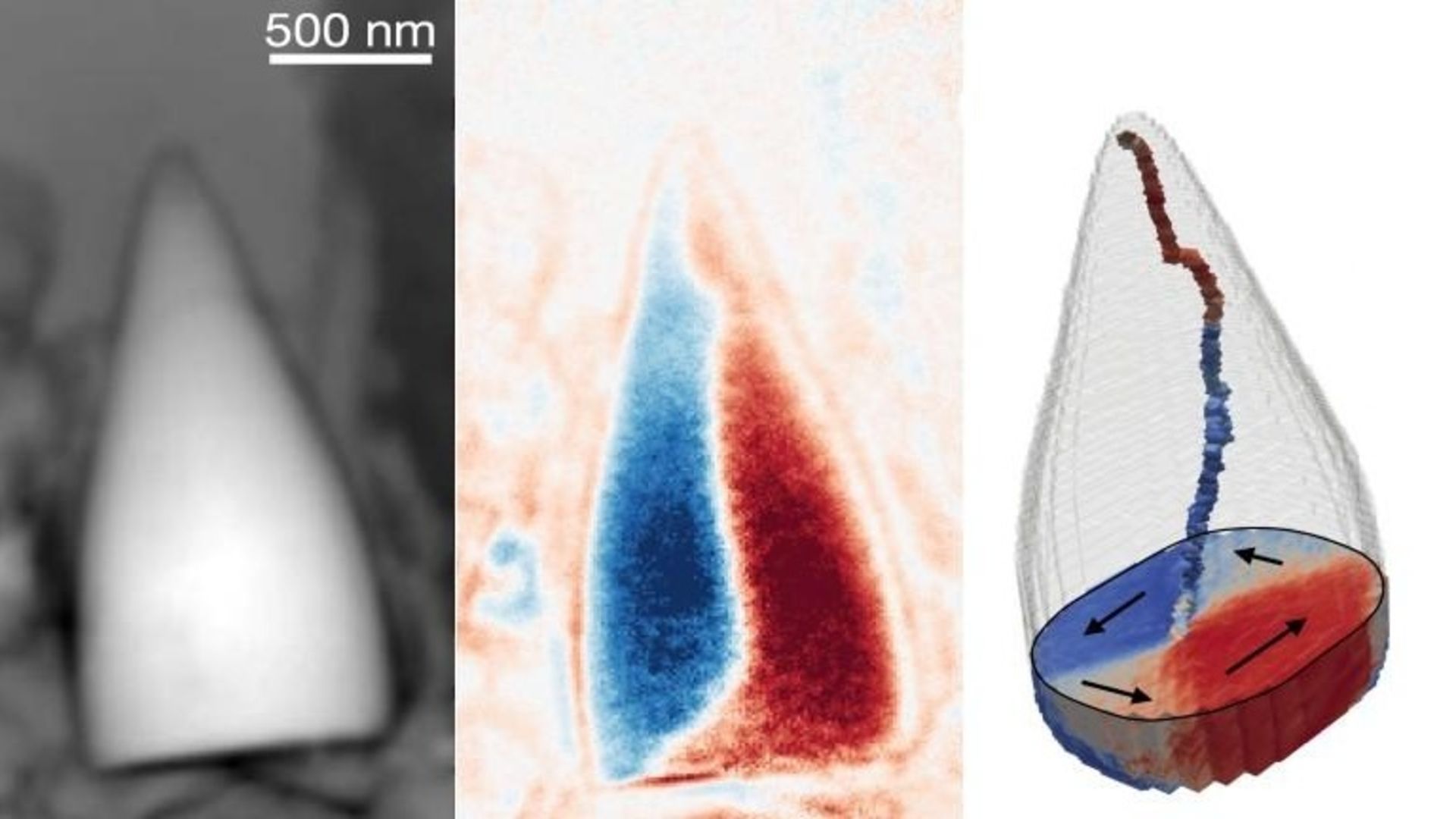
Animals like birds and sea turtles navigate using a “biological GPS” called magnetoreception. We now actually know that many animals use this method to connect with Earth’s magnetic field so
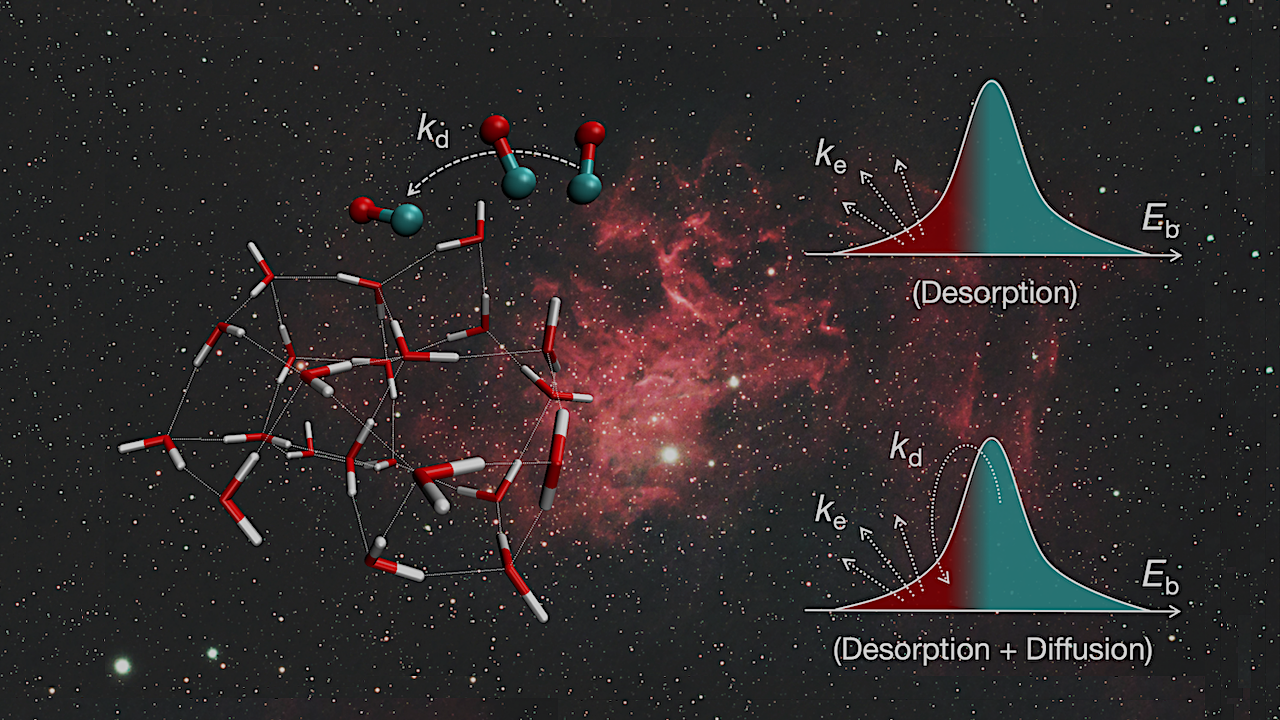
Graphical Abstract — astro-ph.GA Surface chemistry on interstellar dust grains is recognized as a central component in astrochemical models, representing a plausible formation route for many of the observed complex
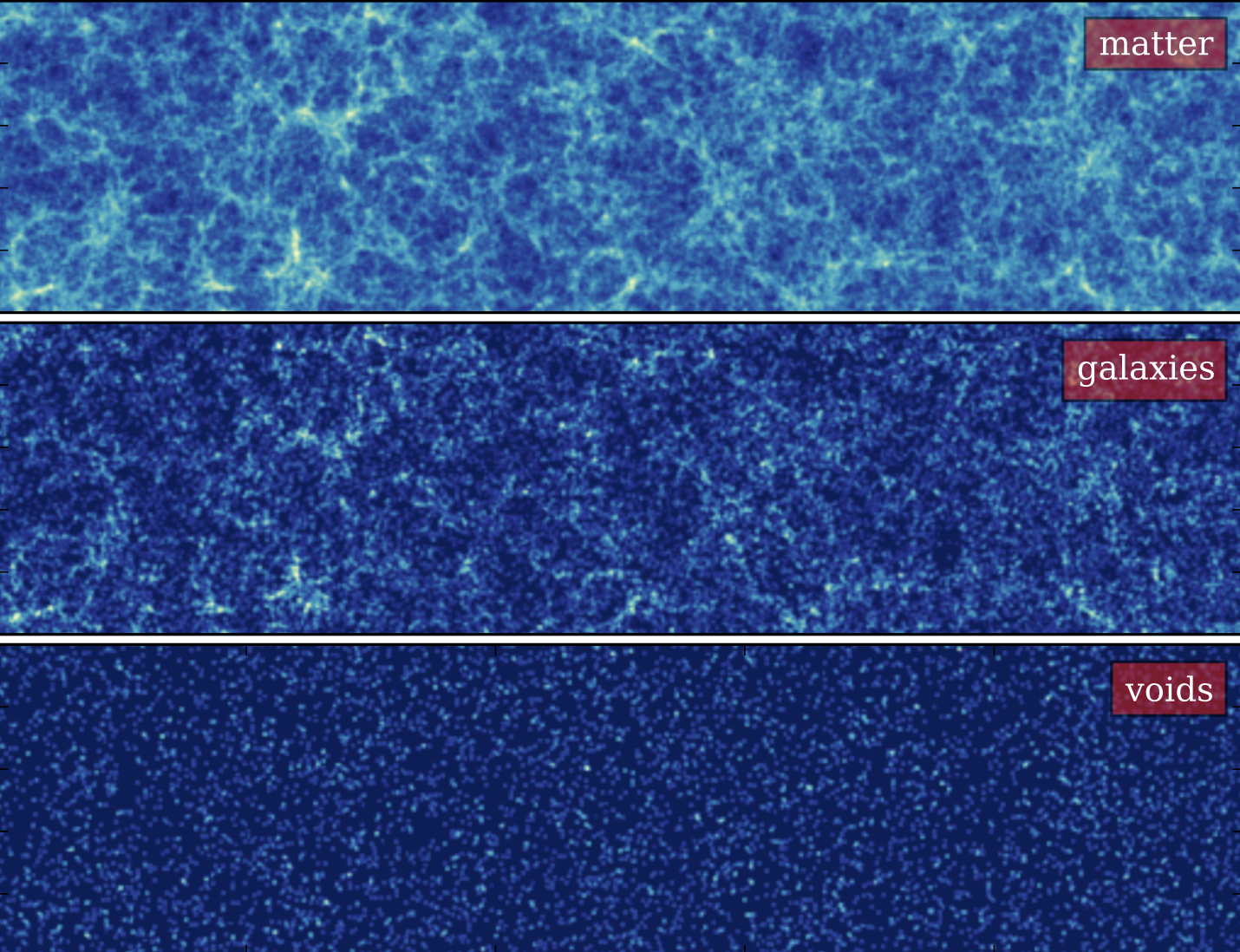
If we take out all the matter, neutrinos, dark matter, cosmic rays, and radiation from the deepest parts of the voids the only thing left is empty space.
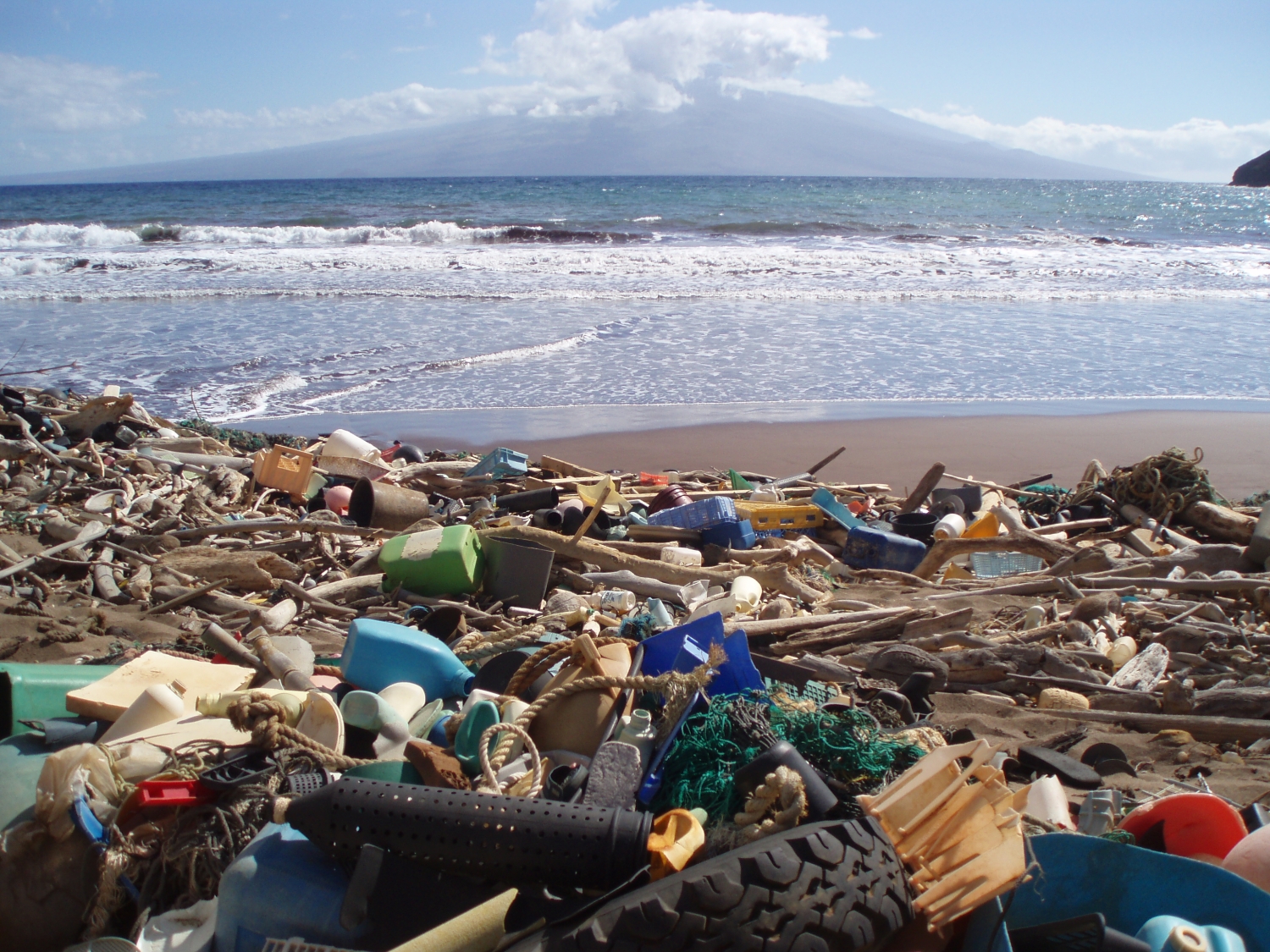
Detergent bottles and other litter can travel thousands of miles across the ocean before washing up on the remote Island of Kaho’olawe in Hawaii. JPL remote-sensing technology recently showed that
AbSciCon 2026 Madison, WI May 17-22, 2026 Abstract Proposal Deadline: January 14, 2026 The Astrobiology Science Conference (AbSciCon) brings the astrobiology community together every two years to share research, collaborate,
Advertisement
Popular Now
-
 01Two Black Holes Observed Circling Each Other for the First Time
 -
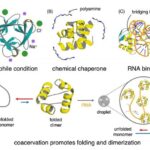
 02From Polymerization-Enabled Folding and Assembly to Chemical Evolution: Key Processes for Emergence of Functional Polymers in the Origin of Life
 -
 03Astronomy 101: From the Sun and Moon to Wormholes and Warp Drive, Key Theories, Discoveries, and Facts about the Universe (The Adams 101 Series)
 -
 04True Anomaly hires former York Space executive as chief operating officer
 -
 05Φsat-2 begins science phase for AI Earth images
 -
 06Hurricane forecasters are losing 3 key satellites ahead of peak storm season − a meteorologist explains why it matters
 -
 07Binary star systems are complex astronomical objects − a new AI approach could pin down their properties quickly
Scroll to Top