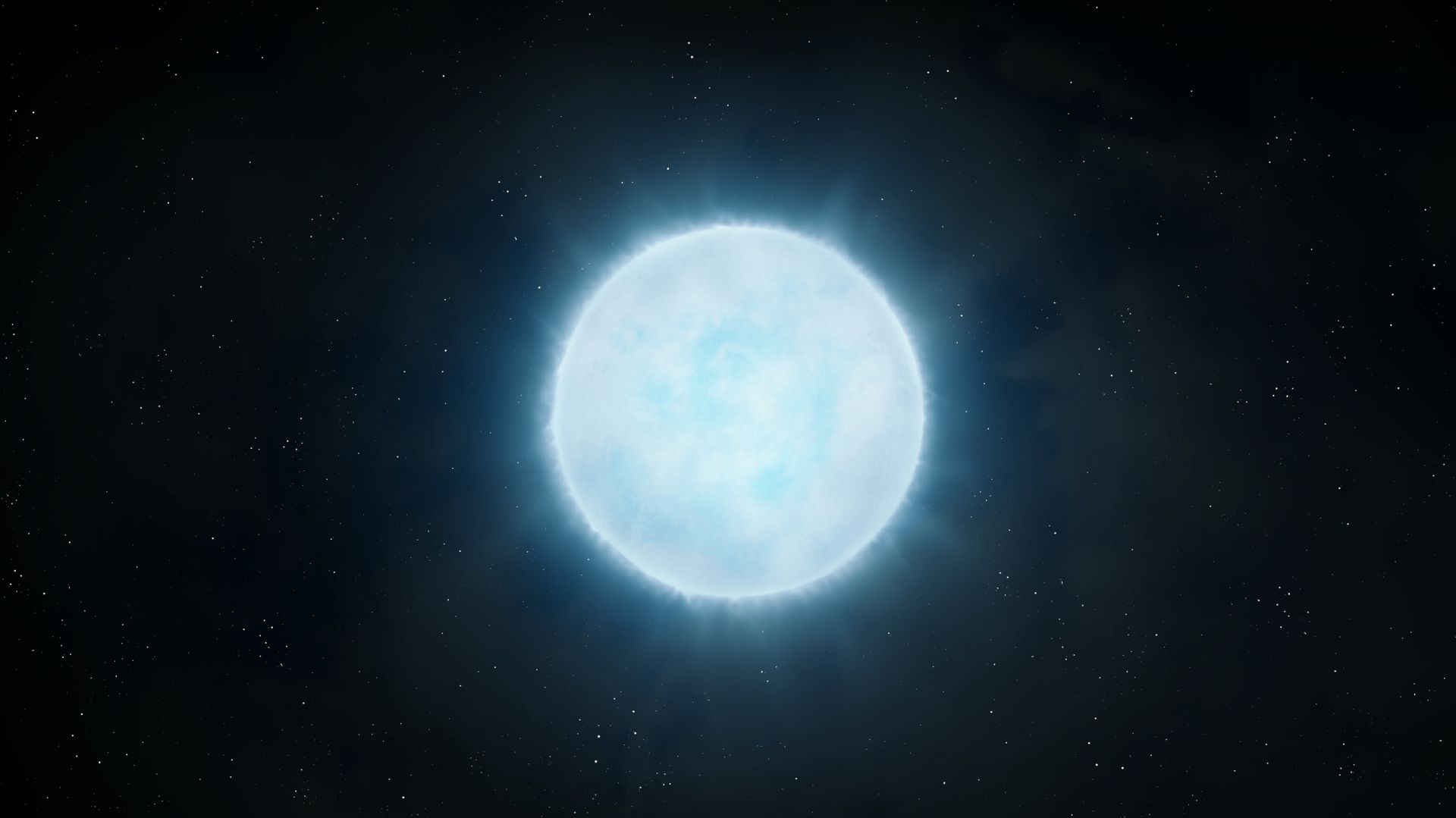
White dwarfs don’t get enough airtime. Sure, these ultradense, dim cores of dead stars are small and hard to see. But they’re incredibly exotic, and they’re what sunlike stars become.

White dwarfs don’t get enough airtime. Sure, these ultradense, dim cores of dead stars are small and hard to see. But they’re incredibly exotic, and they’re what sunlike stars become.
A cosmological simulation study by researchers from the Shanghai Astronomical Observatory of the Chinese Academy of Sciences has systematically revealed, for the first time, how the interaction between dark matter
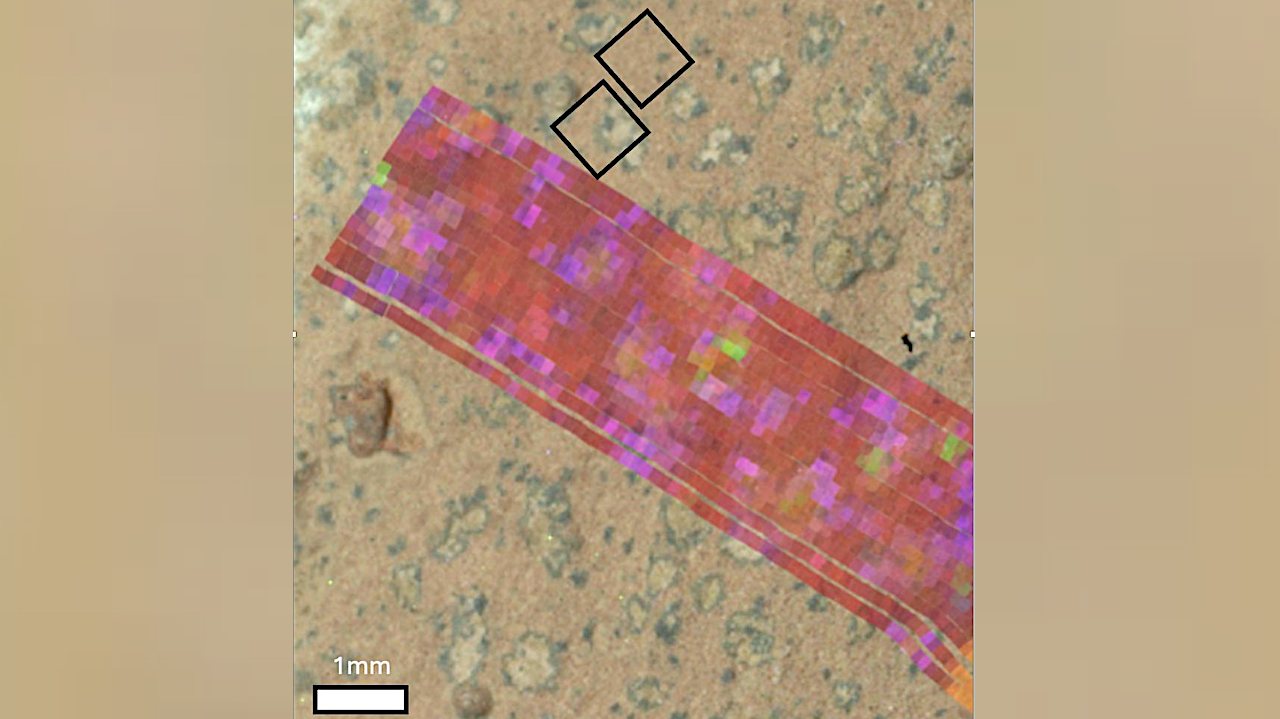
NASA’s Perseverance Mars rover generated this mineral map showing the presence of two minerals – vivianite (purple and pink) and greigite (dull yellow and green) – on the surface of
The first dual-satellite mission to another planet, NASA’s ESCAPADE (Escape and Plasma Acceleration and Dynamics Explorers), is scheduled for launch no earlier than Sunday, Nov. 9, from Cape Canaveral, Florida.
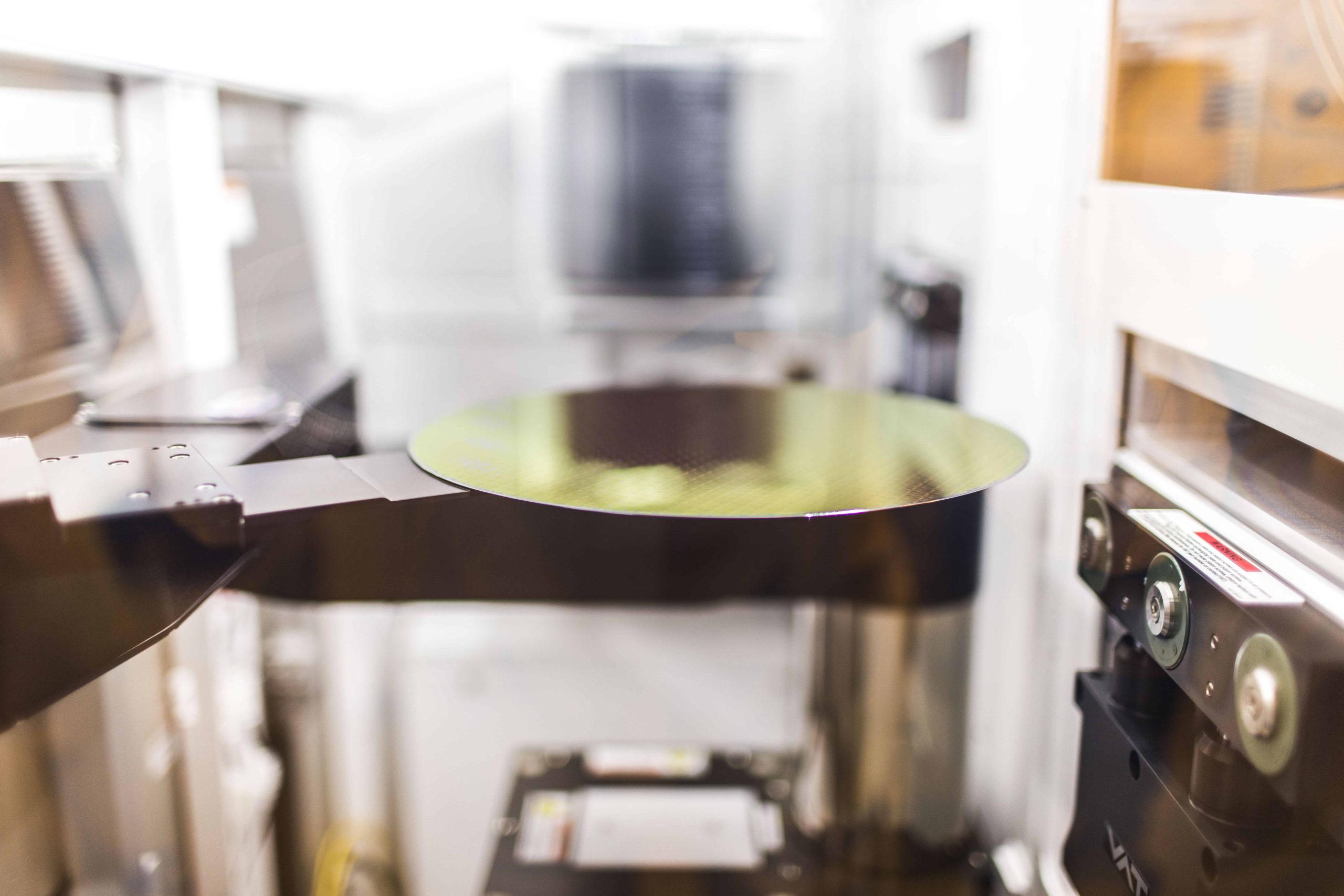
WASHINGTON — BAE Systems is partnering with GlobalFoundries to bring advanced semiconductor manufacturing techniques to space-grade electronics — a move aimed at closing the performance gap between modern commercial processors
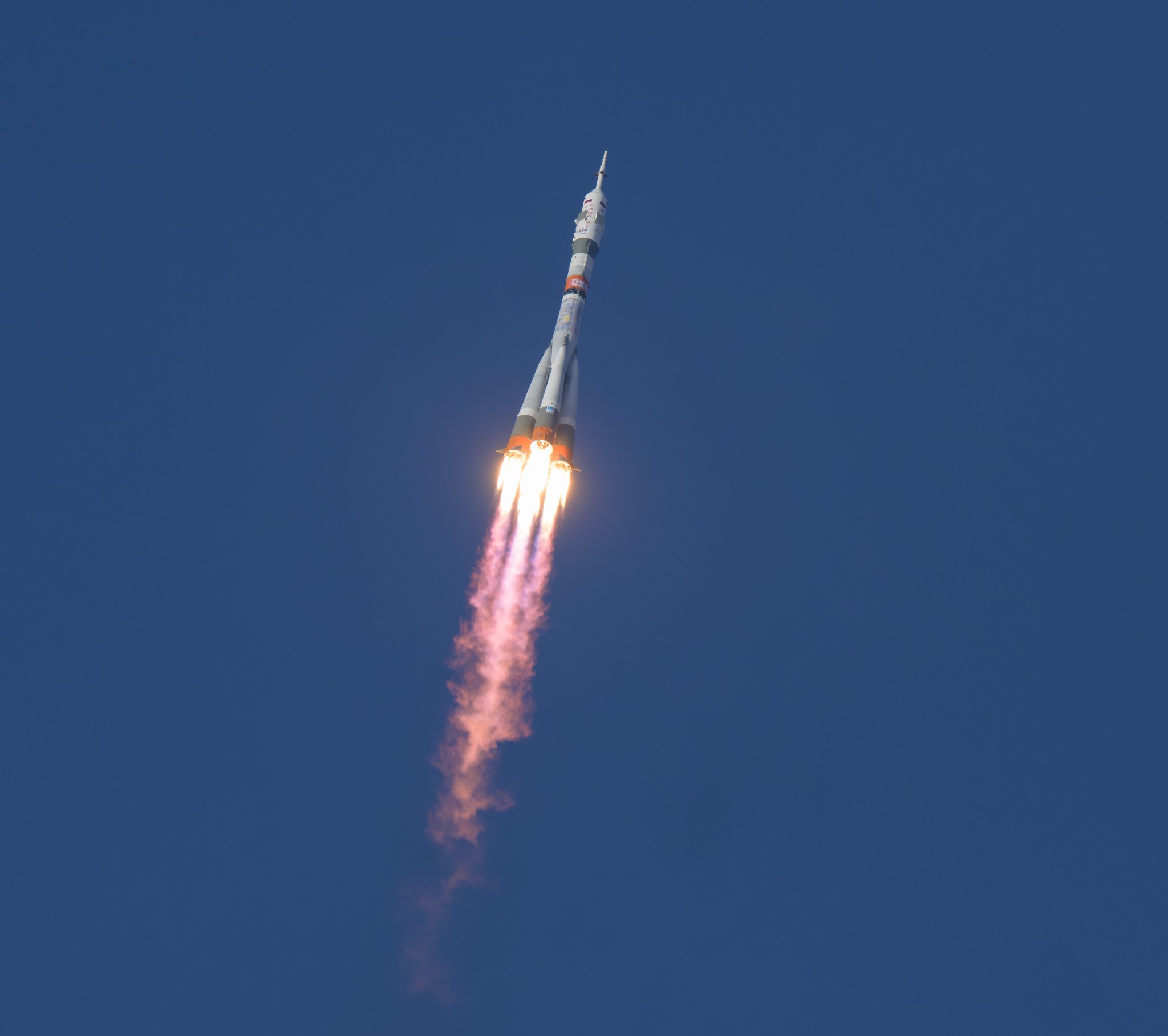
The Soyuz rocket launches to the International Space Station with Expedition 74 crew members: NASA astronaut Chris Williams, and Roscosmos cosmonauts Sergey Kud-Sverchkov and Sergei Mikaev, on Thursday, Nov. 27,
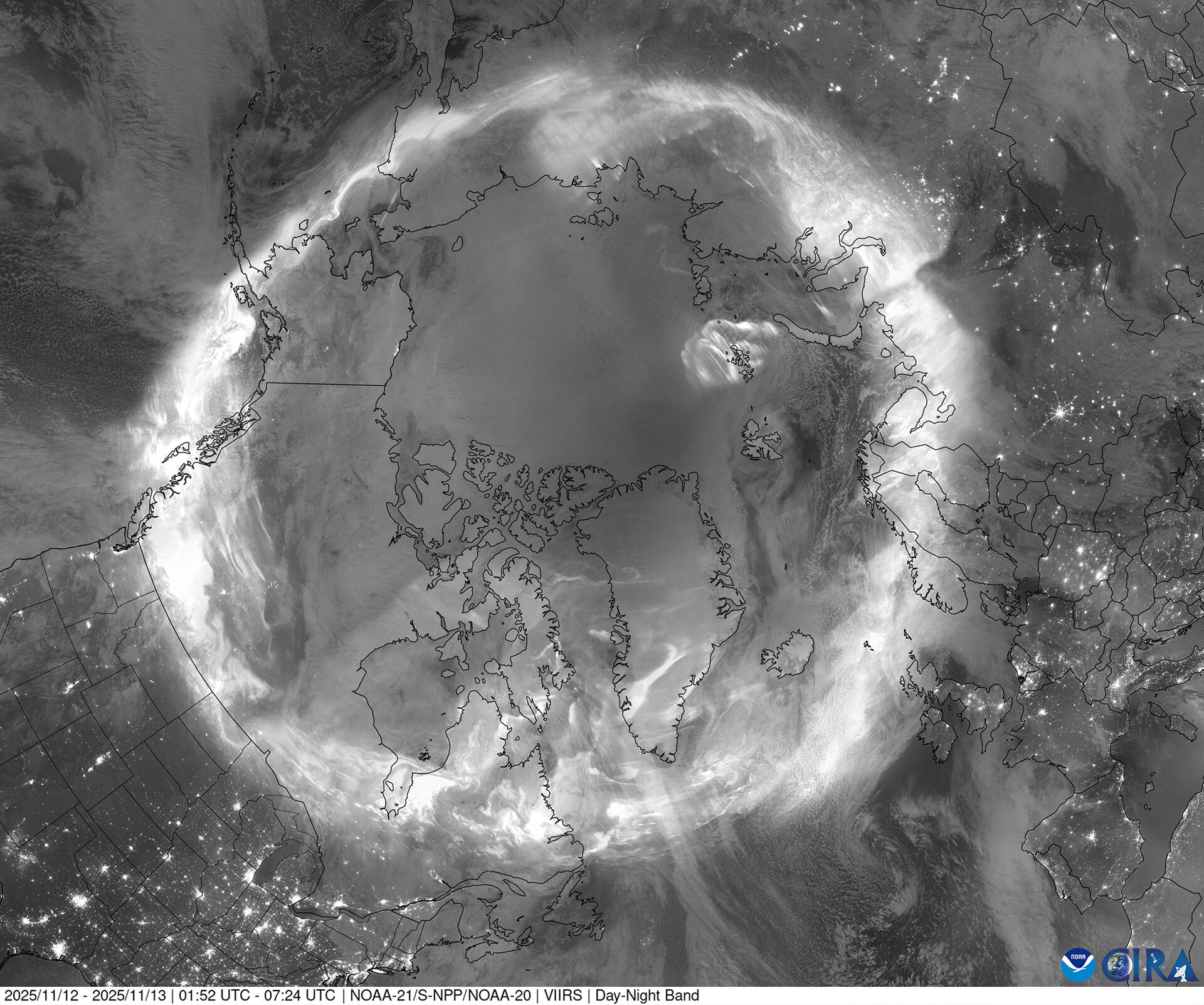
Applications 11/12/2025 399 views 11 likes The European Space Agency’s Swarm mission detected a large but temporary spike of high-energy protons at Earth’s poles during a geomagnetic storm in November.
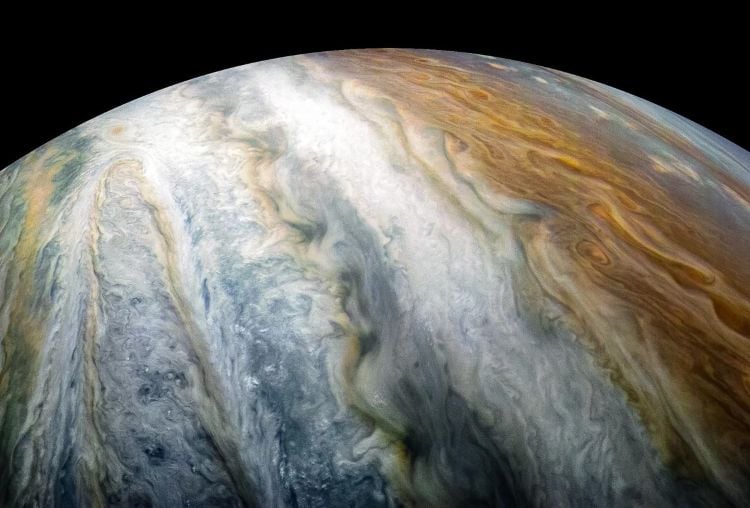
Jupiter’s atmosphere and clouds have mesmerized stargazers for centuries, as their multi-colored, swirling layers can easily be viewed from powerful telescopes on Earth. However, NASA’s Juno spacecraft has upped the

Space Safety 12/11/2025 468 views 5 likes In brief On 11 November 2025, an intense solar flare was observed, with a peak around 10:04 UTC. This was followed less than
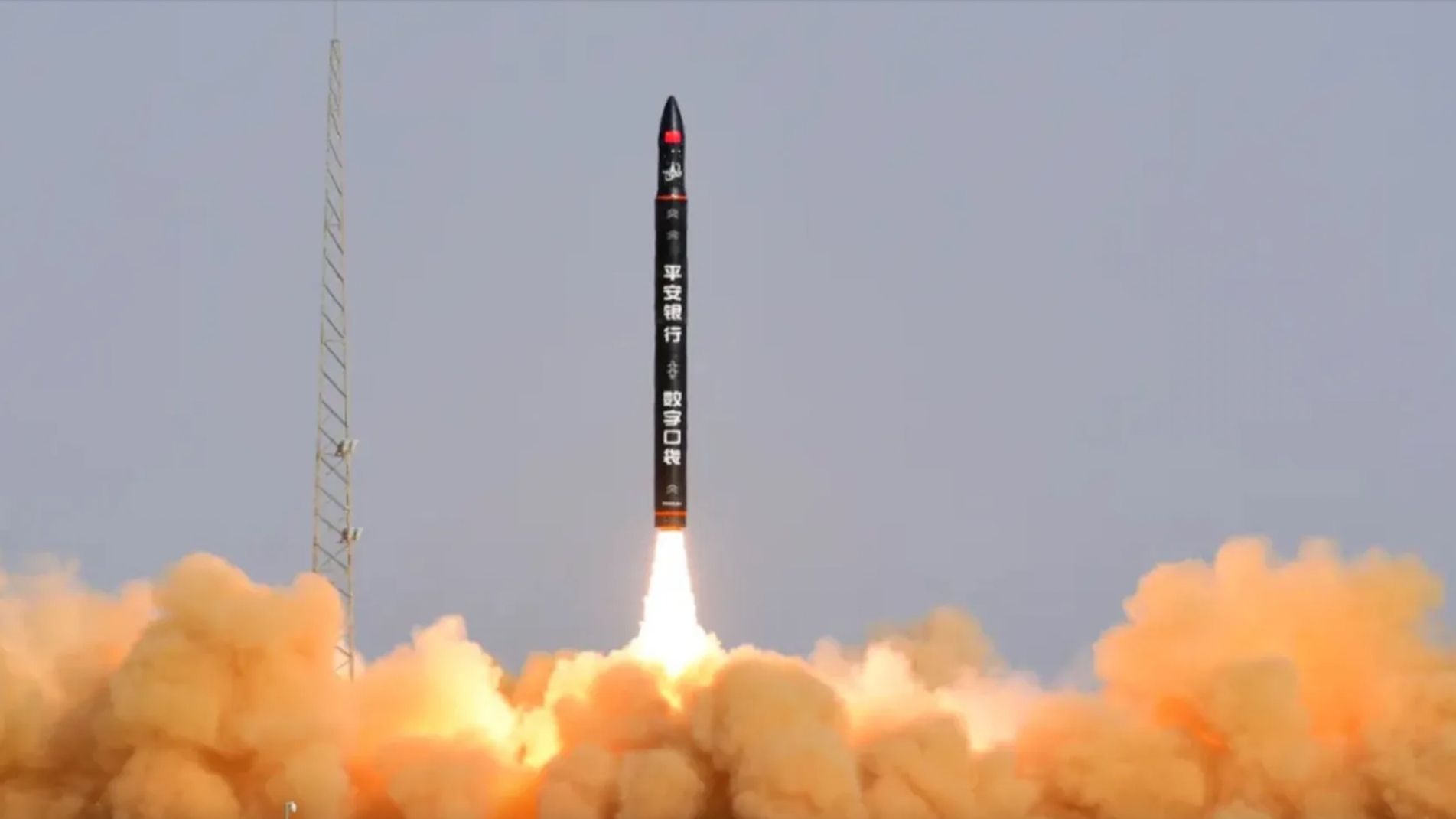
A private Chinese rocket just suffered its second-ever failure. Galactic Energy’s solid-fuel Ceres-1 rocket lifted off from Jiuquan Satellite Launch Center in northwest China at 11:02 p.m. EST on Sunday