
Now Reading: NASA’s Artemis III core stage assembly arrives at Kennedy Space Center marking key progress toward lunar exploration
-
01
NASA’s Artemis III core stage assembly arrives at Kennedy Space Center marking key progress toward lunar exploration

NASA’s Artemis III core stage assembly arrives at Kennedy Space Center marking key progress toward lunar exploration

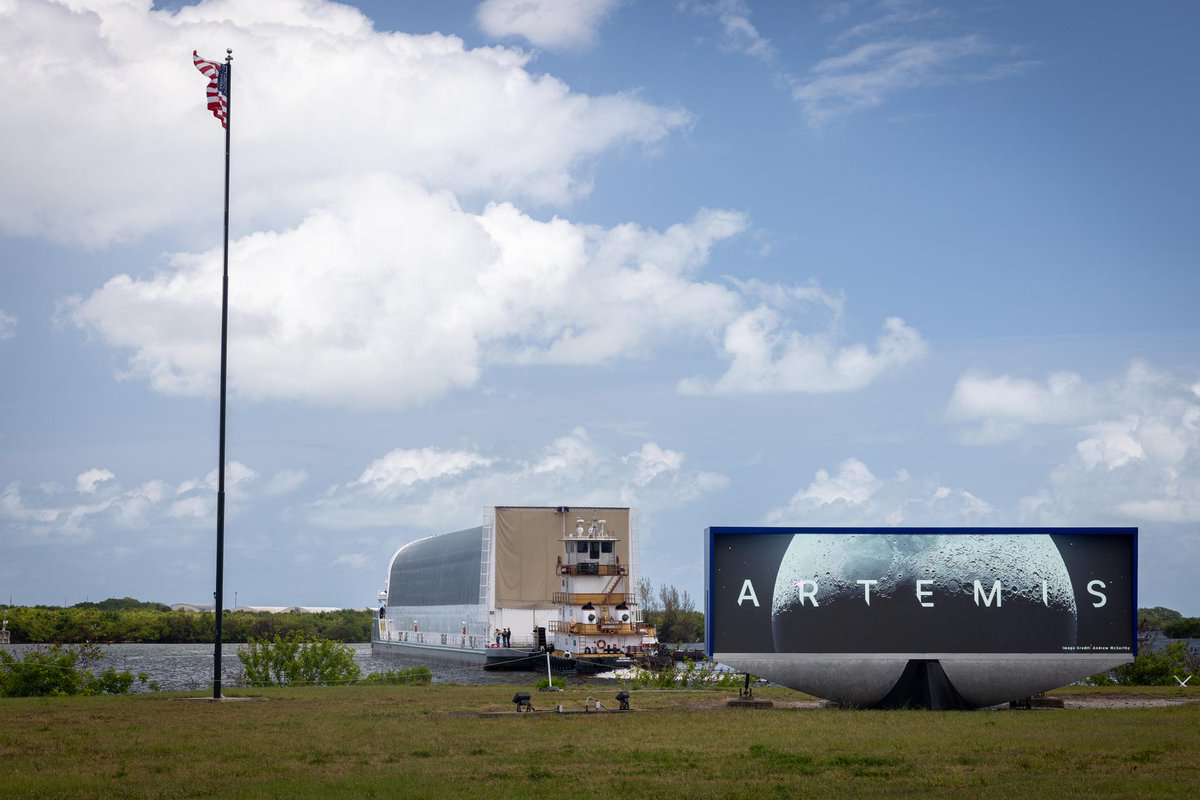

As preparations for NASA’s Artemis III mission progress, the core stage assembly has successfully arrived at the Kennedy Space Center (KSC). This marks a significant step forward in the mission’s timeline, which is slated for launch in 2027, following the recent success of Artemis II’s historic lunar flyby with four astronauts aboard.
The core stage assembly, which includes essential components like the forward skirt, intertank, and tanks for liquid hydrogen and liquid oxygen, was transported from the Michoud Assembly Facility in New Orleans to KSC via the specially modified barge Pegasus. This barge, originally built in 1999, has a storied history of supporting NASA’s endeavors, having previously transported external tanks for the Space Shuttle program and later adapted for the Space Launch System (SLS) program. This latest journey for Pegasus encompassed over 1,400 kilometers, demonstrating the ongoing commitment to advancing lunar exploration.
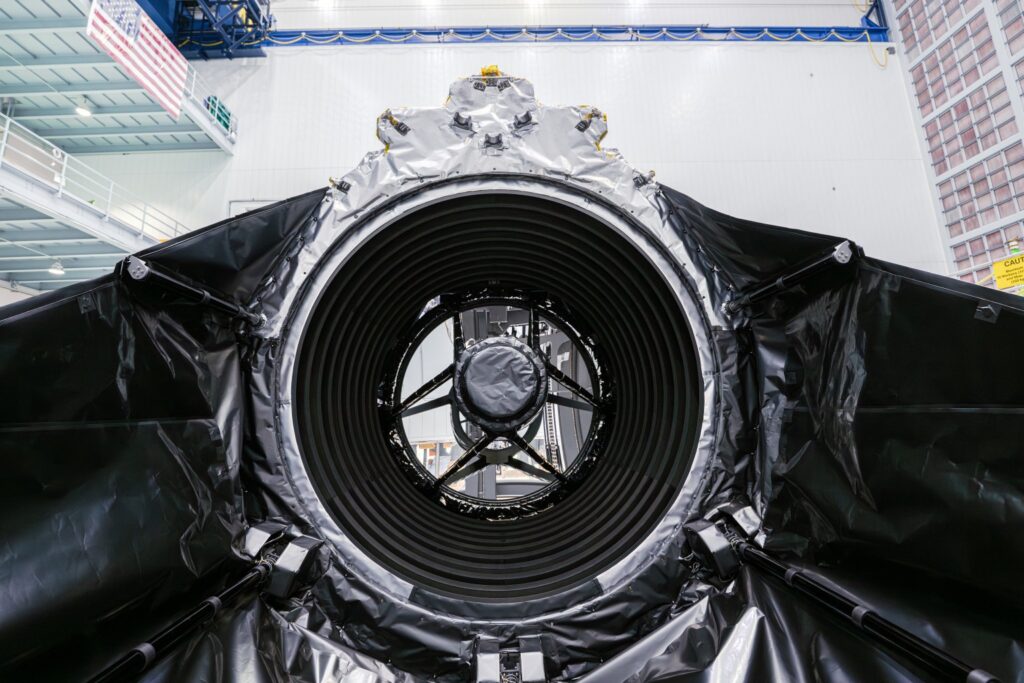
Upon arrival at the Kennedy Space Center on April 27, the core stage assembly is set to undergo further preparations. Unlike its predecessors in the Artemis program, the engine section will be mated to the core stage at KSC, a change intended to streamline production and free up space at Michoud. Meanwhile, the SLS engine section, completed at Michoud, was already shipped to KSC last year, laying the groundwork for the assembly in the Vehicle Assembly Building (VAB).
In addition to the core stage assembly, other critical components for Artemis III are being readied at KSC. The first solid rocket booster segments have already arrived and will be assembled on Mobile Launcher 1, which has returned to the VAB. The Orion spacecraft for this mission is also on-site, currently undergoing functional tests as it prepares for its role in the mission.
In a shift from its initial objectives, Artemis III will now focus on Earth-orbit testing, including docking maneuvers with commercial lunar landers and evaluating the AxEMU lunar spacesuit developed by Axiom. This alteration, announced by NASA Administrator Jared Isaacman, marks a critical re-evaluation of mission goals, with Artemis IV designated as the mission that will achieve the first lunar landing of the Artemis era.
As preparations ramp up for Artemis III, the crew for the mission has yet to be announced, but speculation exists that the timing of this announcement will align closely with key operational milestones at KSC. With most major hardware already at the center, NASA is making significant strides in its mission preparations, with critical elements for upcoming Artemis IV and V missions also in development.
As the Artemis program continues to evolve, the upcoming months will be crucial in solidifying the timelines and capabilities of this ambitious initiative aimed at returning humans to the Moon and beyond.










Related Posts

Stay Informed With the Latest & Most Important News
Previous Post
Next Post




Advertisement
-
 01Two Black Holes Observed Circling Each Other for the First Time
 -
 02From Polymerization-Enabled Folding and Assembly to Chemical Evolution: Key Processes for Emergence of Functional Polymers in the Origin of Life
 -
 03Astronomy 101: From the Sun and Moon to Wormholes and Warp Drive, Key Theories, Discoveries, and Facts about the Universe (The Adams 101 Series)
 -
 04True Anomaly hires former York Space executive as chief operating officer
 -
 05Φsat-2 begins science phase for AI Earth images
 -
 06Hurricane forecasters are losing 3 key satellites ahead of peak storm season − a meteorologist explains why it matters
 -
 07Binary star systems are complex astronomical objects − a new AI approach could pin down their properties quickly