
An international research team led by scientists at Waseda University and Tohoku University has discovered an extraordinary quasar in the early universe that hosts one of the fastest-growing supermassive black


1716Articles
This NASA/ESA/CSA James Webb Space Telescope Picture of the Month brings us a scene from the distant universe. Pictured here is the galaxy cluster MACS J1149.5+2223, or MACS J1149 for
As America approaches its 250th anniversary of declaring independence, NASA’s Artemis II mission will carry a host of mementos that reflect the nation’s long tradition of exploration, innovation, and leadership
If humans are ever going to expand into space itself, it will have to be for a reason. Optimists think that reason is simply due to our love of exploration
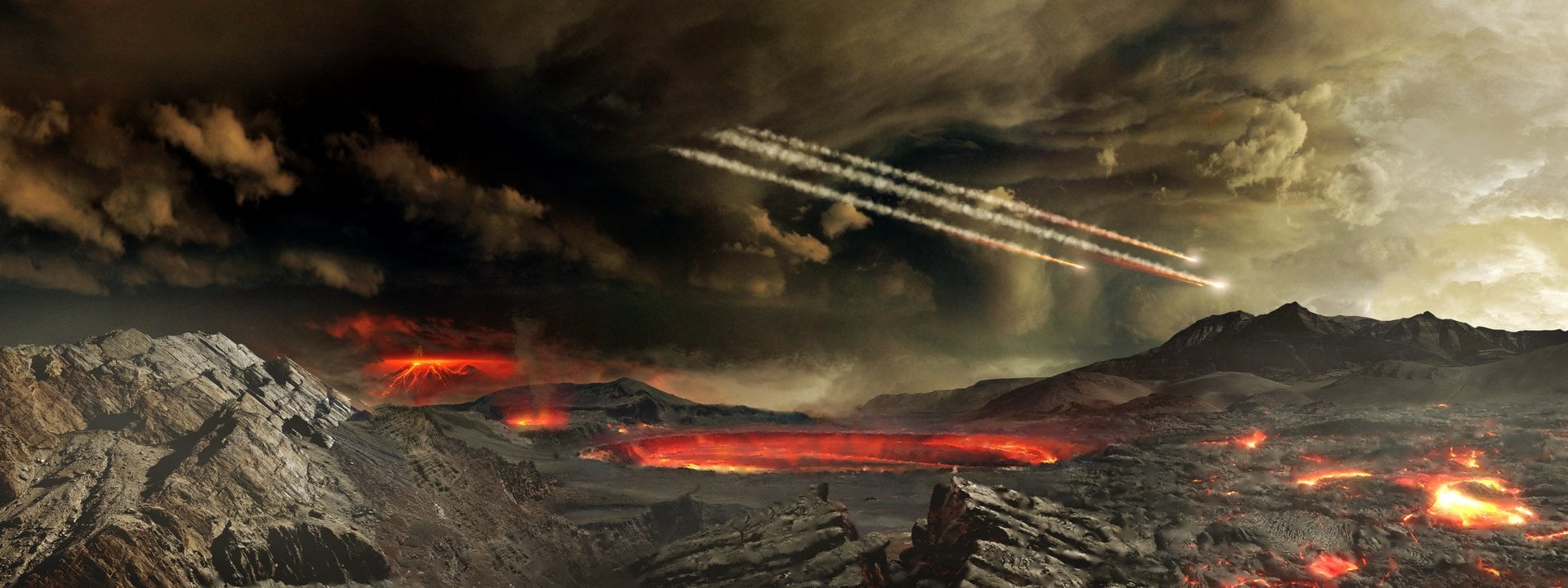
High-precision oxygen isotopes in Apollo lunar soils reveal a persistent impactor fingerprint, showing that impacts contributed only a tiny fraction of Earth’s water.
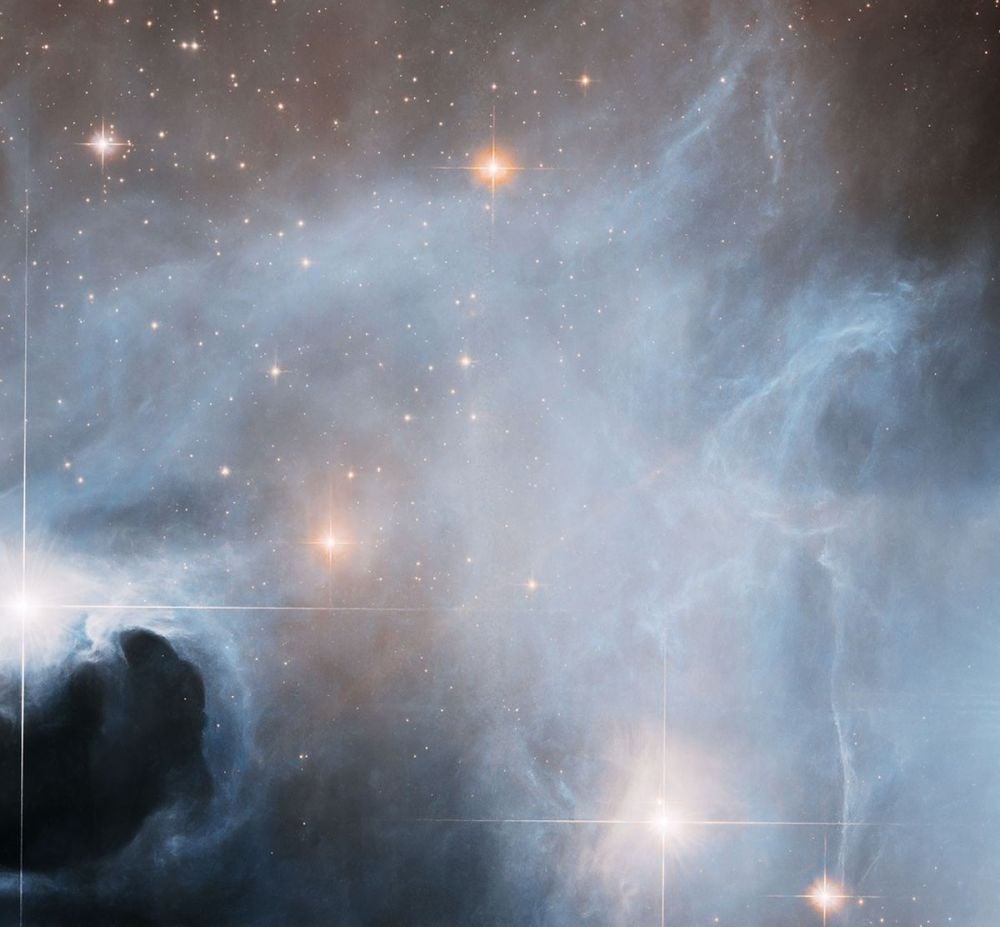
The Hubble Mission Team has released another image of the space telescope’s study of star formation. This image shows the dark cloud Lupus 3, a star-forming region about 500 light-years
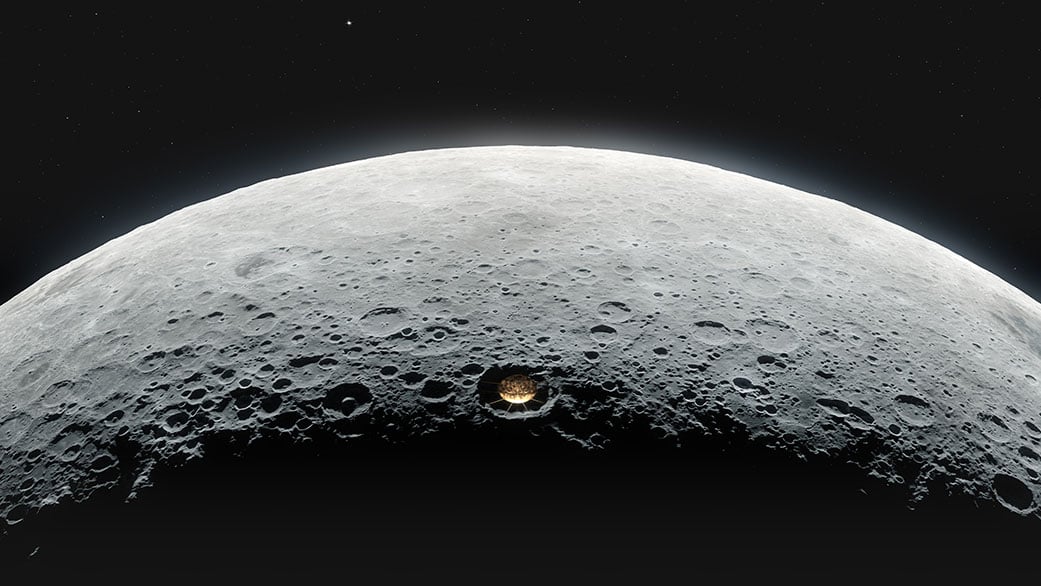
The resolution of the Event Horizon Telescope is limited by the diameter of Earth, and our observations of the black hole in M87 and in our own galaxy are at
To land on the right foot on the Red Planet, European engineers have been dropping a skeleton of the four-legged ExoMars descent module at various speeds and heights on simulated
Astronomers from the National Research Institute of Astronomy and Geophysics (NRIAG) in Cairo, Egypt, have investigated a young open cluster known as Czernik 38. As a result, they found a
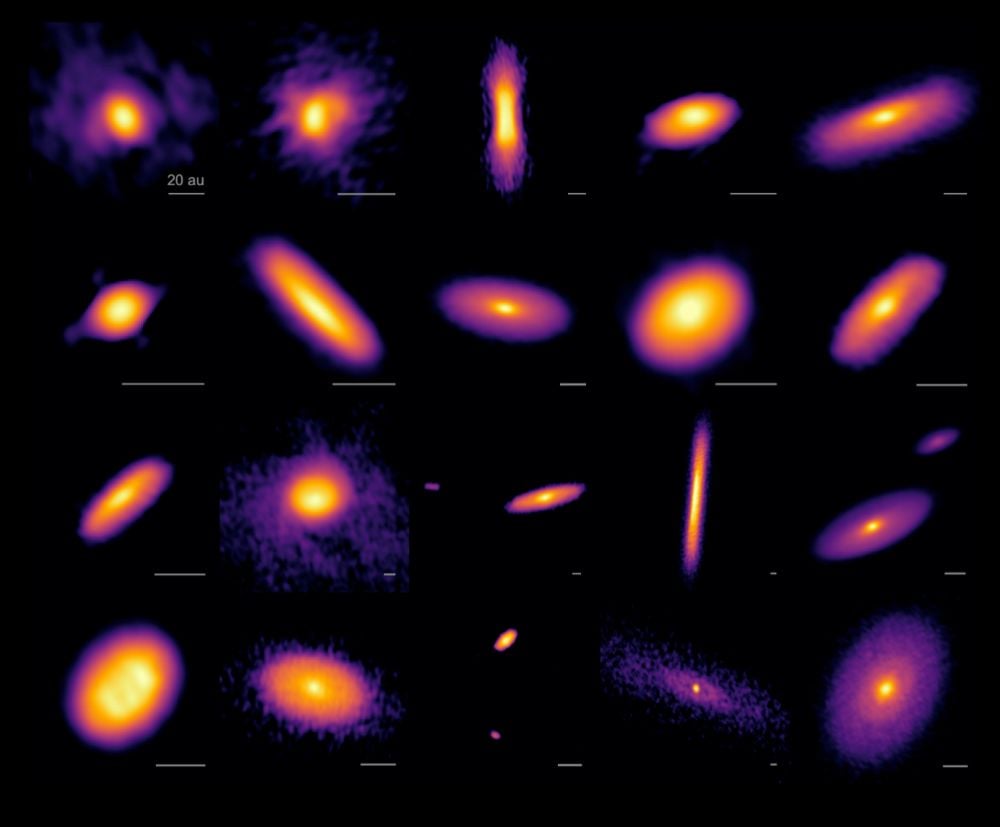
Back in 2014, the Atacama Large Millimeter/submillimeter Array (ALMA) captured an image of a young protoplanetary disk around a young star named HL Tauri. The image showed gaps and rings
Advertisement
Popular Now
-
 01Two Black Holes Observed Circling Each Other for the First Time
 -
 02From Polymerization-Enabled Folding and Assembly to Chemical Evolution: Key Processes for Emergence of Functional Polymers in the Origin of Life
 -
 03Astronomy 101: From the Sun and Moon to Wormholes and Warp Drive, Key Theories, Discoveries, and Facts about the Universe (The Adams 101 Series)
 -
 04True Anomaly hires former York Space executive as chief operating officer
 -
 05Φsat-2 begins science phase for AI Earth images
 -
 06Hurricane forecasters are losing 3 key satellites ahead of peak storm season − a meteorologist explains why it matters
 -
 07Binary star systems are complex astronomical objects − a new AI approach could pin down their properties quickly
Scroll to Top